Bodega Monteviejo
Vista Flores, Tunuyán
Winery in Tunuyán, Argentina
 Book with Pearl
The Read
High-Altitude Volcanic Viticulture
Why go
Book Bodega Monteviejo if the winery visit is meant to anchor a special-occasion Tunuyán day, not fill a spare hour. It suits travelers who want a quieter, planned tasting experience in Campo de los Andes; keep Bodega DiamAndes, Bodega Cuvelier Los Andes, or Antucura as practical backups if timing is tight.
About Bodega Monteviejo
Bodega Monteviejo is a Tunuyán venue with Pearl 2 Star Prestige (2025) recognition and a smart-casual dress code. Before building a day around it, check hours, pricing, cuisine, menu format, tasting format, group capacity, and appointment requirements directly with the venue.
Use Bodega Monteviejo as a considered stop within a Tunuyán itinerary rather than relying on assumptions about a particular service style. If you are comparing options, Bodega Cuvelier Los Andes, Bodega DiamAndes, Antucura, Bodega Piedra Negra, and SuperUco are other names to consider.
Worth the effort if the venue is the occasion
Choose Bodega Monteviejo when its recognition and location in Tunuyán make it a priority for your plans. The Pearl 2 Star Prestige (2025) distinction gives it a clear reason to be on a shortlist, while the smart-casual dress code suggests guests should arrive polished rather than overly casual.
Avoid assuming a particular format, meal service, or group arrangement. Confirm the current experience directly with Bodega Monteviejo, then decide whether it should anchor the day or sit alongside another option such as Bodega Piedra Negra, Bodega DiamAndes, Bodega Cuvelier Los Andes, Antucura, or SuperUco.
How to place it within a Tunuyán itinerary
For a broader day in Tunuyán, check planning details before locking in your schedule. For an overnight, our full Tunuyán hotels guide can help keep the itinerary focused in the city rather than stretching the day too far.
Cross-shopping is useful when comparing Bodega Monteviejo with other venues. Bodega Cuvelier Los Andes, Bodega DiamAndes, Antucura, Bodega Piedra Negra, and SuperUco are names to review alongside Bodega Monteviejo. Keep the comparison practical: check current availability, dress expectations, and any visit requirements directly before committing.
Planning details
- Location
- Clodomiro Silva, M5665BPA, Campo de los Andes, Mendoza
- Website
- monteviejo.com.ar
- Phone
- +54 9 261 532-8126
The take
The Take
The Vibe
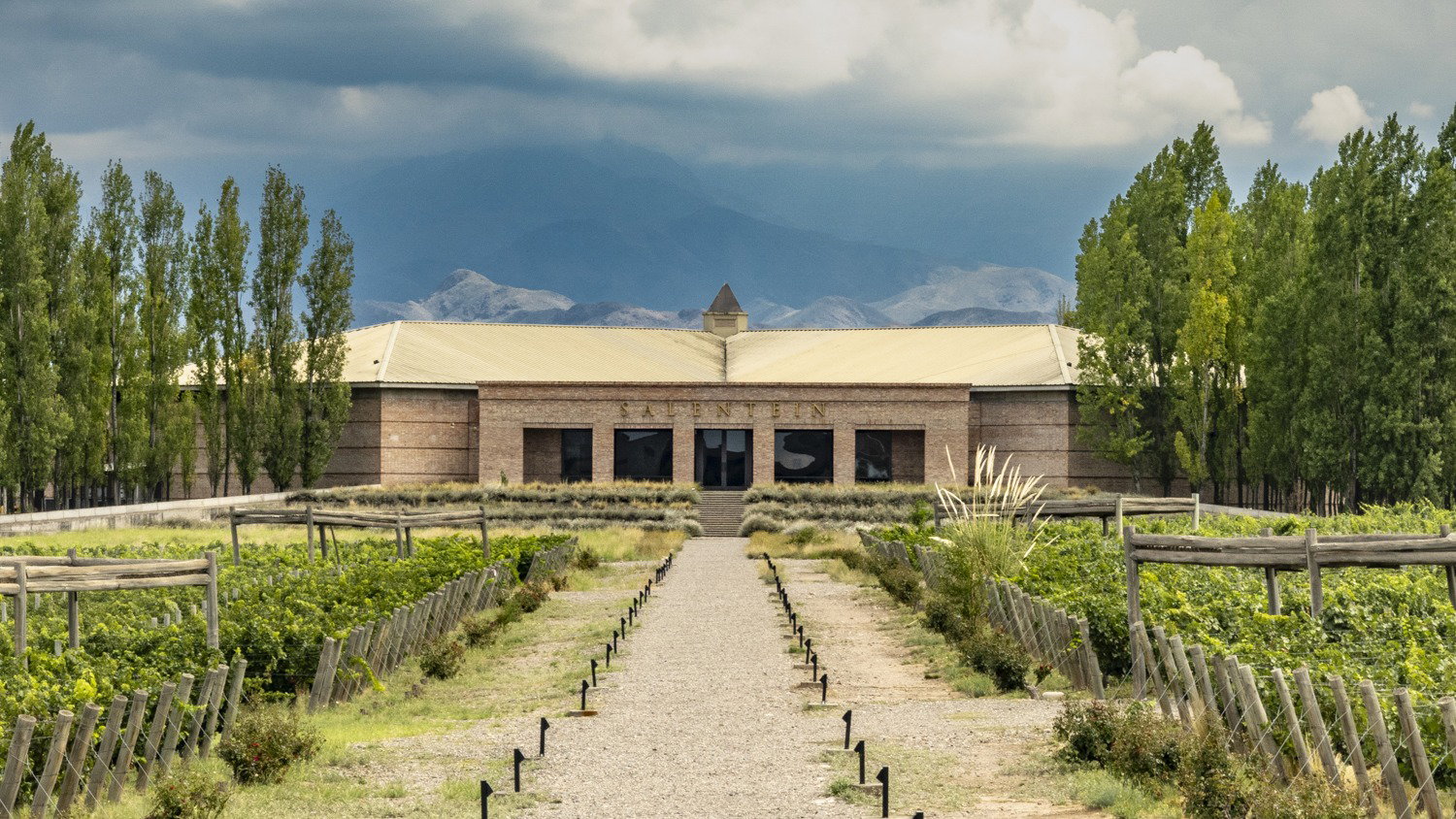
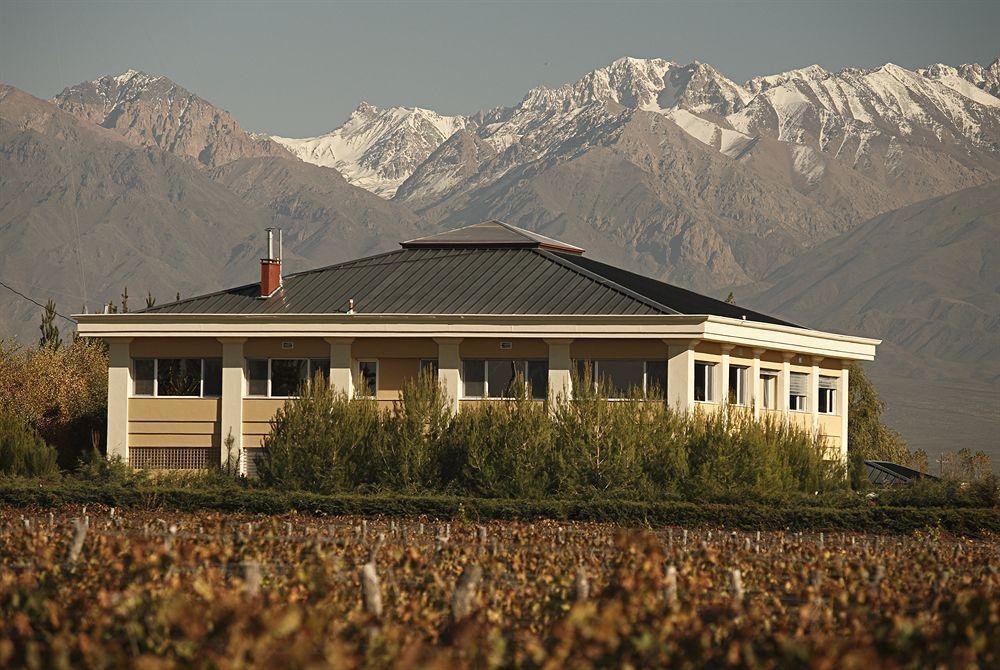
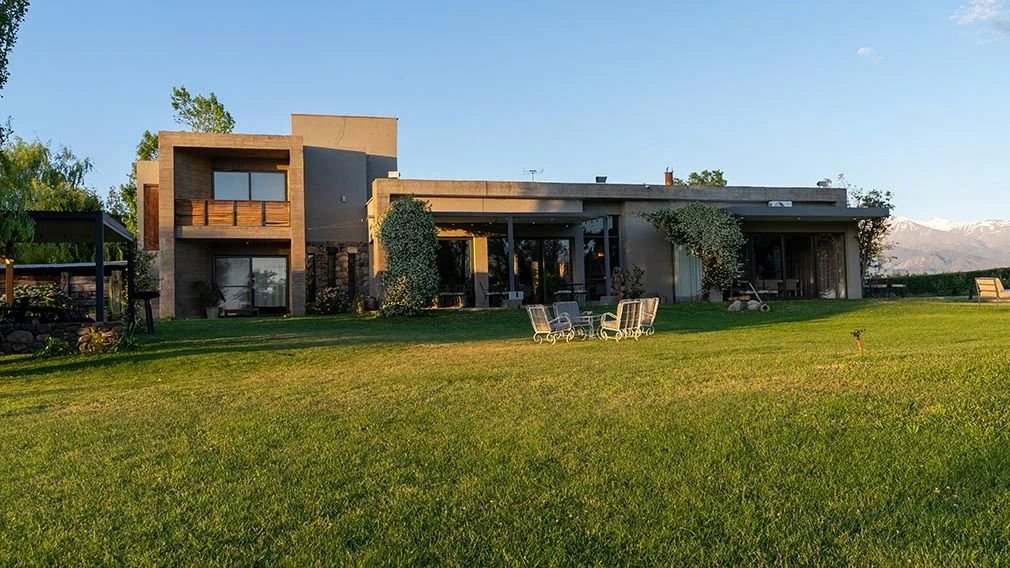
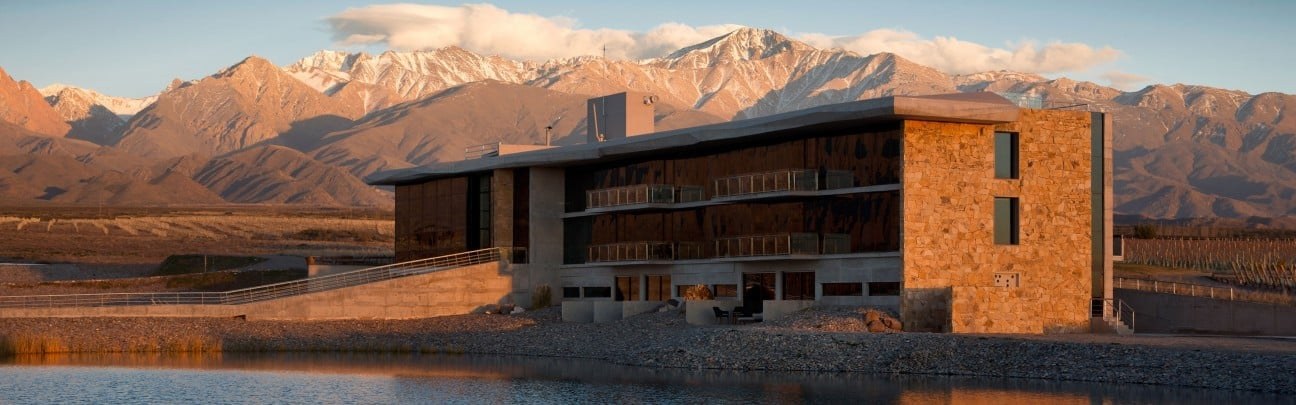
Bodega Monteviejo presents a quietly dramatic presence where the Andes dominate the moment. The approach — a climb into thinning population and sharper light — primes visitors for an elevated tasting experience: the landscape reads like an argument about the wines you are about to taste. The text frames the estate within Tunuyán’s upper Valle de Uco, a zone prized for altitude-driven character, so the overall impression is one of contemplative, high-country refinement. The setting feels restrained and purposeful, emphasizing geographic clarity over flash and inviting visitors to focus on terroir and structure.
Best For
Monteviejo is best for travelers seeking an altitude-focused wine visit and for collectors or groups interested in how elevation shapes style. The profile of the estate — situated in the Valle de Uco’s higher register and noted alongside other Tunuyán producers — makes it a natural stop for wine-education outings and special-occasion tastings that center on structure and acidity. Because the property sits up the corridor toward the Andes, it also suits visitors who value landscape as part of the wine experience: expect purposeful tastings framed by mountain scenery rather than a casual roadside stop.
Tasting Tips
The write-up emphasizes elevation and structural, high-acidity wines, so prioritize bottles that the tasting host highlights for their high-altitude character. Ask about the estate’s prestige releases (the profile notes a Pearl 2 Star Prestige rating) and request flights that showcase differences between valley-floor and higher-elevation parcels when available. Given the emphasis on geography, inquire about vineyard sources and how altitude influences ripeness and acidity. If you want context, steer the tasting toward comparative pours that illustrate the Valle de Uco’s cooler, more structured expression rather than seeking lighter, fruit-forward styles.
Venue details
Ambiance
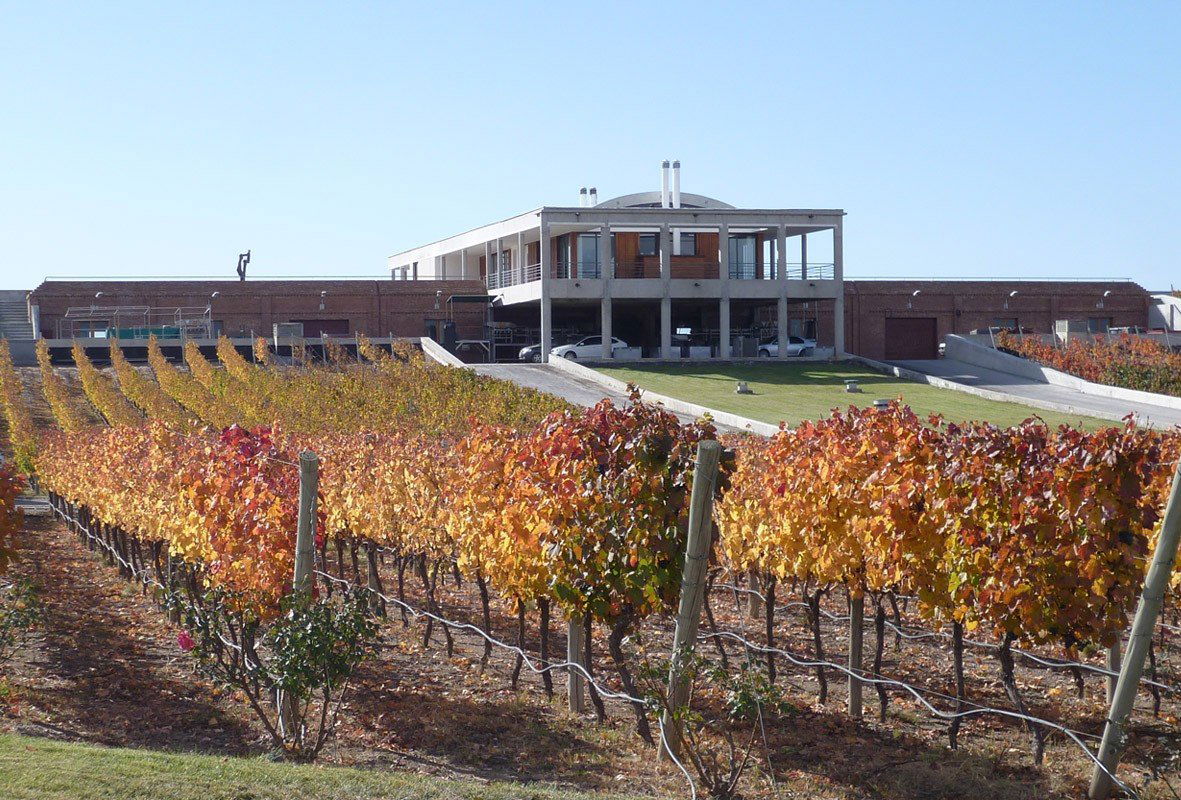
Sweeping mountain views from the sculpture courtyard and restaurant, enhanced by rotating art exhibitions along outdoor corridors, creating an elegant and culturally enriched atmosphere.
Tags
Vibe
Best For
Experience
Sourcing
View
At the Vineyard
- Appellation
- Uco Valley
- Varietals
- Malbec, Chardonnay, Torrontés, Syrah, Merlot
- Tour Duration
- 60-90 minutes
- Tour Languages
- Spanish, English
- Visits
- By reservation
- Farming
- Sustainable
- Production
- Small producer
- Wine Styles
- Still Red, Still White
- Food Pairing
- Offered
- Wine Club
- Not available
Know before you go
Know Before You Go
- Getting there
- Clodomiro Silva, M5665BPA, Campo de los Andes, Mendoza
Planning details
Location
Clodomiro Silva, M5665BPA, Campo de los Andes, Mendoza · Directions
Also consider
Also Consider
- Bodega Cuvelier Los Andes, Notable alternative
- Bodega DiamAndes, Notable alternative
- Antucura, Notable alternative
- Bodega Piedra Negra, Notable alternative
- SuperUco, Notable alternative
Winery context
How Bodega Monteviejo compares in Tunuyán
Bodega Monteviejo is the choice for travelers treating the tasting as the main event, especially for a celebration or focused wine day. Bodega Cuvelier Los Andes and Bodega DiamAndes are the closest cross-shops for a polished Tunuyán winery plan, but they make more sense as alternates if availability is the deciding factor.
For value and ease, Antucura and Bodega Piedra Negra are better fallbacks when the group wants a less formal stop or a more flexible route. Monteviejo is worth prioritizing when ambiance and appointment quality matter more than covering several wineries in one day.
SuperUco belongs on the list for travelers willing to go outside the immediate Tunuyán set for a more destination-driven winery experience. If the plan is tight and centered on Campo de los Andes, stay with Monteviejo plus one nearby peer rather than building an overextended tasting day.
Explore Tunuyán
Around this place
Discover more on Pearl
Unlock the full Bodega Monteviejo guide in Pearl, including awards, comparisons, FAQs, planning details, and nearby places.
Compare Bodega Monteviejo
| Venue | Location | Awards |
|---|---|---|
| Bodega Monteviejo | Tunuyán | No published awards |
| Bodega Cuvelier Los Andes | Tunuyán | No published awards |
| Bodega DiamAndes | Tunuyán | 2026 Falstaff Winery Guide2025 World's 50 Best Vineyards · #932024 World's 50 Best Vineyards · #392023 World's 50 Best Vineyards · #48 |
| Antucura | Tunuyán | 2025 Decanter Winery Prestige |
| Bodega Piedra Negra | Tunuyán | 2026 Falstaff Winery Guide |
| SuperUco | Mendoza | 2026 Falstaff Winery Guide2021 World's 50 Best Vineyards · #42 |



How Bodega Monteviejo Tunuyán compares with similar nearby venues.
FAQ
Frequently Asked Questions
Can Bodega Monteviejo handle large groups?
For large groups, contact Bodega Monteviejo directly for current booking, group, and visit details in Tunuyán. The venue has Pearl 2 Star Prestige (2025) recognition and a smart-casual dress code.
When is the best time to visit Bodega Monteviejo?
If Bodega Monteviejo is a priority for your Tunuyán itinerary, confirm current hours and availability directly with the venue before setting the rest of your schedule.
What other venues should I compare with Bodega Monteviejo?
For planning around Bodega Monteviejo, compare Bodega Cuvelier Los Andes, Bodega DiamAndes, Antucura, Bodega Piedra Negra, and SuperUco. Check current details directly with each venue before finalizing a route.