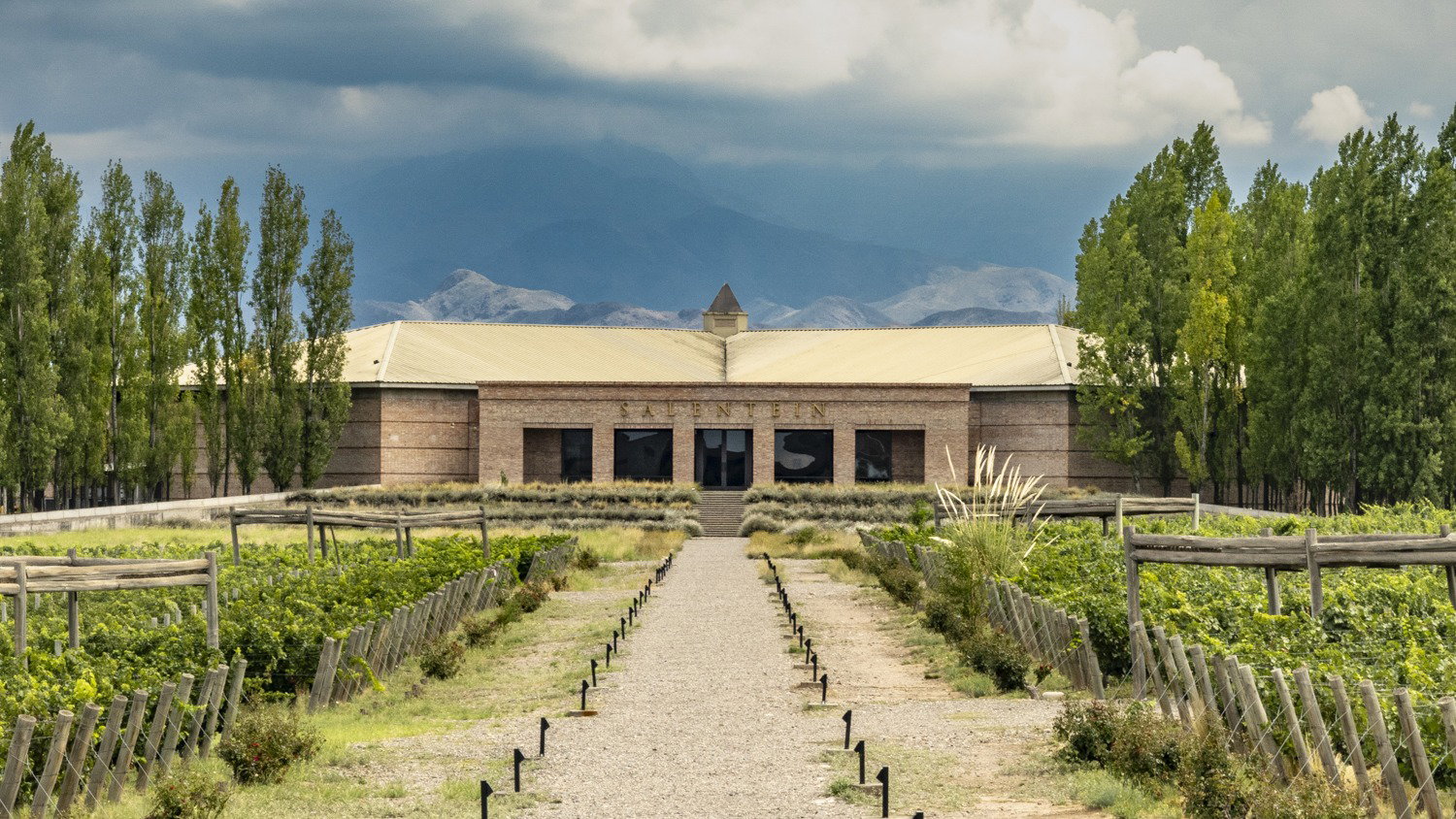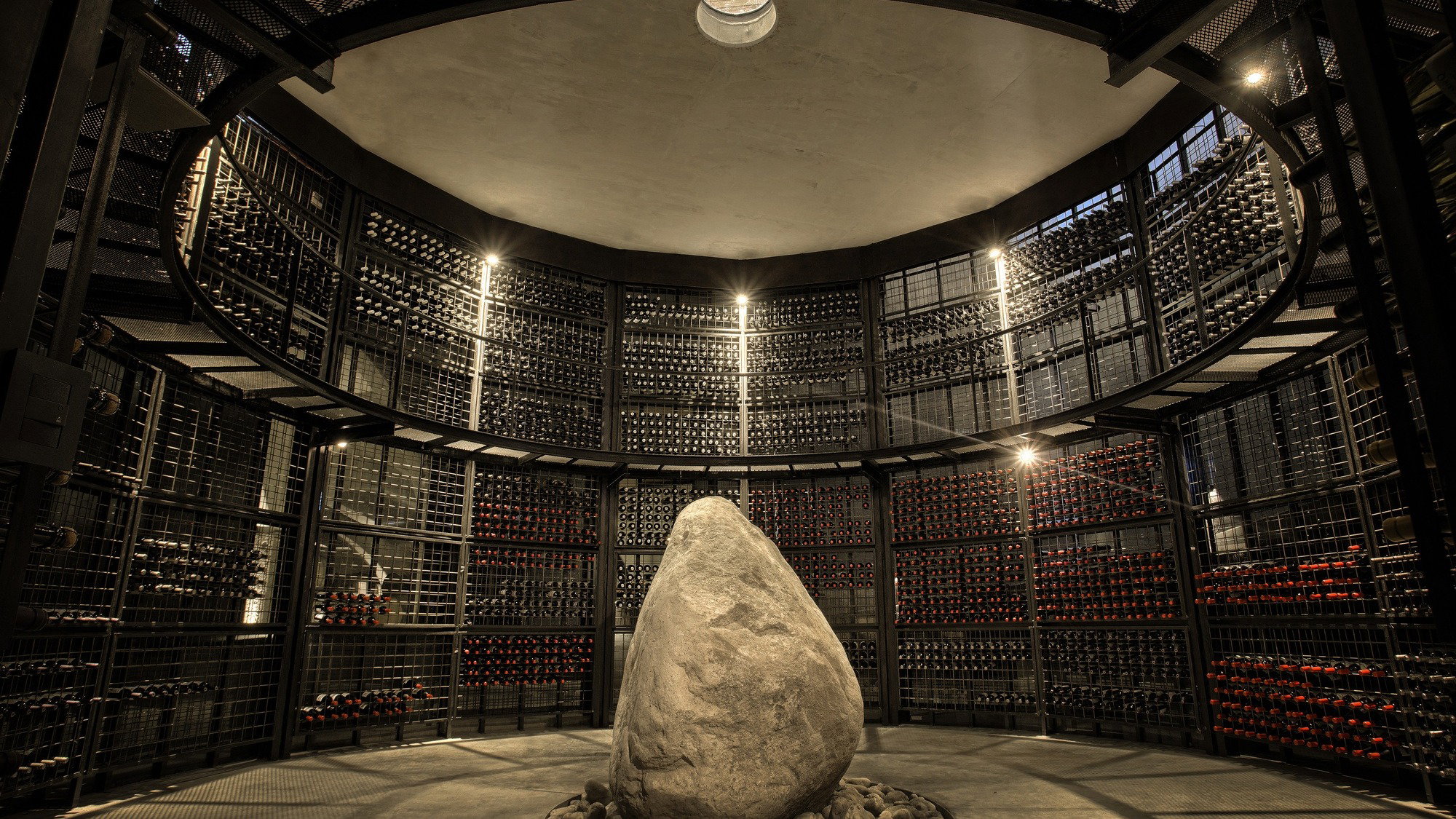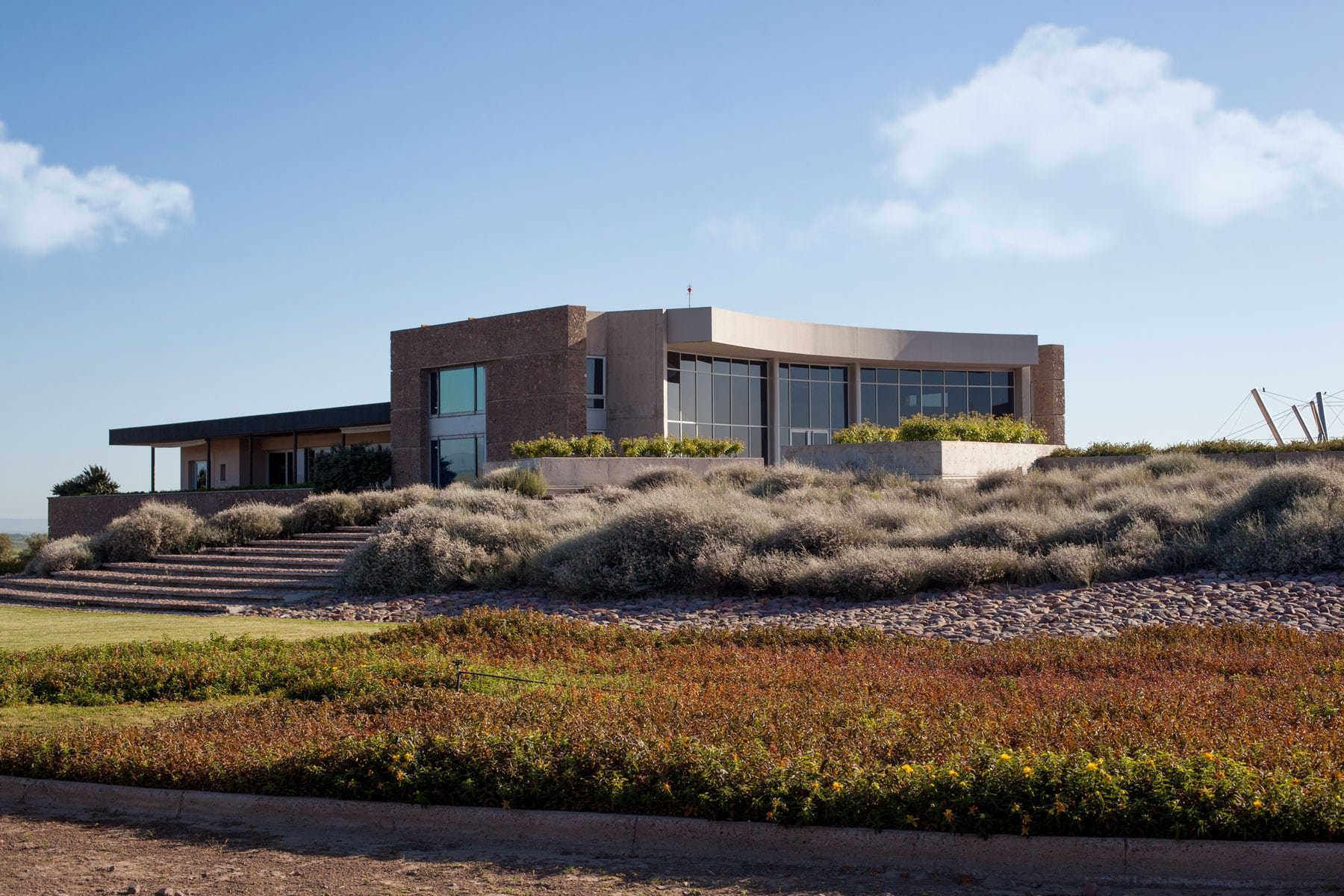

Antucura
Vista Flores, Tunuyán
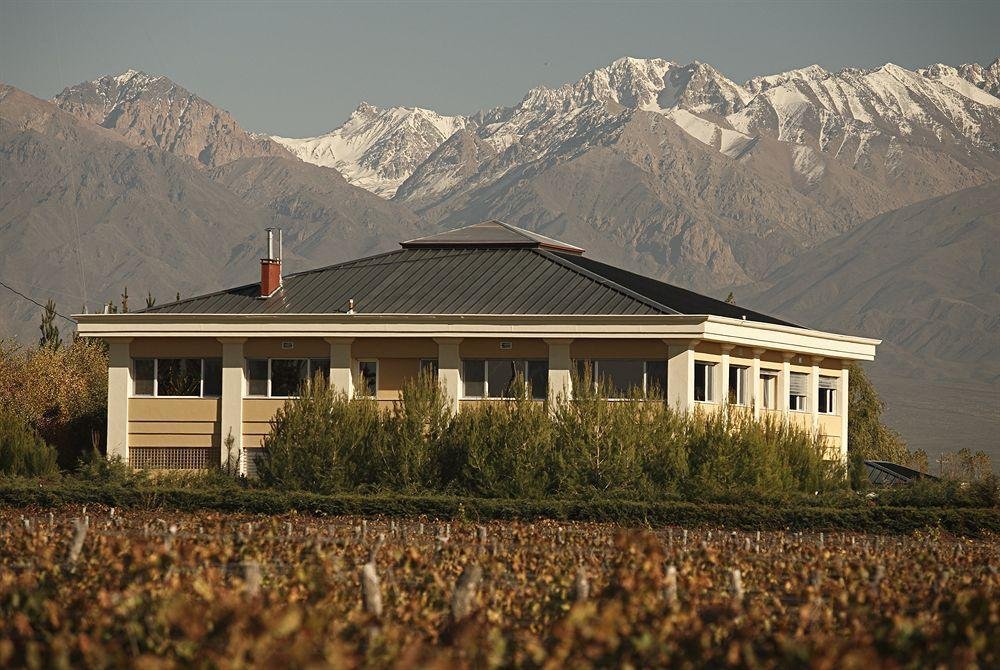
Winery in Tunuyán, Argentina
 Book with Pearl
The Read
High-Altitude Terroir Precision
Price
$10–20tasting
Why go
Antucura is a worthwhile Vista Flores option for travelers building a serious Uco Valley wine day, especially if regional context matters more than a quick tasting stop. Its Decanter-linked recognition gives it a credible quality signal, but logistics should be planned early because Tunuyán winery visits work better with a driver, daylight, and a restrained itinerary.
About Antucura
Antucura is a Tunuyán venue with a smart casual dress code and 2025 recognition, including Pearl 2 Star Prestige and Decanter World Wine Awards Derived Winery Prestige. For practical details such as service format, pricing, opening hours, menus, tastings, transport arrangements, and booking requirements, plan with direct confirmation before making it a key stop.
For travelers comparing premium venues in and around Tunuyán, Antucura is a considered option. Its Tunuyán location, smart casual standard, and 2025 recognition are key features.
Best for a focused Tunuyán visit
The safest way to plan around Antucura is to keep the itinerary flexible and confirm current visit details directly. If the day depends on a specific schedule, visit format, meal, group size, accessibility need, or purchase arrangement, do not assume those details from secondary descriptions. For broader planning, use the relevant Tunuyán venue guides first, then cross-check food, lodging, and evening plans through Our full Tunuyán hotels guide and other Tunuyán planning resources.
Antucura works well for travelers who are comfortable confirming the practicalities in advance. A smart casual dress code applies, so plan attire accordingly. Other operational details should be confirmed with the venue.
Where it fits against other regional venues
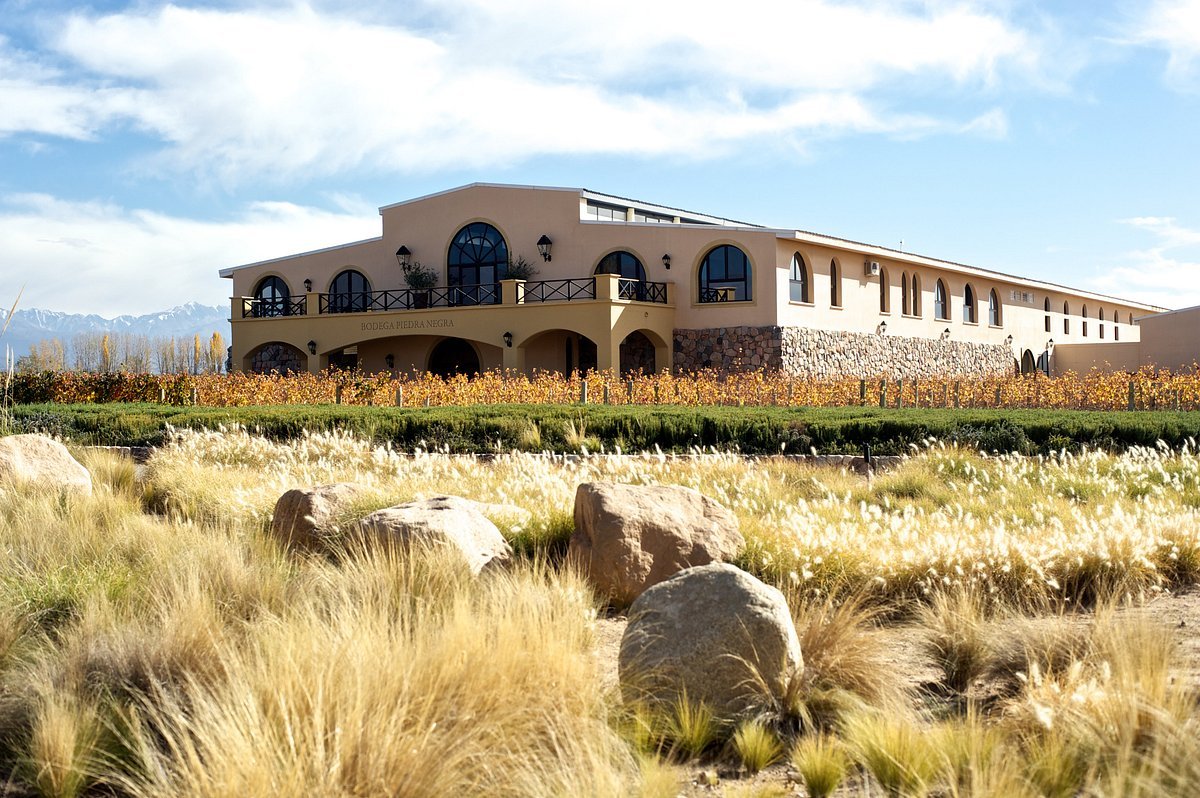
Antucura can be compared with other recognized names such as Bodega Cuvelier Los Andes, Bodega Piedra Negra, Bodega DiamAndes, Bodega Monteviejo, and SuperUco. The choice should come down to availability, routing, and the kind of visit each venue is currently offering, rather than assumptions about format or amenities.
The main caution is to confirm timing, reservation requirements, group policies, and any visit arrangements directly with the venue. Antucura stands out for its Tunuyán setting, smart casual dress code, and 2025 recognition.
Planning details
- Location
- Barandica S/N, Vista Flores, Tunuyán, Mendoza, Argentina
- Website
- antucura.com
- Phone
- +542615377031
The take
The Take
The Vibe
Antucura sits within the high-altitude, stony terroirs of Valle de Uco and reads as a winery defined by structural precision. Day–night temperature shifts and alluvial fans shape wines that balance power with freshness; the text emphasizes tight phenolic development and preserved acidity. The estate operates among a cluster of premium neighbours, where French capital and consulting winemakers have lifted local standards, and recent Decanter medals underscore that competitive, quality-driven posture. The overall impression is polished and focused—wines made with a clear sense of place and technical ambition rather than rustic informality.
Best For
This is a pick for travellers and collectors who prioritize terroir-driven wines and want to understand how altitude and soils influence Mendoza expressions. The profile’s emphasis on vineyard elevation, cooling nighttime temperatures and stylistic signatures makes Antucura especially relevant for educational visits and comparative tastings of high-altitude wines. Because the estate competes at an international level and has recent Decanter medals, it also suits shoppers and visitors looking for special-occasion bottlings or stops on a premium winery circuit through Vista Flores and Tunuyán.
Tasting Tips
Focus on the wines that exemplify the profile described: bottles that show marked structural precision, bright acidity and a balance of power and freshness. The estate’s Decanter Silver and Bronze placings suggest the medal-winning cuvées are sensible starting points. For purchases, prioritize recent vintages that capture the altitude-driven acid backbone and restrained phenolic ripeness the write-up highlights. When comparing bottles, look for language about specific parcels, elevation, or stony/alluvial soils—those cues point to the style the profile praises.
Venue details
Ambiance
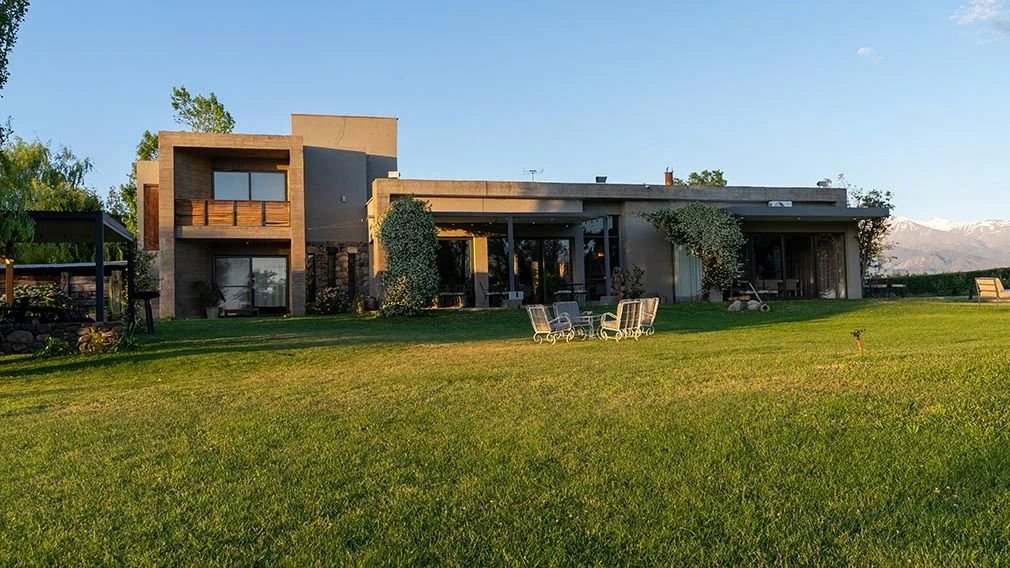
Idyllic Andean setting with luxurious mansion, art-filled interiors, pool, and rose garden creating a serene, exclusive atmosphere.
Tags
Vibe
Best For
Experience
Sourcing
View
At the Vineyard
- Appellation
- Uco Valley
- Varietals
- Malbec, Merlot
- Tour Duration
- 1-2 hours
- Visits
- By reservation
- Farming
- Sustainable
- Production
- Small producer
- Wine Styles
- Still Red
- Food Pairing
- Offered
- Wine Club
- Not available
Know before you go
Know Before You Go
- Getting there
- Barandica S/N, Vista Flores, Tunuyán, Mendoza, Argentina
Planning details
Location
Recognition and awards
Also consider
Where to go if this does not fit
If Antucura is difficult to schedule, start with Bodega DiamAndes or Bodega Monteviejo for a more conventional Tunuyán wine-day backup. If the group wants a more destination-led outing and can travel beyond the immediate, SuperUco is the sharper cross-shop.
Winery context
How it compares in Tunuyán
Antucura is the better fit for travelers who want a focused Vista Flores stop with a quieter regional feel. Bodega Cuvelier Los Andes and Bodega DiamAndes are stronger cross-shops if the priority is a more established winery circuit feel, while Antucura makes more sense when the day is built around atmosphere and a less crowded rhythm.
For booking difficulty, treat Antucura as the harder plan and avoid relying on same-day flexibility. Bodega Piedra Negra and Bodega Monteviejo are practical alternatives to check when the schedule needs a clearer route through Tunuyán. If value means minimizing planning friction, those peers may be safer; if value means a more distinctive Vista Flores stop, Antucura earns the look.
SuperUco is the comparison for travelers willing to range beyond the immediate Tunuyán set for a more design-forward, destination-style winery day. Keep Antucura in play when the plan is tighter and centered on Vista Flores; look to SuperUco when the winery itself is meant to anchor the whole outing.
Explore Tunuyán
Around this place
Discover more on Pearl
Unlock the full Antucura guide in Pearl, including awards, comparisons, FAQs, planning details, and nearby places.
Compare Antucura
| Venue | Location | Awards |
|---|---|---|
| Antucura | Tunuyán | 2025 Decanter Winery Prestige |
| Bodega Cuvelier Los Andes | Tunuyán | No published awards |
| Bodega Piedra Negra | Tunuyán | 2026 Falstaff Winery Guide |
| Bodega DiamAndes | Tunuyán | 2026 Falstaff Winery Guide2025 World's 50 Best Vineyards · #932024 World's 50 Best Vineyards · #392023 World's 50 Best Vineyards · #48 |
| Bodega Monteviejo | Tunuyán | No published awards |
| SuperUco | Mendoza | 2026 Falstaff Winery Guide2021 World's 50 Best Vineyards · #42 |


How Antucura Tunuyán Guide & Verdict compares with similar nearby venues.
FAQ
Frequently Asked Questions
Does Antucura offer shipping or fulfillment?
Can Antucura handle large groups?
What is Antucura known for?
Antucura is a Tunuyán venue with a smart casual dress code and 2025 recognition, including Pearl 2 Star Prestige and Decanter World Wine Awards Derived Winery Prestige.