

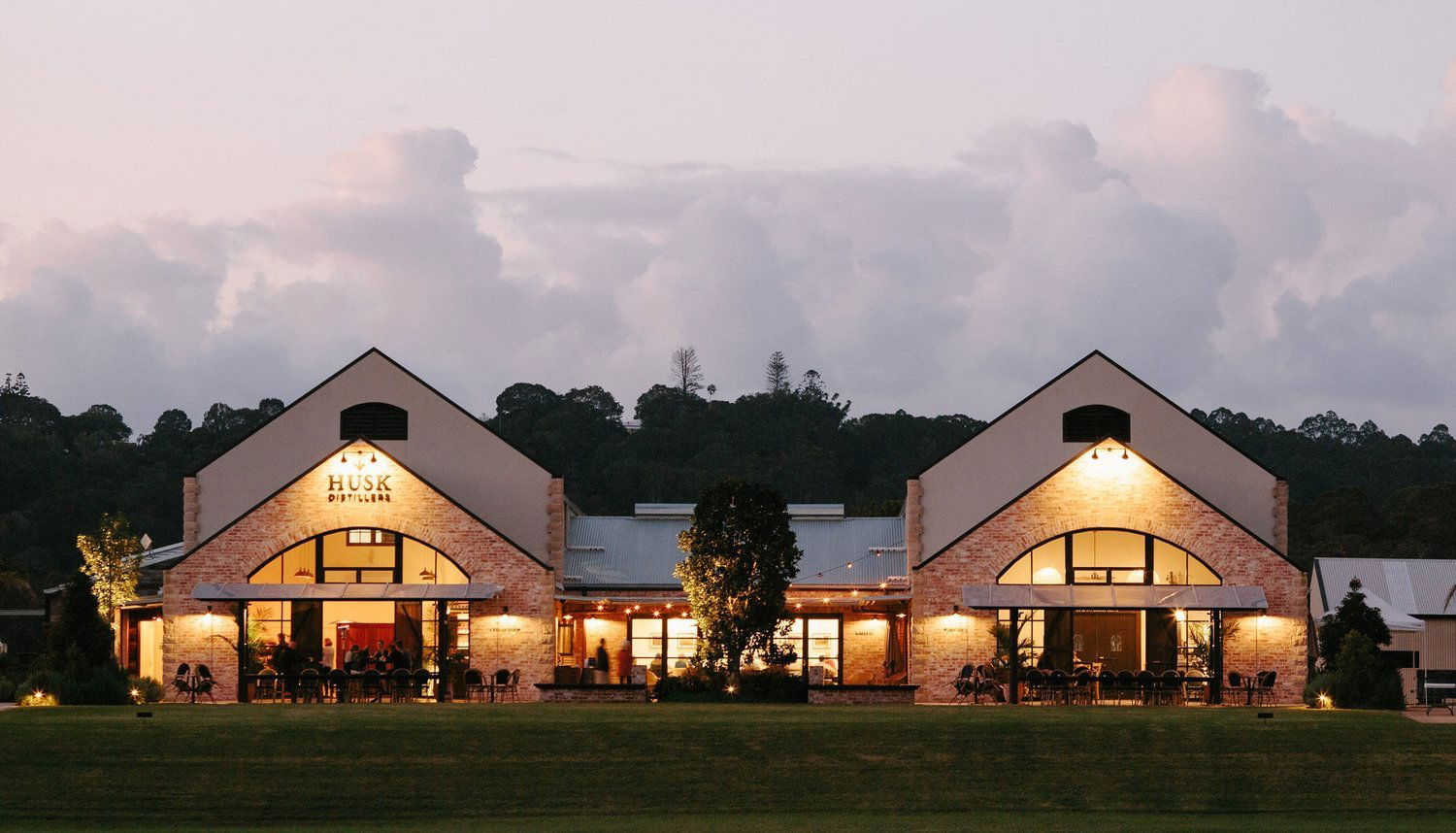
Husk Distillers
Tumbulgum
Winery in Tumbulgum, Australia
 Book with Pearl
The Read
Tweed Valley Agricole Craft
Why go
Husk Distillers is worth prioritising for a special-occasion distillery stop in Tumbulgum, especially if the group wants a rural Northern Rivers setting rather than a quick city tasting room. Treat it as a spirits-led visit.
About Husk Distillers
The practical verdict: consider Husk Distillers if you are specifically planning around a Tumbulgum visit and are comfortable confirming the current offer with the venue before you go.
A destination call for Tumbulgum plans
For broader planning around the area, use Our full Tumbulgum wineries guide, then build the rest of the day with Our full Tumbulgum restaurants guide, Our full Tumbulgum bars guide, Our full Tumbulgum hotels guide, and Our full Tumbulgum experiences guide.
For a celebration or planned outing, the main risk is expectation-setting.
How to think about it against Australian venue visits
If the goal is a broader Australian itinerary, Husk Distillers can be considered alongside Beenleigh Artisan Distillery, Cape Byron Distillery, Grandad Jack's Craft Distillery, Lord Byron Distillery, and Wildflower Distillery.
Bottom line: choose Husk Distillers when a Tumbulgum stop is the point of the outing. If the group needs detailed menu planning, fixed pricing, confirmed group arrangements, or a low-friction backup plan, confirm the current details directly before committing.
Planning details
- Location
- 1152 Dulguigan Rd, North Tumbulgum NSW 2490
- Website
- huskdistillers.com
- Phone
- +61 2 6675 9149
The take
The Take
The Vibe
Husk Distillers reads like a working farm first and a spirits house second. The distillery sits amid towering sugarcane in the Tweed Valley: estate-grown cane, open fermentation, and pot-still distillation all happen on the same property. The tone is grounded and elemental, focused on soil, climate and seasonality rather than slick visitor theatrics. Visitors encounter a place where process and place are inseparable, and the overall impression is quietly charming, rural and purposeful rather than polished or touristic.
Best For
This is a venue for people who care about origin and production: spirits enthusiasts, student distillers and anyone curious about how subtropical terroir translates into rum. Estate-grown cane and seasonal fermentation behavior make the site well suited to educational visits, behind-the-scenes tours and group outings centered on tasting and learning. It also works for small celebrations that prioritize provenance and craftsmanship, since the operation’s vertical integration provides a clear story to share over a tasting.
Tasting Tips
The description highlights a contrast between fresh new make and aged expressions, noting a grassy brightness in new distillate that ages into mellower notes. When tasting at Husk Distillers, sample both the fresh new make and an aged expression to compare the direct influence of cane juice and the mellowing effects of maturation. Focus on aromatics and how seasonality and fermentation temperatures shift the profile; treating a tasting as a mini comparative lesson yields the most insight into this farm-to-bottle approach.
Venue details
Ambiance
Beautiful rural farm setting with stunning river and mountain views, relaxed terrace dining, and welcoming atmosphere.
Tags
Vibe
Best For
Experience
Sourcing
View
At the Vineyard
- Appellation
- Tweed Valley
- Tour Duration
- 45 minutes
- Tour Languages
- English
- Visits
- By reservation
- Farming
- Sustainable
- Food Pairing
- Offered
- Wine Club
- Not available
Know before you go
Know Before You Go
- Getting there
- 1152 Dulguigan Rd, North Tumbulgum NSW 2490
Planning details
Location
Also consider
Also Consider
- Wildflower Distillery, Notable alternative
- Grandad Jack's Craft Distillery, Notable alternative
- Lord Byron Distillery, Notable alternative
- Cape Byron Distillery, Notable alternative
- Beenleigh Artisan Distillery, Notable alternative
Winery context
How Husk Distillers compares with nearby distillery options
Choose Husk Distillers when ambiance matters more than speed. Its Tumbulgum setting makes it the better fit for a celebration or planned regional stop, while Wildflower Distillery and Grandad Jack's Craft Distillery make more sense if the priority is a simpler distillery crawl outside the area rather than anchoring a Northern Rivers day.
For booking difficulty, Husk is the one to treat with the least flexibility: do not leave it as a same-day decision if the outing matters. Lord Byron Distillery and Cape Byron Distillery are stronger cross-shops for visitors already centering plans around Byron, while Husk is the cleaner pick when Tumbulgum itself is the destination.
For value, the right comparison is not only bottle price or tasting fee; it is how much of the day the venue can carry. Beenleigh Artisan Distillery is the more heritage-leaning alternative for a broader Queensland spirits itinerary, while Husk is the better special-occasion call for readers who want a regional setting and are willing to plan ahead.
Explore Tumbulgum
Around this place
Discover more on Pearl
Unlock the full Husk Distillers guide in Pearl, including awards, comparisons, FAQs, planning details, and nearby places.
Compare Husk Distillers
| Venue | Location | Awards |
|---|---|---|
| Husk Distillers | Tumbulgum | No published awards |
| Wildflower Distillery | Gold Coast | No published awards |
| Grandad Jack's Craft Distillery | Gold Coast | No published awards |
| Lord Byron Distillery | Byron Bay | No published awards |
| Cape Byron Distillery | Byron Bay | No published awards |
| Beenleigh Artisan Distillery | Beenleigh | No published awards |
How Husk Distillers Tumbulgum compares with similar nearby venues.