George Dickel
Cascade Hollow, Tullahoma
Winery in Tullahoma, United States
 Book with Pearl
The Read
Cold-Chill Charcoal Mellowing
Why go
George Dickel is worth considering as a quieter Tennessee whiskey-country stop near Tullahoma, especially for travelers who have already planned around the bigger names. It is stronger as a focused spirits visit than as a food-pairing destination, so plan meals separately and cross-shop Jack Daniel's or Nearest Green Distillery depending on the style of day you want.
About George Dickel
For a trip through Tullahoma, George Dickel is worth considering for its casual dress code and Pearl 3 Star Prestige recognition for 2025. Beyond that, planning details should be checked directly before committing a schedule.
The strongest case here is clarity rather than overbuilt expectation. Treat George Dickel as a deliberate Tullahoma stop, and avoid assuming specific formats, meal options, group policies, or timing details unless they are confirmed for your date. That makes it best for travelers who prefer to verify the practical pieces first, then build the rest of the itinerary around other dining in Tullahoma as needed.
A Tullahoma stop for travelers comparing familiar names
Compared with Jack Daniel's, George Dickel is a distinct name to consider on a regional route. Use the comparison to decide which confirmed details matter for your own itinerary rather than relying on assumptions about format, timing, or services.
Food and beverage expectations should stay modest unless specific details are confirmed for the date. Do not assume lunch, dinner, takeout, delivery, pairing formats, or special dietary accommodations. The practical move is to plan meals separately with other Tullahoma dining, then treat George Dickel as its own focused stop.
Who should put it on the route, and who should cross-shop
Choose this for a Tullahoma itinerary where a casual dress code and the 2025 Pearl 3 Star Prestige designation are enough to justify a closer look. Cross-shop Nearest Green Distillery if the group is comparing other regional names, or Nelson's Green Brier if the trip is extending beyond Tullahoma. Maker's Mark and Willett Distillery can also be considered as separate comparisons when planning a broader route.
Quick reference: consider George Dickel as a casual Tullahoma venue with confirmed 2025 Pearl 3 Star Prestige recognition, plan food separately, and verify any date-specific logistics before building the day around it.
Planning details
- Location
- 1950 Cascade Hollow Rd, Tullahoma, TN 37388
- Website
- georgedickel.com/visitus
- Phone
- +1 931-408-2410
The take
The Take
The Vibe
George Dickel sits deep in Cascade Hollow, where limestone-filtered water and cool hollow temperatures shape both the site and its spirits. The approach here feels quietly rigorous: production choices such as chill filtration and the Lincoln County Process are presented as intentional responses to place rather than marketing flourishes. The property’s second-growth hardwoods and subtle elevation shifts lend a hushed, almost contemplative atmosphere, so the overall impression is one of measured refinement. Visitors encounter a terroir-forward story—rooted in geology and climate—that reads as thoughtful and restrained rather than loud or aggressively styled.
Best For
This is a stop for people who come to learn. Visitors interested in how water chemistry, seasonal temperature swings, and local grain shape a spirit will find the distillery particularly rewarding. The writing emphasizes production decisions and the limestone spring on the property, so the place suits solo explorers and small groups who want an educational outing focused on process and provenance. It’s less about high-volume tasting theatrics and more about understanding why Cascade Hollow produces a softer, grain-forward Tennessee whisky that sits apart from heavier, high-char bourbons.
Tasting Tips
When tasting here, approach the lineup with a comparative, investigative mindset: the distillery foregrounds the Lincoln County Process and a chill-filtration step, which contribute to a softer, more restrained grain character. Taste with attention to texture and midpalate restraint rather than only oak intensity or proof-driven heat. Ask staff about Cascade Spring and how the property’s limestone-filtered water factors into each expression—those details are central to the distillery’s argument. Framing pours as a study in place versus power reveals what distinguishes George Dickel from many bourbons on the market.
Venue details
Ambiance
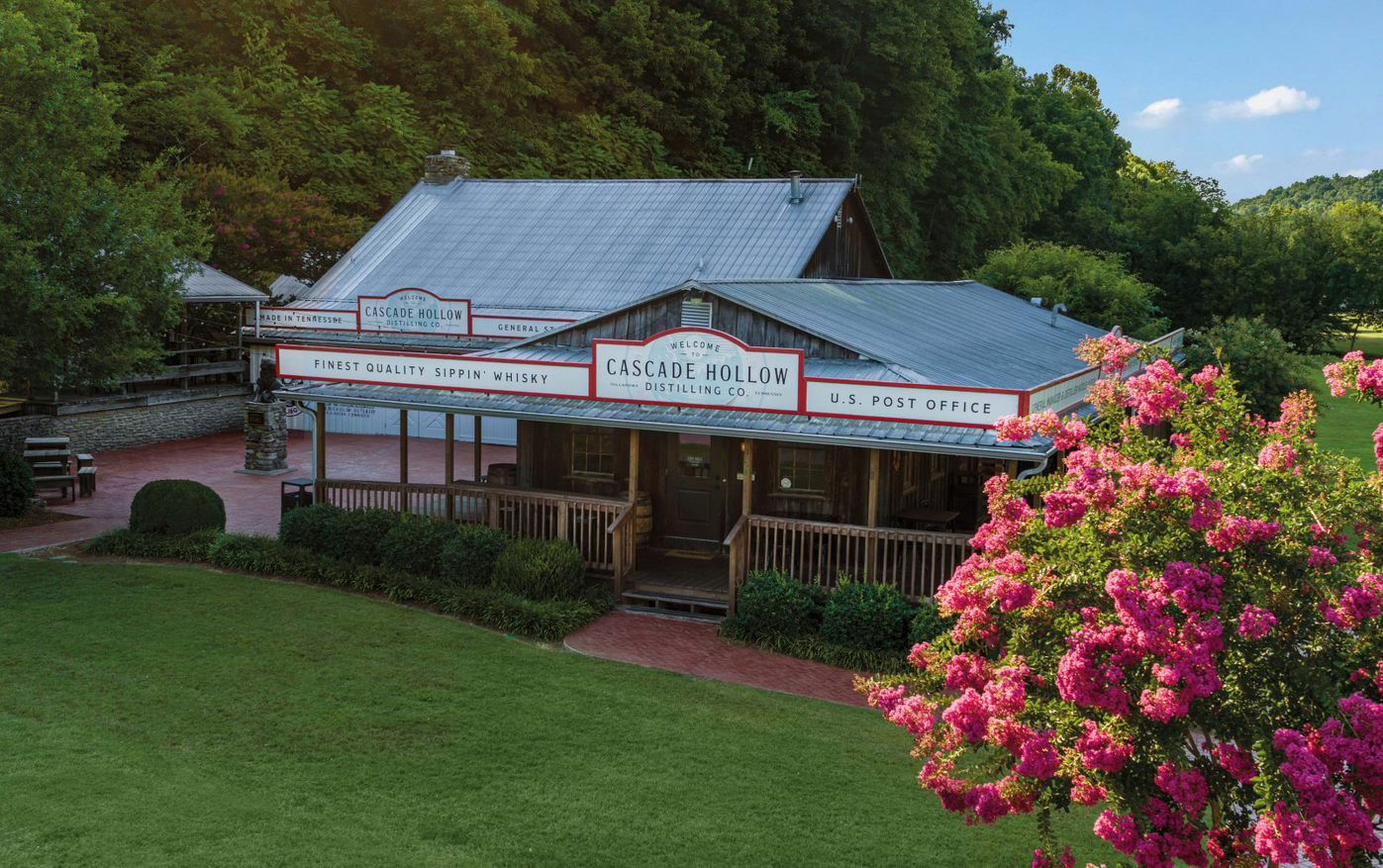
Rustic and historic with a serene, traditional atmosphere amid natural surroundings.
Tags
Vibe
Best For
Experience
At the Vineyard
- Appellation
- Tennessee
- Tour Duration
- 60 minutes
- Wine Club
- Not available
Know before you go
Know Before You Go
- Getting there
- 1950 Cascade Hollow Rd, Tullahoma, TN 37388
Planning details
Location
Also consider
If this does not fit the schedule, book Jack Daniel's for the more recognizable Tennessee whiskey anchor. Choose Nearest Green Distillery when the group wants a larger destination-style stop rather than a quieter production-focused visit.
Winery context
Against Jack Daniel's, George Dickel is the lower-key choice for travelers who want Tennessee whiskey context without making the whole day about the largest brand in the area. Jack Daniel's is the safer anchor for first-timers; George Dickel is better as the second stop for visitors who want a quieter contrast.
Nearest Green Distillery is the stronger cross-shop for groups that want more of a destination feel, while Nelson's Green Brier fits better if the itinerary is Nashville-centered. Choose George Dickel when Tullahoma and Cascade Hollow are already part of the route, not when convenience is the main priority.
Maker's Mark and Willett Distillery belong in a Kentucky bourbon comparison rather than a direct Tullahoma day plan. They are better picks for travelers building a bourbon-country trip; George Dickel makes more sense for a Tennessee whiskey route where ambiance and production context matter more than a broad visitor-campus experience.
Explore Tullahoma
Around this place
Discover more on Pearl
Unlock the full George Dickel guide in Pearl, including awards, comparisons, FAQs, planning details, and nearby places.
Compare George Dickel
| Venue | Location | Awards |
|---|---|---|
| George Dickel | Tullahoma | No published awards |
| Jack Daniel's | Lynchburg | No published awards |
| Nearest Green Distillery | Shelbyville | No published awards |
| Nelson's Green Brier | Nashville | No published awards |
| Maker's Mark | Loretto | No published awards |
| Willett Distillery | Bardstown | No published awards |
How George Dickel Tullahoma compares with similar nearby venues.
FAQ
Frequently Asked Questions
Do I need a reservation at George Dickel?
If you are planning around George Dickel in Tullahoma, check directly before you go. The confirmed details are a casual dress code and 2025 Pearl 3 Star Prestige recognition.
How long should I plan for a visit to George Dickel?
Plan with flexibility, especially if you are comparing George Dickel with Jack Daniel's or other regional stops, and confirm any timing details directly before setting your itinerary.
Does George Dickel offer takeout or delivery?
If off-site options matter to your plans, contact George Dickel directly before relying on them.
Are membership or club options available at George Dickel?
The confirmed planning points are that George Dickel is in Tullahoma, the dress code is casual, and it has Pearl 3 Star Prestige recognition for 2025.
What should I expect from George Dickel?
If you are deciding whether George Dickel fits your route, focus on the confirmed Tullahoma location, casual dress code, and 2025 Pearl 3 Star Prestige recognition, then confirm any visit-specific details directly.
When is the best time to visit George Dickel?
Before choosing a day or time, check current information from George Dickel directly. If you are weighing it against Nelson's Green Brier, consider which route makes the most sense for your trip.
Can George Dickel handle large groups?
Groups should confirm directly with George Dickel before planning around a visit. If you are comparing options, Nearest Green Distillery is another name to evaluate for your itinerary.