

Winery in Trikala, Greece
Tsililis Distillery
500Pearl PointsPlanned tasting
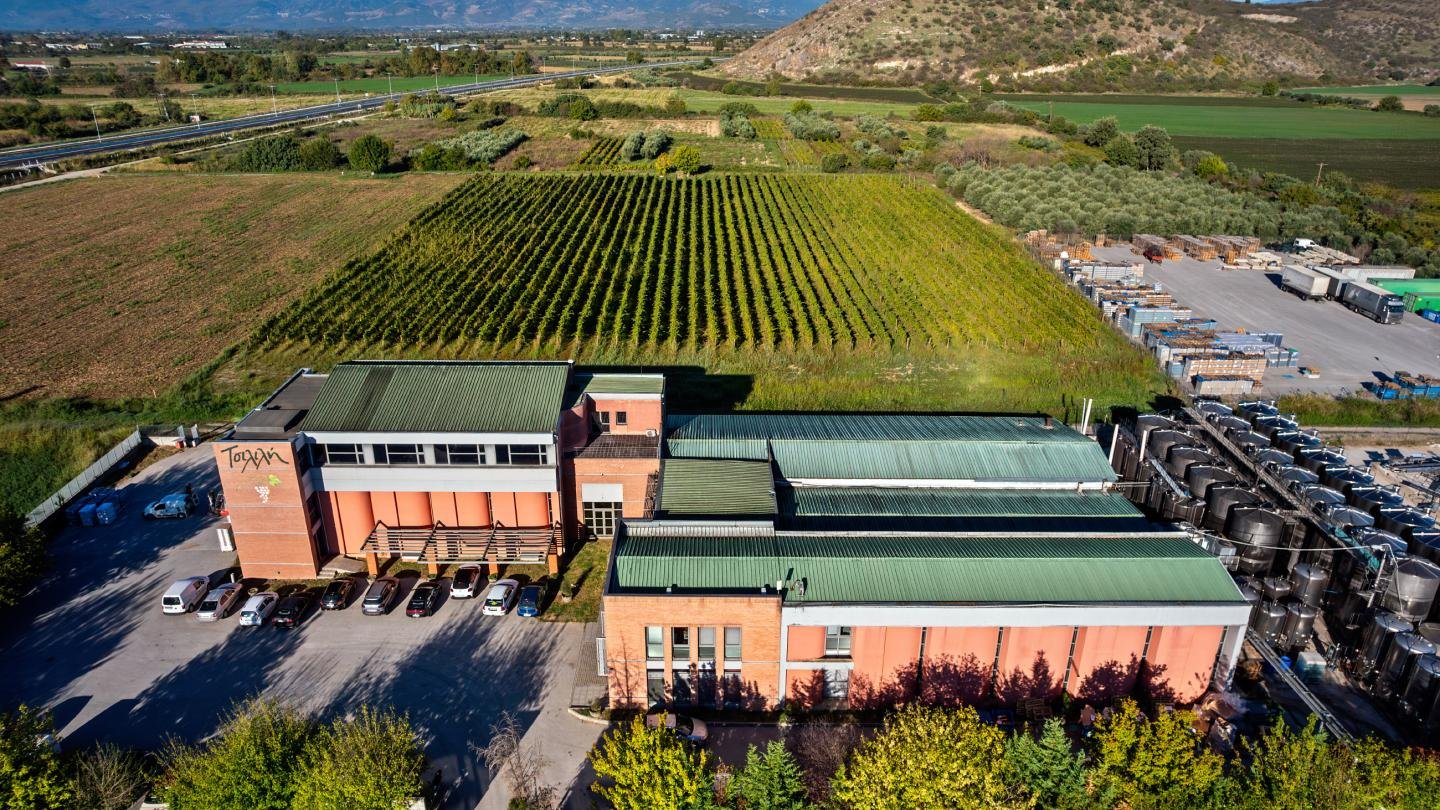
About Tsililis Distillery
Choose Tsililis Distillery if the goal is a focused spirits-led visit near Trikala rather than a broad winery day. It suits couples, business guests, small celebration groups who care about Greek distillation; casual walk-in planners or groups expecting food should compare it with nearby winery options first.
Tsililis Distillery is a Trikala venue with a casual dress code and Pearl 2 Star Prestige recognition for 2025. Beyond those confirmed points, practical details such as pricing, hours, food service, appointment requirements, product availability, or specific visit formats should be checked directly with the venue before planning around them.
A direct Trikala stop to verify before you go
The safest way to approach Tsililis Distillery is as a Trikala venue that merits advance confirmation rather than assumption. If you are comparing it with other producer-focused options such as Katogi Averoff, Katsaros Distillery, Ktima Voyatzis, Tirnavos Cooperative Distillery, or Zafeirakis Winery, keep the decision practical: confirm what each venue currently offers, where it is located, whether it fits your timing.
Because no verified public details are supplied here for pricing, visit length, food, product sales, or a named product focus, avoid building an itinerary around unconfirmed specifics. The grounded reasons to keep Tsililis Distillery on your shortlist are its Trikala setting, casual dress code, Pearl 2 Star Prestige (2025) recognition.
Who should choose it over another producer visit
Choose Tsililis Distillery if you specifically want to include this Trikala venue in a producer-focused plan and are willing to confirm the current visit details in advance. If your priority is a different kind of producer visit, compare it with Katogi Averoff, Katsaros Distillery, Ktima Voyatzis, Tirnavos Cooperative Distillery, Zafeirakis Winery, or another suitable option before committing.
For the rest of the day, build separate plans for dining, lodging, bars, or local activities in Trikala rather than assuming those needs are covered by the distillery. Confirm the latest details directly with Tsililis Distillery before you go.
Frequently Asked Questions
What other producer venues can I compare with Tsililis Distillery?
For producer-style comparisons, consider Zafeirakis Winery, Katogi Averoff, Ktima Voyatzis, Katsaros Distillery, Tirnavos Cooperative Distillery, while also confirming each venue's exact location and current visit options directly. Tsililis Distillery itself is in Trikala.
How long should I plan for a visit to Tsililis Distillery?
No verified visit length is available here. Treat Tsililis Distillery as a Trikala stop that should be confirmed in advance, especially if you are planning around its Pearl 2 Star Prestige (2025) recognition.
Are product sales or shipping available at Tsililis Distillery?
No verified product-sales or shipping policy is available here. Confirm directly with Tsililis Distillery before you go, check the venue's official channels for the latest details.
Are memberships or special programs available at Tsililis Distillery?
No verified membership or special-program details are available here. If any such option is offered, confirm the current terms directly with Tsililis Distillery before joining or planning around it. Check the venue's official channels for the latest details.
Does Tsililis Distillery serve food?
No verified food-service details are available here. If you need a meal, make a separate Trikala dining plan and confirm directly with Tsililis Distillery before relying on any food offering. Check the venue's official channels for the latest details.
Is there a signature product at Tsililis Distillery?
No verified signature product or named product is available here. Ask Tsililis Distillery directly about any current featured products or visits, check the venue's official channels for the latest details.
Location
Epar.Od. Trikalon-Rizomatos 31, Raxa 421 00
Trikala, Greece
Compare Tsililis Distillery
| Venue | Location | Awards |
|---|---|---|
| Tsililis Distillery | Trikala | Pearl 2 Star Prestige (2025) |
| Zafeirakis Winery | Tirnavos | , |
| Tirnavos Cooperative Distillery | Tirnavos | , |
| Katogi Averoff | Metsovo | , |
| Katsaros Distillery | Tirnavos | , |
| Ktima Voyatzis | Velvento | , |
How Tsililis Distillery Trikala compares with similar nearby venues.
If you cannot make Tsililis work
Try Zafeirakis Winery if the group wants a wine-focused alternative, or Tirnavos Cooperative Distillery if the spirits angle matters more than the Trikala routing.
How it compares with nearby producer visits
Zafeirakis Winery is the more natural cross-shop for travellers who want a wine-led visit, while Tsililis Distillery is the better call for a narrower spirits focus. Choose Tsililis when the group wants a serious tasting stop near Trikala; choose Zafeirakis when the day is built around vineyard context and a more conventional winery rhythm.
Tirnavos Cooperative Distillery is the closest conceptual comparison for distillation, but Tsililis reads as the more occasion-friendly choice if the visit needs to feel polished and deliberate. Katogi Averoff and Ktima Voyatzis make more sense for guests who want a winery-first itinerary with broader regional context.
Katsaros Distillery is another spirits comparison, but the decision should come down to routing and booking practicality. If Trikala is the anchor, Tsililis is the cleaner fit; if the trip already points toward the other producers, cross-shop by travel time rather than trying to force every stop into one day.
Explore Trikala
Save or rate Tsililis Distillery on Pearl
Keep this venue in your Pearl passport, rate it after you visit, and track it alongside every other place you collect.