
Château de Roquefort
Taradeau
Winery in Taradeau, France
 Book with Pearl
The Read
Var Continuity Winemaking
Price
$30–50tasting
Why go
Château de Roquefort is worth prioritizing if you want a heritage-led Provence winery visit with a first vintage dating to 1827. Treat it as a high-planning stop rather than a casual drop-in: pricing, hours, and tasting format are not transparent in the core listing, so build a backup into the same Taradeau wine day.
About Château de Roquefort
Château de Roquefort is a premium venue in Taradeau with a limited public profile. The essentials are Raimond de Villeneuve as chef/owner, a smart casual dress code, and Pearl 2 Star Prestige recognition for 2025. Beyond those points, specific details such as cuisine, prices, hours, booking format, capacity, and services should be confirmed directly before planning around a visit.
Book for essentials, not unverified extras
The clearest case for Château de Roquefort is its standing as a Pearl 2 Star Prestige venue in Taradeau. Raimond de Villeneuve is the named chef/owner, giving the venue a clear point of reference, but there is no specific information about menu style, service format, tasting structure, drinks program, or price level.
The practical takeaway is simple: plan carefully for this venue rather than assume every logistical detail is public. If timing, budget, accessibility, dietary needs, or a particular service matters, check directly with Château de Roquefort before making it the anchor of your Taradeau plans.
Who should prioritize it
Château de Roquefort makes the most sense for travelers who are comfortable with a lean set of details and who value a recognized Taradeau venue with a named chef/owner. The smart casual dress code applies, so plan attire accordingly.
For broader context, compare Château de Roquefort with other premium options such as Château Roubine, Château Sainte-Roseline, Château de Rayne-Vigneau, Château de Saint-Martin, and Domaine Ott, or look at other dining in Taradeau generically. The best fit is the visitor who is willing to confirm practical details directly rather than rely on assumptions.
Planning details
- Location
- 2897 Route de Flayosc, 83460 Taradeau
- Website
- chateau-rasque.com
- Phone
- +33 4 94 99 52 20
The take
The Take
The Vibe
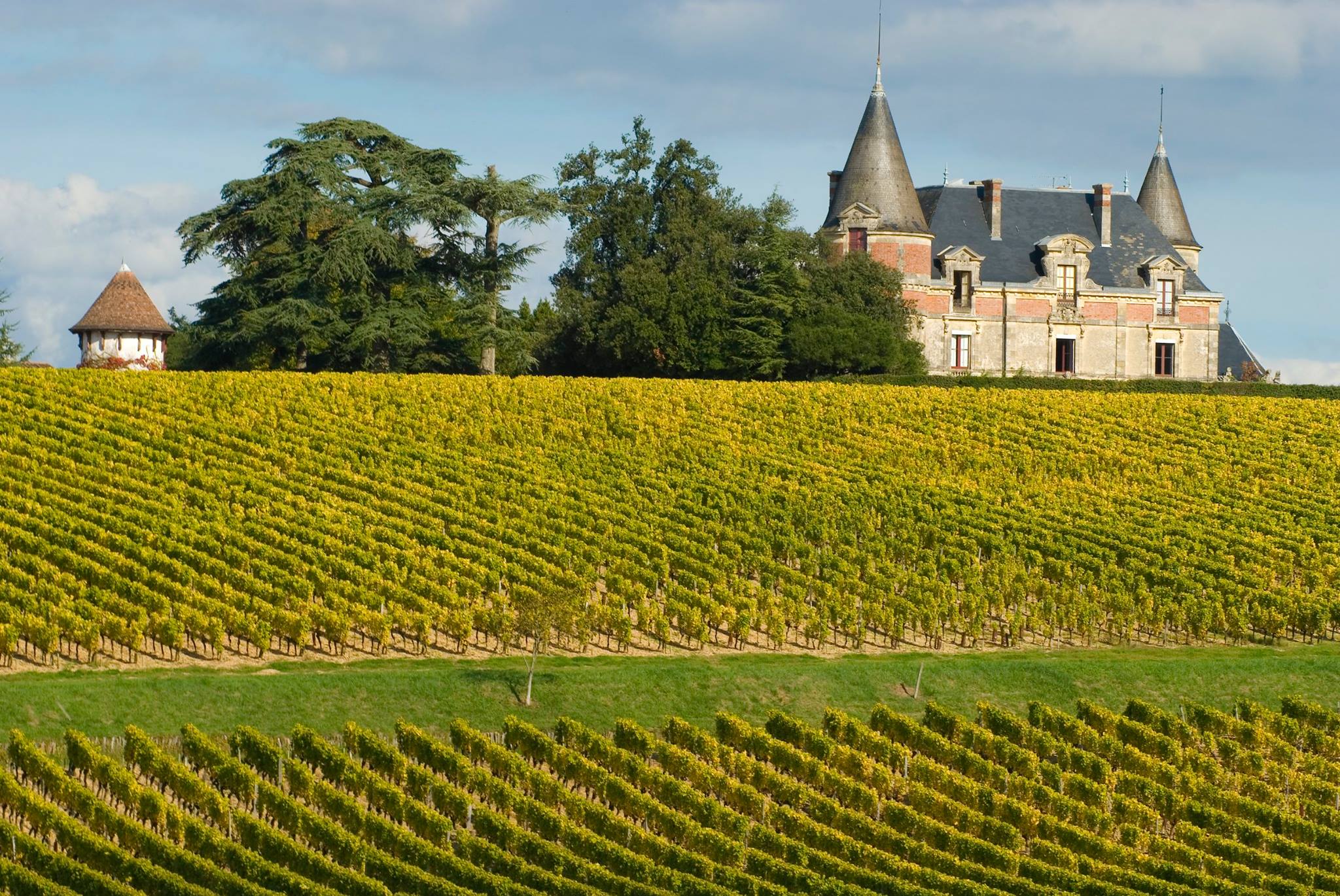
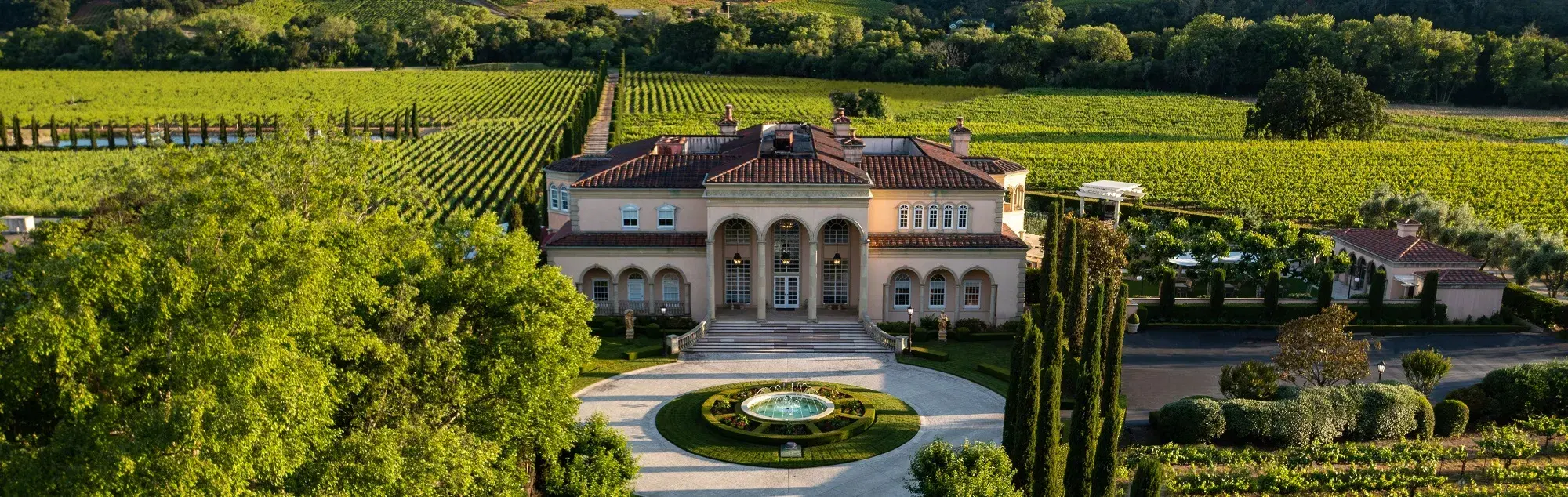
Château de Roquefort reads as a quietly historic, sophisticated Provencal estate. Founded in 1827 and anchored by a Roquefort limestone formation, the domaine emphasizes geological continuity rather than seasonal flash. The copy foregrounds mineral soils, sharp drainage and marked diurnal temperature swings—the sort of terroir details that produce focused, provenance-driven wines. Winemaker Raimond de Villeneuve and a 2025 Pearl 2 Star Prestige award underline the property’s collector-oriented credibility. Visitors encounter a contemplative inland character: less Côte d’Azur rosé spectacle and more long‑stewarded terroir work, with a refined, measured presence that rewards attention to place.
Best For
This château is best for visitors who come to learn: the writing centers on soil, limestone, and long site history, so it suits serious wine students, collectors and anyone interested in provenance. The inland Var hillside setting also makes it a good choice for a quiet, scenic escape from the coast—an intimate outing framed by hills and vineyards rather than beachside bustle. Small groups of enthusiasts who prefer depth and explanation over casual terrace drinking will get the most from a visit here; the estate’s focus is on interpretation of place more than social spectacle.
Tasting Tips
Focus your tasting on the estate’s terroir story: ask to taste the wines that best express the Roquefort limestone and the sharper drainage the copy highlights. Mention the 2025 Pearl 2 Star Prestige reference and ask staff about which cuvées or vintages contributed to that recognition. If you’re a collector or student, inquire whether there are older vintages or estate‑focused flights that illustrate the site’s continuity since 1827. Pose questions about soil, pH and diurnal swings—staff will likely use those touchpoints when framing the tasting.
Venue details
Ambiance
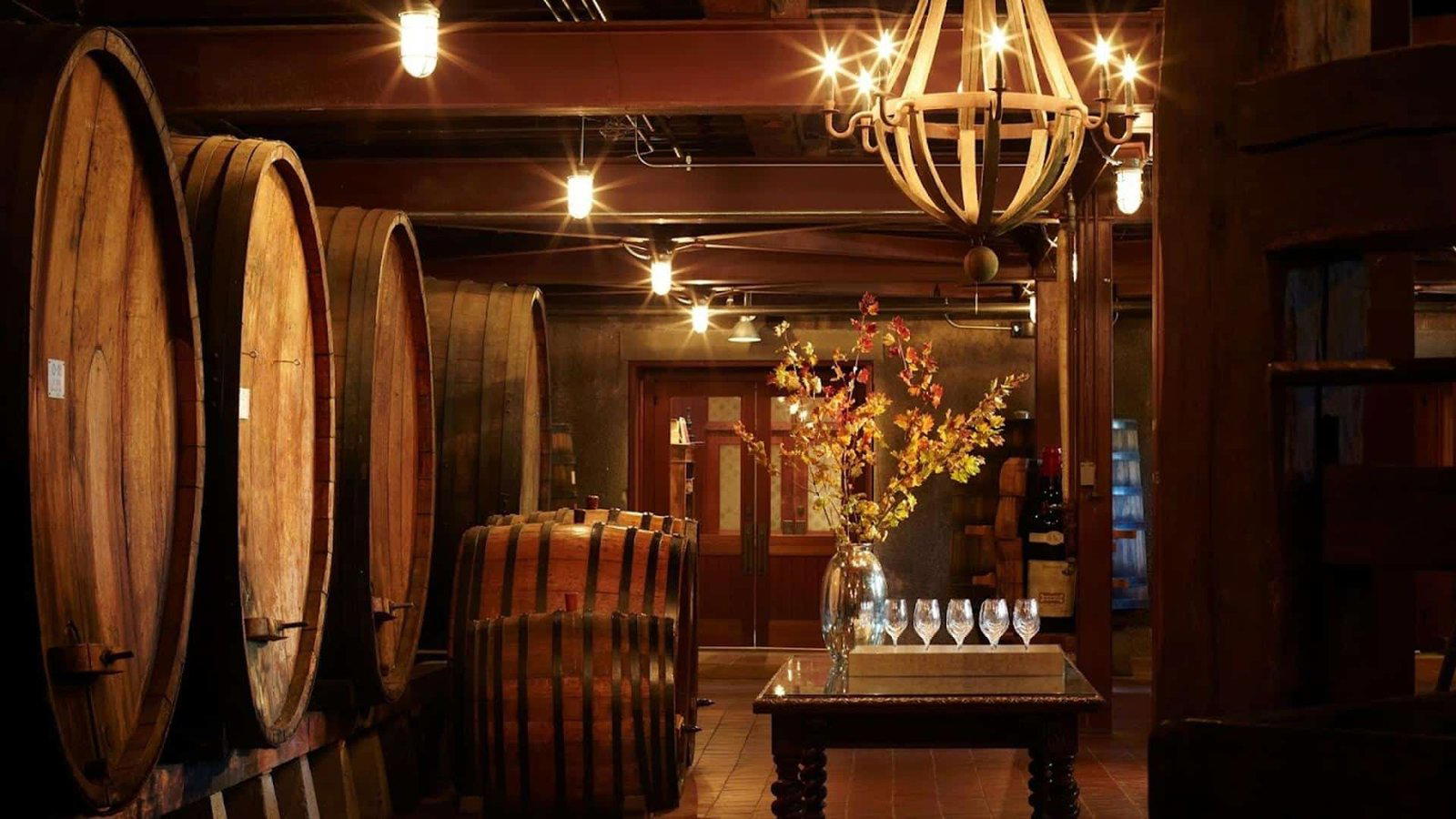
Historic estate with traditional winemaking methods, natural light through stone cellars, intimate tasting rooms overlooking vineyards.
Tags
Vibe
Best For
Experience
Sourcing
View
At the Vineyard
- Appellation
- AOP Côtes de Provence
- Varietals
- Grenache Noir, Syrah, Cinsault, Carignan, Mourvèdre
- Tour Duration
- 90-120 minutes
- Tour Languages
- French, English
- Visits
- By appointment only
- Farming
- Organic
- Wine Styles
- Still Red, Still White, Still Rose
- Wine Club
- Not available
Know before you go
Know Before You Go
- Getting there
- 2897 Route de Flayosc, 83460 Taradeau
Planning details
Location
Recognition and awards
Also consider
Where to look if this does not work
If Château de Roquefort is too difficult to schedule, check Domaine Ott for a more recognized Provence estate option, or Château de Rayne-Vigneau if the plan needs to stay close to Taradeau.
Winery context
How it compares in and around Taradeau
Choose Château de Roquefort if historical depth is the deciding factor: the 1827 first vintage gives it a stronger heritage signal than a basic tasting-room stop. Domaine Ott is the cleaner cross-shop for travelers who want a more name-recognized Provence estate, while Château de Rayne-Vigneau is the more useful comparison if the priority is keeping the day centered on Taradeau.
For travelers who need easier planning, Château Roubine and Château Sainte-Roseline are better backup names to check because they sit in the wider regional winery circuit rather than relying on a single Taradeau stop. Château de Saint-Martin is another sensible alternate when availability drives the decision more than exact location.
On value for money, Château de Roquefort is harder to judge before booking because published pricing is not part of the listing. The practical recommendation: try it first if estate lineage is the point of the day; cross-shop Domaine Ott for broader Provence recognition, Château de Rayne-Vigneau for a Taradeau-focused route, and Château Sainte-Roseline or Château Roubine if booking certainty matters more than being in Taradeau itself.
Explore Taradeau
Around this place
Discover more on Pearl
Unlock the full Château de Roquefort guide in Pearl, including awards, comparisons, FAQs, planning details, and nearby places.
Compare Château de Roquefort
| Venue | Location | Awards |
|---|---|---|
| Château de Roquefort | Taradeau | 2025 Pearl 2 Star Prestige |
| Domaine Ott | Taradeau | 2025 Pearl 3 Star Prestige |
| Château de Saint-Martin | La Motte | 2025 Pearl 2 Star Prestige |
| Château de Rayne-Vigneau | Taradeau | 2025 Pearl 4 Star Prestige |
| Château Roubine | Lorgues | 2025 Pearl 4 Star Prestige |
| Château Sainte-Roseline | Les Arcs | 2025 Pearl 4 Star Prestige |
How Château de Roquefort Taradeau compares with similar nearby venues.
FAQ
Frequently Asked Questions
Is there information about a club or membership at Château de Roquefort?
There is no information about a club or membership at Château de Roquefort. Details include its Taradeau location, Raimond de Villeneuve as chef/owner, smart casual dress code, and Pearl 2 Star Prestige recognition for 2025. Confirm any club, membership, or purchasing details directly with the venue before planning around them. Château Roubine can be considered as another point of comparison.
Can Château de Roquefort handle large groups?
Group capacity is not available. If you are organizing a larger party, contact Château de Roquefort directly before making plans. Château Sainte-Roseline is another premium venue to compare when planning a broader outing.
How long should I plan for a visit to Château de Roquefort?
There is no visit length, service duration, or public schedule available. Plan only after confirming timing directly with Château de Roquefort. If you are comparing options, Château de Saint-Martin is another venue to consider.
Do I need a reservation at Château de Roquefort?
Reservation requirements are not available. Because details are limited, the safest approach is to contact Château de Roquefort directly before visiting. Domaine Ott is another option to compare while planning.
Is delivery or shipping available for Château de Roquefort?
Delivery or shipping availability is not available. Do not plan a purchase around delivery unless Château de Roquefort confirms it directly. Information includes Taradeau, Raimond de Villeneuve as chef/owner, smart casual dress code, and Pearl 2 Star Prestige recognition for 2025. Château de Rayne-Vigneau is another premium venue to compare for planning purposes.