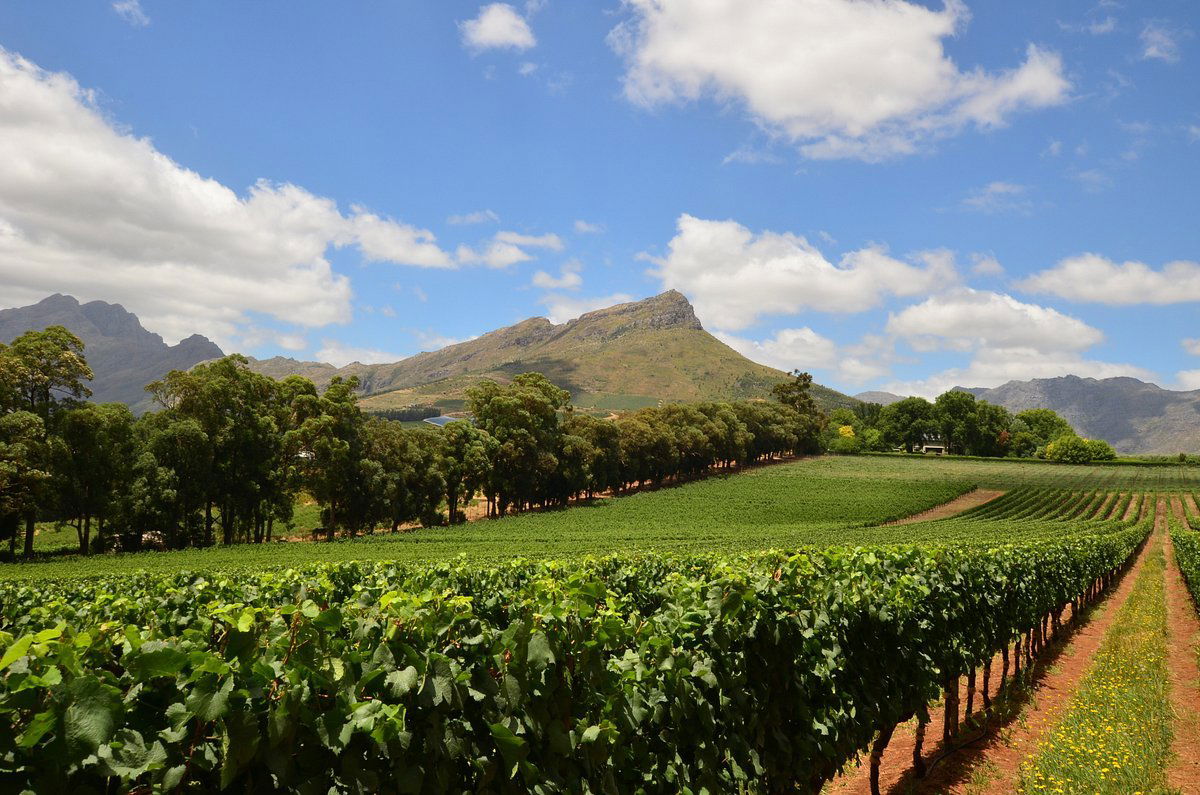

Thelema Mountain Vineyards
Simonsberg, Stellenbosch
Winery in Stellenbosch, South Africa
 Book with Pearl
The Read
Helshoogte Altitude Viticulture
Why go
Thelema Mountain Vineyards is a strong Stellenbosch pick for visitors who want a wine-led Helshoogte stop rather than a resort-style estate day. The value case is clearest for focused tastings and serious comparison, especially if the itinerary also includes Tokara Winery, Delaire Graff Estate, Rustenberg Wines, Oldenburg Vineyards, or Lanzerac Wine Estate.
About Thelema Mountain Vineyards
Scarcity matters in Stellenbosch: the venues worth building a day around tend to reward planning, and a strong shortlist helps avoid turning a visit into a compromise. Thelema Mountain Vineyards is a direct choice for visitors who want a focused Stellenbosch stop with Pearl 2 Star Prestige (2025) recognition.
The useful part of the decision is clarity. Plan around the essentials rather than assuming a broader hospitality offering. Thelema Mountain Vineyards is best considered as part of a Stellenbosch itinerary, with smart casual dress as the dress code and Pearl 2 Star Prestige (2025) as the clearest quality signal.
Book this for a focused Stellenbosch stop, not an over-specified estate plan
The value case is strongest when the visit is treated as a focused stop within a wider Stellenbosch day. Do not choose it based on assumptions about restaurants, spa facilities, service formats, specific products, prices, or a broad hospitality campus. Choose it if the priority is adding a Pearl-recognised Stellenbosch venue to the schedule. The Pearl 2 Star Prestige (2025) signal gives it a clear reason to be on a shortlist, but the smarter read is practical: this is where a visitor should plan carefully and confirm current details directly before going.
For a wider Stellenbosch day, pair it with other relevant stops rather than overloading one venue. Use Our full Stellenbosch wineries guide to build the route, then compare broader food, hotel, bar, and activity options through Our full Stellenbosch restaurants guide, Our full Stellenbosch hotels guide, Our full Stellenbosch bars guide, and Our full Stellenbosch experiences guide.
How to build the day around quality rather than assumptions
If the aim is to compare several Stellenbosch stops, keep the route simple and use comparison names such as Delaire Graff Estate, Lanzerac Wine Estate, Oldenburg Vineyards, Rustenberg Wines, and Tokara Winery. These are useful reference points for a broader Stellenbosch itinerary without relying on assumptions about Thelema Mountain Vineyards.
For the most accurate visit plan, confirm current opening arrangements, booking requirements, available experiences, and any food or hospitality details directly with Thelema Mountain Vineyards before setting the schedule. The information supports a smart, focused Stellenbosch stop; anything more specific should be checked with the venue rather than assumed.
Quick reference: plan ahead, dress smart casual, and use the Pearl 2 Star Prestige (2025) recognition as the key reason to include Thelema Mountain Vineyards in a Stellenbosch itinerary.
Planning details
- Location
- R310 Helshoogte Rd, Stellenbosch, 7600
- Website
- thelema.co.za
- Phone
- +27 21 885 1924
The take
The Take
The Vibe
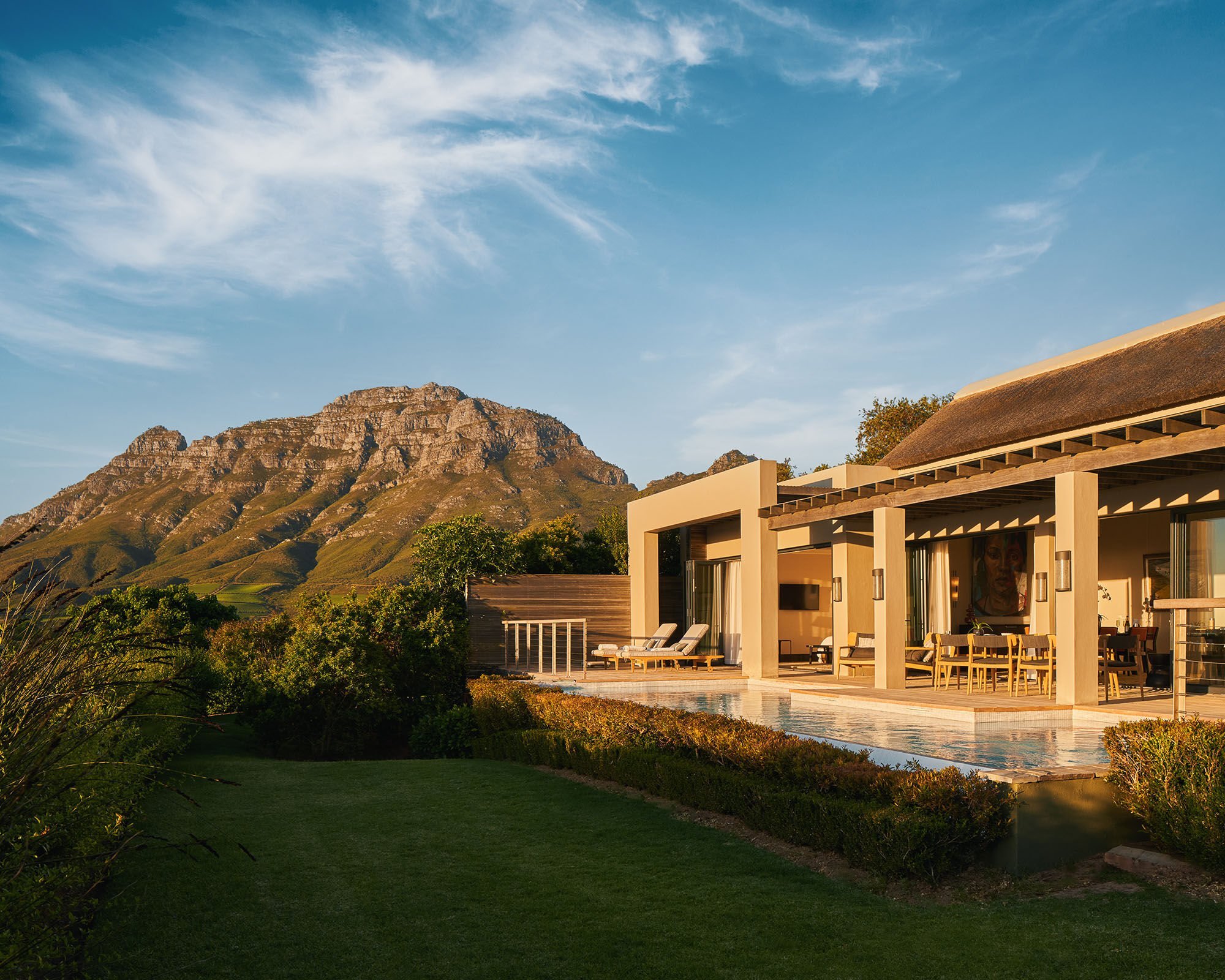
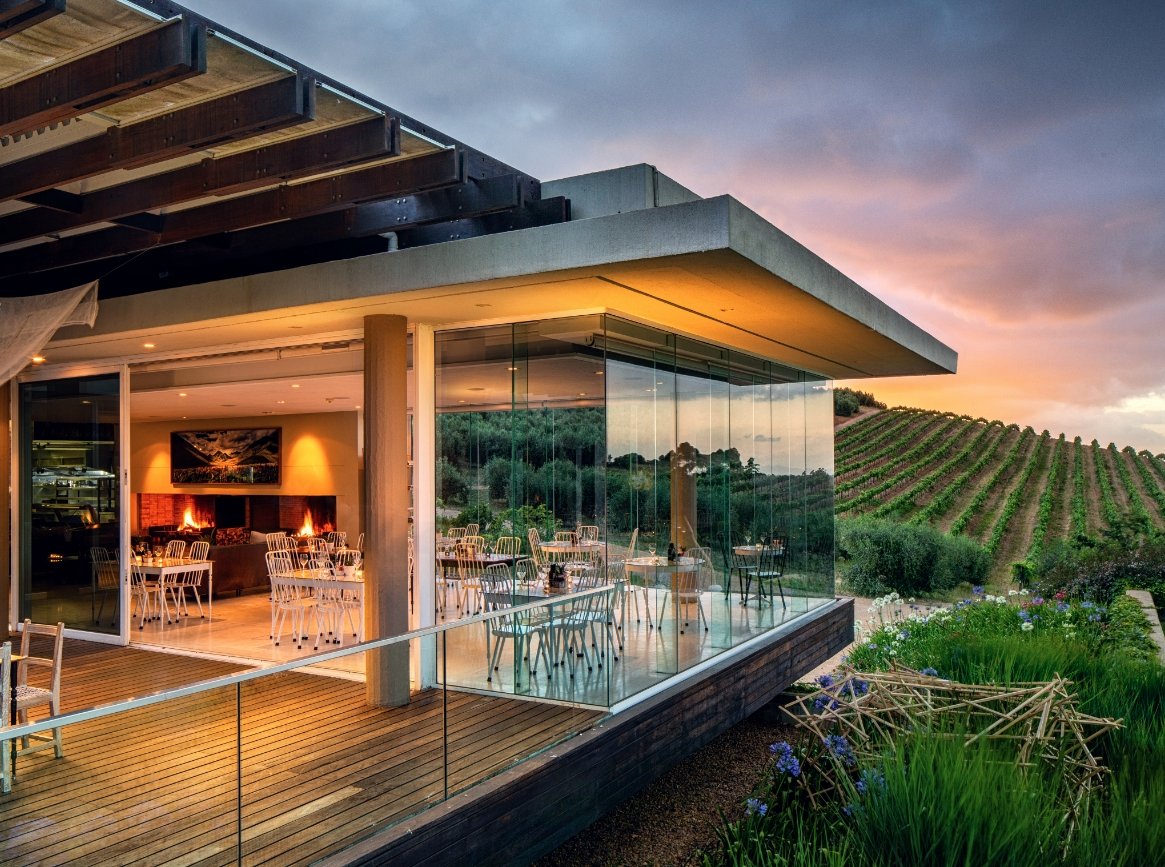
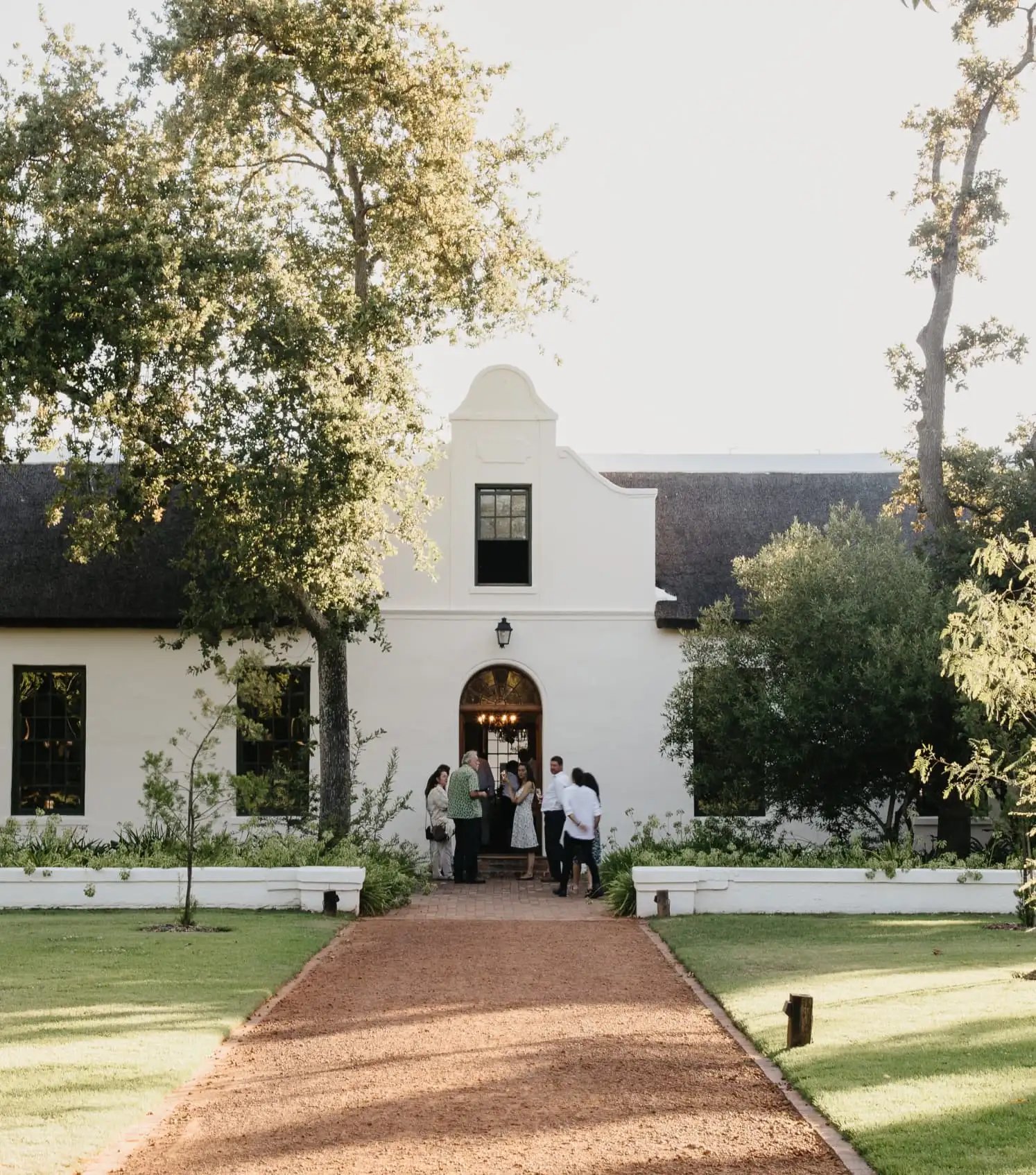
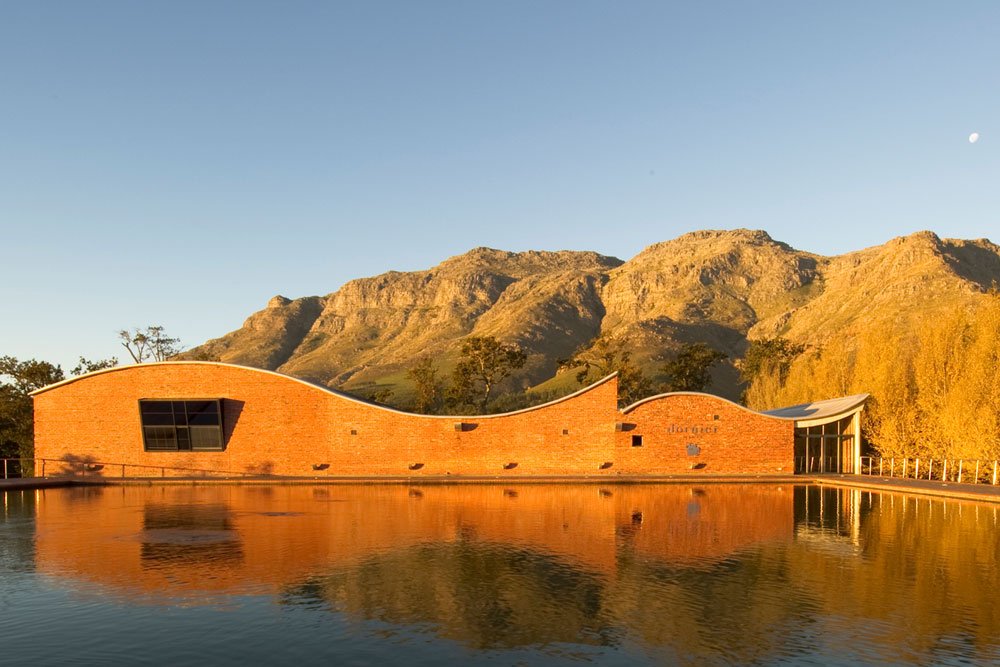
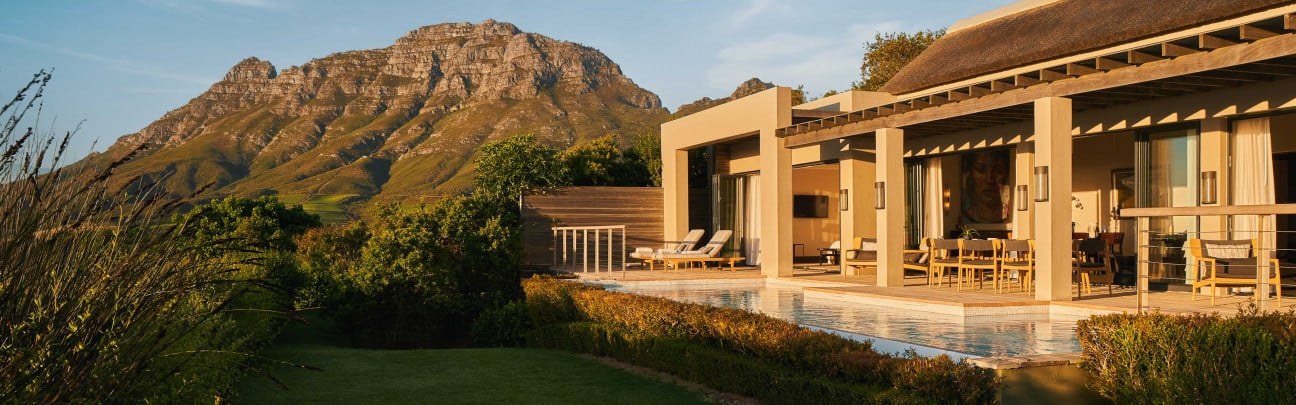
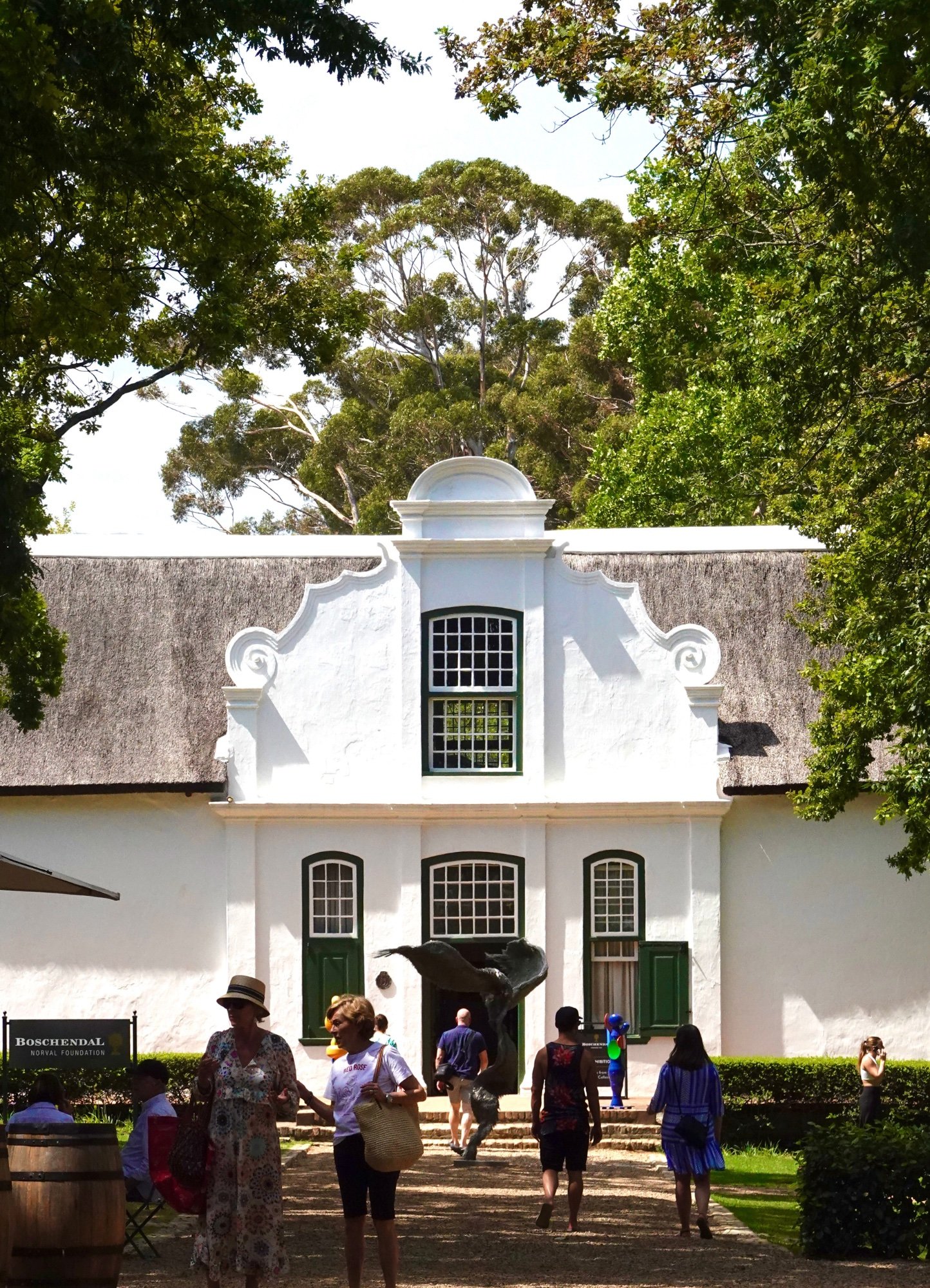
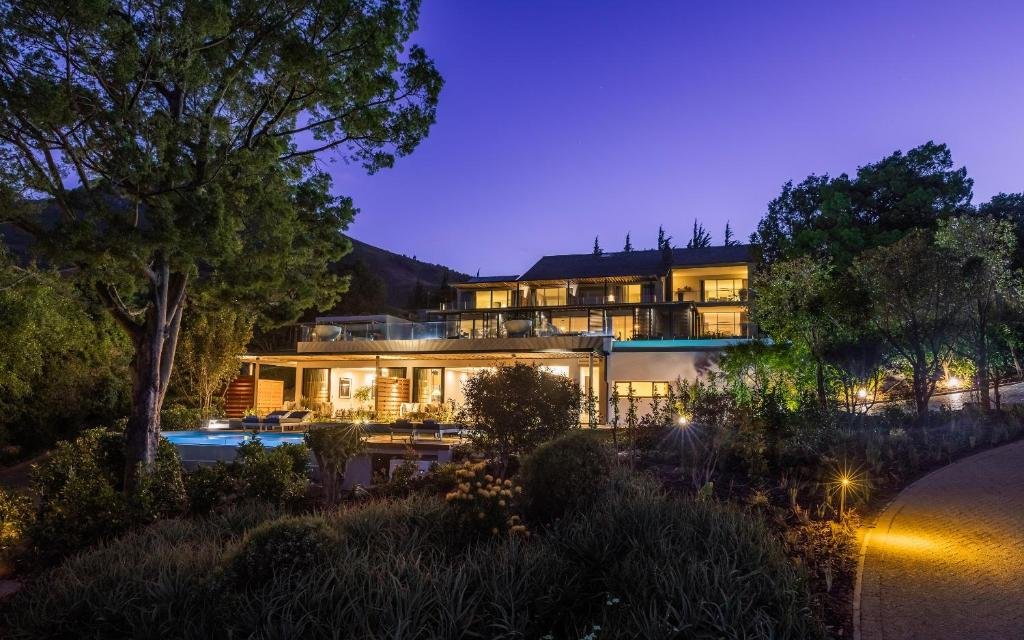
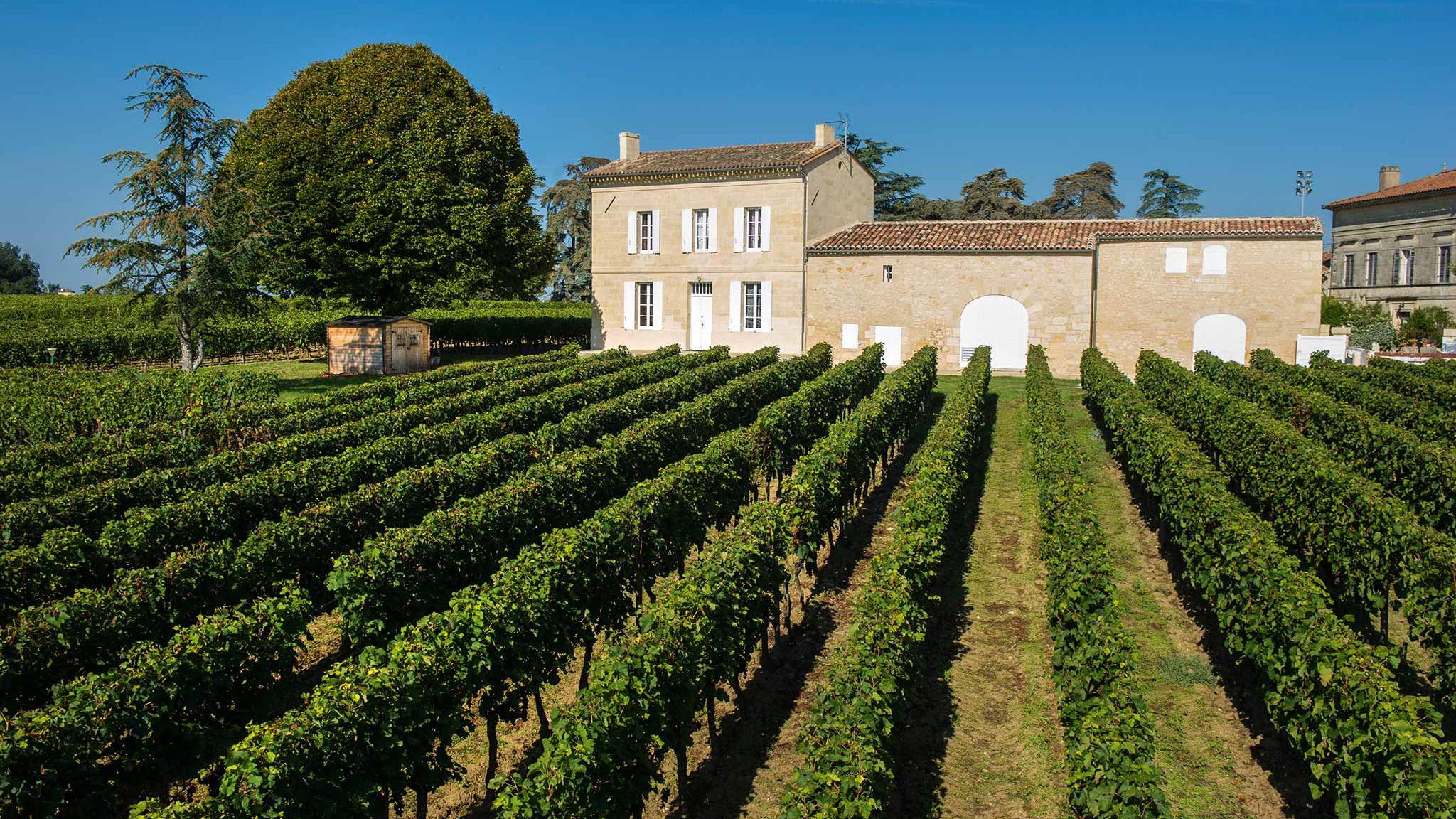
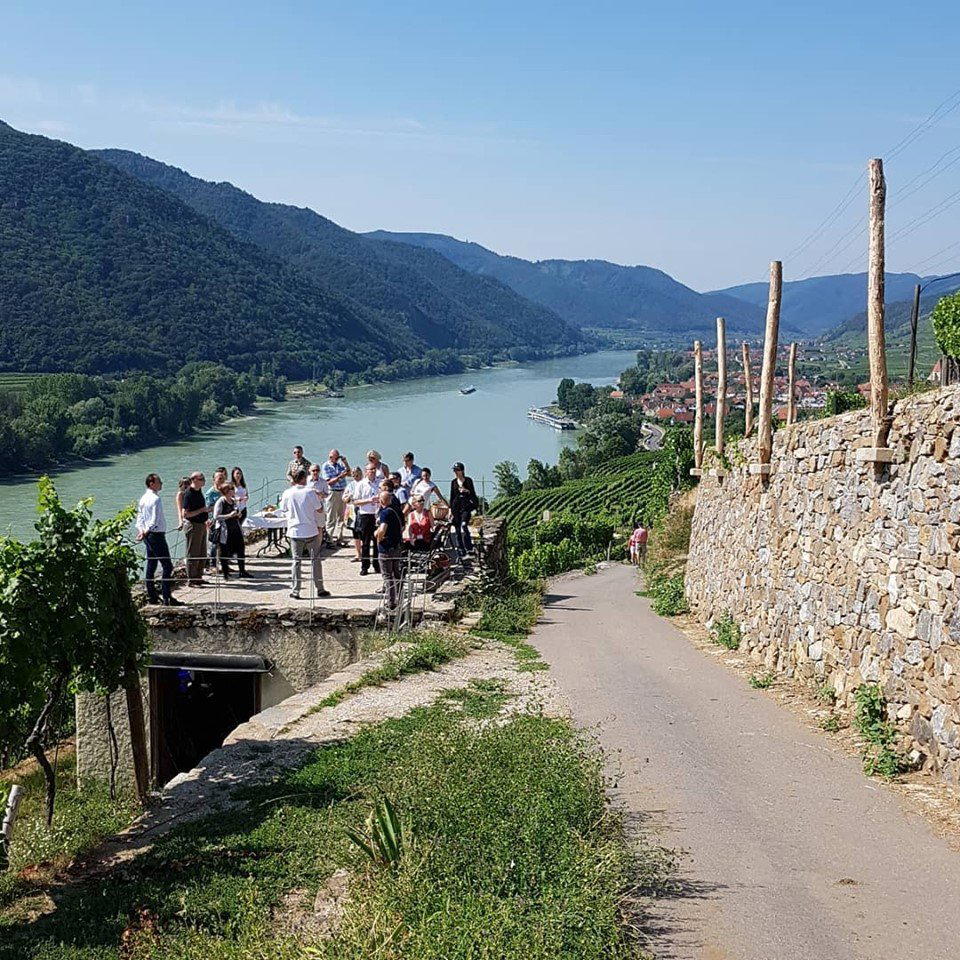
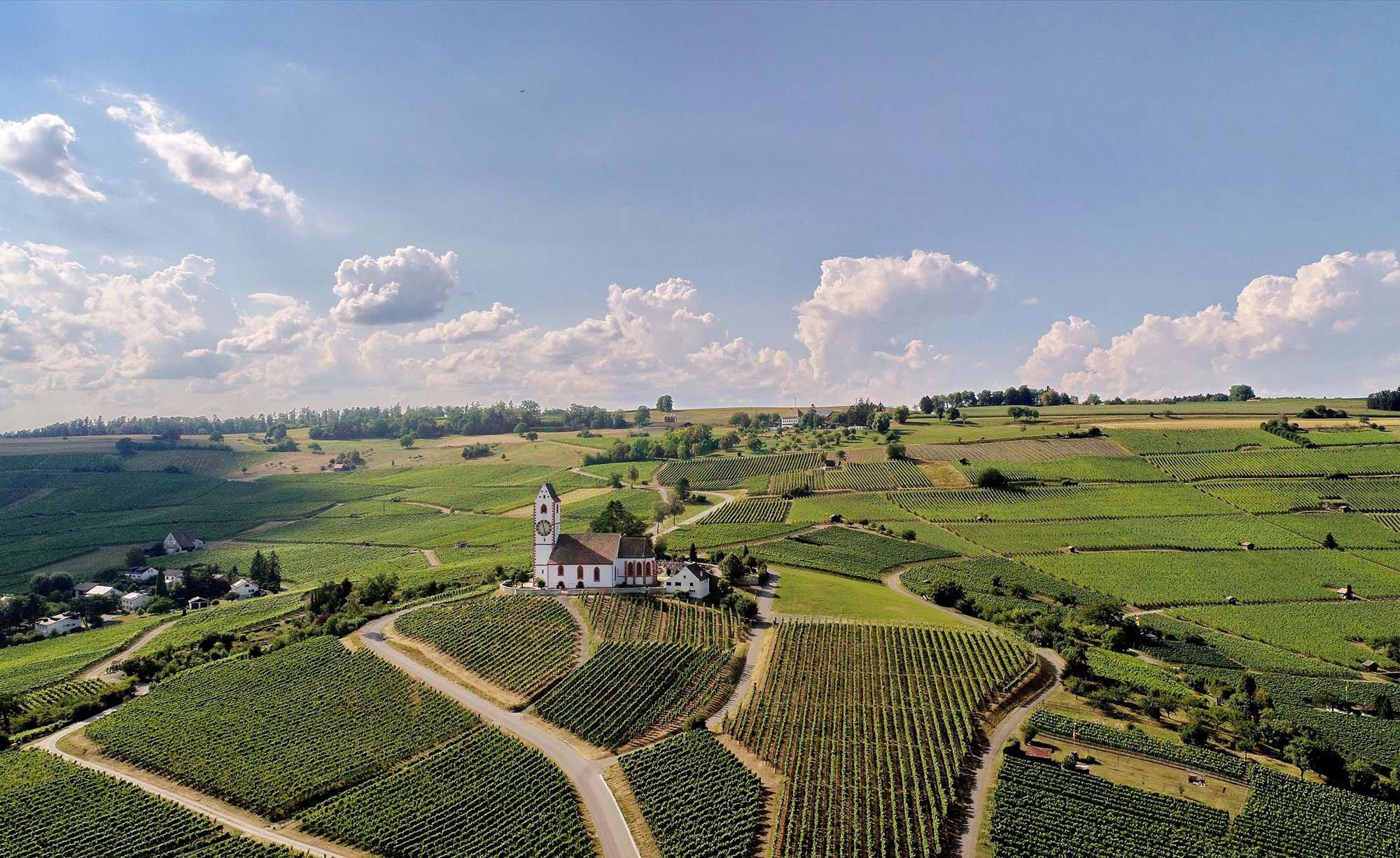
Thelema Mountain Vineyards sits high on the Helshoogte Pass, and the narrative of elevation and terroir shapes the visitor experience. The drive up through thickening fynbos signals a change in temperature and exposure; vineyards on the upper slopes read as purposeful, not merely picturesque. The estate projects a composed, estate-like calm where viticulture is the point: growers use altitude and aspect to coax longer hang-times and greater natural acidity. The overall tone feels measured and refined, a contemplative mountain setting for tasting wines that reflect place and careful, long-term farming.
Best For
This is a property to visit when you want to learn why altitude matters or mark a milestone with something regionally distinctive. The copy frames Thelema as part of Stellenbosch’s upper tier, making it suitable for focused wine-education visits that dig into site and vintage differences, and for special-occasion visits when quality and provenance are priorities. Comparisons to high-profile peers underline its appeal to visitors who expect a thoughtfully produced set of wines and a setting that underscores the mountain provenance of those bottles.
Tasting Tips
Ask about the estate’s mountain-grown bottlings and the 2025 Pearl — the property’s recent Pearl 2 Star Prestige recognition is called out in the text. When tasting, prioritize wines that demonstrate the cooler-season acidity and structural tension the copy highlights; those characteristics are the estate’s signature. In conversation with the host, focus on how elevation and aspect shaped the vintage and which parcels yielded the most tension and freshness. Those questions point you toward bottles that best illustrate Thelema’s mountain-focused viticultural case.
Venue details
Ambiance
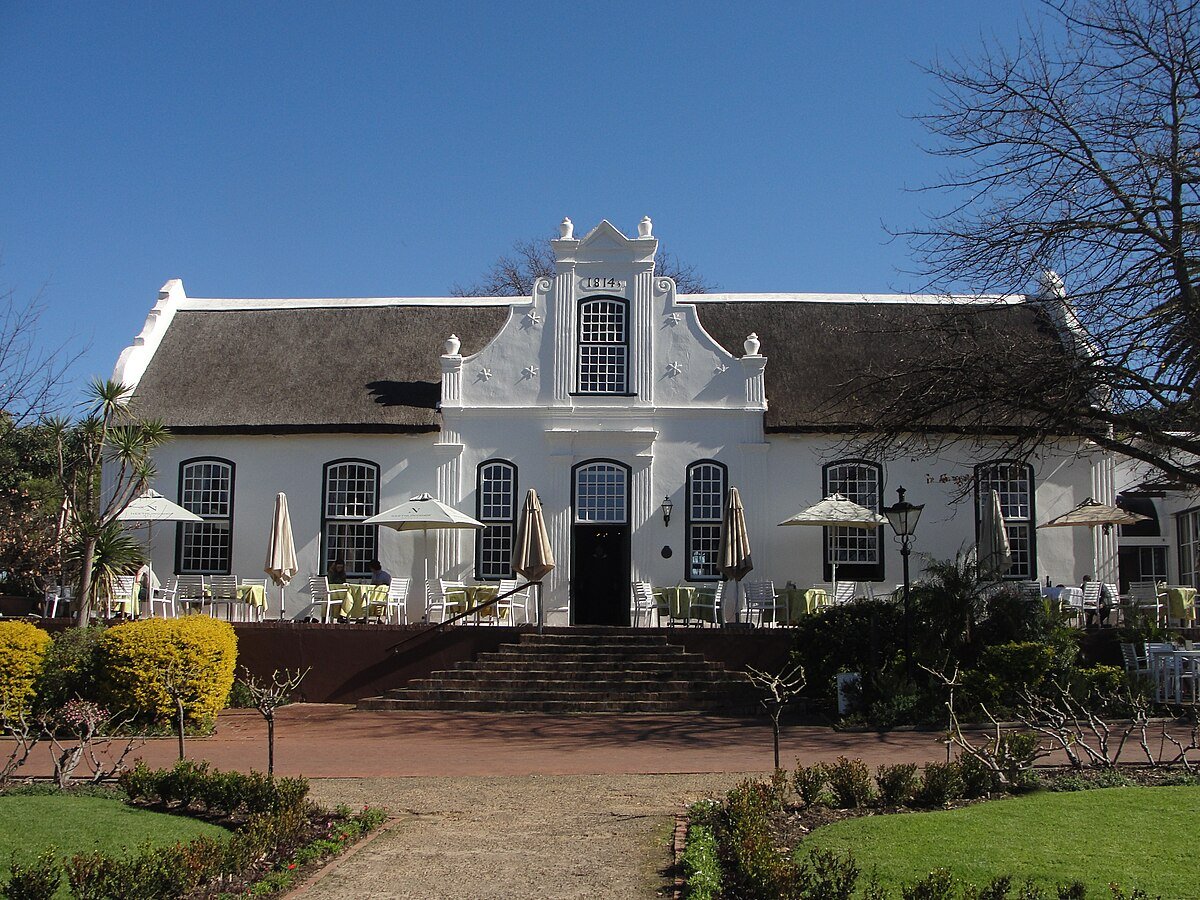
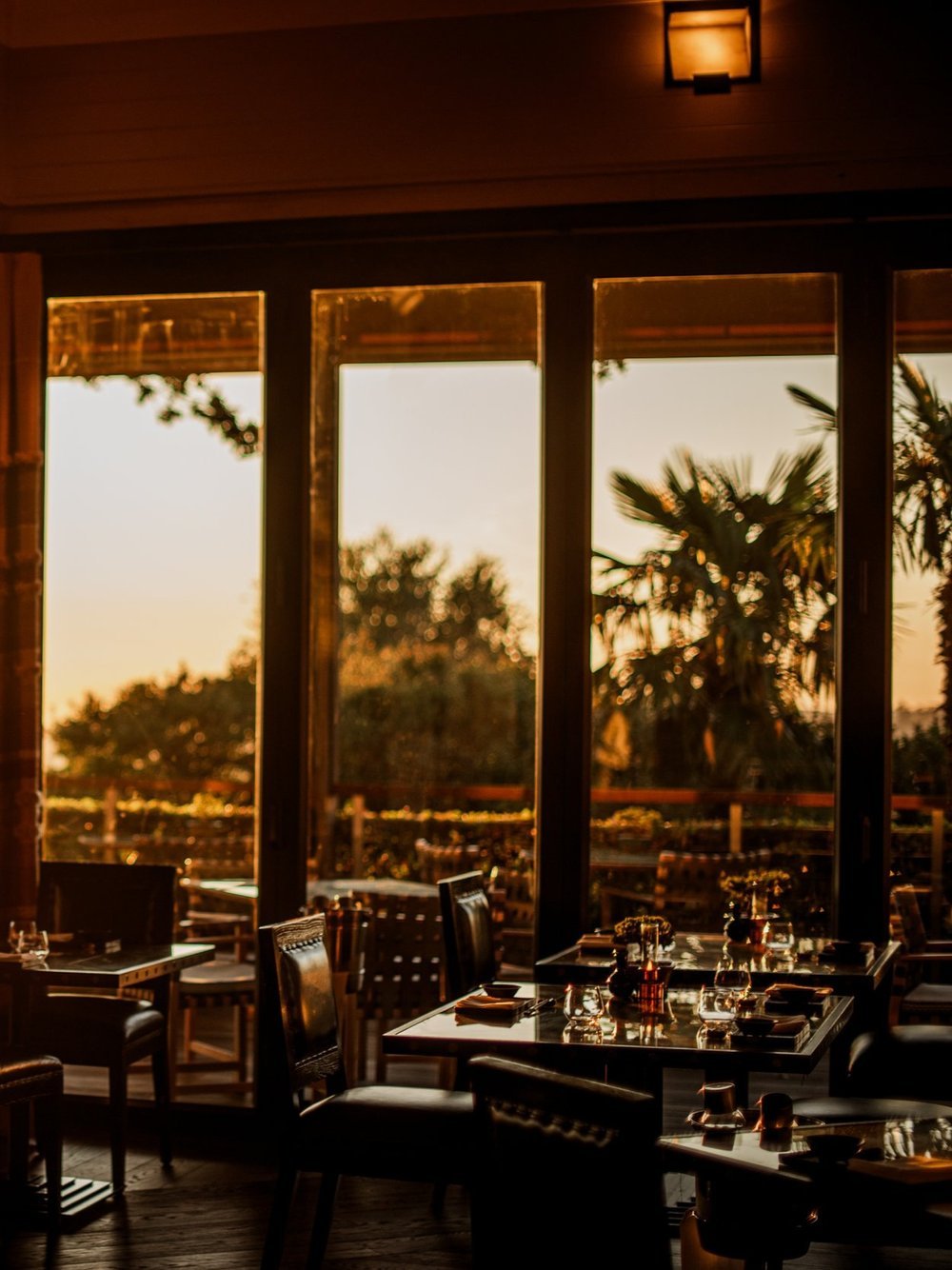
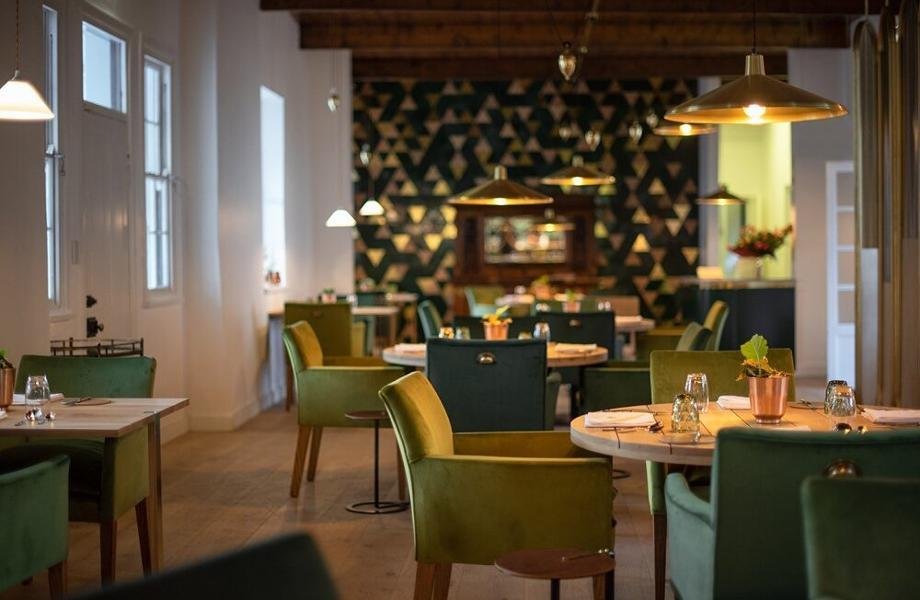
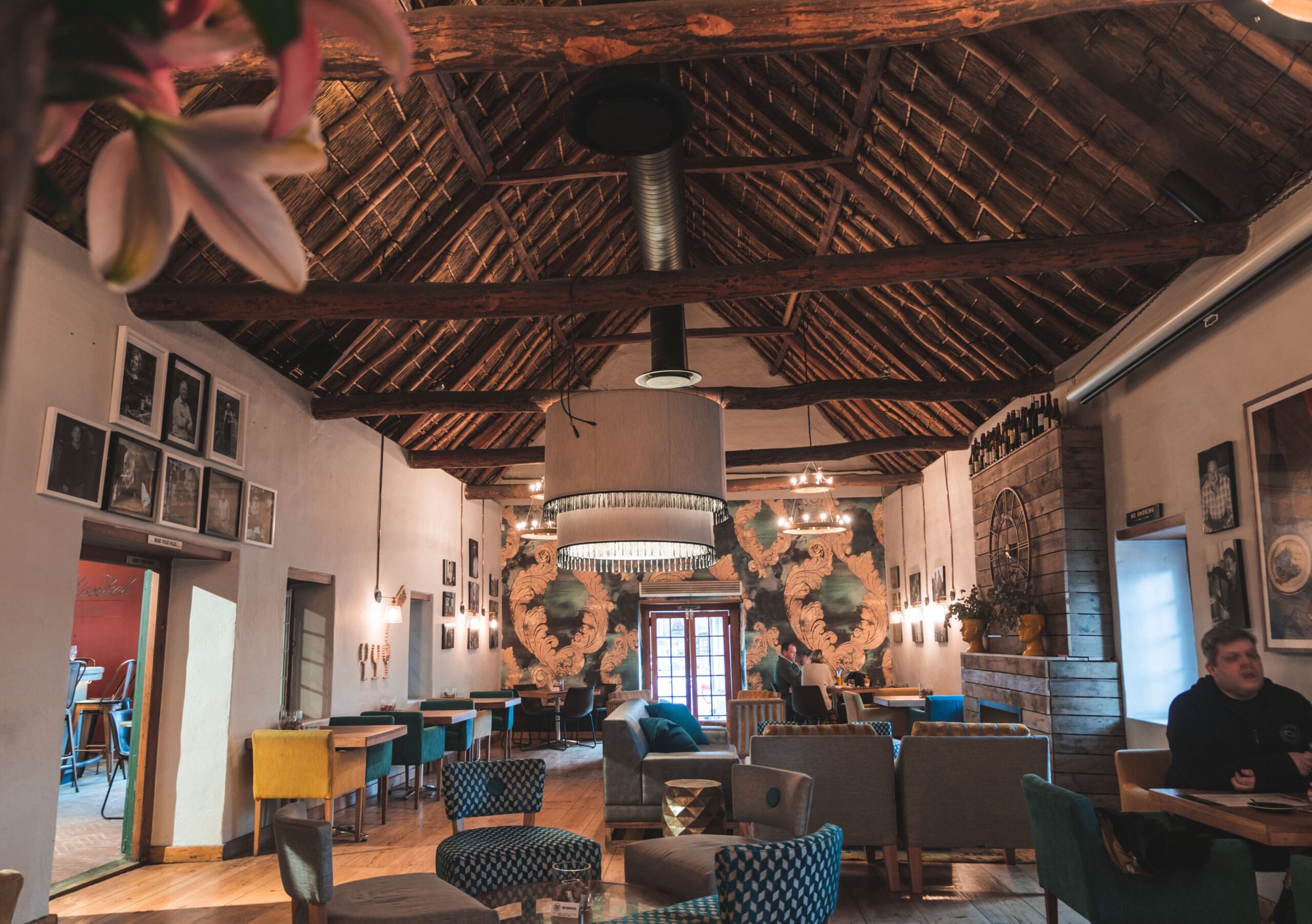
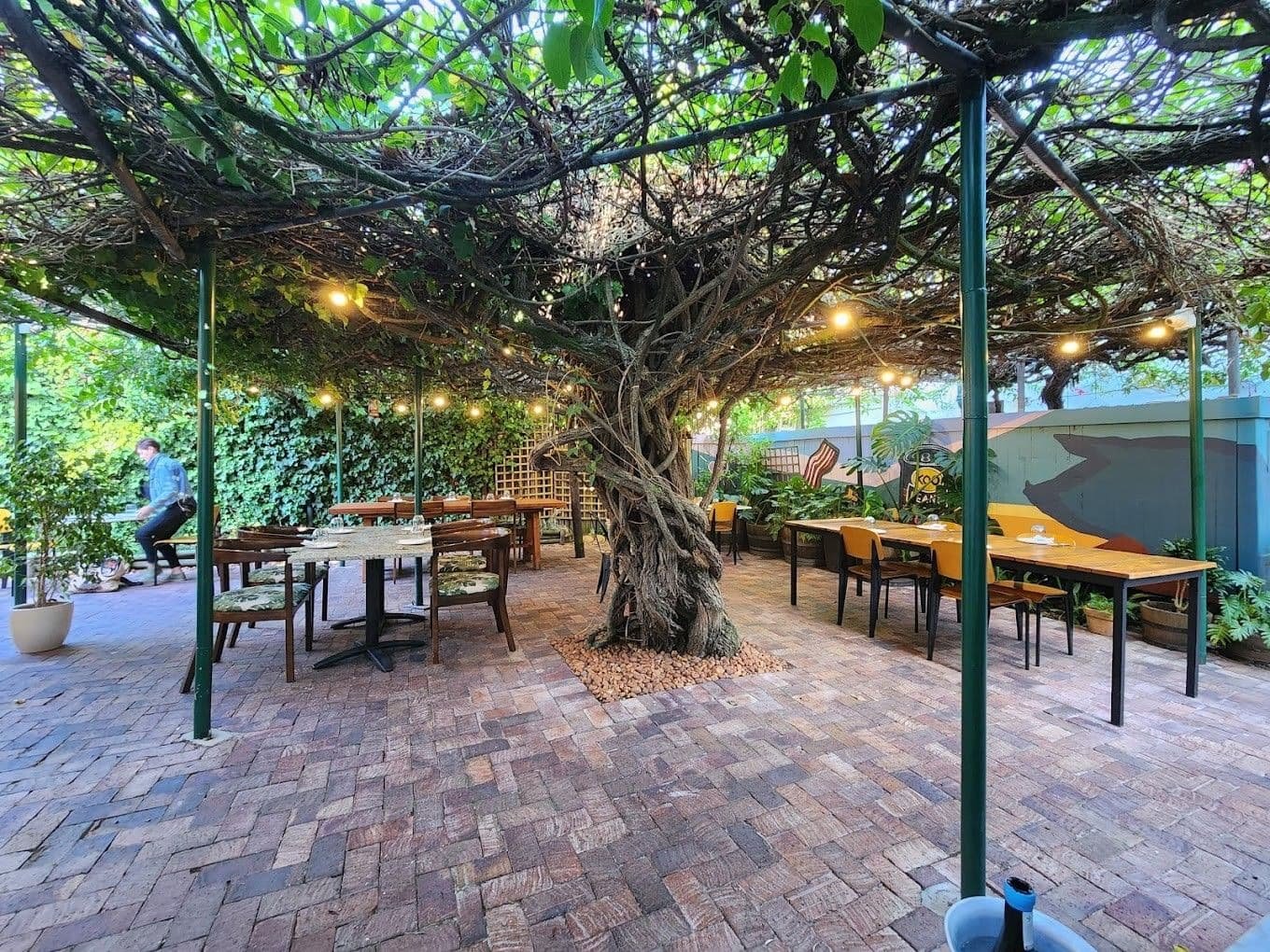
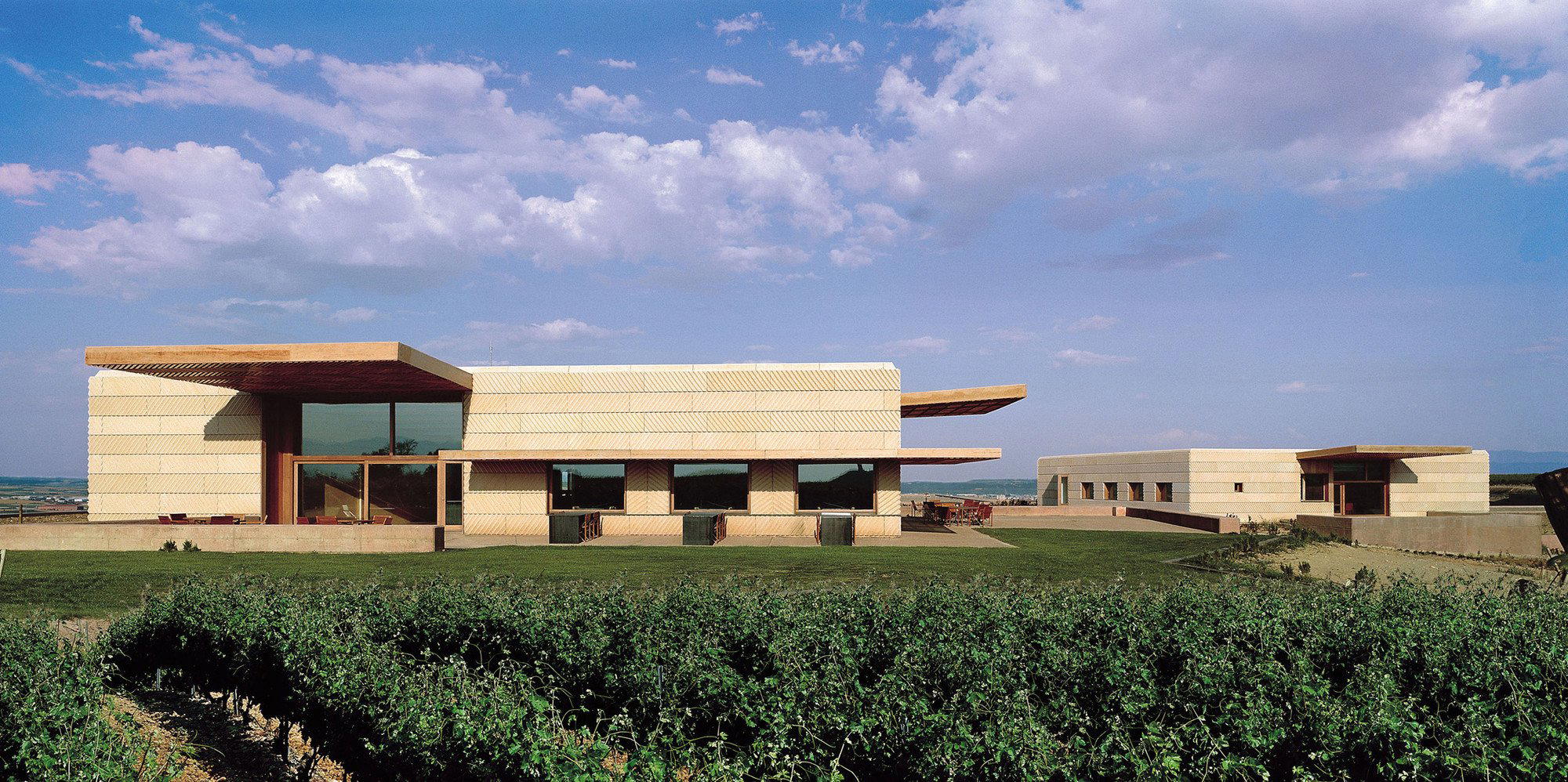
Classy, elegant atmosphere with rich tradition, offering panoramic mountain views and a sense of refined precision from cool-climate estate.
Tags
Vibe
Best For
Experience
View
At the Vineyard
- Appellation
- Stellenbosch
- Varietals
- Cabernet Sauvignon, Merlot, Chardonnay, Sauvignon Blanc, Shiraz
- Tour Duration
- 60-90 minutes
- Wine Club
- Not available
Know before you go
Know Before You Go
- Getting there
- R310 Helshoogte Rd, Stellenbosch, 7600
Planning details
Location
Recognition and awards

Also consider
Also Consider
- Tokara Winery, Notable alternative
- Delaire Graff Estate, Notable alternative
- Rustenberg Wines, Notable alternative
- Oldenburg Vineyards, Notable alternative
- Lanzerac Wine Estate, Notable alternative
Winery context
How it compares in Stellenbosch
Choose Thelema Mountain Vineyards when the priority is value-to-quality and a focused wine visit. Tokara Winery and Delaire Graff Estate are better fits for visitors who want a more produced estate experience, with stronger emphasis on setting, dining, and a longer on-site stay. Thelema is the cleaner choice for a tasting-led route where the wine, not the campus, drives the decision.
Rustenberg Wines and Oldenburg Vineyards make sense for drinkers who want another serious Stellenbosch comparison without leaning into a high-gloss hospitality format. If booking difficulty is the concern, plan earlier for Thelema and keep one of these as a backup rather than assuming a same-day slot will work.
Lanzerac Wine Estate is the better cross-shop for visitors who want heritage-hotel energy and a fuller estate day. Thelema is the sharper call for explorers who prefer a quieter, wine-first stop and want their time and spend concentrated on tasting rather than add-on amenities.
Around this place
Discover more on Pearl
Unlock the full Thelema Mountain Vineyards guide in Pearl, including awards, comparisons, FAQs, planning details, and nearby places.
Compare Thelema Mountain Vineyards
| Venue | Location | Awards |
|---|---|---|
| Thelema Mountain Vineyards | Stellenbosch | 2026 Falstaff Winery Guide |
| Tokara Winery | Stellenbosch | 2026 Falstaff Winery Guide2025 World's 50 Best Vineyards · #712022 World's 50 Best Vineyards · #47 |
| Delaire Graff Estate | Stellenbosch | Star Wine Lists 20262025 World's 50 Best Vineyards · #792023 World's 50 Best Vineyards · #362021 World's 50 Best Vineyards · #302020 World's 50 Best Vineyards · #142019 World's 50 Best Vineyards · #39 |
| Rustenberg Wines | Stellenbosch | No published awards |
| Oldenburg Vineyards | Stellenbosch | No published awards |
| Lanzerac Wine Estate | Stellenbosch | Star Wine Lists 2026 |


How Thelema Mountain Vineyards compares with similar nearby venues.
FAQ
Frequently Asked Questions
What other venues can I compare with Thelema Mountain Vineyards?
For a broader Stellenbosch route, consider comparison venues such as Tokara Winery, Delaire Graff Estate, Oldenburg Vineyards, Rustenberg Wines, and Lanzerac Wine Estate.
Do I need a reservation at Thelema Mountain Vineyards?
Is there a membership programme at Thelema Mountain Vineyards?
Contact Thelema Mountain Vineyards directly before deciding, and use the Pearl 2 Star Prestige (2025) recognition as a general quality signal rather than as proof of any specific membership benefit.
Does Thelema Mountain Vineyards serve food?
Do not build a meal plan around Thelema Mountain Vineyards without confirming current arrangements directly with the venue.
How long should I plan for a visit to Thelema Mountain Vineyards?
Treat Thelema Mountain Vineyards as a Stellenbosch stop to confirm in advance, then plan the rest of the day around the venue's current guidance.