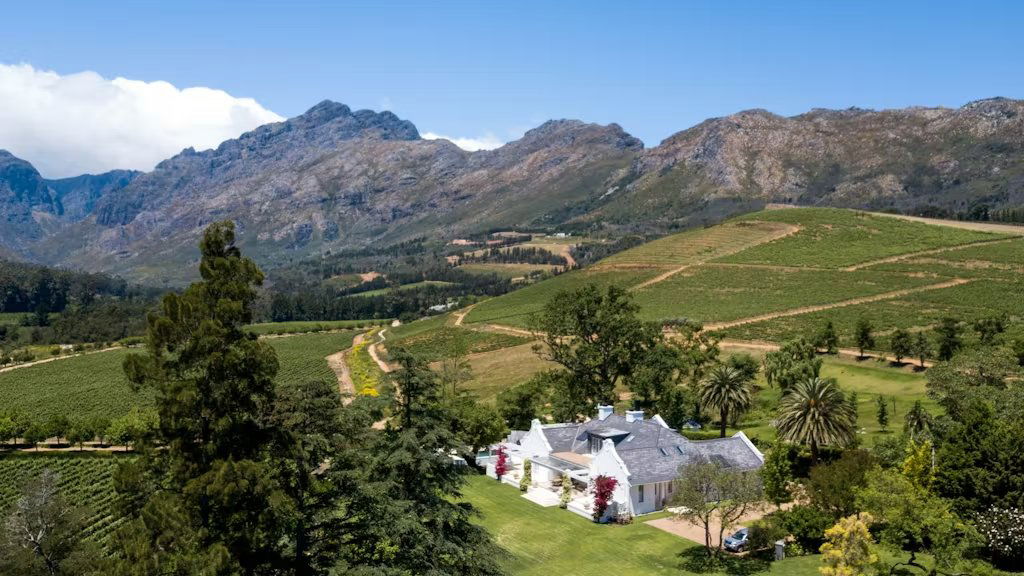
Oldenburg Vineyards
Banghoek Valley, Stellenbosch
Winery in Stellenbosch, South Africa
 Book with Pearl
The Read
Banghoek Terroir Wines
Price
$10–20tasting
Why go
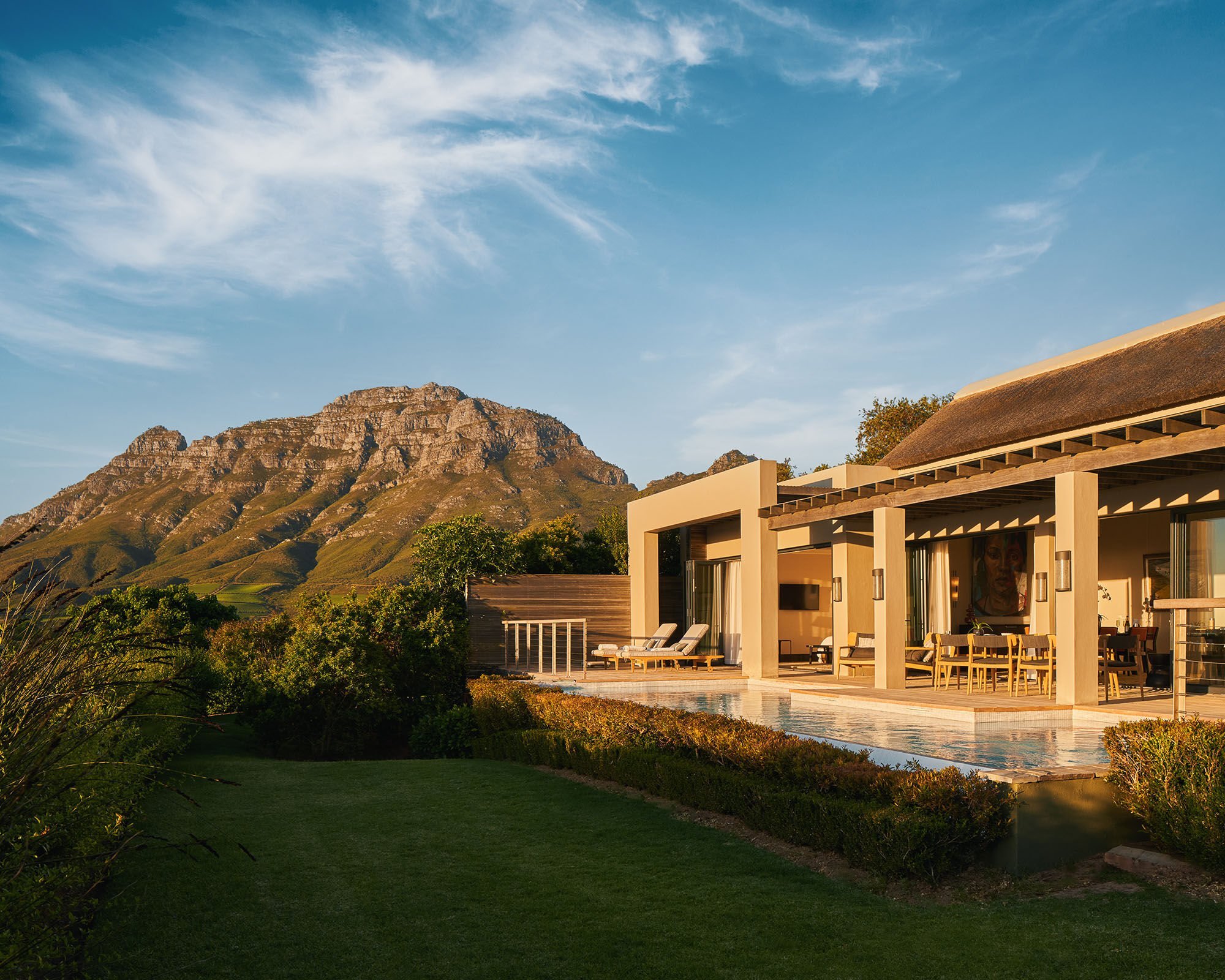
Oldenburg Vineyards is a good fit if the Banghoek Valley setting matters as much as the tasting itself. Treat it as a slower Stellenbosch stop rather than a quick checklist visit, especially if you want mountain context and a more estate-led route.
About Oldenburg Vineyards
Oldenburg Vineyards is a venue in Stellenbosch. Before building an itinerary around it, confirm practical details such as address, neighbourhood, tasting format, food service, opening hours, pricing, visitor terms, and group capacity directly.
Choose it as a Stellenbosch stop, with details confirmed directly
If you are considering Oldenburg Vineyards, treat it as one possible stop within a Stellenbosch day and check the current visit experience before you go. Confirm reservations, meals, walk-ins, tour structure, and timing directly. For broader planning, use Our full Stellenbosch restaurants guide, Our full Stellenbosch hotels guide, and Our full Stellenbosch bars guide to round out the day.
For comparison within the wider Stellenbosch venue context, you may also look at Delaire Graff Estate, Lanzerac Wine Estate, Rustenberg Wines, Thelema Mountain Vineyards, and Tokara Winery. Use those names as reference points for planning rather than assuming Oldenburg Vineyards offers the same services, setting, or visitor format.
How to cross-shop the wider Stellenbosch area
If your goal is to compare several venues, keep the comparison broad and fact-based. Oldenburg Vineyards can be considered alongside other Stellenbosch options such as Delaire Graff Estate, Lanzerac Wine Estate, Rustenberg Wines, Thelema Mountain Vineyards, and Tokara Winery, but confirm each venue's current hours, booking requirements, food availability, visit options, and transport fit directly before finalising your route.
Planning details
- Location
- Oldenburg Vineyards, Banghoek Rd, Stellenbosch, 7601
- Website
- oldenburgvineyards.com
- Phone
- +27 21 885 1618
The take
The Take
The Vibe
Oldenburg Vineyards presents a quietly focused, scenic tasting experience rooted in mountain terroir. The approach along Banghoek Road makes the geography impossible to miss: rising altitude, narrowing valley walls and earlier afternoon shade set a cooler-climate frame. The tone is restrained rather than theatrical — this is a site‑specific estate that prioritizes precision, minerality and structural wines born of granite and shale soils. Visits feel more contemplative than buzzy, and the overall impression is of a thoughtful, low-volume producer where landscape and geology shape both the mood and the wines.
Best For
This estate is best for visitors who prize terroir-driven wines and a quieter tasting environment. Wine lovers seeking cool-climate expressions of Cabernet and Syrah — wines that emphasize acidity, minerality and ageability — will get the most from a visit. The property suits people who want to learn about how elevation, aspect and soil influence ripening, and who prefer focused, educational tastings over high-volume showrooms. It’s a good choice for collectors, serious tasters and anyone interested in vineyards that reward slow appreciation.
Tasting Tips
Approach tastings here with a terroir-first mindset: ask to taste the estate’s site-focused bottlings and any barrel or library samples that illustrate structure and aging potential. Prioritize Cabernet and Syrah expressions mentioned in the write-up to experience the cooler-climate spice and preserved acidity the valley produces. When you taste, prompt staff about elevation, aspect and soil (granite and shale are highlighted) so you can connect flavor and texture to place. Plan to spend time on the estate grounds to understand the landscape that shapes the wines.
Venue details
Ambiance
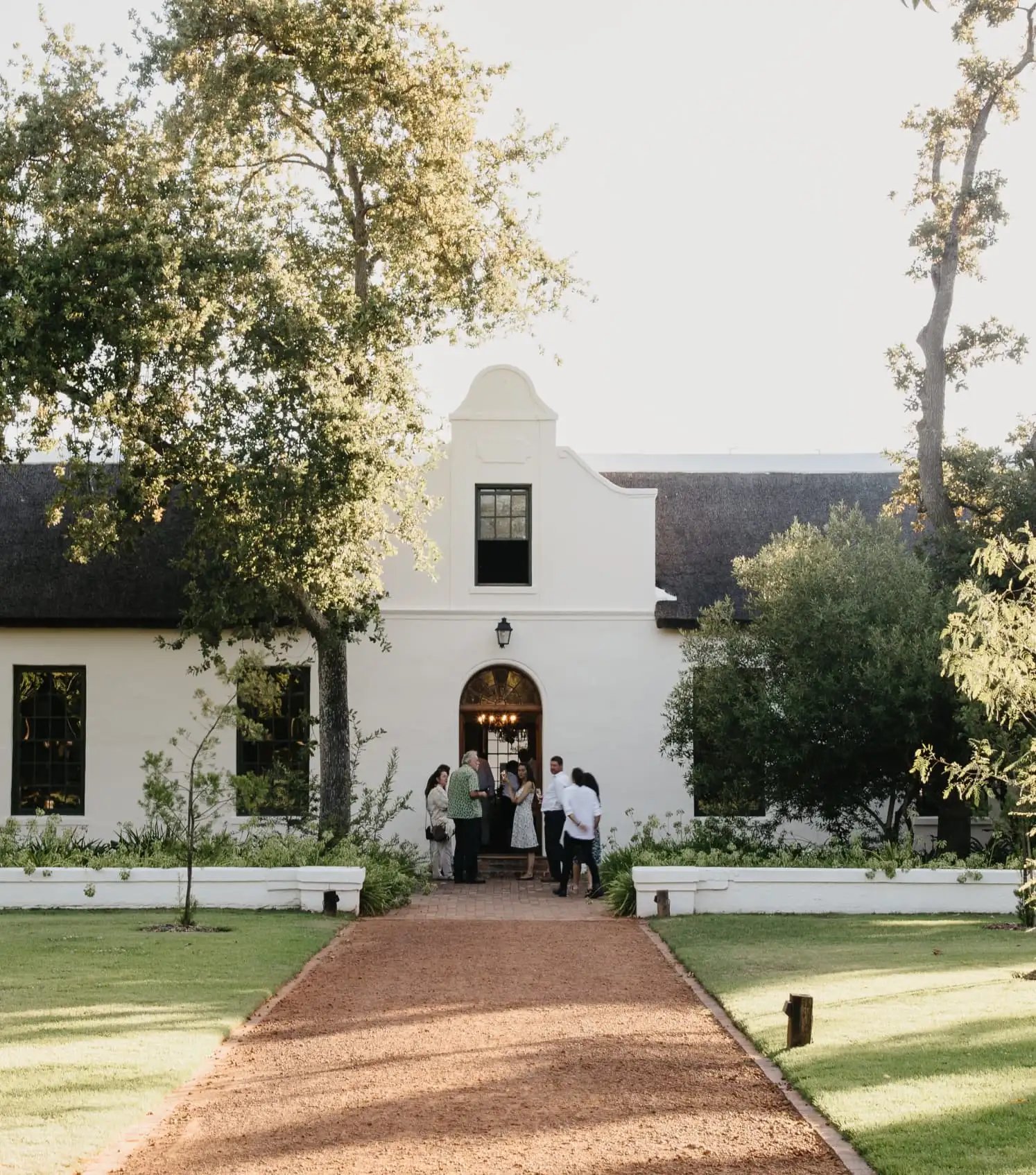
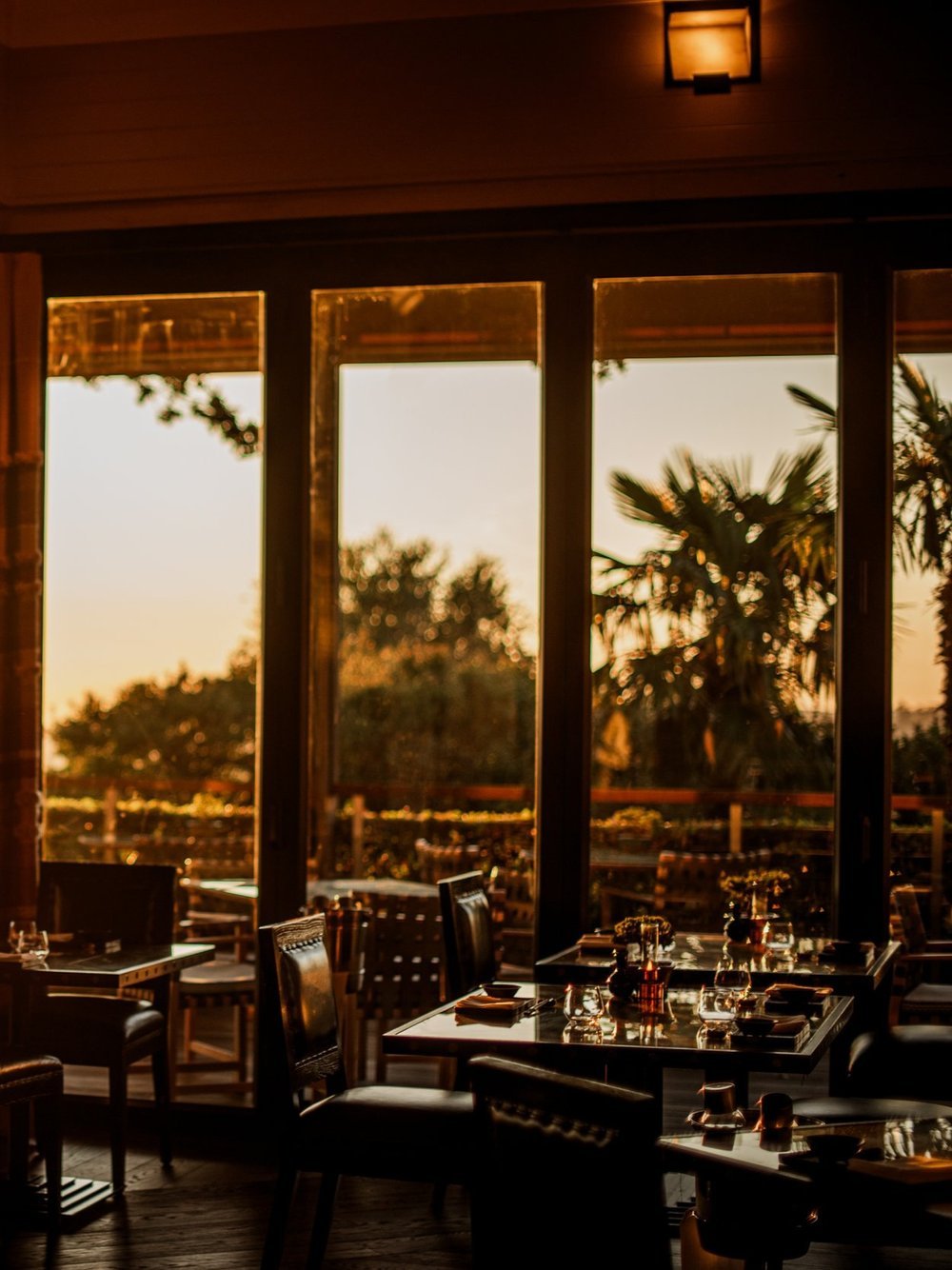
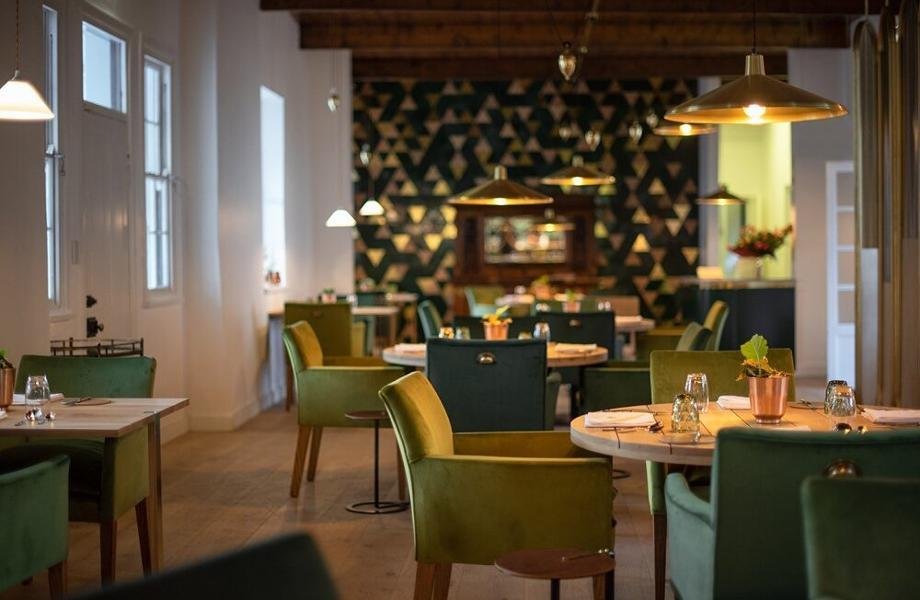
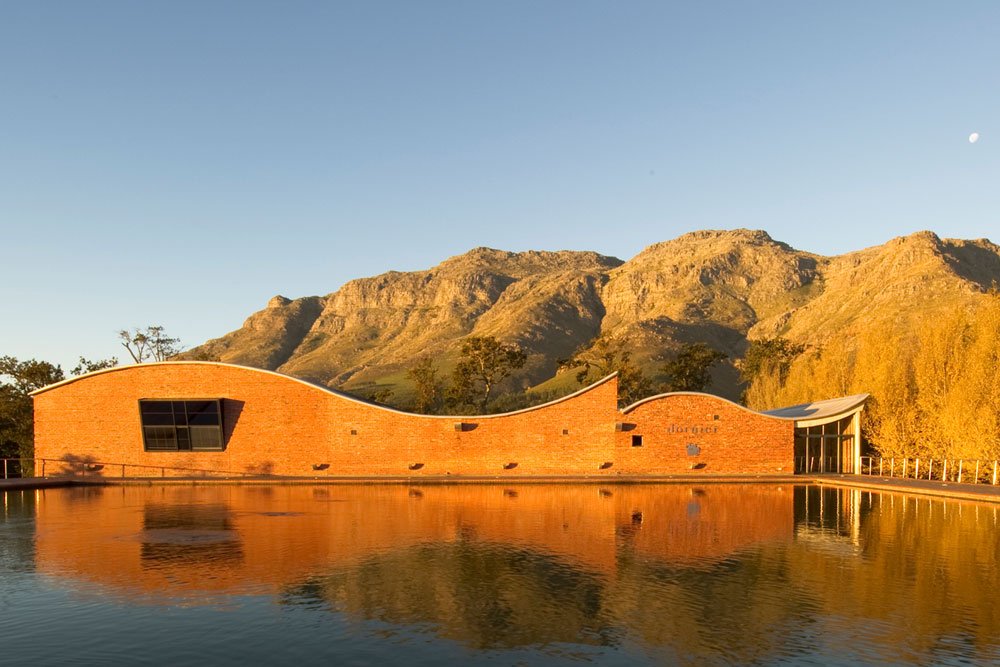
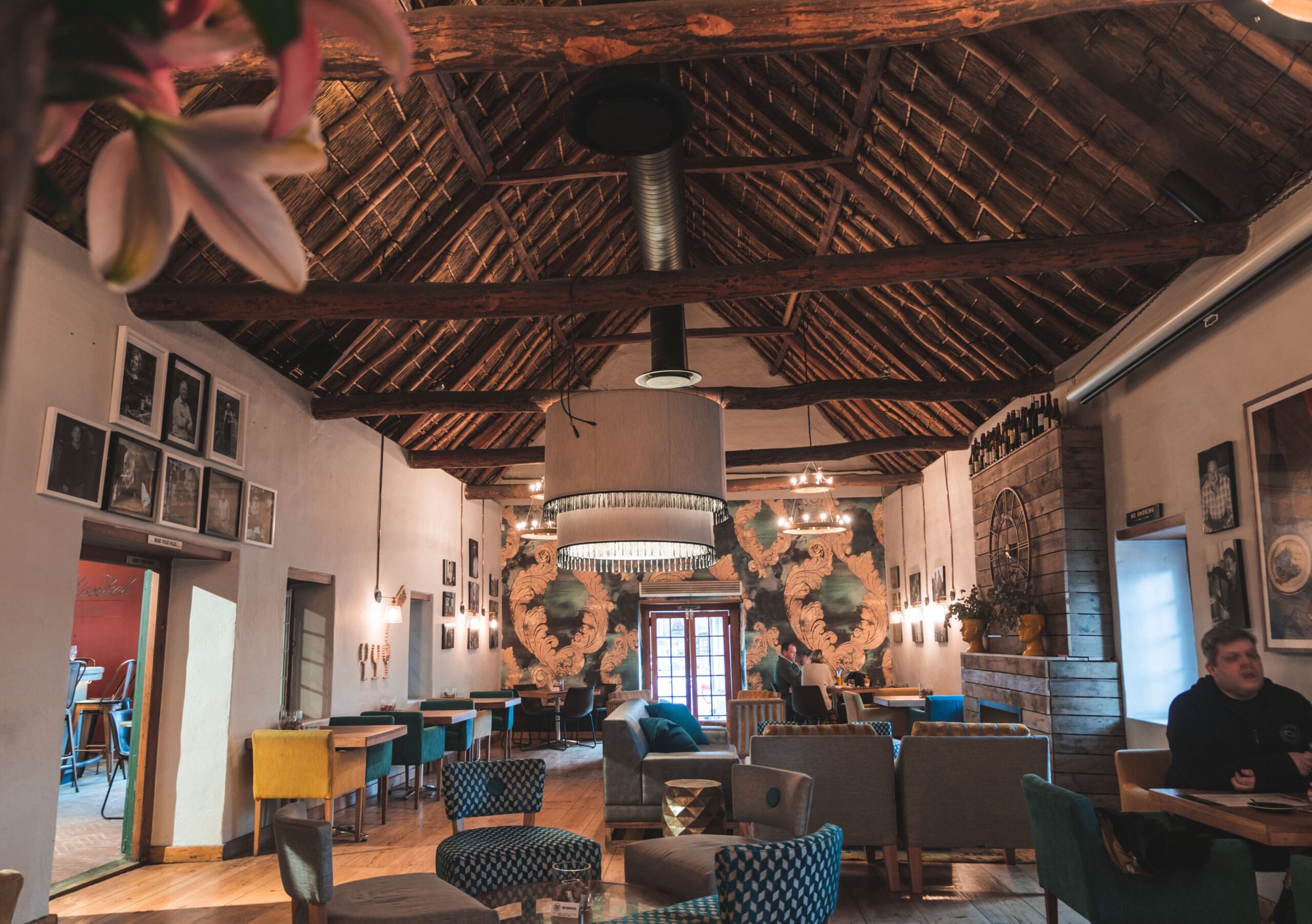
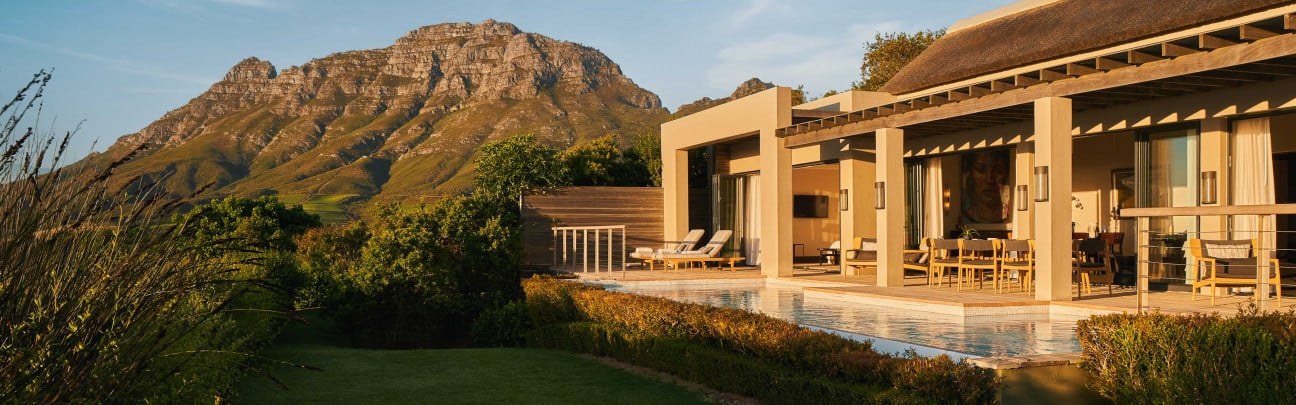
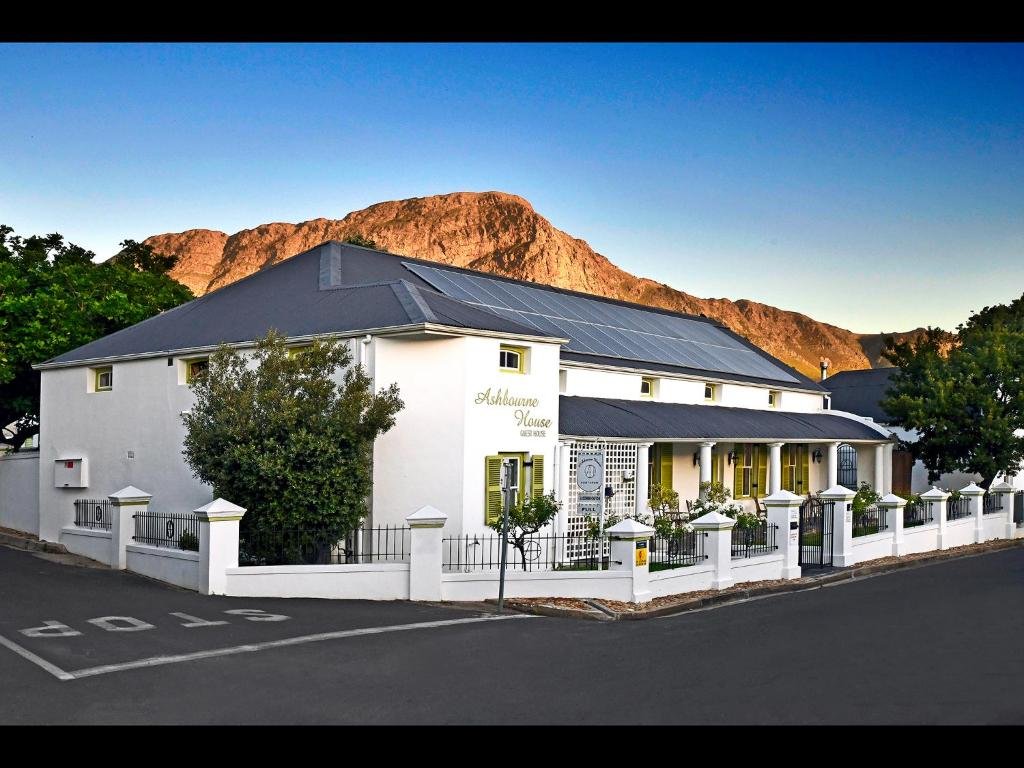
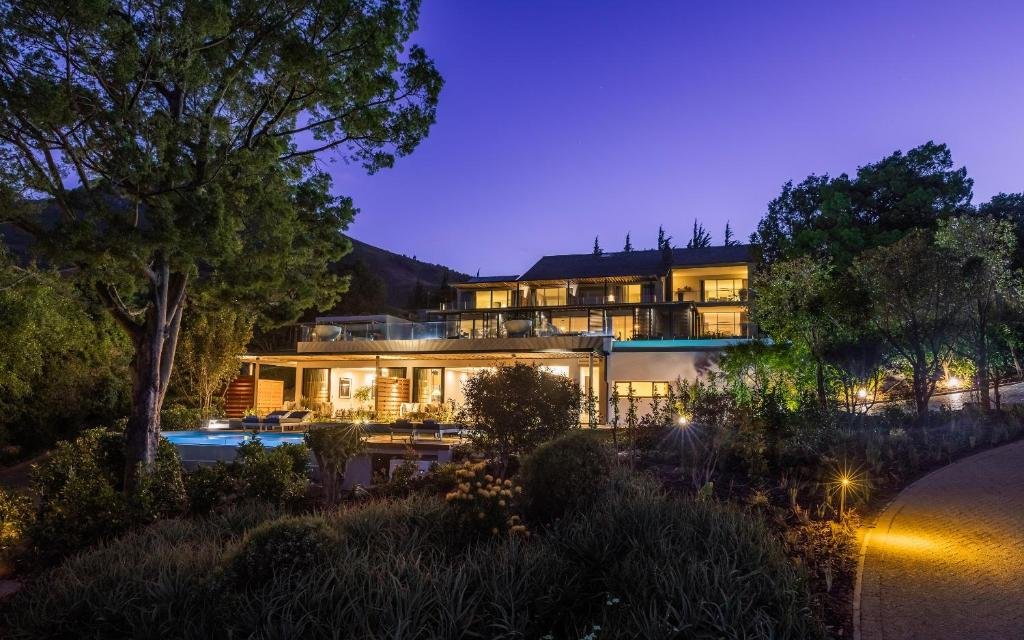
An elevated, scenic mountain-valley setting with a spectacular mountain amphitheatre and a tranquil, boutique-farm atmosphere centered on Rondekop and the surrounding vineyards.
Tags
Vibe
Best For
Experience
Sourcing
View
At the Vineyard
- Appellation
- Stellenbosch Wine of Origin
- Varietals
- cabernet franc, cabernet sauvignon, chenin blanc, chardonnay, merlot
- Tour Duration
- 60 minutes
- Tour Languages
- English
- Visits
- By reservation
- Farming
- Regenerative
- Production
- Boutique
- Wine Styles
- Still Red, Still White
- Food Pairing
- Offered
- Shipping
- Available
- Founded
- 1960
- Wine Club
- Available
Know before you go
Know Before You Go
- Getting there
- Oldenburg Vineyards, Banghoek Rd, Stellenbosch, 7601
Planning details
Location
Oldenburg Vineyards, Banghoek Rd, Stellenbosch, 7601 · Directions
Also consider
Also Consider
- Delaire Graff Estate, Notable alternative
- Tokara Winery, Notable alternative
- Thelema Mountain Vineyards, Notable alternative
- Lanzerac Wine Estate, Notable alternative
- Rustenberg Wines, Notable alternative
Winery context
How It Compares
Choose Oldenburg Vineyards when ambiance and the Banghoek setting are the draw. Delaire Graff Estate is the more polished splurge-style comparison, better for visitors who want a high-design estate experience. Oldenburg is the more sensible pick for a quieter, wine-country stop where the grounds do more of the work.
Tokara Winery and Thelema Mountain Vineyards are stronger cross-shops if the priority is a classic Helshoogte/Banghoek wine route with easy estate-to-estate planning. Tokara suits visitors who want a broader, more polished outing; Thelema is better when the focus is wine first and the setting second.
Lanzerac Wine Estate is the better choice for heritage-hotel atmosphere and a fuller hospitality setup, while Rustenberg Wines is a practical alternative for a calmer, traditional Stellenbosch estate visit. If booking ease matters, Oldenburg should be less intimidating than the higher-profile estate names, but confirm current availability before building the day around it.
Around this place
Discover more on Pearl
Unlock the full Oldenburg Vineyards guide in Pearl, including awards, comparisons, FAQs, planning details, and nearby places.
Compare Oldenburg Vineyards
| Venue | Location | Awards |
|---|---|---|
| Oldenburg Vineyards | Stellenbosch | No published awards |
| Delaire Graff Estate | Stellenbosch | Star Wine Lists 20262025 World's 50 Best Vineyards · #792023 World's 50 Best Vineyards · #362021 World's 50 Best Vineyards · #302020 World's 50 Best Vineyards · #142019 World's 50 Best Vineyards · #39 |
| Tokara Winery | Stellenbosch | 2026 Falstaff Winery Guide2025 World's 50 Best Vineyards · #712022 World's 50 Best Vineyards · #47 |
| Thelema Mountain Vineyards | Stellenbosch | 2026 Falstaff Winery Guide |
| Lanzerac Wine Estate | Stellenbosch | Star Wine Lists 2026 |
| Rustenberg Wines | Stellenbosch | No published awards |



How Oldenburg Vineyards Stellenbosch compares with similar nearby venues.
FAQ
Frequently Asked Questions
Are there membership or club details for Oldenburg Vineyards?
If membership matters to your decision, ask Oldenburg Vineyards directly about current terms, costs, benefits, and related logistics before joining.
When is the best time to visit Oldenburg Vineyards?
Do I need a reservation at Oldenburg Vineyards?
Contact Oldenburg Vineyards directly to confirm whether bookings are required or recommended for your intended date.
Can Oldenburg Vineyards handle large groups?
Does Oldenburg Vineyards serve food?
Are there shipping details for Oldenburg Vineyards?
If shipping matters, ask Oldenburg Vineyards directly about current options before relying on it.