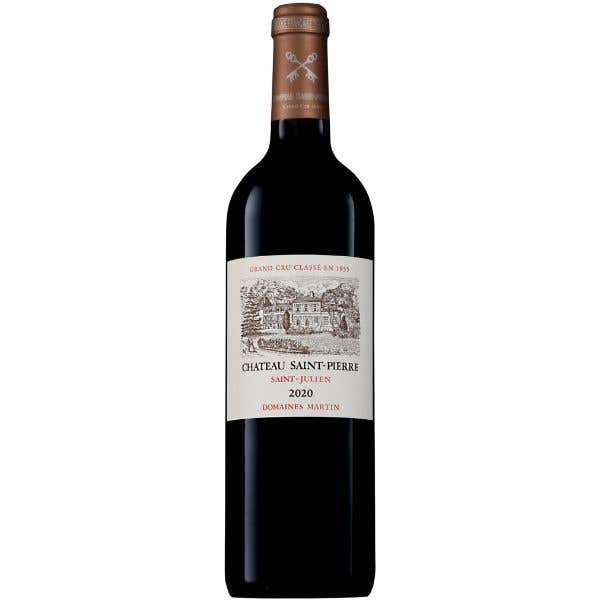


Château Saint-Pierre
Saint-Julien, St-Julien
Winery in St-Julien, France
 Book with Pearl
The Read
Classified Médoc Restraint
Why go
Château Saint-Pierre is worth pursuing if the trip is built around serious St-Julien wine rather than easy tasting-room logistics. It is a better fit for focused Bordeaux travelers than for large groups or casual visitors, and it should be planned as an anchor appointment alongside peers like Château Branaire Ducru or Château Gruaud-Larose.
About Château Saint-Pierre
Château Saint-Pierre is a St-Julien venue with Jean-Louis Triaud listed as chef/owner and Pearl 3 Star Prestige (2025) recognition. The dress code is smart casual, and visitors planning a day in St-Julien should confirm current arrangements directly before setting an itinerary.
For visitors comparing St-Julien options, keep the decision focused on the basics: the venue is in St-Julien, the dress code is smart casual, and the recognition is Pearl 3 Star Prestige (2025). Other specifics, including visit format, service details, purchase arrangements, and timing, should be checked through official channels before arrival.
A St-Julien venue to plan with confirmed details
Château Saint-Pierre is best considered by travelers who already know they want to spend time in St-Julien and who are comfortable confirming details in advance. Jean-Louis Triaud is listed as chef/owner, the venue carries Pearl 3 Star Prestige (2025), and smart casual dress is noted.
If you are comparing other notable names, Château Beychevelle, Château Ducru-Beaucaillou, Château Branaire Ducru, Château Gruaud-Larose, and Château Gloria are natural reference points. Keep those comparisons general unless you have confirmed the practical details for each venue directly.
Confirm arrangements first, then keep the rest of the day flexible
The practical move is to avoid assuming details. Before committing transport or arranging a wider St-Julien itinerary, confirm the current visit policy, timing, availability, and any on-site arrangements directly with Château Saint-Pierre.
For a broader plan, compare Château Saint-Pierre with Château Branaire Ducru, Château Gruaud-Larose, Château Gloria, Château Beychevelle, and Château Ducru-Beaucaillou. Travelers building a full day should also leave enough flexibility for bookings, transport, and meals elsewhere in St-Julien.
Verdict: worth considering for travelers specifically focused on St-Julien and comfortable planning from confirmed information. Château Saint-Pierre is a venue to verify directly before relying on any specific format, service, or schedule.
Planning details
- Location
- Gr Grand Rue, 33250 Saint-Julien-Beychevelle
- Website
- chateau-saint-pierre.com
- Phone
- +33 5 56 59 08 18
The take
The Take
The Vibe
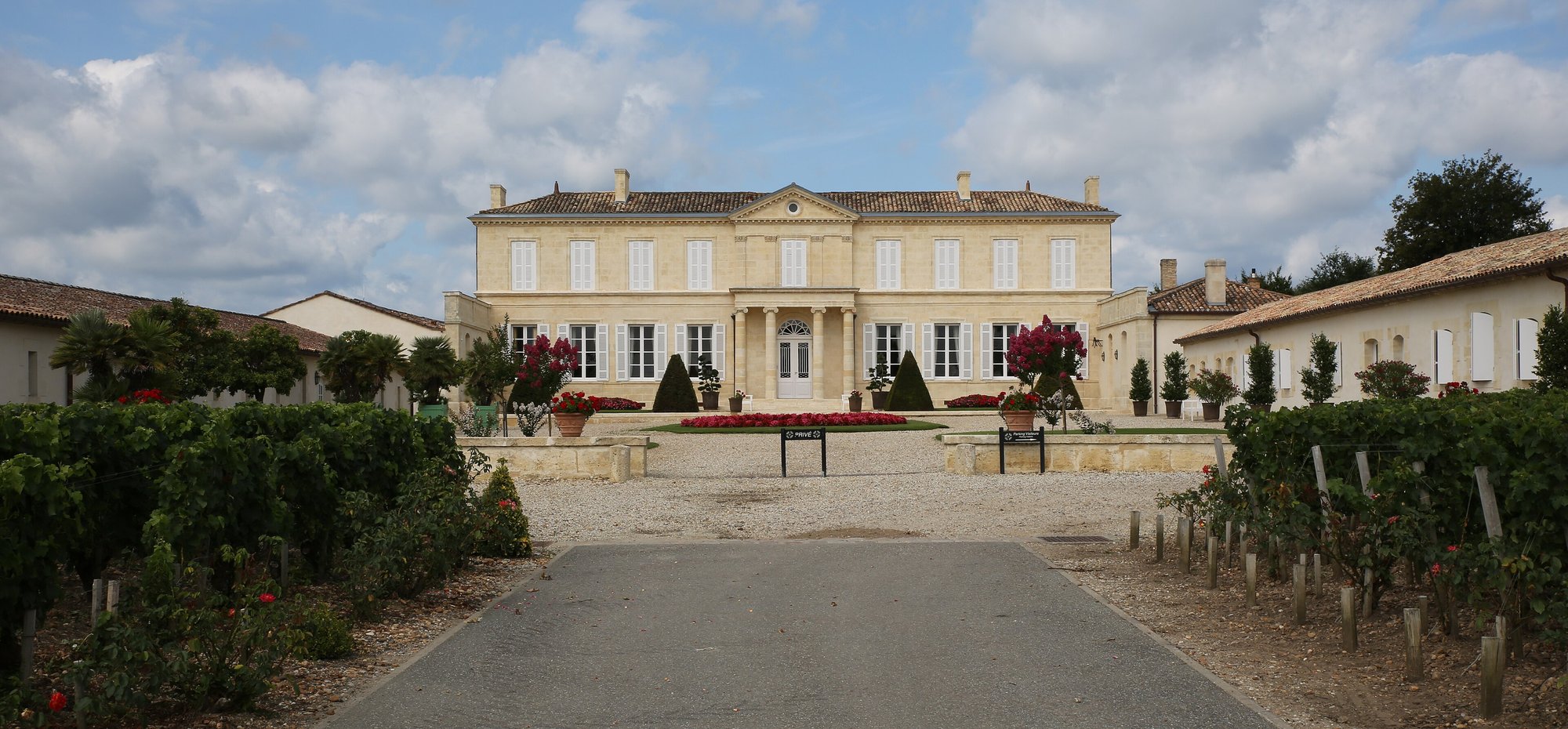
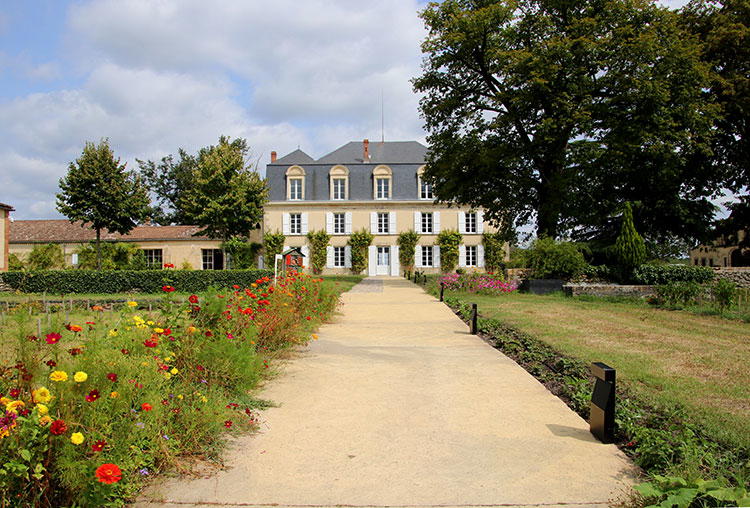
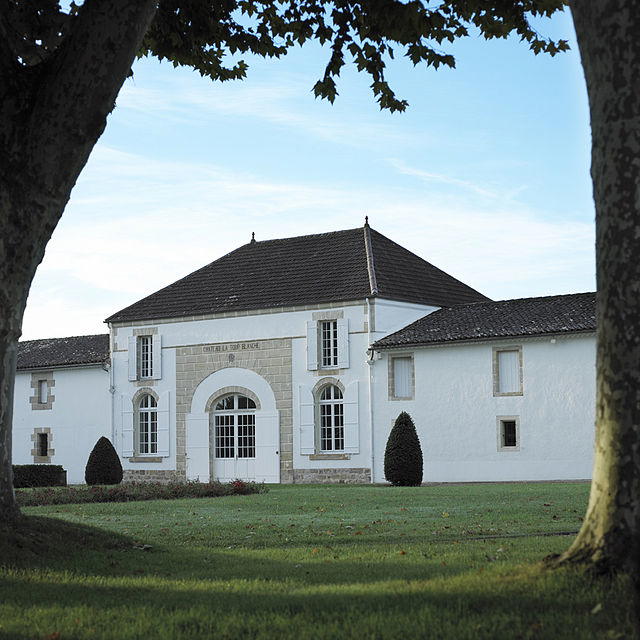
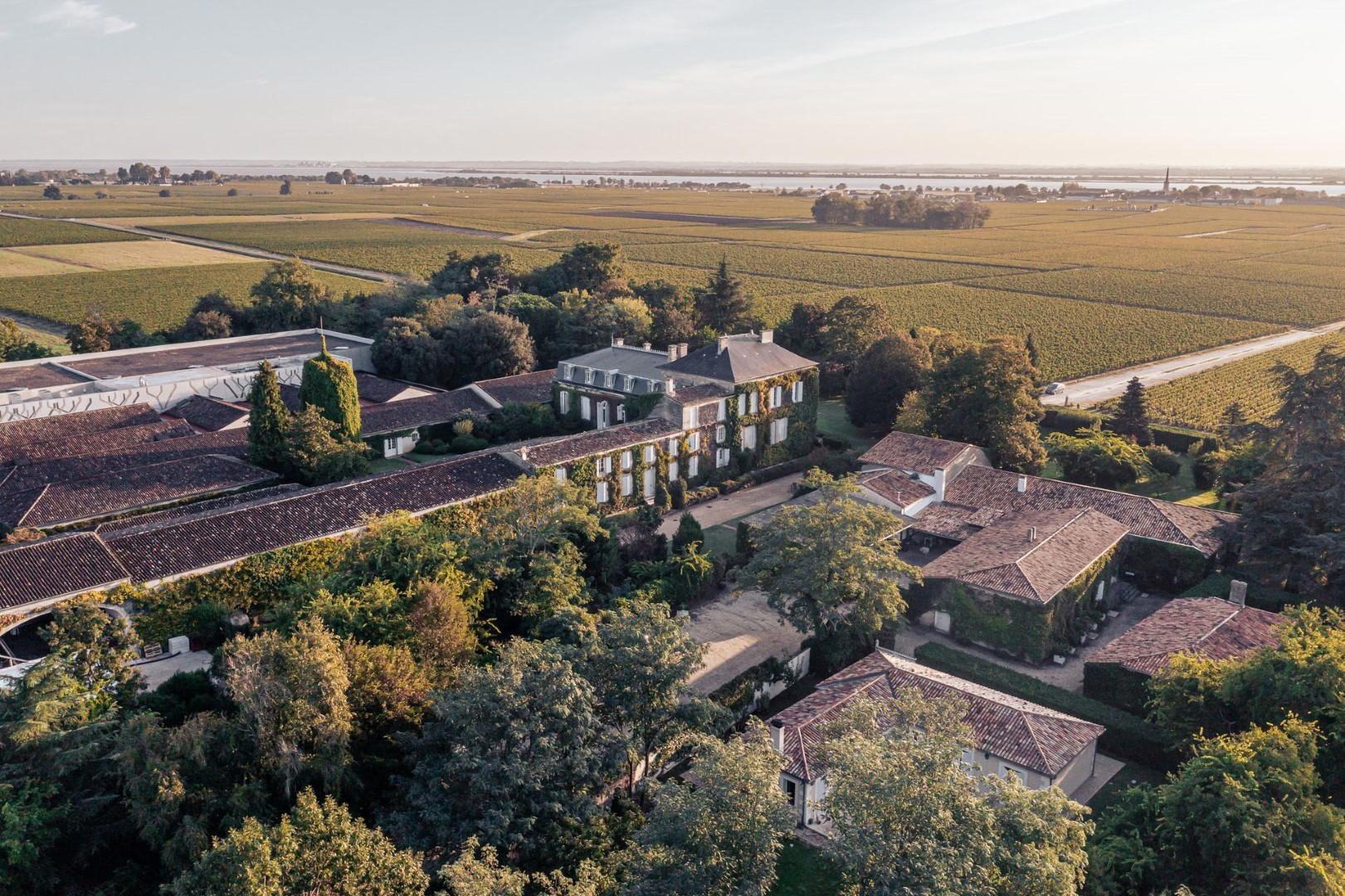
Château Saint-Pierre presents a quietly majestic Bordeaux presence: Fourth Growth architecture and Grand Cru facades sit back from the road behind iron gates and plane trees, lending the estate a historic, composed air. The narrative emphasizes geology and place—the deep gravel over limestone and proximity to the Gironde estuary—so the setting feels as important as the cellar. Visitors encounter a restrained, scenic calm rather than flash; this is an estate where understatement and terroir-driven precision define the atmosphere, and the surrounding landscape and classificatory gravity shape an elegant, contemplative visit.
Best For
This estate is particularly well suited to wine-focused visits and moments that call for gravitas. The text frames comparative tasting across Saint-Julien’s classified tier as an instructive exercise, so Château Saint-Pierre is a fit for those interested in wine education and collectors assessing terroir-driven differences. Given its Fourth Growth status and proximity to other highly regarded properties, the house also suits special occasions and milestone tastings when provenance matters. The setting and emphasis on long development in the wines make it appealing for serious enthusiasts rather than casual pop-ins.
Tasting Tips
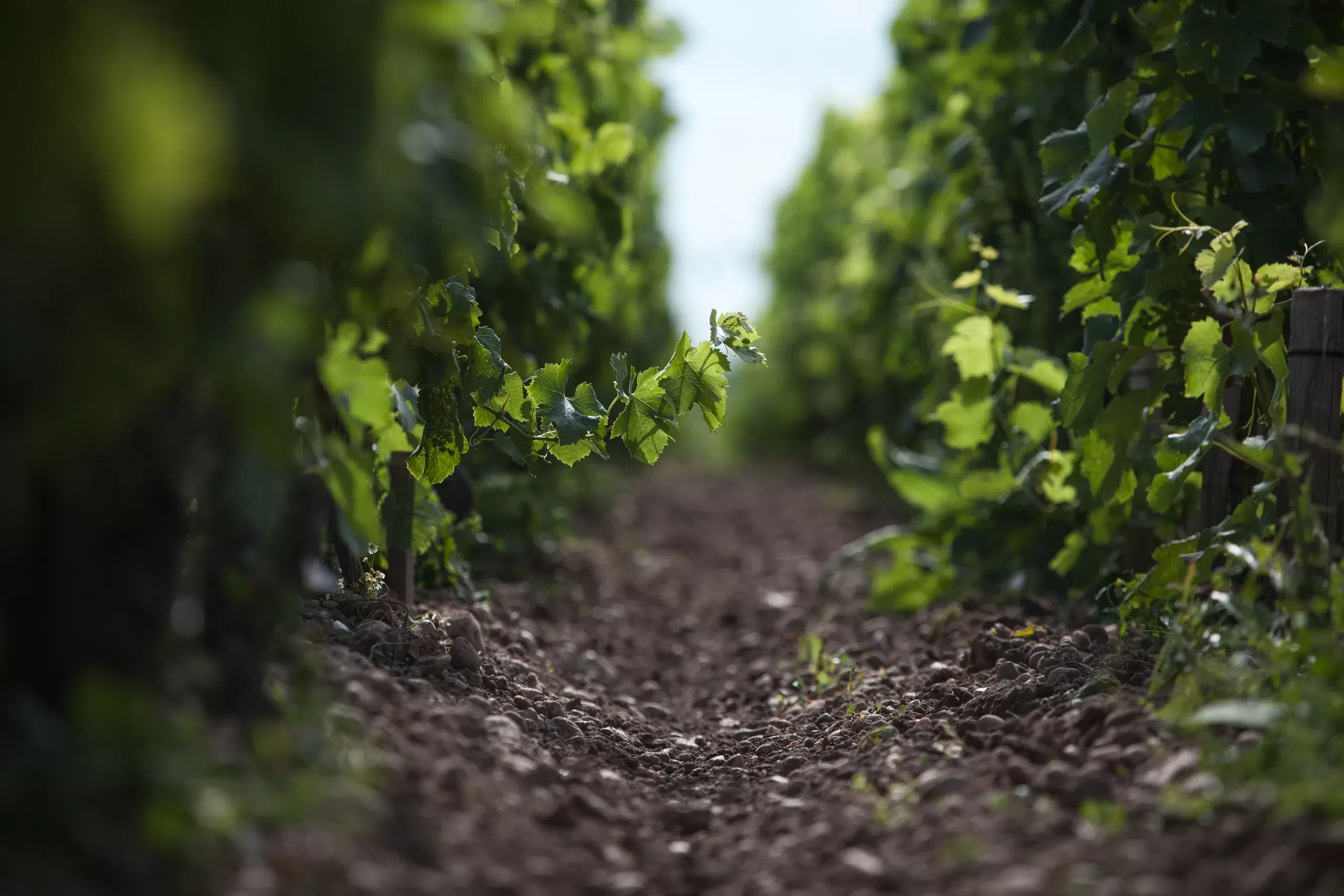
Approach Château Saint-Pierre with a focus on terroir and Cabernet-driven structure. The description highlights deep gravel soils over limestone that yield Cabernet Sauvignon with mineral precision and capacity for long development, so prioritize bottlings that showcase that variety and consider vertical or comparative tastings where possible. Tasting side-by-side with neighbouring classified estates or across vintages will illuminate stylistic distinctions rooted in micro-site differences. In short: order (or request) wines that emphasize Cabernet and age-worthiness and plan to compare to nearby appellation benchmarks to understand Saint-Pierre’s expression.
Venue details
Ambiance
Elegant and classic with an atmosphere of historic sophistication amid the vines.
Tags
Vibe
Best For
Experience
Sourcing
View
At the Vineyard
- Appellation
- Saint-Julien AOC
- Varietals
- Cabernet Sauvignon, Merlot, Cabernet Franc
- Tour Duration
- 60-90 minutes
- Tour Languages
- French, English
- Visits
- By appointment only
- Farming
- Biodynamic
- Production
- Small producer
- Wine Styles
- Still Red
- Wine Club
- Available
Know before you go
Know Before You Go
- Getting there
- Gr Grand Rue, 33250 Saint-Julien-Beychevelle
Planning details
Location
Recognition and awards
Also consider
Where to look if this does not fit the trip
If the booking proves too difficult, start with Château Branaire Ducru for another St-Julien-focused visit. If the group wants a more relaxed counterpoint, Château Gloria is the better fallback.
Winery context
How Château Saint-Pierre compares in St-Julien
Choose Château Saint-Pierre if the goal is a quieter, more focused St-Julien visit rather than the broadest name recognition. Château Beychevelle and Château Ducru-Beaucaillou are stronger choices for travelers who want a more obvious prestige stop; Château Saint-Pierre is the sharper pick for visitors who care more about commune context and a concentrated experience.
Château Branaire Ducru is the closest practical cross-shop for a St-Julien-focused day: book both only if the timing is confirmed and the group is serious about comparison. Château Gruaud-Larose gives a broader benchmark for the commune, while Château Gloria is the more relaxed alternative if the trip needs a less formal counterpoint.
For value of time, Château Saint-Pierre makes the most sense as an anchor appointment, not as the third or fourth stop of the day. If booking pressure or group logistics become the deciding factor, start with Château Gloria or Château Branaire Ducru before pushing for the harder table in the itinerary.
Explore St-Julien
Around this place
Discover more on Pearl
Unlock the full Château Saint-Pierre guide in Pearl, including awards, comparisons, FAQs, planning details, and nearby places.
Compare Château Saint-Pierre
| Venue | Location | Awards |
|---|---|---|
| Château Saint-Pierre | St-Julien | 2026 Michelin Grape Main Selection - Bordeaux2025 Pearl 3 Star Prestige |
| Château Gloria | Saint-Julien-Beychevelle | 2026 Falstaff Winery Guide |
| Château Branaire Ducru | St-Julien | 2026 Falstaff Winery Guide2026 Michelin 1 Grape - Bordeaux2025 Pearl 3 Star Prestige |
| Château Beychevelle | Saint-Julien-Beychevelle | 2026 Michelin Grape Main Selection - Bordeaux2026 Falstaff Winery Guide2025 Pearl 4 Star Prestige |
| Château Gruaud-Larose | St-Julien | 2026 Michelin Grape Main Selection - Bordeaux2026 Falstaff Winery Guide2025 Pearl 3 Star Prestige |
| Château Ducru-Beaucaillou | Pauillac | 2026 Falstaff Winery Guide2025 Pearl 4 Star Prestige |


How Château Saint-Pierre St-Julien compares with similar nearby venues.
FAQ
Frequently Asked Questions
Can Château Saint-Pierre handle large groups?
Large-group capacity may vary. If you are planning for a group, confirm availability and any group requirements directly with Château Saint-Pierre before arranging transport or a wider St-Julien itinerary.
Does Château Saint-Pierre offer shipping?
Shipping information is not listed. Confirm any purchase or shipping arrangements directly with Château Saint-Pierre before building a buying plan around the visit. If you are comparing options, Château Gloria or Château Beychevelle may be considered as other names to research.
Is there a wine club at Château Saint-Pierre?
Wine club details are not listed. Before joining or planning purchases, confirm directly with Château Saint-Pierre what, if anything, is currently offered and whether it fits your needs.
Does Château Saint-Pierre serve food?
Food service is not listed. Check directly with Château Saint-Pierre for current meal arrangements before planning around them. For a St-Julien day, plan meals independently and verify details before arrival.
Do I need a reservation at Château Saint-Pierre?
Reservation requirements may vary. Because practical details can change, confirm the current policy directly with Château Saint-Pierre before visiting. The dress code is smart casual.
How long should I plan for a visit to Château Saint-Pierre?
A specific visit length is not listed. Confirm the current format and timing directly with Château Saint-Pierre, especially if your day also includes Château Gruaud-Larose, Château Branaire Ducru, Château Ducru-Beaucaillou, or Château Beychevelle.