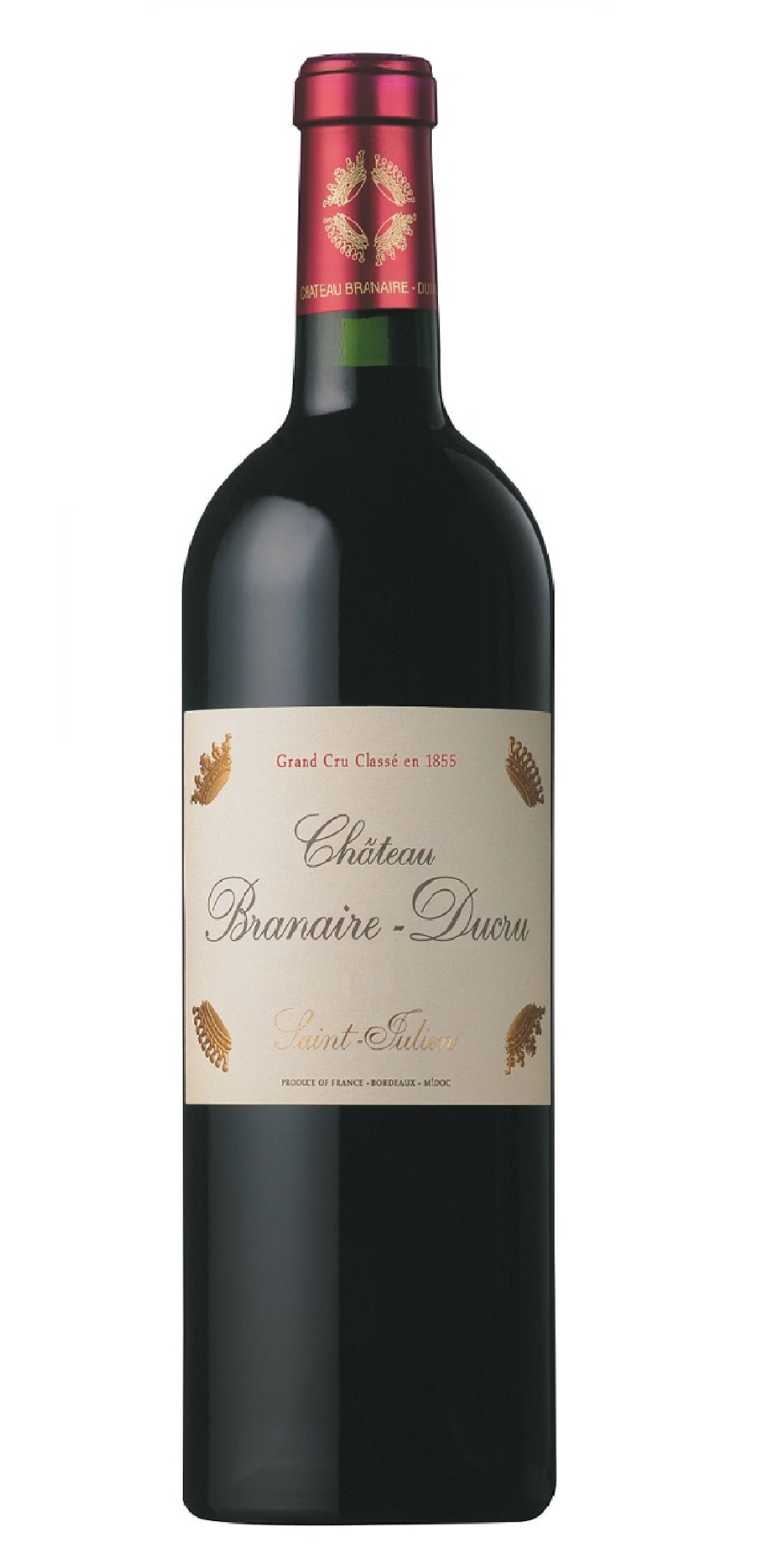

Château Branaire Ducru
Saint-Julien, St-Julien
Winery in St-Julien, France
 Book with Pearl
The Read
Médoc Classified Precision
Why go
Château Branaire Ducru is the right call for a polished St-Julien château visit when the trip is built around Médoc context and occasion-level planning. It is less suited to casual drop-ins or groups needing food service details confirmed in advance, but strong for guests who want one serious left-bank stop to anchor the day.
About Château Branaire Ducru
Château Branaire Ducru is a St-Julien venue with a concise planning profile. Jean-Dominique Videau is listed as chef/owner, the dress code is smart casual, the venue carries Pearl 3 Star Prestige recognition for 2025. Those points establish the basic profile for readers deciding whether the venue belongs on a St-Julien shortlist. In practical terms, the listing is notable, with key logistics best checked directly before making plans.
Visit format, food service, opening hours, pricing, reservation rules, group capacity should be checked with the venue before planning around them. A smart-casual dress code gives some guidance on how to arrive, but it does not by itself indicate what kind of visit is available, how it is structured, or whether any particular service is offered at a given time. Treat Château Branaire Ducru as a St-Julien venue to contact directly before building a time-sensitive itinerary, especially if your schedule depends on exact timing, access, or a specific hospitality format.
A St-Julien choice with concise planning details
For readers comparing options in St-Julien, Château Branaire Ducru is best framed by its core profile rather than by assumptions about specific offerings or service style. The smart-casual dress code, Pearl 3 Star Prestige recognition for 2025, named chef/owner can make the venue stand out on paper, while practical arrangements still require direct follow-up. It is most useful as a careful marker within the St-Julien planning landscape rather than as a complete visitor brief.
If you need practical details such as hours, booking requirements, food availability, or group arrangements, contact the venue directly before committing. This is particularly important if you are coordinating multiple stops, arranging transport, or comparing venues on the basis of availability rather than reputation alone. Other named comparison points to consider include Château Beychevelle, Château Saint-Pierre, Château Gloria, Château Ducru-Beaucaillou, Château Doisy-Védrines. These names can help structure research, but they should not be used to infer anything specific about Château Branaire Ducru's own current offer.
Plan around core facts, then compare carefully
Château Branaire Ducru's Pearl 3 Star Prestige recognition for 2025 makes it a notable St-Julien listing. The safest planning approach is to confirm the current offering directly with the venue. Treat the recognition as a reason to investigate further, not as a substitute for practical details. For visit format, food service, opening hours, pricing, reservation rules, group capacity, direct contact is the best next step before making firm arrangements.
Use comparison venues only as planning context, not as proof of what Château Branaire Ducru provides. Château Beychevelle, Château Saint-Pierre, Château Gloria, Château Ducru-Beaucaillou, Château Doisy-Védrines can be helpful names when deciding which venues to research first, but each listing needs to be assessed on its own terms. For Château Branaire Ducru, the reliable next step is direct confirmation before making firm arrangements.
Planning details
- Location
- 1 Chem. de Bourdieu, 33250 Saint-Julien-Beychevelle
- Website
- branaire.com
- Phone
- +33 5 56 59 25 86
The take
The Take
The Vibe
Château Branaire Ducru reads as a terroir-first Médoc château where geological nuance, not muscular extraction, defines character. The text lays out Saint-Julien’s gravelly crests over clay subsoils and explains how that soil profile produces lower-yielding vines and tannins of a distinct texture. The estate’s continuity of stewardship and classified fourth-growth status underscore a long arc of production rather than flash. Collectors and students of Bordeaux encounter wines that emphasize measured structure, refinement and the slow accumulation of complexity—an interpretation of Saint-Julien that favors finesse and vineyard specificity over brute force.
Best For
This château is best for people interested in Bordeaux classification, terroir-driven tasting and building or studying verticals. The profile centers on appellation nuance—from gravelly drainage to clay reserves—making it a natural stop for wine-education visits and for collectors assembling Médoc verticals. The estate’s recent EP Club recognition and its position among Saint-Julien fourth growths also make it appropriate for special-occasion purchases and for cellar-focused shoppers who prize wines that reward study and provenance over instant showiness.
Tasting Tips
Expect allocation dynamics to matter: the write-up flags Château Branaire Ducru’s 2025 EP Club Pearl 3 Star Prestige nod and notes allocation demand across Bordeaux’s classified properties. If you’re buying, plan ahead and engage allocation channels early, especially for sought-after vintages. Consider purchasing across multiple years if you’re assembling a vertical—collectors are the apparent market—and allow bottles time in the cellar. The estate’s emphasis on finesse rather than brute extraction suggests rewards for patient cellaring rather than immediate consumption.
Venue details
Ambiance
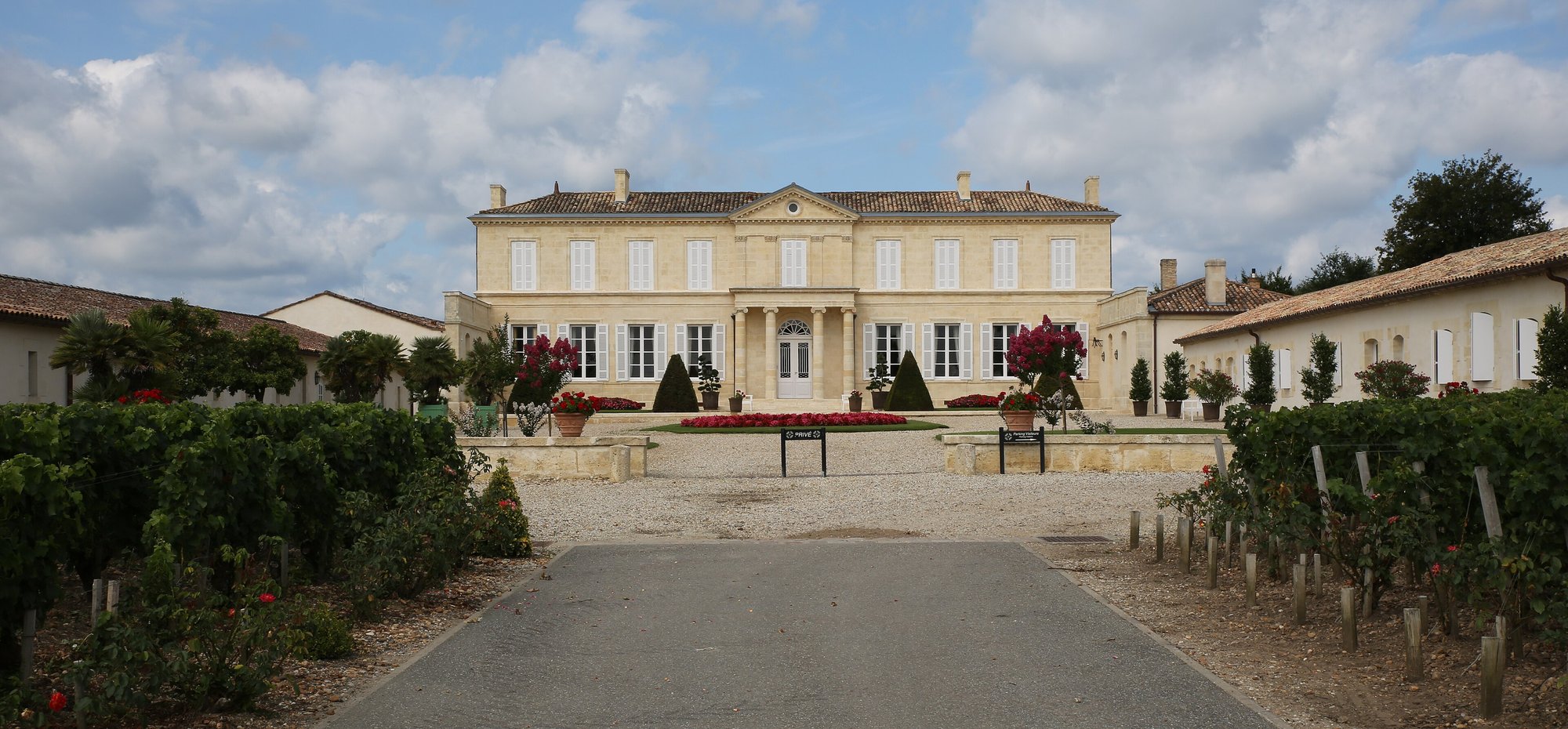
Elegant neo-classical chateau with modern facilities, beautiful grounds, and a refined, welcoming atmosphere praised in guest reviews.
Tags
Vibe
Best For
Experience
View
At the Vineyard
- Appellation
- Saint-Julien AOC
- Varietals
- Cabernet Sauvignon, Merlot, Petit Verdot, Cabernet Franc
- Tour Duration
- 60-90 minutes
- Wine Club
- Not available
Planning details
Location
Recognition and awards
Also consider
Also Consider
- Château Beychevelle, Notable alternative
- Château Saint-Pierre, Notable alternative
- Château Gloria, Notable alternative
- Château Doisy-Védrines, Notable alternative
- Château Ducru-Beaucaillou, Notable alternative
Winery context
How It Compares
Against Château Beychevelle and Château Ducru-Beaucaillou, Château Branaire Ducru is the more sensible pick for travellers who want St-Julien prestige without making the visit feel entirely trophy-driven. Beychevelle and Ducru-Beaucaillou are the bigger-name cross-shops for ambiance and collector pull; choose them when the group wants the more recognisable label moment, choose Branaire Ducru when the priority is appellation context and a calmer special-occasion stop.
Château Saint-Pierre is the closest practical comparison for a St-Julien-focused day. It is the better cross-shop if the plan is to compare classified-growth personalities within the commune rather than chase breadth across Bordeaux. Château Gloria is a useful alternative for guests who care more about value feel and approachability than hierarchy.
Château Doisy-Védrines is not a like-for-like substitute because it points the day toward sweet white Bordeaux rather than left-bank red wine. Use it as a contrast stop on a broader Bordeaux itinerary, not as a replacement for a St-Julien château visit. If only one Médoc stop makes the schedule, Branaire Ducru is the cleaner fit for a serious red-wine itinerary.
Explore St-Julien
Around this place
Discover more on Pearl
Unlock the full Château Branaire Ducru guide in Pearl, including awards, comparisons, FAQs, planning details, and nearby places.
Compare Château Branaire Ducru
| Venue | Location | Awards |
|---|---|---|
| Château Branaire Ducru | St-Julien | 2025 Pearl 3 Star Prestige |
| Château Beychevelle | Saint-Julien-Beychevelle | 2025 Pearl 4 Star Prestige |
| Château Saint-Pierre | St-Julien | 2025 Pearl 3 Star Prestige |
| Château Gloria | Saint-Julien-Beychevelle | No published awards |
| Château Doisy-Védrines | Saint-Julien-Beychevelle | 2025 Pearl 4 Star Prestige |
| Château Ducru-Beaucaillou | Pauillac | No published awards |
How Château Branaire Ducru St-Julien compares with similar nearby venues.
FAQ
Frequently Asked Questions
Can Château Branaire Ducru handle large groups?
What is the dress code at Château Branaire Ducru?
The dress code for Château Branaire Ducru is smart casual.
Who is listed as chef/owner at Château Branaire Ducru?
Jean-Dominique Videau is listed as chef/owner for Château Branaire Ducru.
When is the best time to visit Château Branaire Ducru?
How long should I plan for a visit to Château Branaire Ducru?
Check with the venue for the current format and expected timing.
What other venues are useful comparisons for Château Branaire Ducru?
Château Beychevelle, Château Saint-Pierre, Château Gloria, Château Ducru-Beaucaillou, Château Doisy-Védrines are useful comparison venues to research separately.