Vineyard 29
St. Helena
Winery in St. Helena, United States
 Book with Pearl
The Read
Allocation-Tier Cabernet
Why go
Vineyard 29 is worth prioritizing for a serious St. Helena tasting day when the winery appointment is the centerpiece. It is less useful as a casual add-on because key public details around food, group format, and pricing are not the reason to book; the draw is a more committed, collector-oriented tasting choice.
About Vineyard 29
Vineyard 29 is a St. Helena venue with a smart casual dress code and Pearl 2 Star Prestige recognition for 2025. Plan with care and confirm visit details directly before building an itinerary around it.
For comparison planning, you can consider Vineyard 29 alongside Ballentine Vineyards, Faust, Markham Vineyards, Morlet Family Vineyards, and Revana Family Vineyard. Use those names as reference points when deciding which St. Helena-area stops best fit your day, but avoid assuming that Vineyard 29 offers a specific format, food service, group setup, or purchasing program unless the venue confirms it.
Plan around the confirmed basics, not assumed details
There is no established specific visit structure, price, availability pattern, or service format. If Vineyard 29 is important to your trip, contact the venue directly before you go and make sure the timing, dress expectations, and any visit requirements fit the rest of your St. Helena plans.
Because details on food, group format, and visit structure are limited, avoid assuming a meal-style experience. Build the day with separate restaurant plans in St. Helena if needed and use Our full St. Helena guide if the itinerary needs alternatives. For nearby planning, Our full St. Helena restaurants guide, Our full St. Helena hotels guide, Our full St. Helena bars guide, and Our full St. Helena experiences guide may help round out the day.
Who should prioritize it over other St. Helena options
Prioritize Vineyard 29 if Pearl 2 Star Prestige recognition and a smart casual setting match what you want from a St. Helena stop. If you need more certainty about specific services before deciding, compare directly with Ballentine Vineyards, Faust, Markham Vineyards, Morlet Family Vineyards, and Revana Family Vineyard, or consider other St. Helena options more generally.
Planning details
- Location
- 2929 St Helena Hwy, St Helena, CA 94574
- Website
- vineyard29.com
- Phone
- +1 707-963-9292
The take
The Take
The Vibe
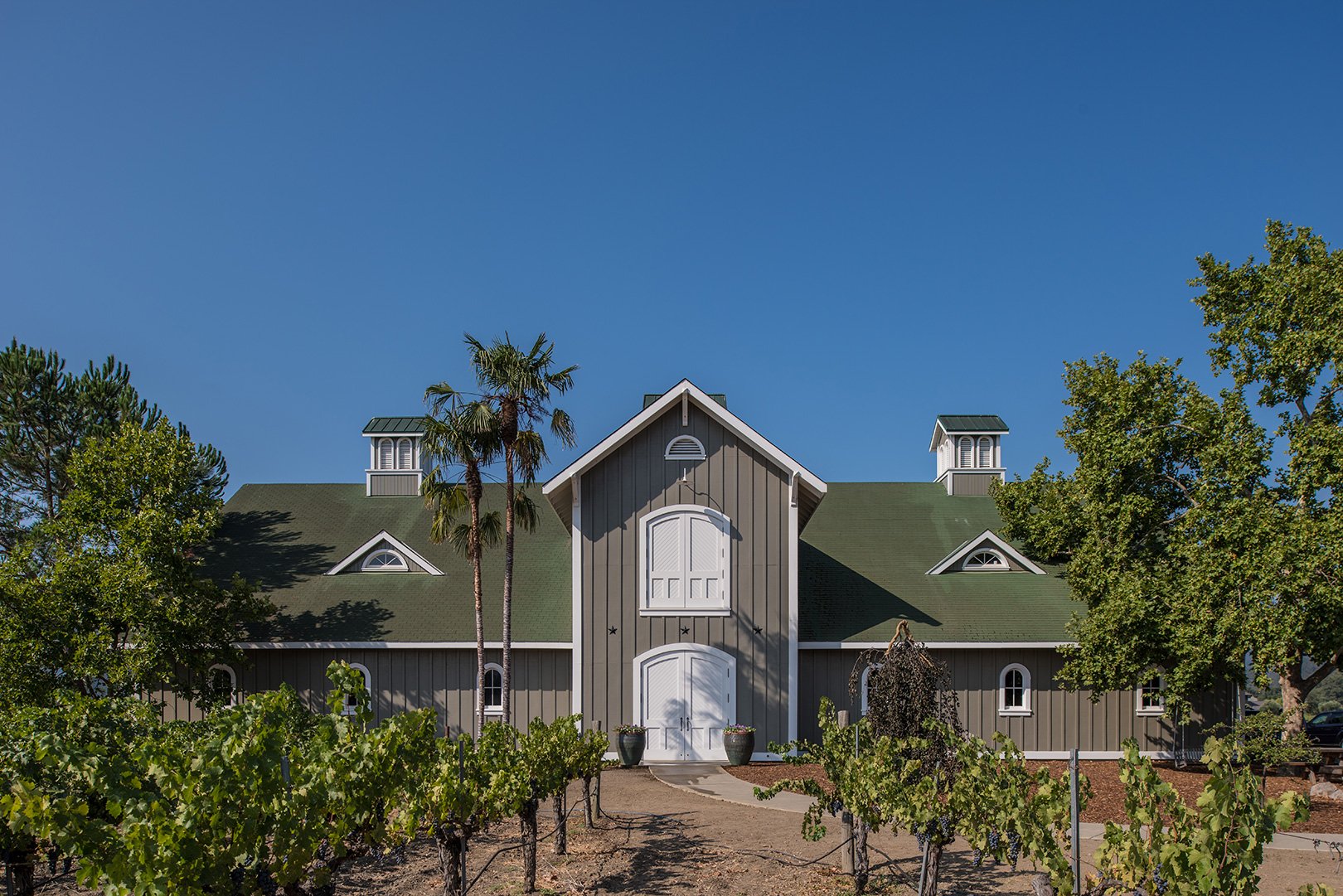
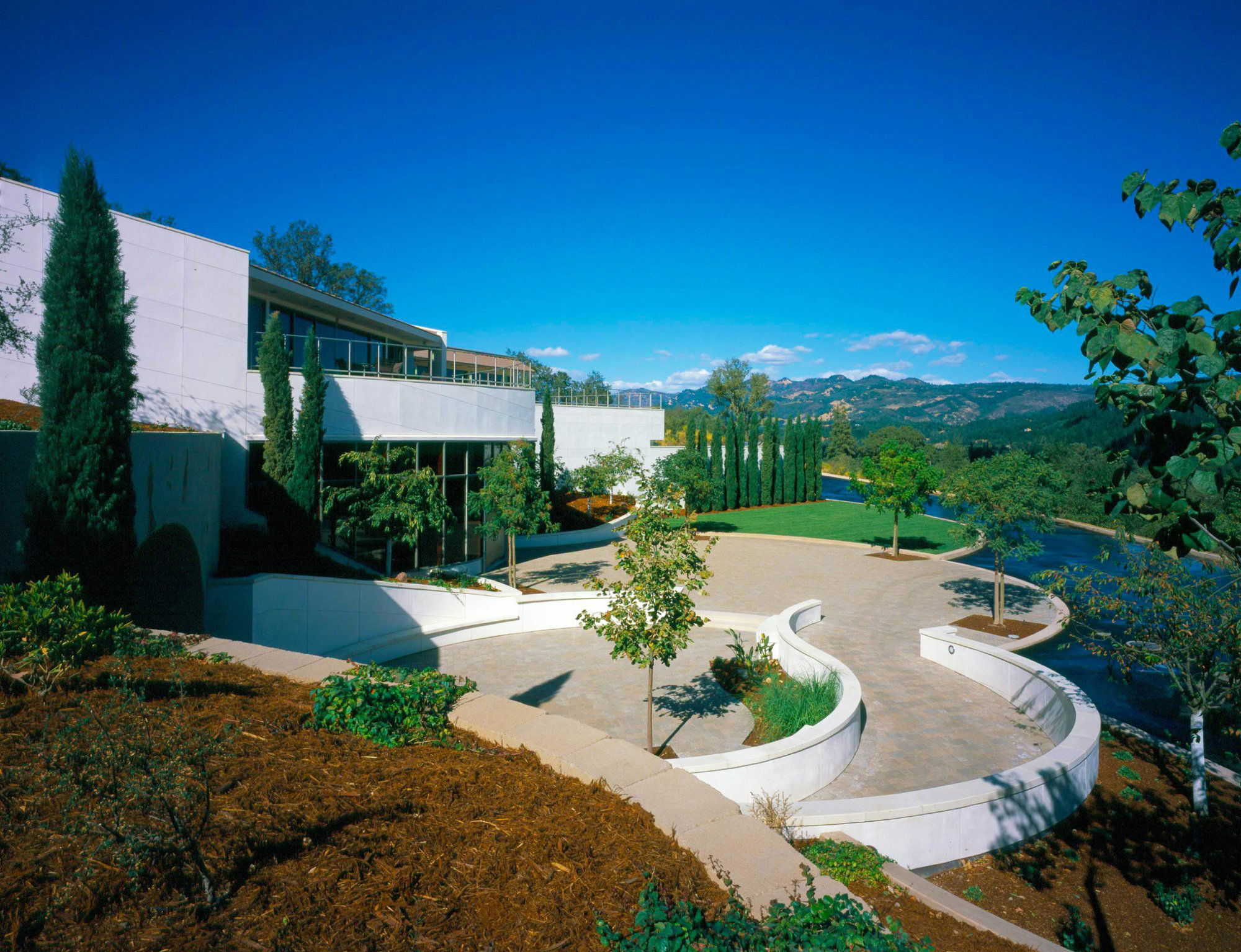
Vineyard 29 reads like a quietly assured Napa estate. The copy situates the property along Highway 29 and in the cool, higher-elevation edge of St. Helena, and the tone emphasizes pedigree and measured prestige. Rather than flashy theatrics, the experience the text conveys is about terroir, steady critical attention and the rhythms of vineyard work — harvest crews, fermenting fruit on the air — which give the place a contemplative, classic Napa feeling. Visitors encounter a professional, estate-focused operation that foregrounds wine and place over trend-driven spectacle.
Best For
This winery is best suited to serious wine-minded visitors: collectors, enthusiasts who follow critic tiers, and anyone curious about estate-driven Cabernet from northern St. Helena. The Pearl 2 Star Prestige designation signals that Vineyard 29 competes with other high‑end producers, so people who appreciate critic context, provenance and wines that are evaluated against peers will get the most from a visit. It also rewards slower, attentive tasting—arriving with an interest in terroir and production history enhances the experience.
Tasting Tips
Treat a visit or purchase here as an opportunity to experience estate-level wines that don't always surface in restaurants. The text notes that wines at this tier are 'rarely available by the glass at a restaurant,' so expect limited secondary availability and plan to taste or buy directly if you want a bottle. When visiting, allow time to observe the vineyard activity described and ask staff about allocation or bottle availability; provenance and critic recognition matter here, so confirming availability before relying on restaurant access is wise.
Venue details
Ambiance
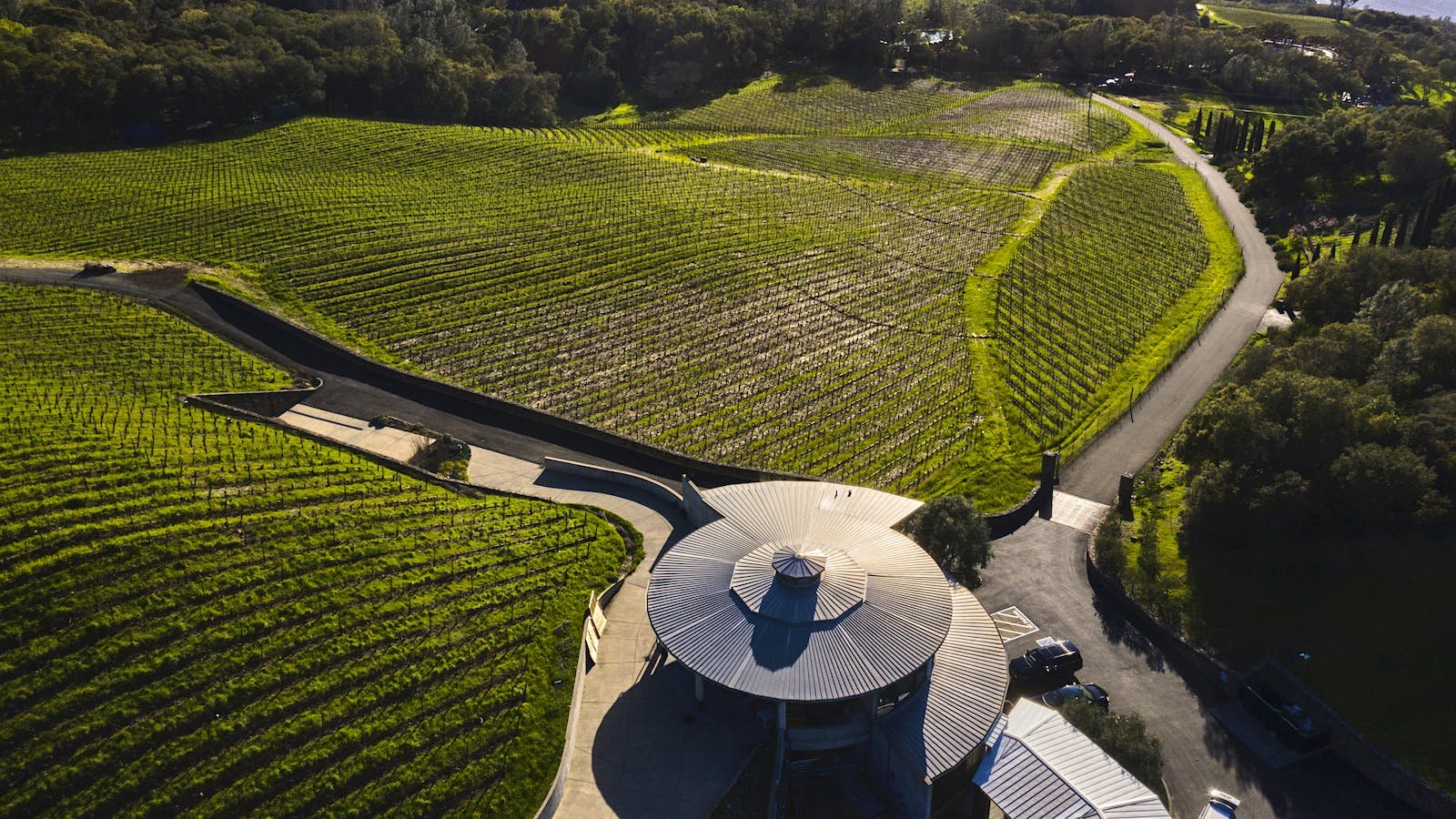
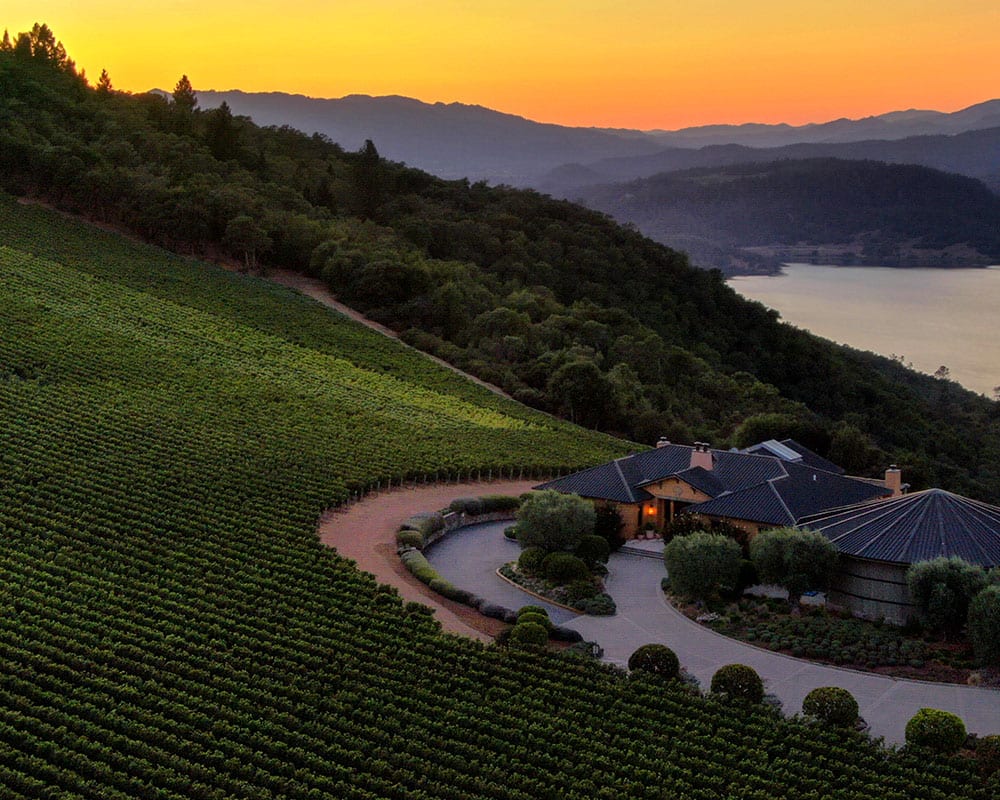
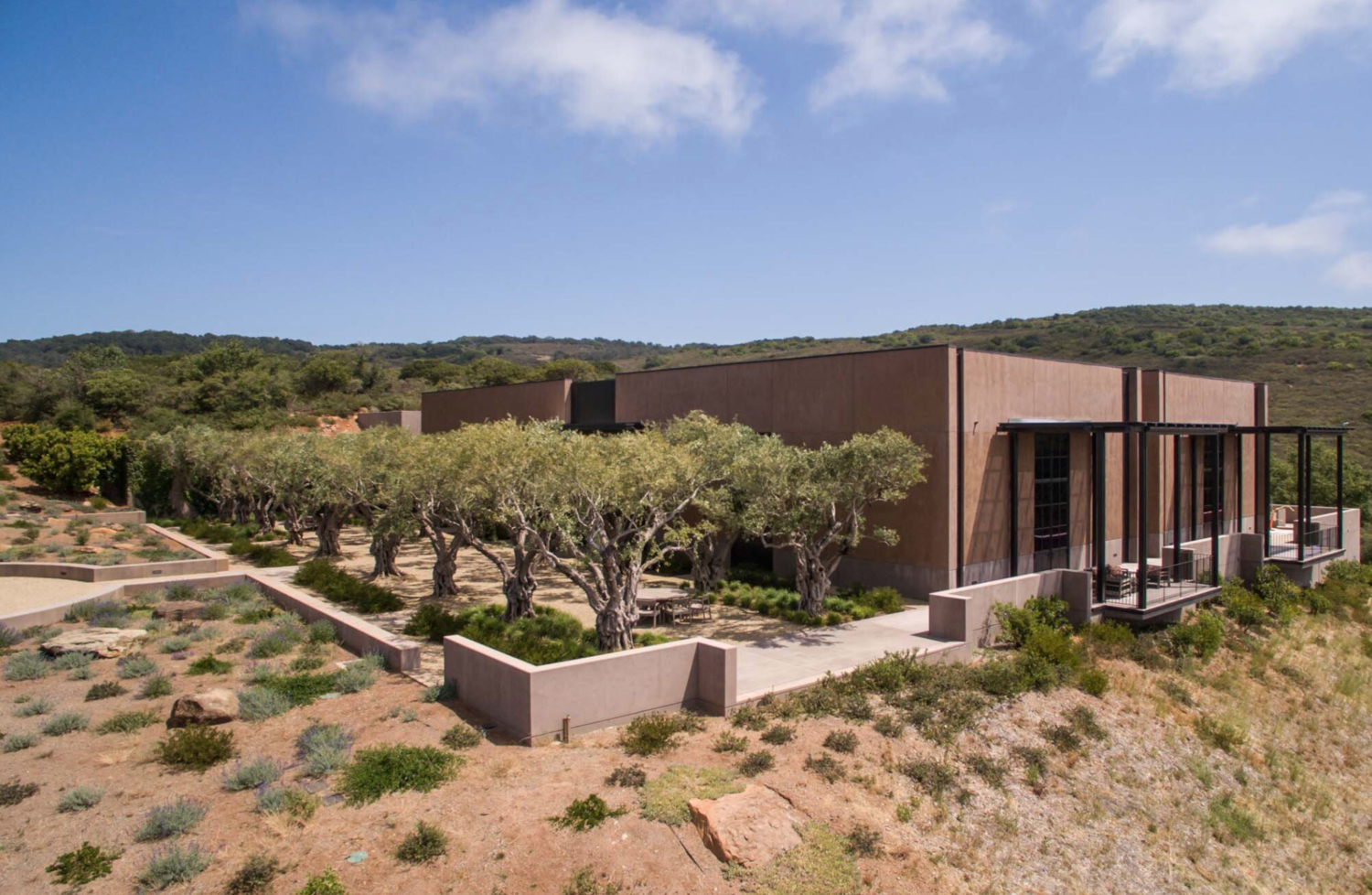
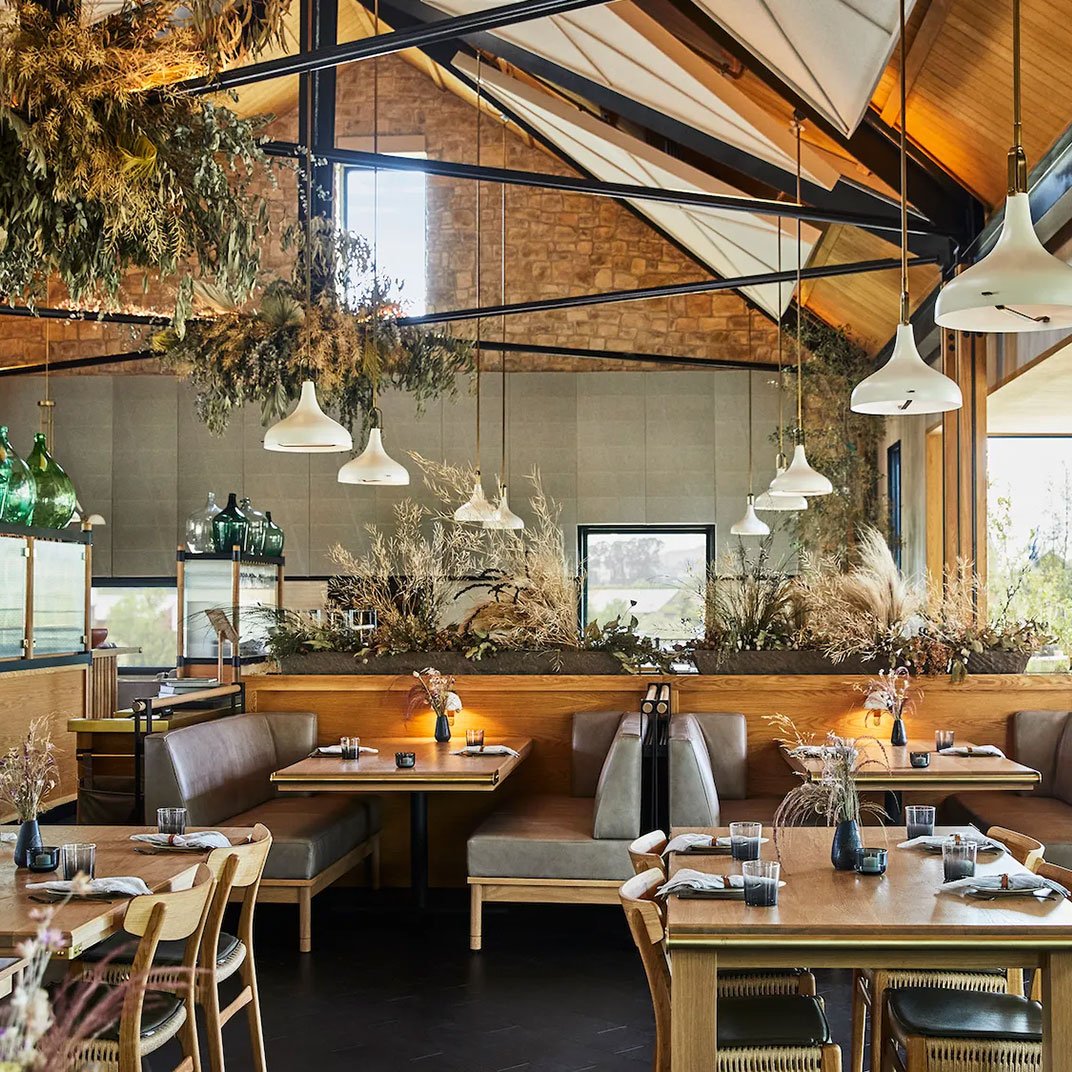
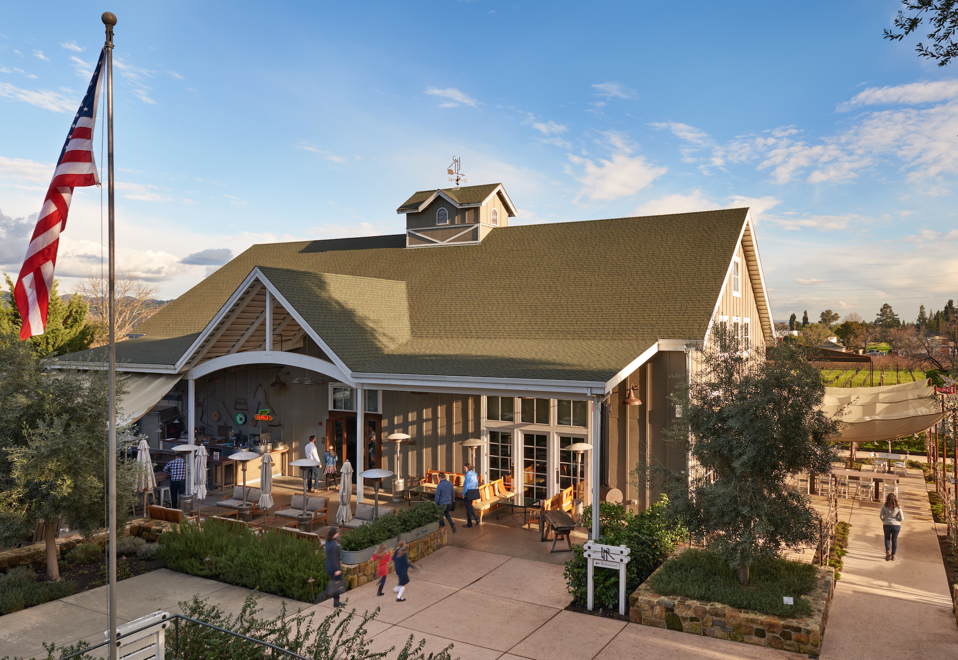
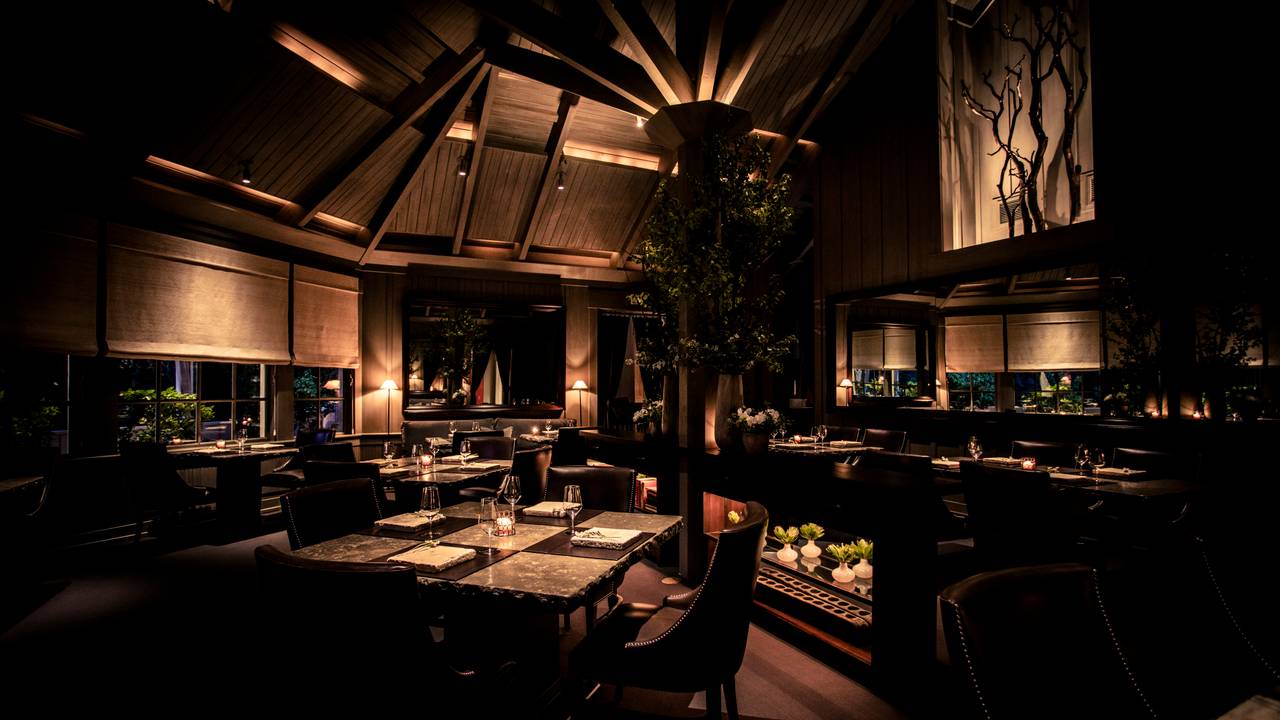
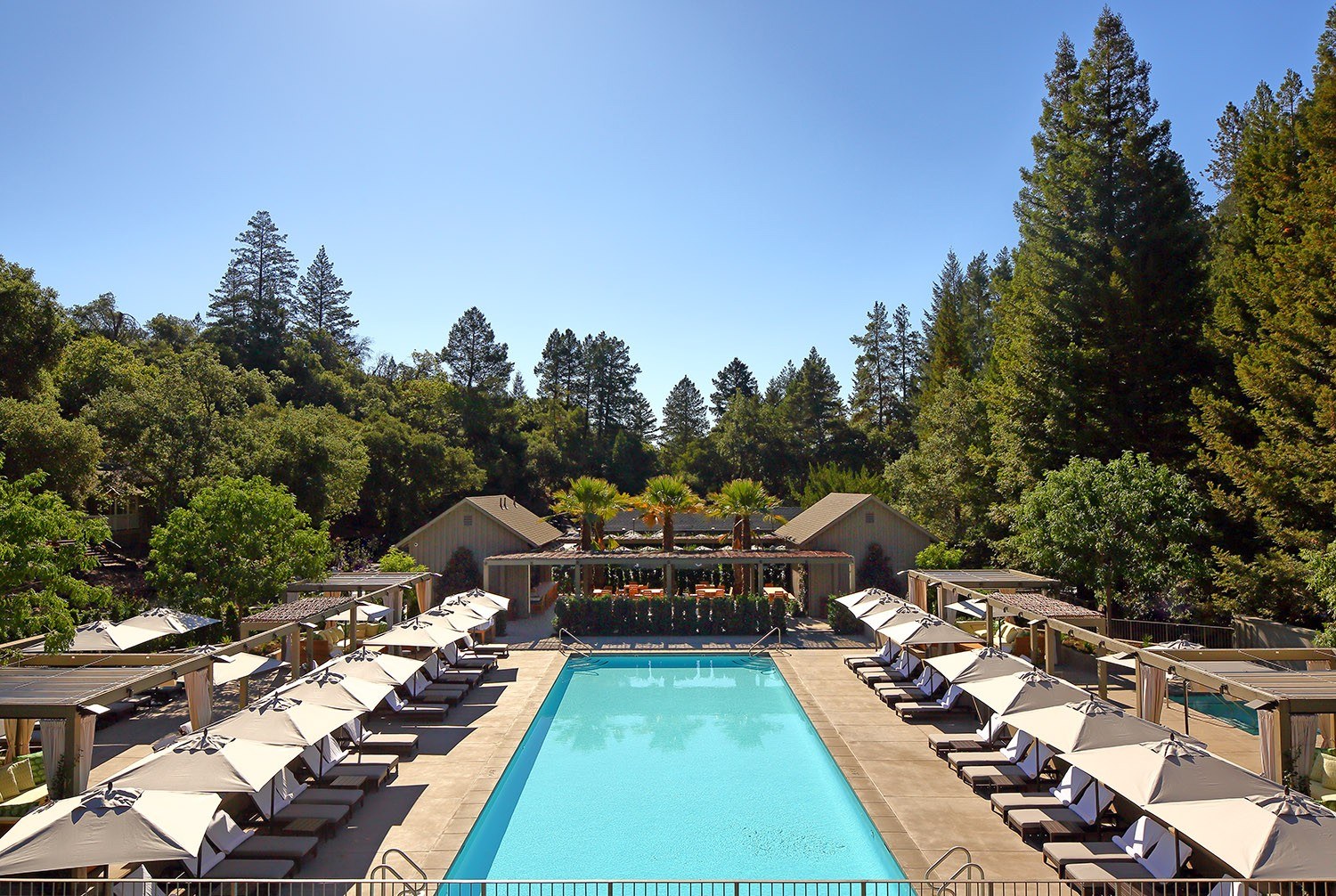
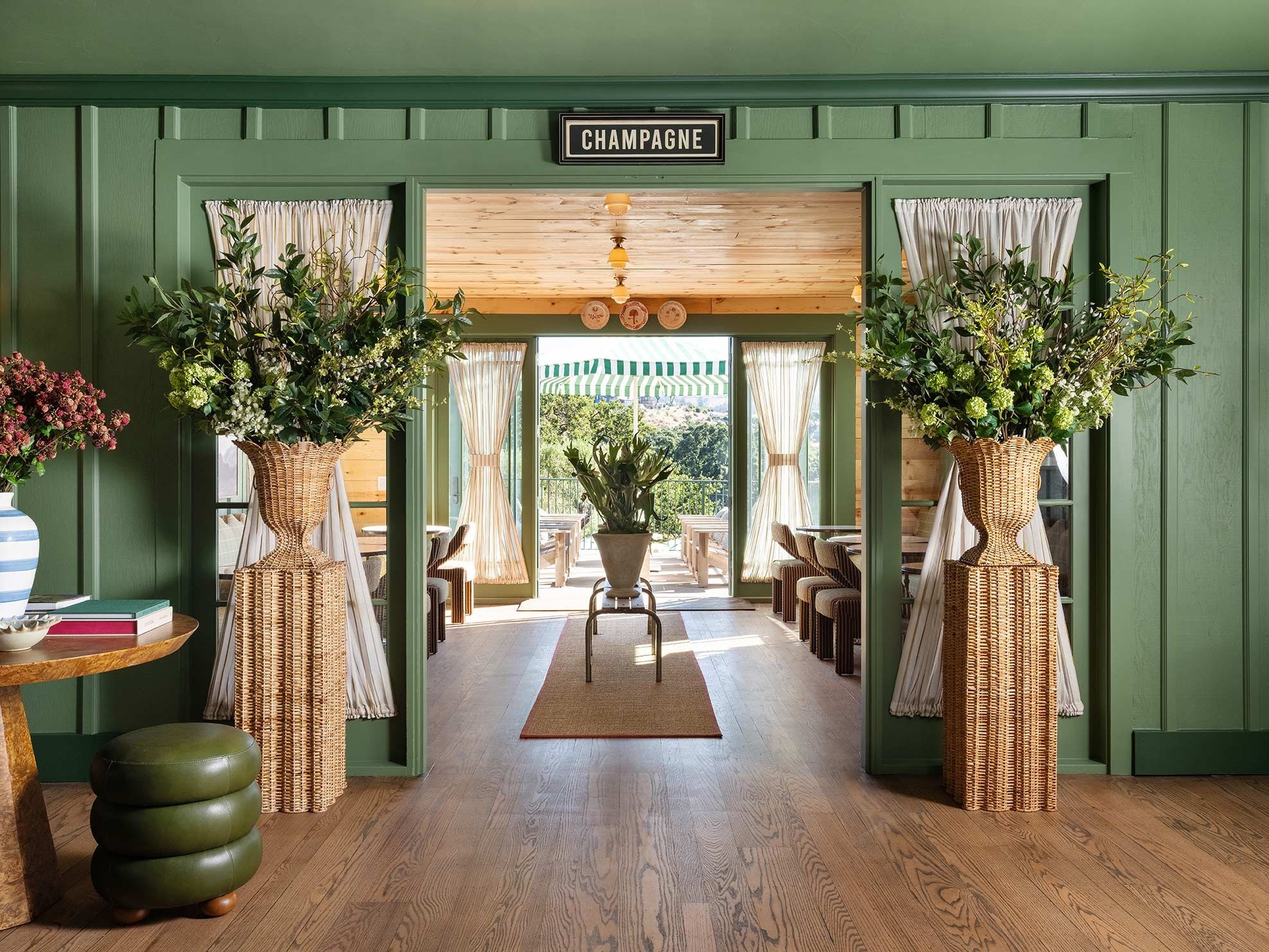
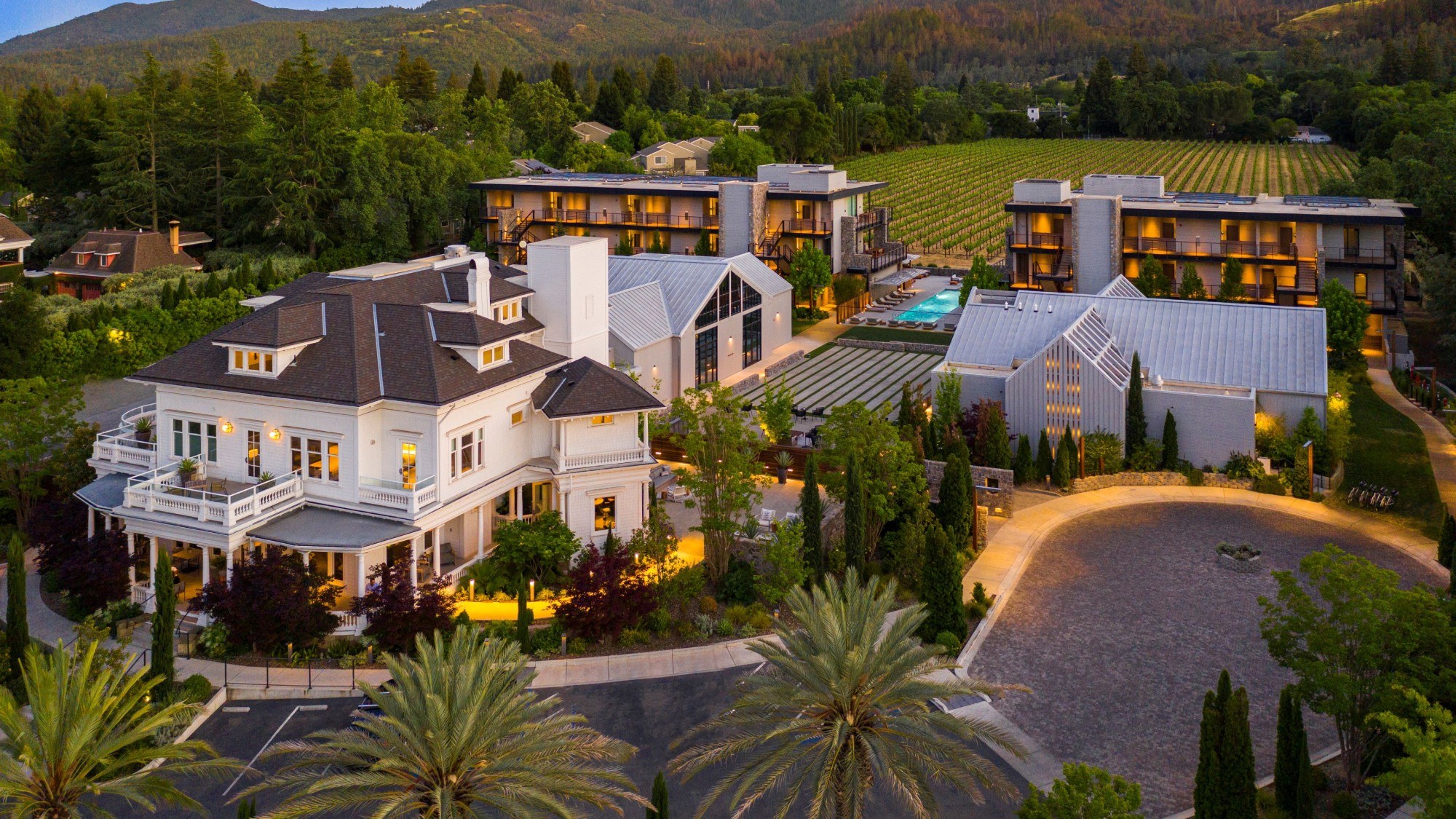
Intimate and elegant with a focus on precision winemaking in a modern, environmentally friendly facility surrounded by tree-lined hillsides offering scenic vineyard views.
Tags
Vibe
Best For
Experience
View
At the Vineyard
- Appellation
- St. Helena
- Varietals
- Cabernet Sauvignon, Cabernet Franc, Sauvignon Blanc, Petit Verdot, Merlot
- Visits
- By appointment only
- Wine Styles
- Still Red
- Wine Club
- Available
Know before you go
Know Before You Go
- Getting there
- 2929 St Helena Hwy, St Helena, CA 94574
Planning details
Location
Also consider
Where to look if this is full
Try Revana Family Vineyard first if the goal is another serious St. Helena estate tasting. Try Faust if the group needs a more flexible stop that fits around lunch, hotel check-in, or multiple winery appointments.
Winery context
How It Compares
Choose Vineyard 29 over Faust if the priority is a more controlled, serious tasting rather than an easier St. Helena stop. Faust is the better fit for visitors who want a more flexible-feeling itinerary, while Vineyard 29 suits travelers planning around one harder-to-secure appointment.
Revana Family Vineyard and Morlet Family Vineyards are the closest cross-shops for a collector-minded visit. Revana is the stronger comparison if the group wants a focused estate tasting in St. Helena; Morlet is better for readers willing to look beyond the immediate St. Helena cluster.
For lower-pressure value and easier planning, look at Ballentine Vineyards or Markham Vineyards. Those make more sense for mixed-interest groups, while Vineyard 29 is the pick when everyone at the table is there for wine first.
Around this place
Discover more on Pearl
Unlock the full Vineyard 29 guide in Pearl, including awards, comparisons, FAQs, planning details, and nearby places.
Compare Vineyard 29
| Venue | Location | Awards |
|---|---|---|
| Vineyard 29 | St. Helena | No published awards |
| Revana Family Vineyard | St. Helena | 2026 Falstaff Winery Guide |
| Faust | St. Helena | No published awards |
| Ballentine Vineyards | St. Helena | No published awards |
| Markham Vineyards | St. Helena | No published awards |
| Morlet Family Vineyards | Oakville | 2026 Falstaff Winery Guide |

How Vineyard 29 St. Helena compares with similar nearby venues.
FAQ
Frequently Asked Questions
When is the best time to visit Vineyard 29?
Hours and ideal visit times are not established. The safest approach is to confirm timing directly with the venue before planning the rest of your St. Helena day.