Smith-Madrone Vineyards & Winery
Spring Mountain District, St. Helena
Winery in St. Helena, United States
 Book with Pearl
The Read
High-Altitude Estate Viticulture
Why go
Smith-Madrone Vineyards & Winery is a St. Helena pick for travelers who want a focused Spring Mountain tasting rather than an easy valley-floor stop. Booking is difficult, so treat it as the anchor appointment and build the day around it, especially if quiet setting and wine context matter more than food or flexible timing.
About Smith-Madrone Vineyards & Winery
Smith-Madrone Vineyards & Winery is a St. Helena winery with a casual dress code and Pearl 2 Star Prestige recognition for 2025. Beyond those points, this guide should be treated as a concise planning note rather than a source for unconfirmed details about visits, pricing, food, hours, or services.
If you are building a St. Helena wine itinerary, use Our full St. Helena wineries guide to compare options and confirm current visit details directly before making plans.
Plan around the basics
The confirmed essentials are direct: Smith-Madrone Vineyards & Winery is in St. Helena, the dress code is casual, and it holds Pearl 2 Star Prestige recognition for 2025. Specifics beyond those basics are not confirmed here, so check directly with the winery before relying on operational details.
For the rest of a St. Helena stay, keep planning categories separate: compare dining in Our full St. Helena restaurants guide, and use Our full St. Helena hotels guide if staying nearby helps simplify the itinerary.
Who should prioritize it in St. Helena
This is most relevant for visitors specifically considering a St. Helena winery with Pearl 2 Star Prestige recognition. If you are comparing winery options, you may also look at Barnett Vineyards, Schweiger Vineyards, Sherwin Family Vineyards, Terra Valentine, or Vineyard 7&8, while confirming current visit details with each venue directly.
For other parts of the trip, use Our full St. Helena bars guide for later plans and compare other St. Helena dining or activity options separately. The practical verdict: consider Smith-Madrone Vineyards & Winery if its St. Helena location and Pearl 2 Star Prestige recognition fit your plans, but verify operational details before committing.
Planning details
- Location
- 4022 Spring Mountain Rd, St Helena, CA 94574
- Website
- smithmadrone.com
- Phone
- +1 707-963-2283
The take
The Take
The Vibe
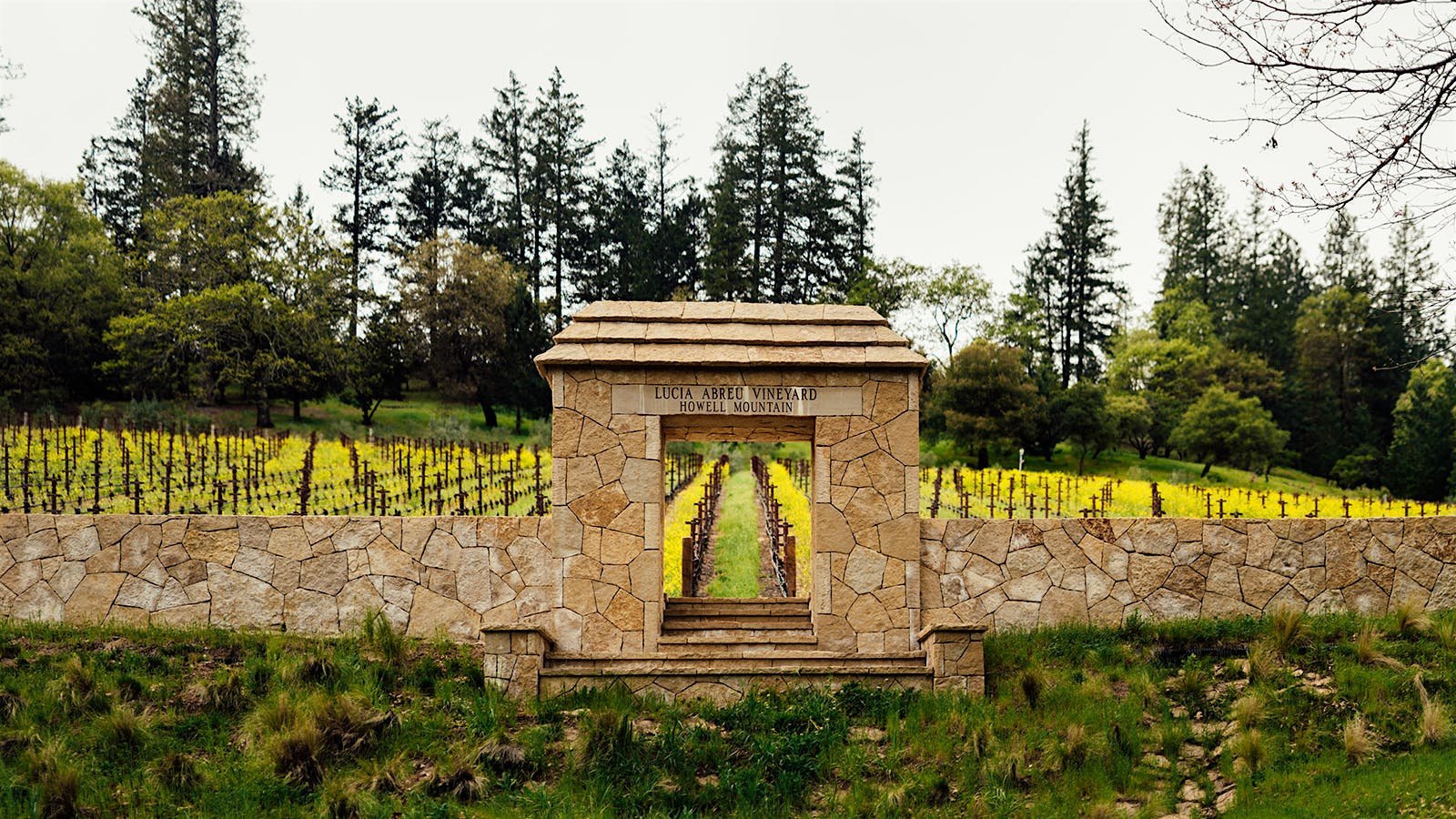
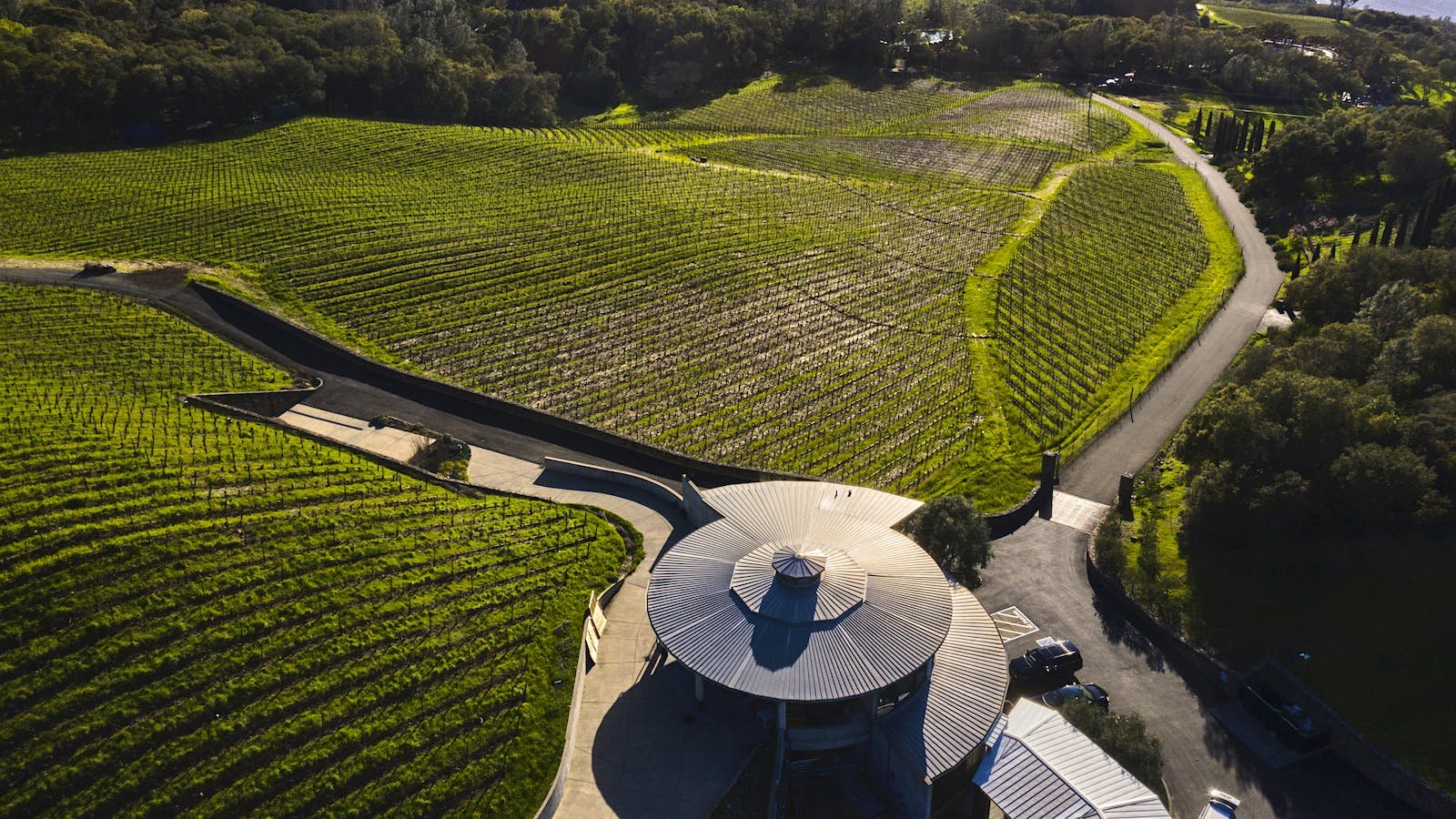
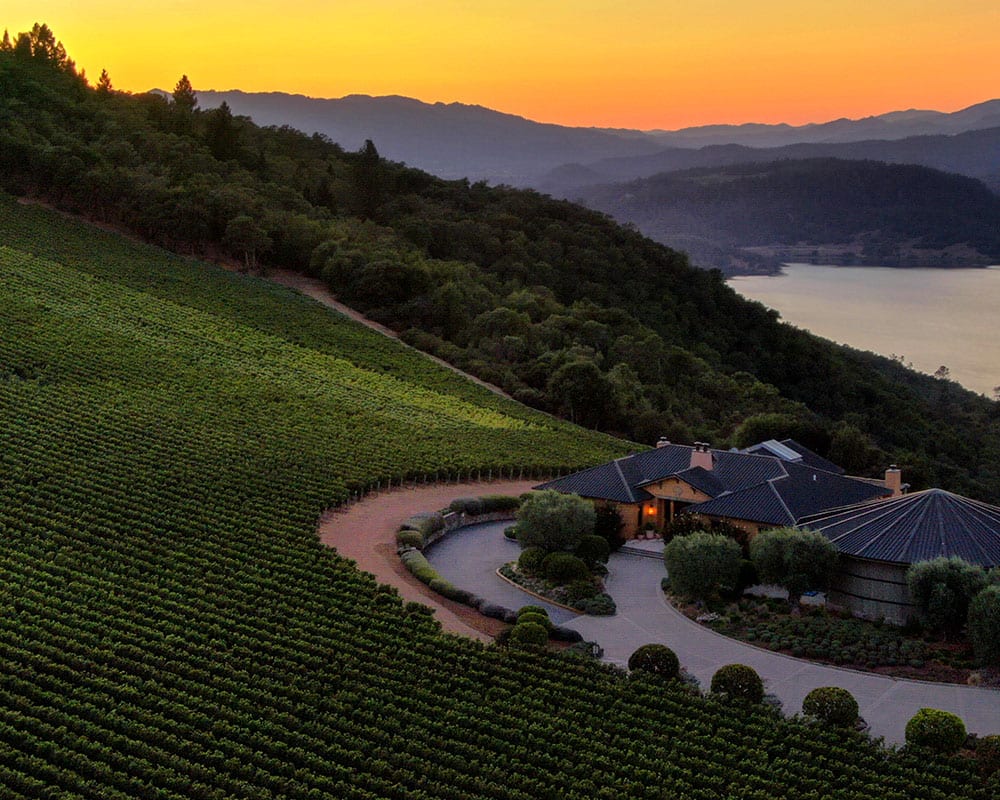
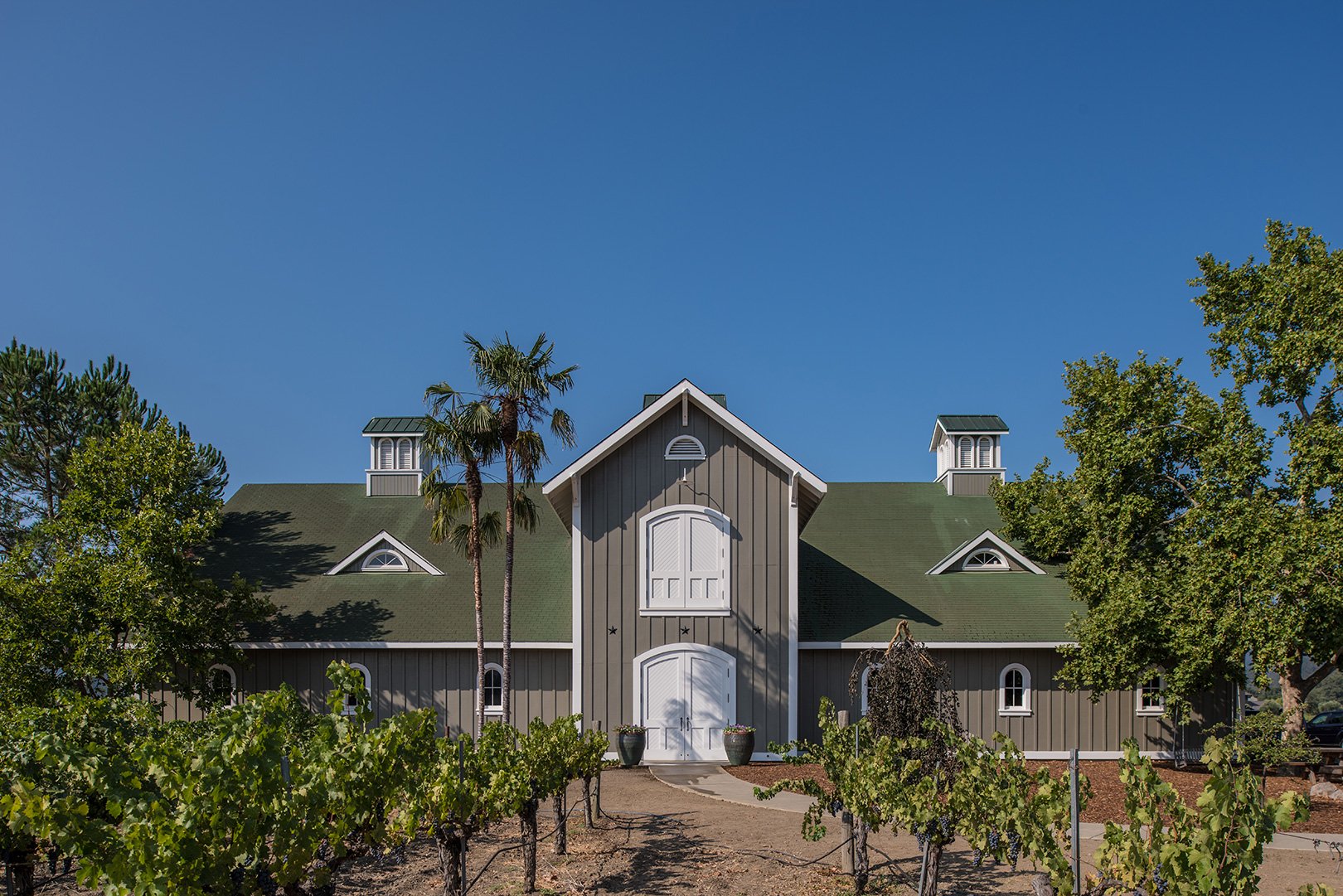
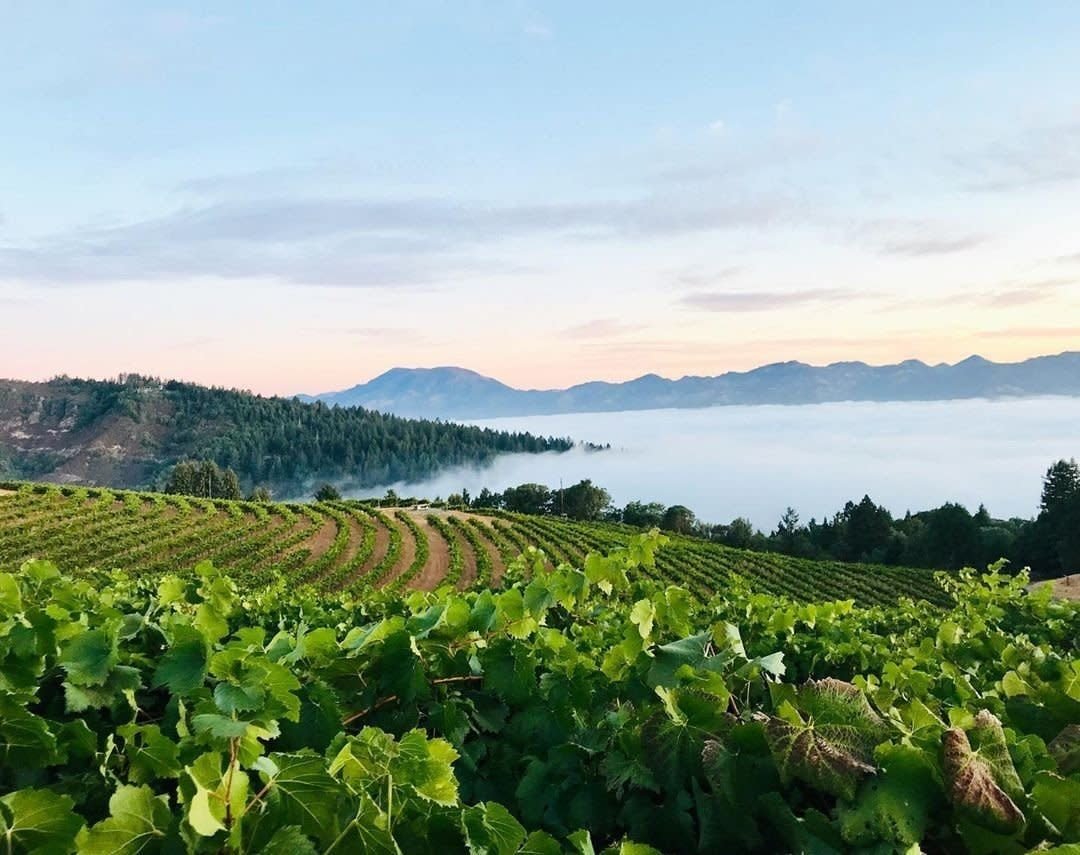
Smith-Madrone reads like a quietly confident estate tucked into Spring Mountain rather than a theatrical Napa showpiece. The setting is forested and agricultural, with a working-farm quality that favors vineyard stewardship over visitor spectacle. Visits are appointment-driven and small in scale, which reinforces a focused, considered atmosphere. The winery’s 2 Star Prestige recognition underscores a level of craft and seriousness without suggesting ostentation. Overall the place feels like a serene, slightly hidden counterpoint to valley-floor tasting rooms — intimate, estate-focused, and oriented toward the land and the wines it produces.
Best For
This is a winery for people who book ahead and want a focused, estate-oriented tasting: students of vineyard sites, solo visitors seeking thoughtful pours, and couples planning a small special occasion. The mountain context and appointment-only model reward visitors who prioritize wine education and a slower pace over walk-in socializing. Daytime appointments carry a working-farm sensibility, so it’s best for guests who appreciate vineyard conversation and terroir-driven wines rather than large, theatrical tasting experiences.
Tasting Tips
Book an appointment in advance — visits here are explicitly appointment-only and described as something you plan around rather than a casual stop. Expect a steep climb up Spring Mountain Road: the light, temperature and road character change quickly once you leave the valley floor. Allow extra time for the drive and for a tasting that emphasizes the estate and vineyard; come prepared to focus on site-driven wines rather than a large visitor program. Treat the visit as a deliberate, educational tasting experience.
Venue details
Ambiance
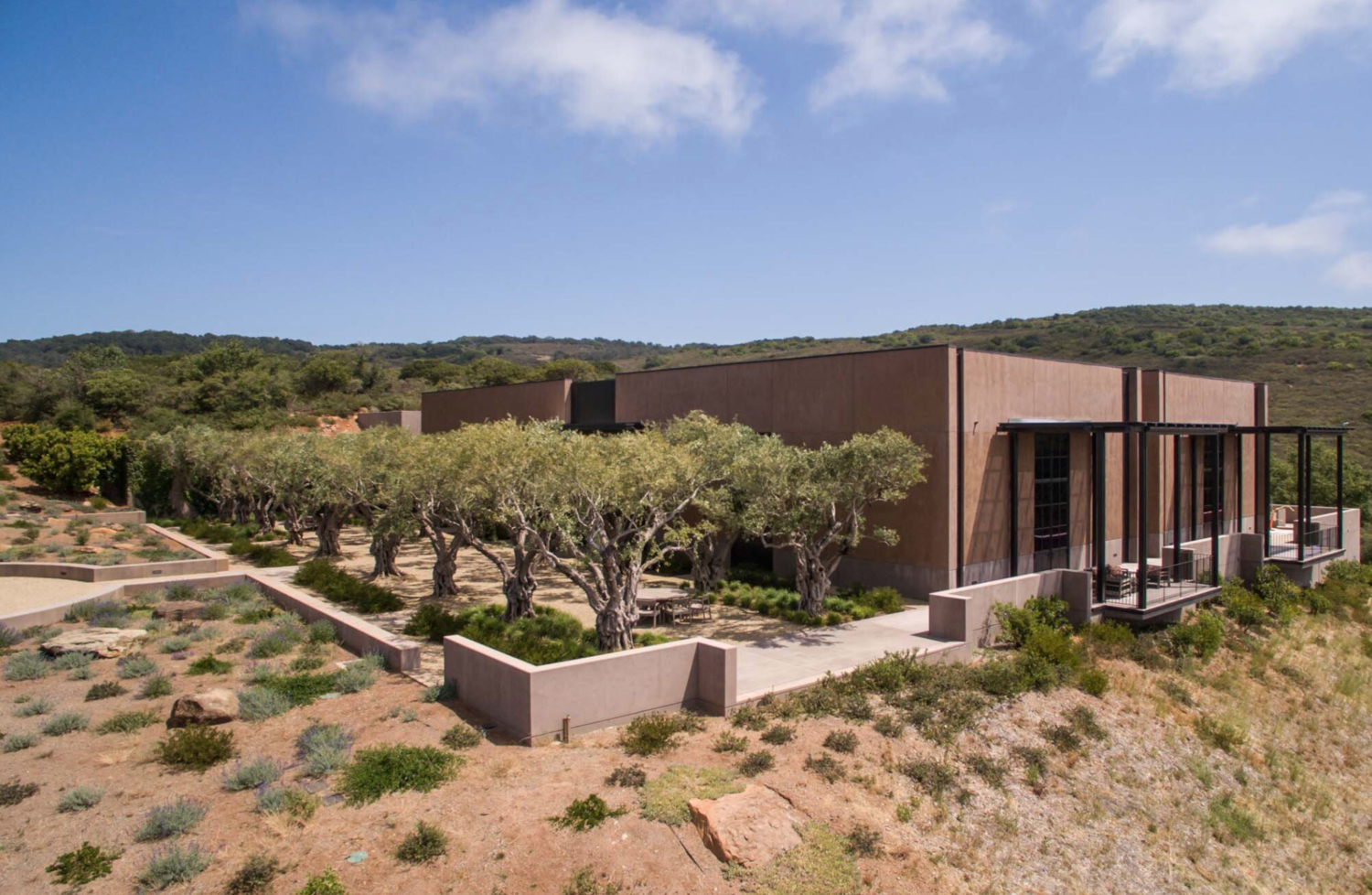
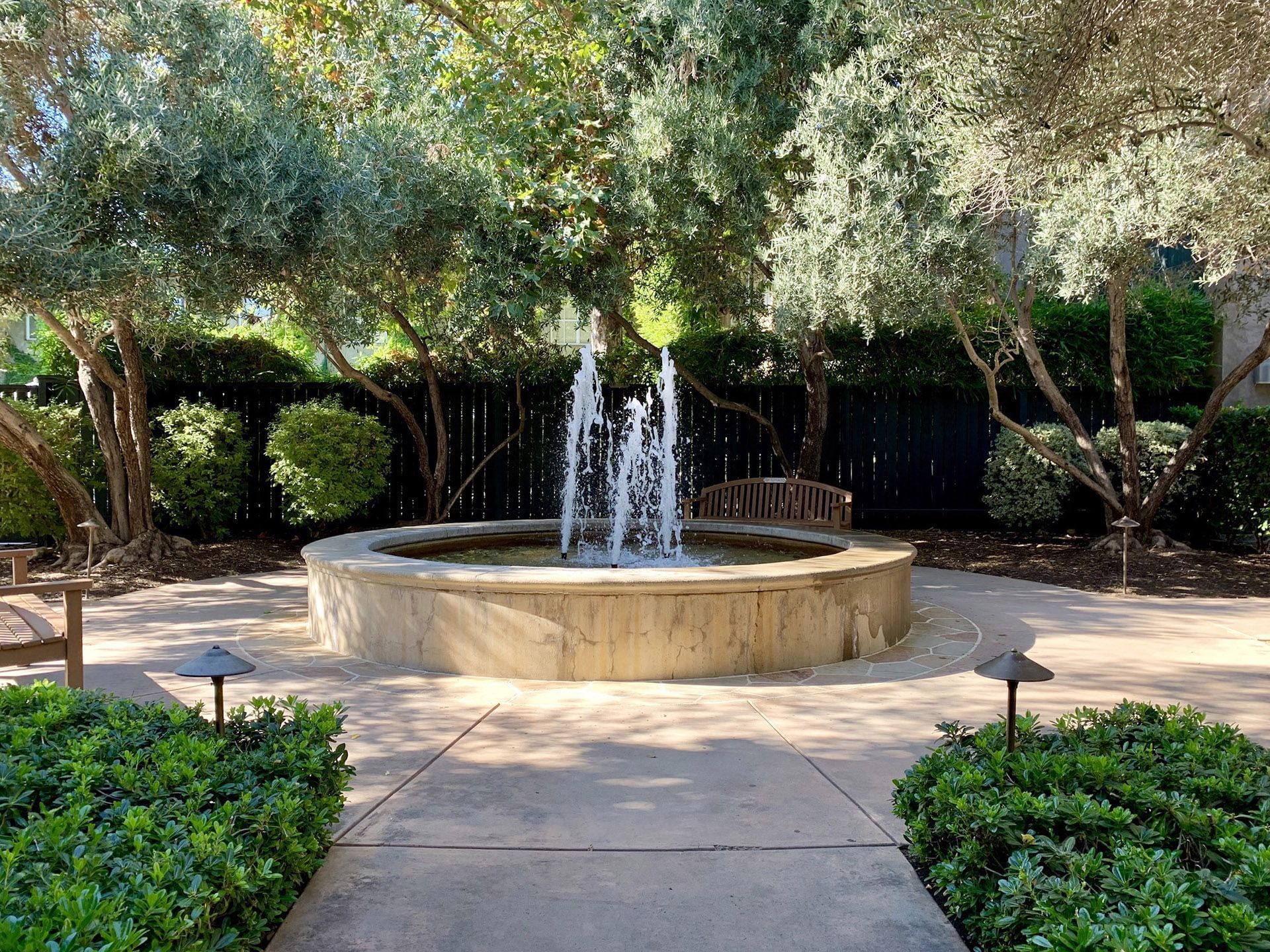
Serene mountain atmosphere amid historic olive trees, madrone forests, and sweeping vineyard views with a focus on artisanal craftsmanship.
Tags
Vibe
Best For
Experience
Sourcing
View
At the Vineyard
- Appellation
- Spring Mountain District AVA
- Varietals
- Cabernet Sauvignon, Chardonnay, Riesling, Cabernet Franc, Merlot
- Visits
- By appointment only
- Farming
- Sustainable
- Wine Styles
- Still White, Still Red
- Wine Club
- Available
Know before you go
Know Before You Go
- Getting there
- 4022 Spring Mountain Rd, St Helena, CA 94574
Planning details
Location
Also consider
Also Consider
- Barnett Vineyards, Notable alternative
- Sherwin Family Vineyards, Notable alternative
- Schweiger Vineyards, Notable alternative
- Vineyard 7&8, Notable alternative
- Terra Valentine, Notable alternative
Winery context
How it compares in St. Helena
Choose Smith-Madrone Vineyards & Winery over Barnett Vineyards, Sherwin Family Vineyards, Schweiger Vineyards, Vineyard 7&8, and Terra Valentine if the priority is a harder-to-secure mountain appointment with a quieter, more focused feel. It is not the practical choice for a loose St. Helena day; the booking challenge makes it better as the anchor stop than as a backup.
Barnett Vineyards and Vineyard 7&8 are the natural cross-shops for travelers who want a comparable mountain-winery mood but need alternatives if this appointment does not line up. Schweiger Vineyards and Sherwin Family Vineyards make more sense for guests prioritizing a family-winery feel within the same broader St. Helena set.
For value, the safest approach is to compare confirmed tasting fees and formats before locking the day, since no verified price is available here. Terra Valentine is the one to keep on the shortlist if ambiance is the deciding factor and the preferred time at Smith-Madrone Vineyards & Winery is not available.
Around this place
Discover more on Pearl
Unlock the full Smith-Madrone Vineyards & Winery guide in Pearl, including awards, comparisons, FAQs, planning details, and nearby places.
Compare Smith-Madrone Vineyards & Winery
| Venue | Location | Awards |
|---|---|---|
| Smith-Madrone Vineyards & Winery | St. Helena | No published awards |
| Barnett Vineyards | St. Helena | No published awards |
| Sherwin Family Vineyards | St. Helena | No published awards |
| Schweiger Vineyards | St. Helena | No published awards |
| Vineyard 7&8 | St. Helena | No published awards |
| Terra Valentine | St. Helena | No published awards |
How Smith-Madrone Vineyards & Winery compares with similar nearby venues.
FAQ
Frequently Asked Questions
Where is Smith-Madrone Vineyards & Winery?
Smith-Madrone Vineyards & Winery is in St. Helena.
Does Smith-Madrone Vineyards & Winery have recognition?
Yes. Smith-Madrone Vineyards & Winery has Pearl 2 Star Prestige recognition for 2025.
What should I confirm before visiting Smith-Madrone Vineyards & Winery?
Details beyond the St. Helena location, casual dress code, and Pearl 2 Star Prestige recognition for 2025 are not confirmed here. Confirm current visit details directly with the winery before planning.
How should I compare Smith-Madrone Vineyards & Winery with other options?
Use the basics as a starting point, then compare current details directly with Smith-Madrone Vineyards & Winery and any other wineries you are considering.