Prager Winery & Port Works
St. Helena
Winery in St. Helena, United States
 Book with Pearl
The Read
California Port Tradition
Price
$20–30tasting
Why go
For a current St. Helena itinerary, Prager Winery & Port Works makes the most sense as a focused contrast stop rather than a default Napa tasting. Book it if you can plan around a difficult slot and want something different from the usual estate sequence; choose a larger peer if ease or group flexibility matters more.
About Prager Winery & Port Works
Prager Winery & Port Works is a St. Helena venue with a casual dress code and 2 Star Prestige recognition for 2025. With limited detail available here, the safest way to frame a visit is simple: consider it as one St. Helena stop to evaluate alongside other winery options, then confirm all visit logistics directly before making a final plan.
The clearest grounded case for Prager Winery & Port Works is its St. Helena location and its 2025 2 Star Prestige recognition. Beyond that, avoid building an itinerary around assumptions about service format, timing, availability, pricing, or specific offerings unless the venue confirms them for your date.
Use it as a focused St. Helena consideration, not an assumption-heavy plan
The strongest way to plan around Prager Winery & Port Works is to treat it as one deliberate St. Helena option and verify the practical details before locking the rest of the day. If the day is centered on St. Helena, use Our full St. Helena wineries guide to group stops, then cross-check meals through Our full St. Helena restaurants guide and lodging through Our full St. Helena hotels guide.
For travelers comparing winery options, the useful distinction is not an claim about format or amenities, but fit. Prager Winery & Port Works may belong on a St. Helena short list for visitors who want to compare several venues and then confirm the practical details directly.
Plan the surrounding day before you chase the slot
Because only limited details are here, the practical decision is to confirm the visit directly with Prager Winery & Port Works before arranging the rest of the day around it. Comparison planning can include Sutter Home Winery, HALL Wines St. Helena, or Taplin Cellars. Louis M. Martini Winery and Heitz Cellar Estate are also relevant winery options to consider.
For non-winery planning around town, use Our full St. Helena bars guide, Our full St. Helena hotels guide, and Our full St. Helena experiences guide.
Verdict: consider Prager Winery & Port Works if you are building a St. Helena winery plan and want a 2 Star Prestige venue on the short list. Confirm all current visit details directly, and compare it with other winery options before committing the day.
Planning details
- Location
- 1281 Lewelling Ln, St Helena, CA 94574
- Website
- pragerport.com
- Phone
- +1 707-963-7678
The take
The Take
The Vibe
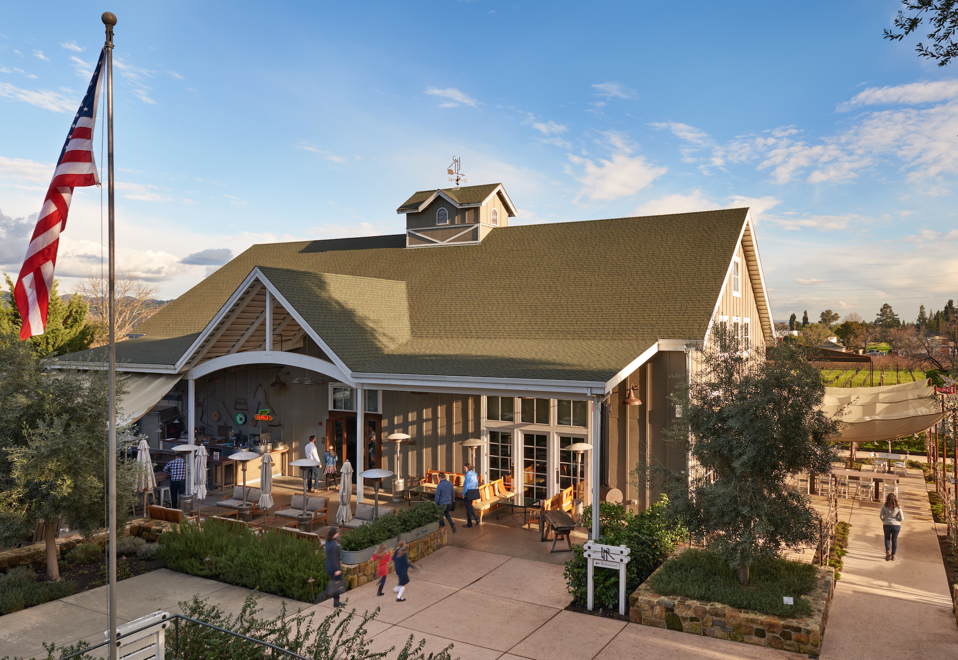
Prager Winery & Port Works settles into Napa as a quietly confident outlier. The drive down Lewelling Lane lands you on agricultural ground rather than a theatrical tasting campus; the place reads like a working production facility first and a hospitality destination second. That restrained, deliberate pace gives the property a scenic, low-key charm—an understated sophistication rooted in technical seriousness rather than flash. Visitors encounter focused, small-scale winemaking and an atmosphere that feels removed from the valley’s spectacle, making tastings feel more like an intimate technical conversation than a performance.
Best For
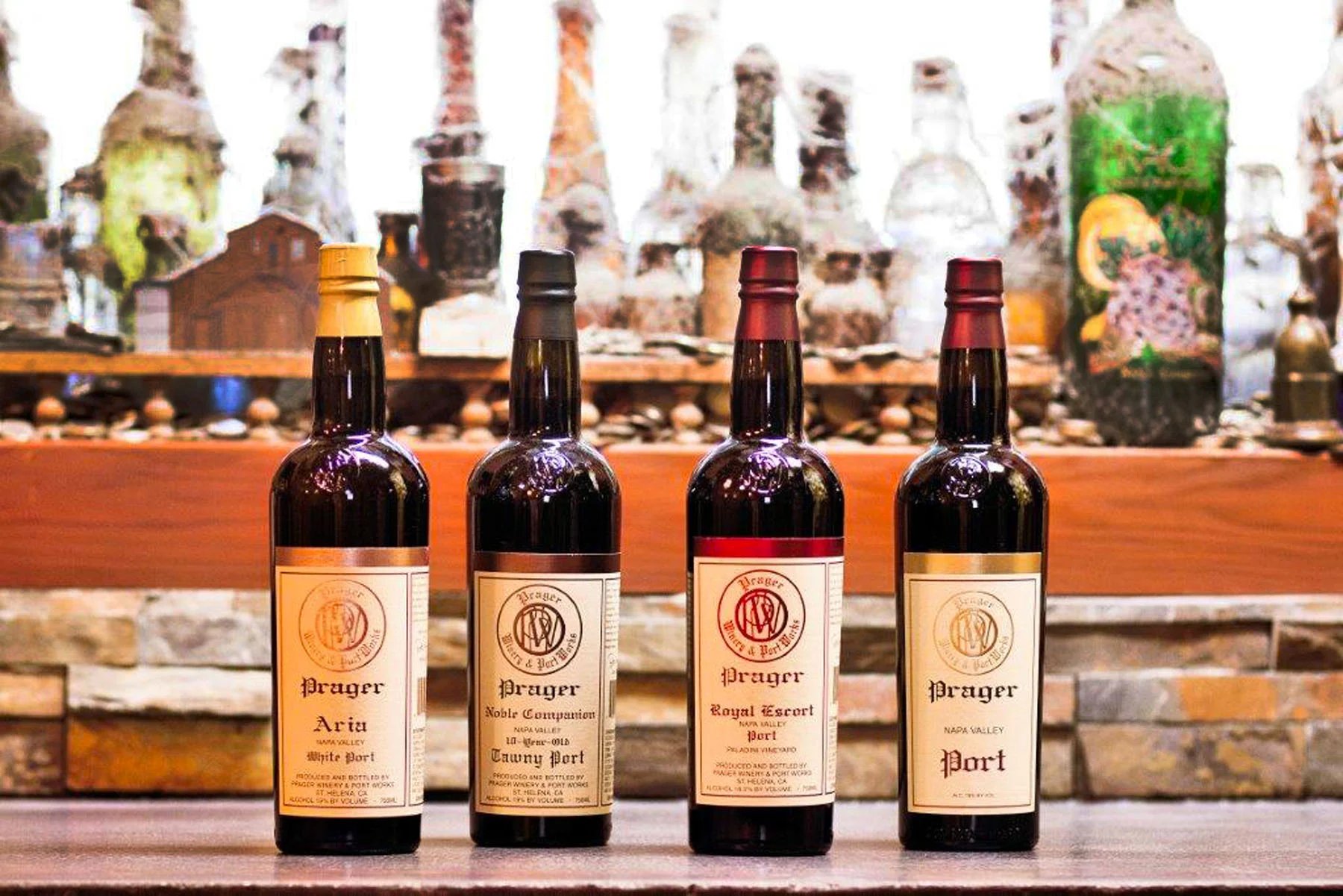
This winery is best for collectors, wine students, and visitors who have moved beyond Napa’s headline Cabernet circuit and want to explore fortified wines. Prager’s reputation for Port-style production and its emphasis on the specific techniques and varieties that those wines demand make it appealing to people seeking education and depth rather than amenity-driven experiences. Because the property is off the main corridor and deliberately unhurried, it also suits couples or small groups looking for a quiet, low-key tasting that prioritizes conversation and craft over spectacle.
Tasting Tips
Focus your tasting on the Port-style selections—the winery’s specialization is the reason to come. Ask staff about the production choices that distinguish their fortified wines, including the technique of arresting fermentation with grape spirit and the role that Touriga Nacional, Tinta Cao, and Souzao play in the blends. Frame questions around sourcing, fortification timing, and aging to get the most technical insights. If you’re a collector or serious taster, indicate that interest up front so the host can highlight bottlings and practices rather than offering a generic overview.
Venue details
Ambiance
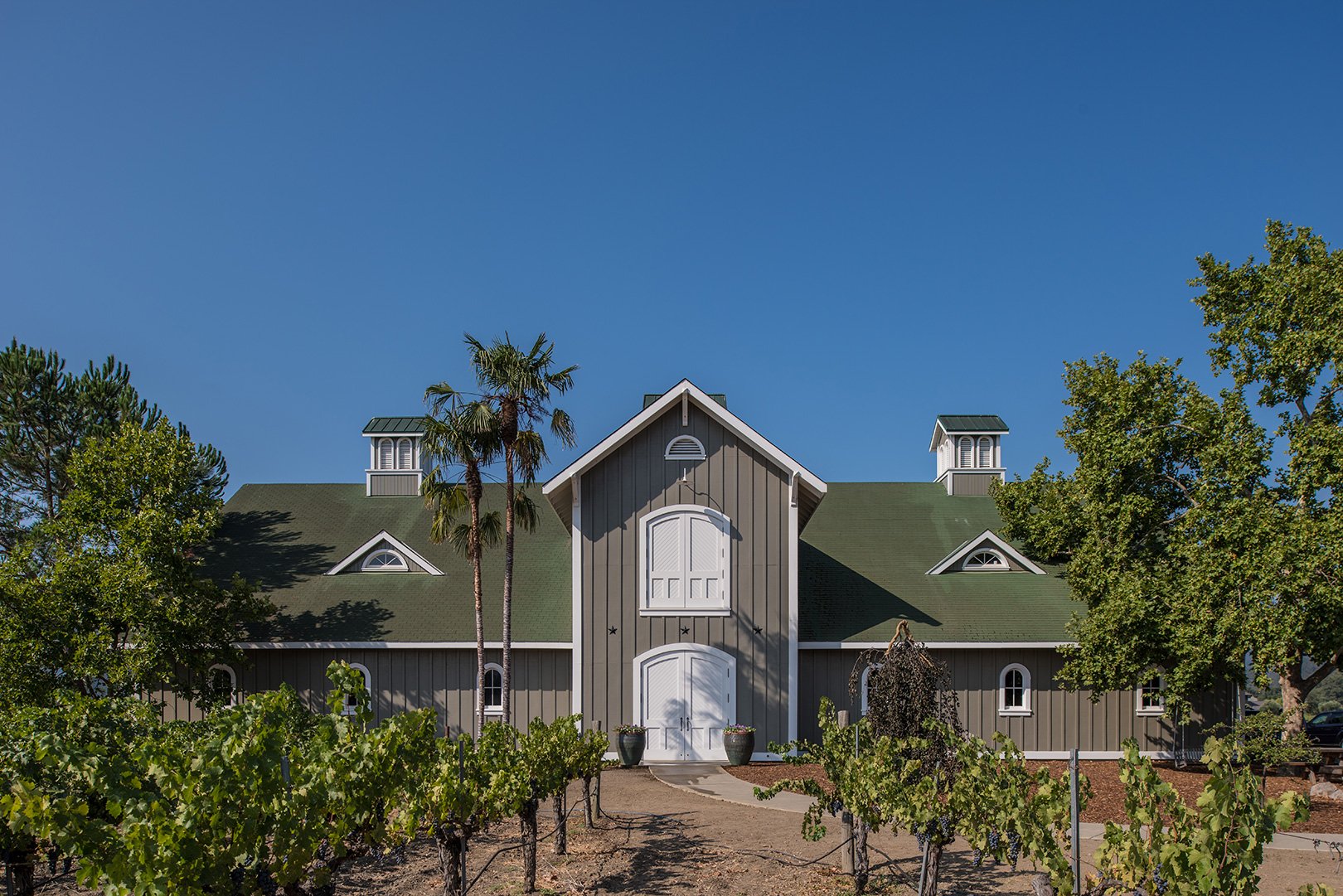
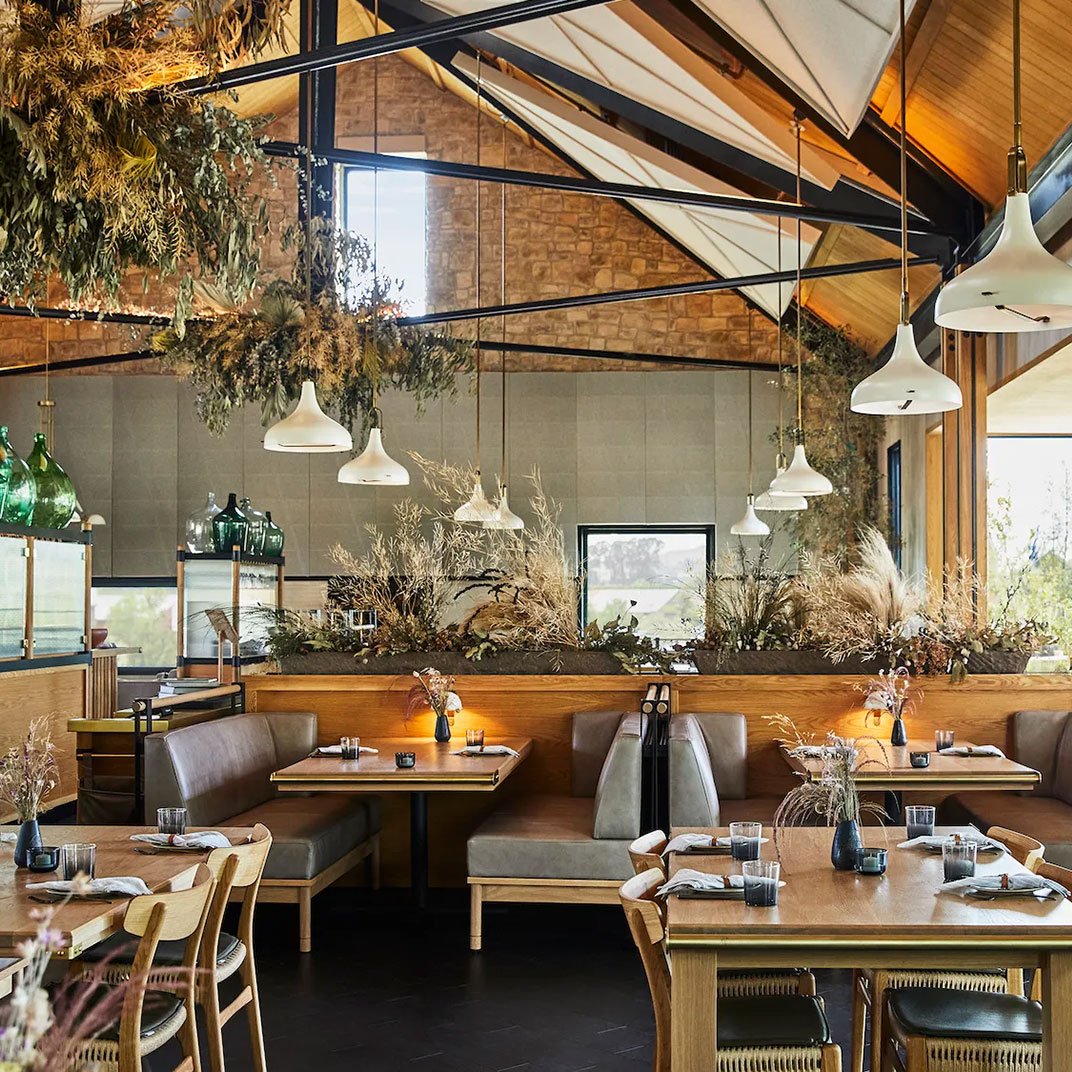
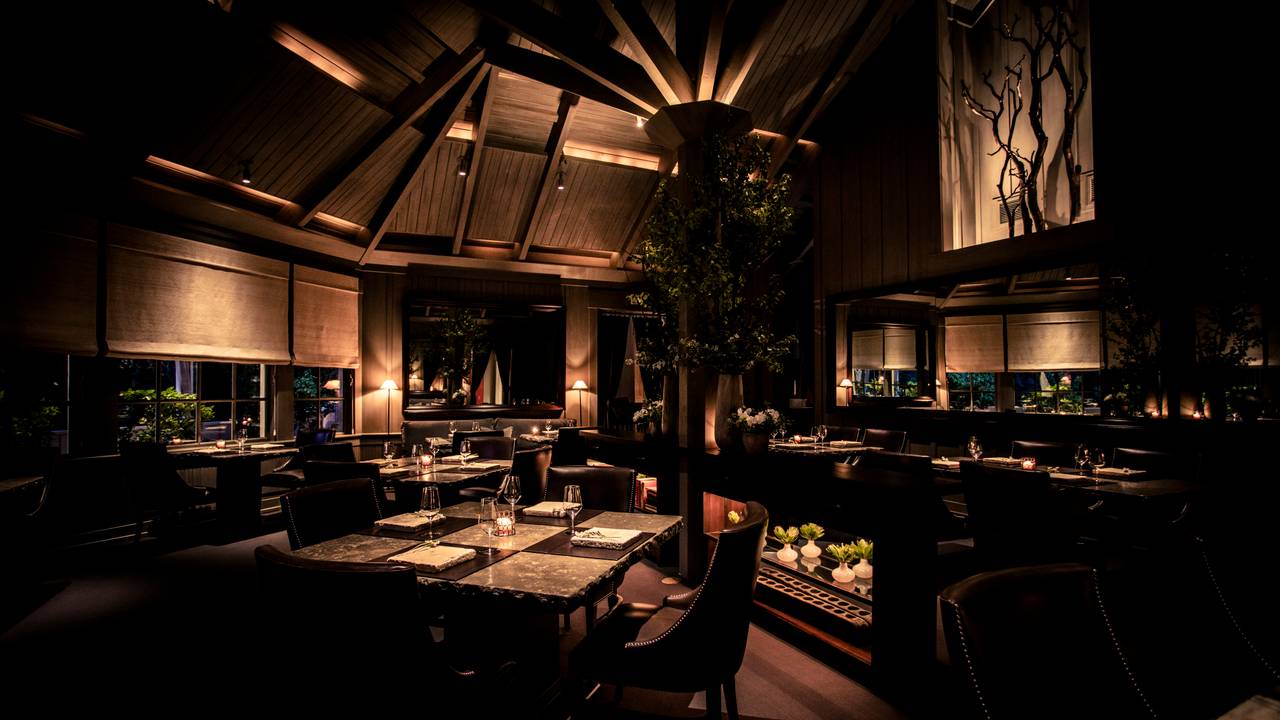
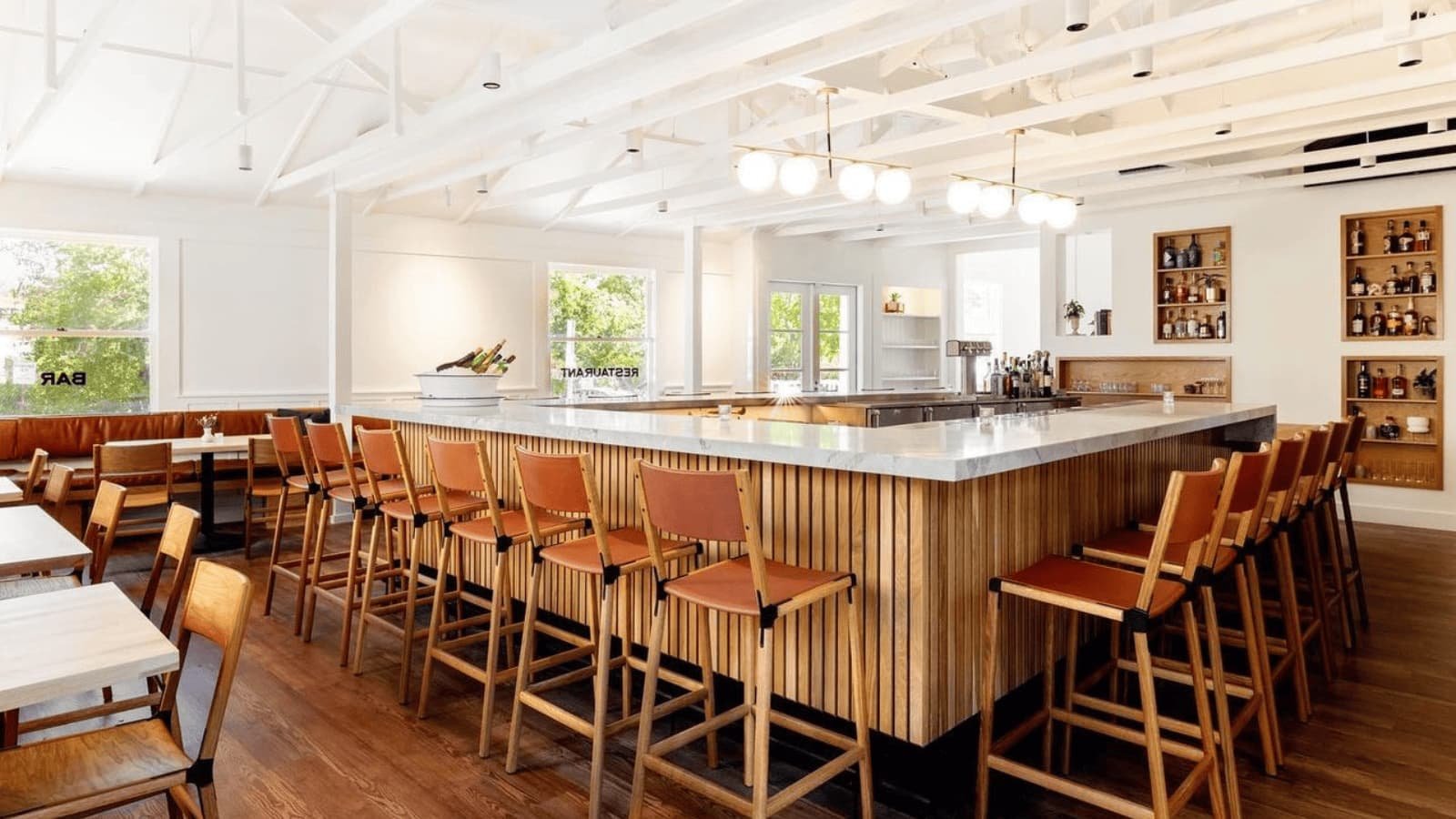
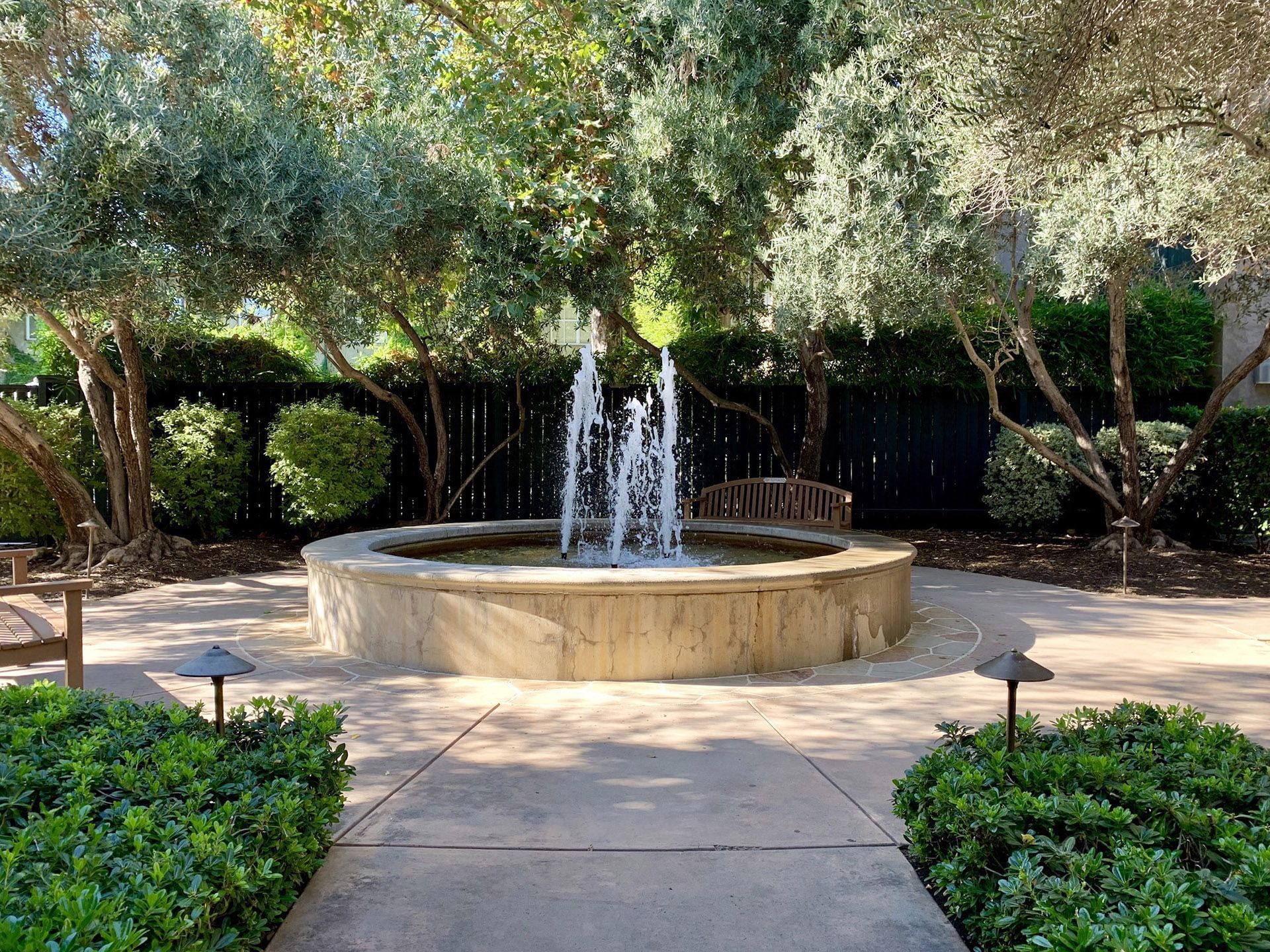
Quaint, rustic barn atmosphere with a warm, friendly family vibe, quiet outdoor shaded seating, and a historic, laid-back feel evoking old-school winery charm.
Tags
Vibe
Best For
Experience
View
Accessibility
At the Vineyard
- Appellation
- Napa Valley AVA
- Varietals
- Petite Sirah, Chardonnay, Tinta Roriz, Touriga
- Visits
- By reservation
- Production
- Small producer
- Wine Styles
- Fortified, Dessert
- Food Pairing
- Offered
- Shipping
- Available
- Wine Club
- Available
Know before you go
Know Before You Go
- Getting there
- 1281 Lewelling Ln, St Helena, CA 94574
Planning details
Location
Also consider
Where to look if this is booked
If the desired slot does not work, start with HALL Wines St. Helena for a more expansive St. Helena experience, or Sutter Home Winery if the group needs an easier, more casual stop.
Taplin Cellars is the cleaner alternative when the goal is to stay close in St. Helena rather than redesign the whole day.
Winery context
How it compares with St. Helena winery options
Prager Winery & Port Works is the sharper pick for repeat St. Helena visitors who want contrast in the itinerary. Sutter Home Winery is the easier choice for a more familiar, casual stop, while HALL Wines St. Helena is stronger for visitors who want a larger, more polished estate feel.
If booking difficulty is the deciding factor, do not treat Prager as the flexible option. Louis M. Martini Winery and Heitz Cellar Estate are better fits when the day needs a more classic Napa structure, while Taplin Cellars is worth cross-shopping for a St. Helena plan that stays compact.
Value comes down to what the group wants from the stop. Choose Prager for specificity and itinerary contrast; choose Sutter Home for accessibility, HALL for a bigger visual impression, Louis M. Martini or Heitz for a more traditional Napa comparison point, and Taplin when keeping the day tightly local matters.
Around this place
Discover more on Pearl
Unlock the full Prager Winery & Port Works guide in Pearl, including awards, comparisons, FAQs, planning details, and nearby places.
Compare Prager Winery & Port Works
| Venue | Location | Awards |
|---|---|---|
| Prager Winery & Port Works | St. Helena | No published awards |
| Sutter Home Winery | St. Helena | No published awards |
| Louis M. Martini Winery | Napa | 2025 Pearl 3 Star Prestige |
| HALL Wines St. Helena | St. Helena | 2025 Pearl 2 Star Prestige |
| Heitz Cellar Estate | Napa | 2026 Falstaff Winery Guide2025 Pearl 4 Star Prestige |
| Taplin Cellars | St. Helena | No published awards |


How Prager Winery & Port Works St. Helena Verdict compares with similar nearby venues.
FAQ
Frequently Asked Questions
How long should I plan for a visit to Prager Winery & Port Works?
Confirm timing directly with Prager Winery & Port Works before planning your day. The details here are that it is in St. Helena, has a casual dress code, and holds 2 Star Prestige recognition for 2025. If the day also includes Sutter Home Winery or HALL Wines St. Helena, verify each stop's current logistics before setting the sequence.
What is Prager Winery & Port Works known for?
Prager Winery & Port Works is a St. Helena venue with 2 Star Prestige recognition for 2025.
Where is Prager Winery & Port Works located?
Prager Winery & Port Works is located in St. Helena.