Merus Wines
St. Helena
Winery in St. Helena, United States
 Book with Pearl
The Read
Allocation-Tier Cellar Precision
Why go
Merus Wines is a stronger fit for serious St. Helena wine travelers than casual tasting-room hopping. Treat it as a special-occasion or cellar-focused appointment, especially if a quieter, more selective experience matters more than flexible access, food service, or large-group ease.
About Merus Wines
Is Merus Wines worth it? Beyond that, specific details such as visit format, hours, pricing, food service, group size, and reservation requirements should be confirmed directly before planning a visit.
For a St. Helena itinerary, that means Merus Wines is best considered when the name itself is a priority and when your schedule can stay flexible until visit details are confirmed. If you need fully published logistics before committing, compare options carefully and confirm the latest information through the venue's official channels.
A St. Helena venue with limited planning details
Those facts support treating it as a premium venue consideration, but specific visit style, menu, price, seat count, or service format are not available.
Because planning details are not available, do not build the day around assumptions. Confirm the current visit process first, then fill the rest of the itinerary with other St. Helena options. For broader planning, use Our full St. Helena wineries guide, then pair the visit day with Our full St. Helena restaurants guide, Our full St. Helena hotels guide, Our full St. Helena bars guide, or Our full St. Helena experiences guide.
Who should prioritize it, and who should look elsewhere
It is also a fit for guests who prefer a smart casual setting and are not relying on amenities that require prior confirmation.
Look elsewhere, or keep backup options ready, if your plans require confirmed food service, published timing, specific pricing, large-group accommodation, or a particular visit format. Those details are not available, so the safest approach is to check directly before committing itinerary time.
Planning details
- Location
- 424 Crystal Springs Rd, St Helena, CA 94574
- Website
- meruswines.com
- Phone
- +1 707-251-5551
The take
The Take
The Vibe
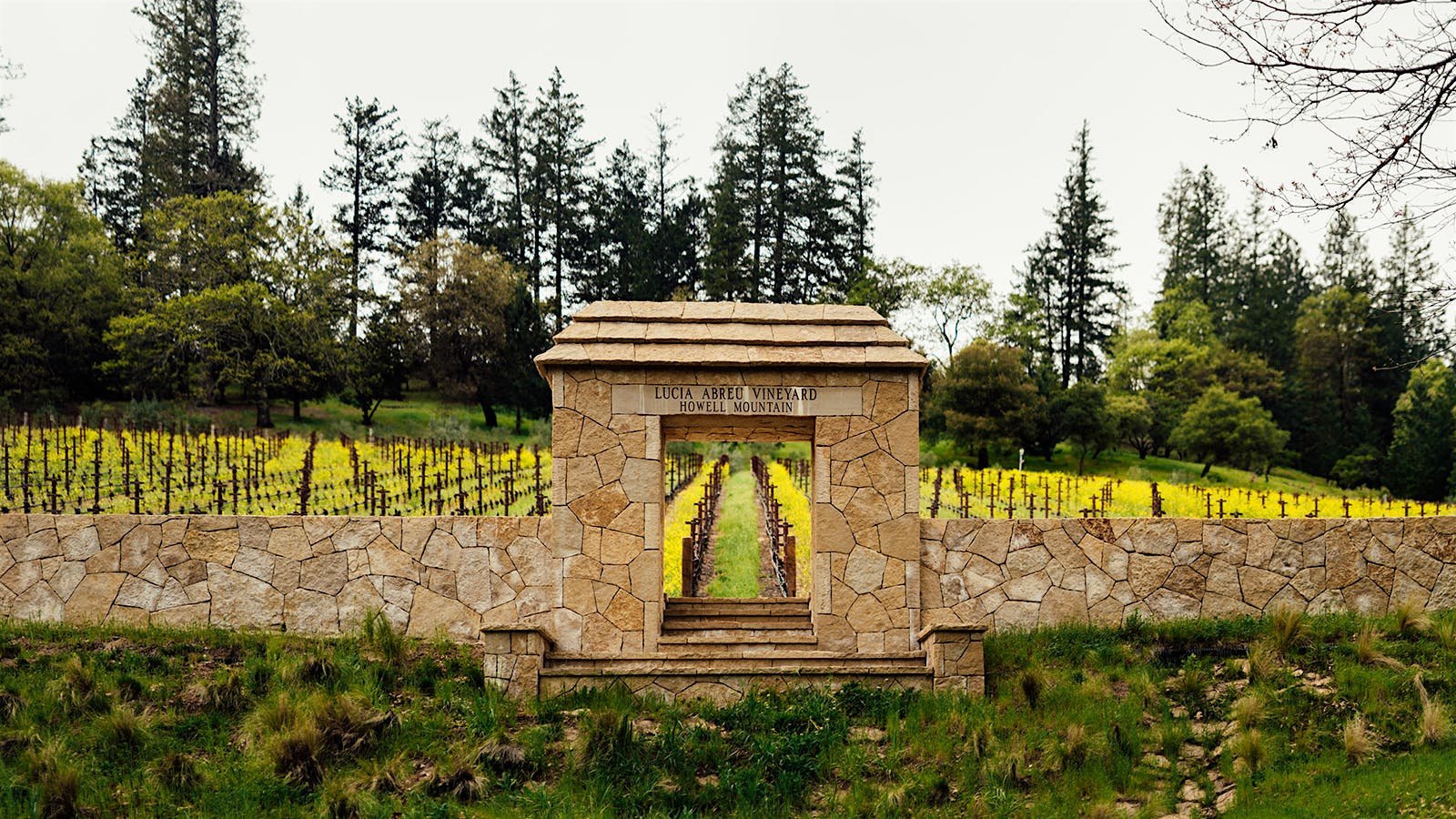
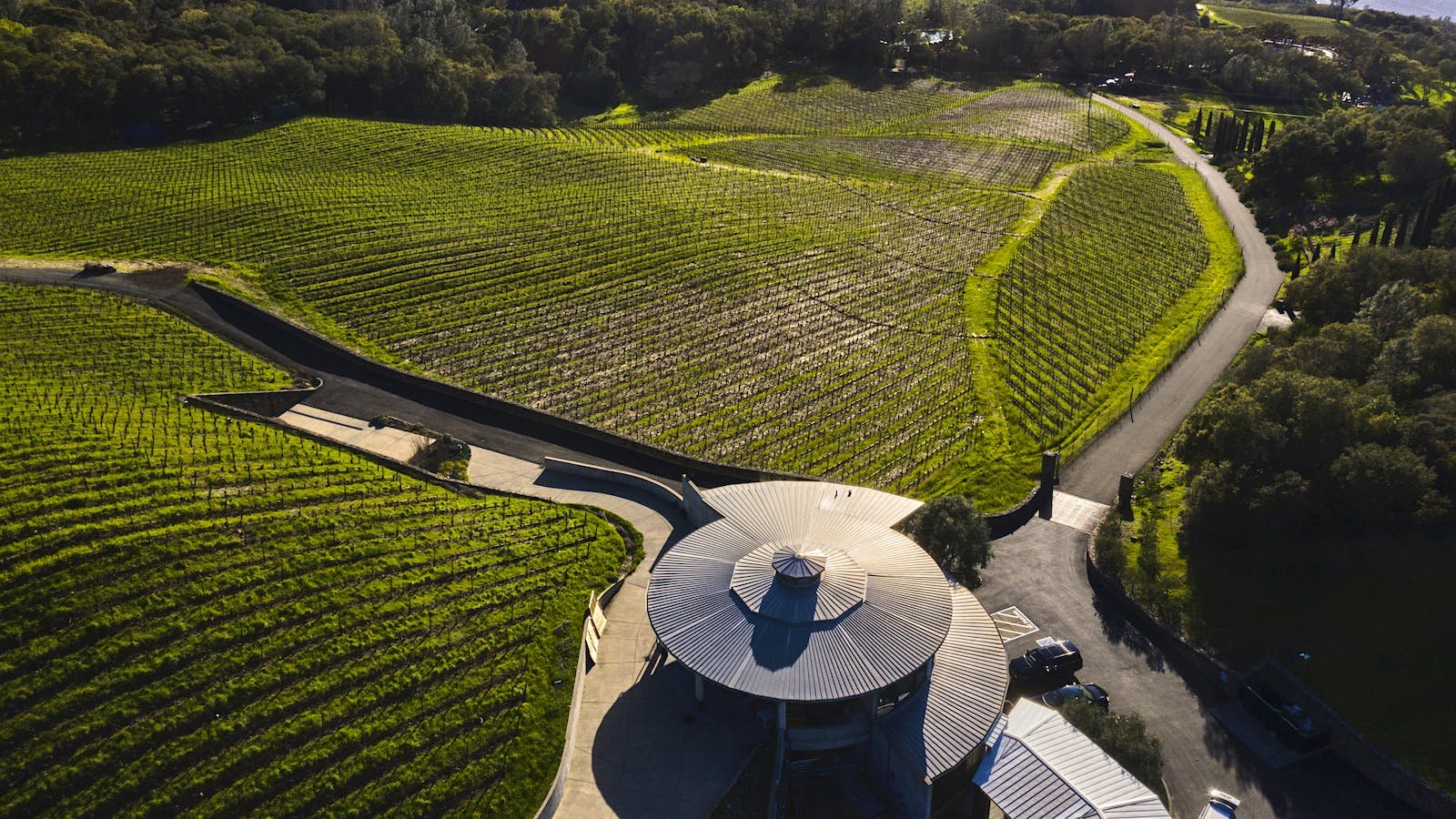
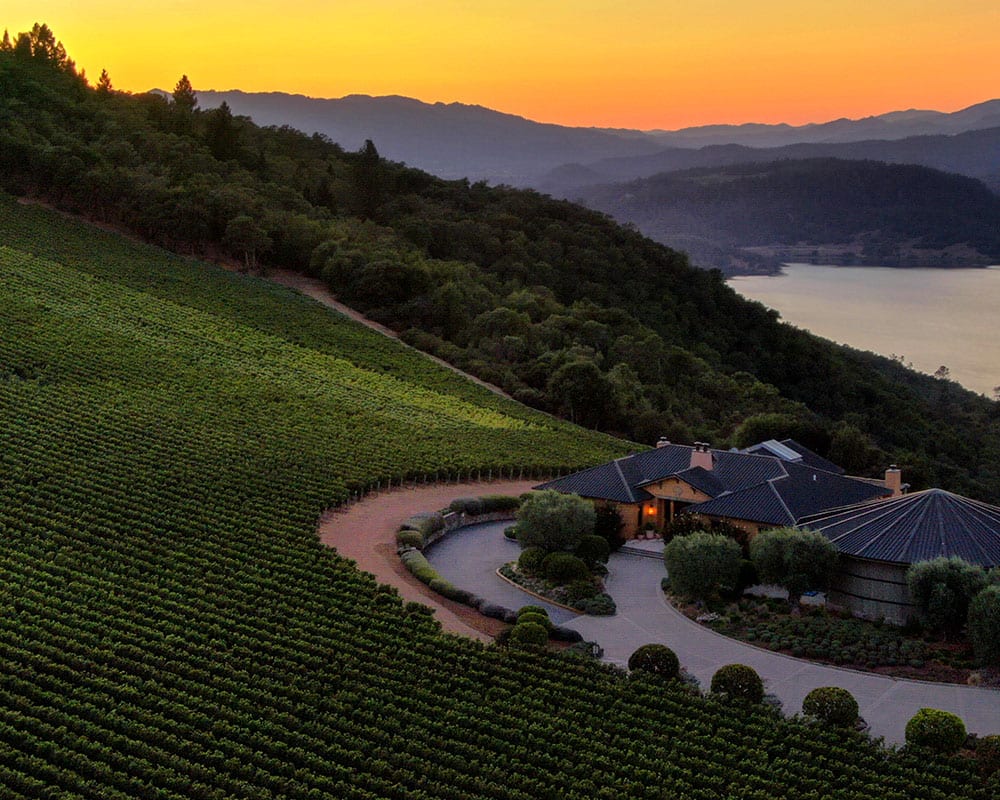
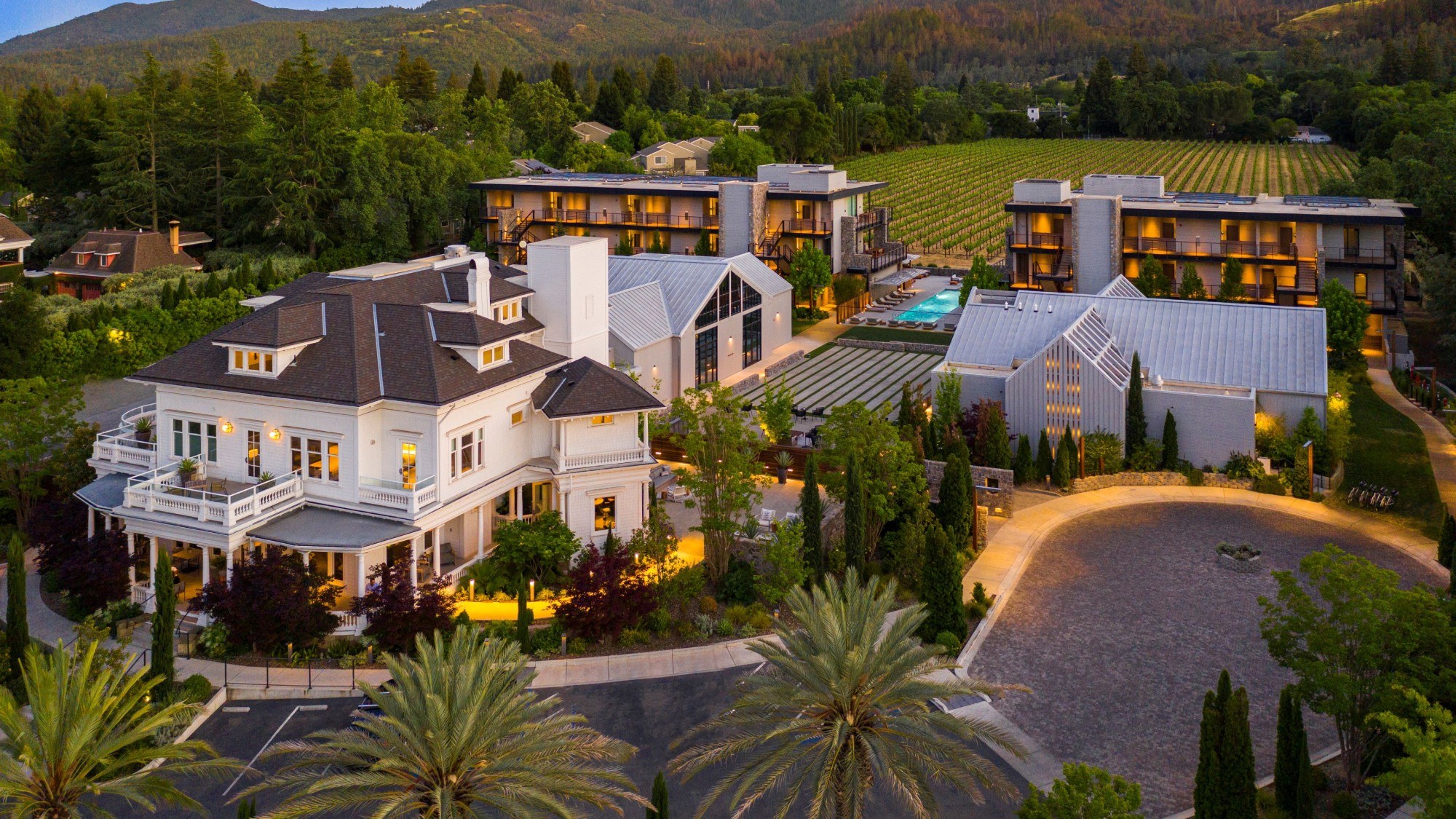
Merus Wines sits quietly on the less-trafficked side of St. Helena, presenting a measured, terroir-forward presence rather than a tourist-facing production. The narrative focuses on hillside and canyon viticulture: small production, careful sourcing and farming decisions drive the conversation here. Tasting experiences feel appointment-led and intentionally curated, with a restrained, scenic character that privileges the wines themselves as the main argument. The overall impression is of a discreet, specialist producer — a scenic, quiet spot where serious collectors and curious tasters come to engage with farming practices and thoughtful, allocation-minded winemaking.
Best For
This is a place for wine-focused visits: collectors, students of viticulture and buyers who prioritize provenance over spectacle. The tasting experience suits special-occasion stops for guests who want a quieter, more private interaction with the winemaker’s story, and for visitors interested in the farming and sourcing decisions that shape a bottle. Because appointments are emphasized, it works best for small groups or pairs who book ahead and come with curiosity about site, technique and allocation-level offerings rather than casual walk-ins seeking a busy tasting-room scene.
Tasting Tips
Book an appointment in advance — the profile explicitly notes that the appointment book matters more than walk-in traffic. Come prepared to discuss viticulture and sourcing: staff will expect informed questions about root depth, cover-crops, compost and water use given the winery’s focus. Expect a focused, educational tasting rather than a bustling tasting-room atmosphere; allow time for conversation and bring any notes or questions about specific vineyard sites.
Venue details
Ambiance
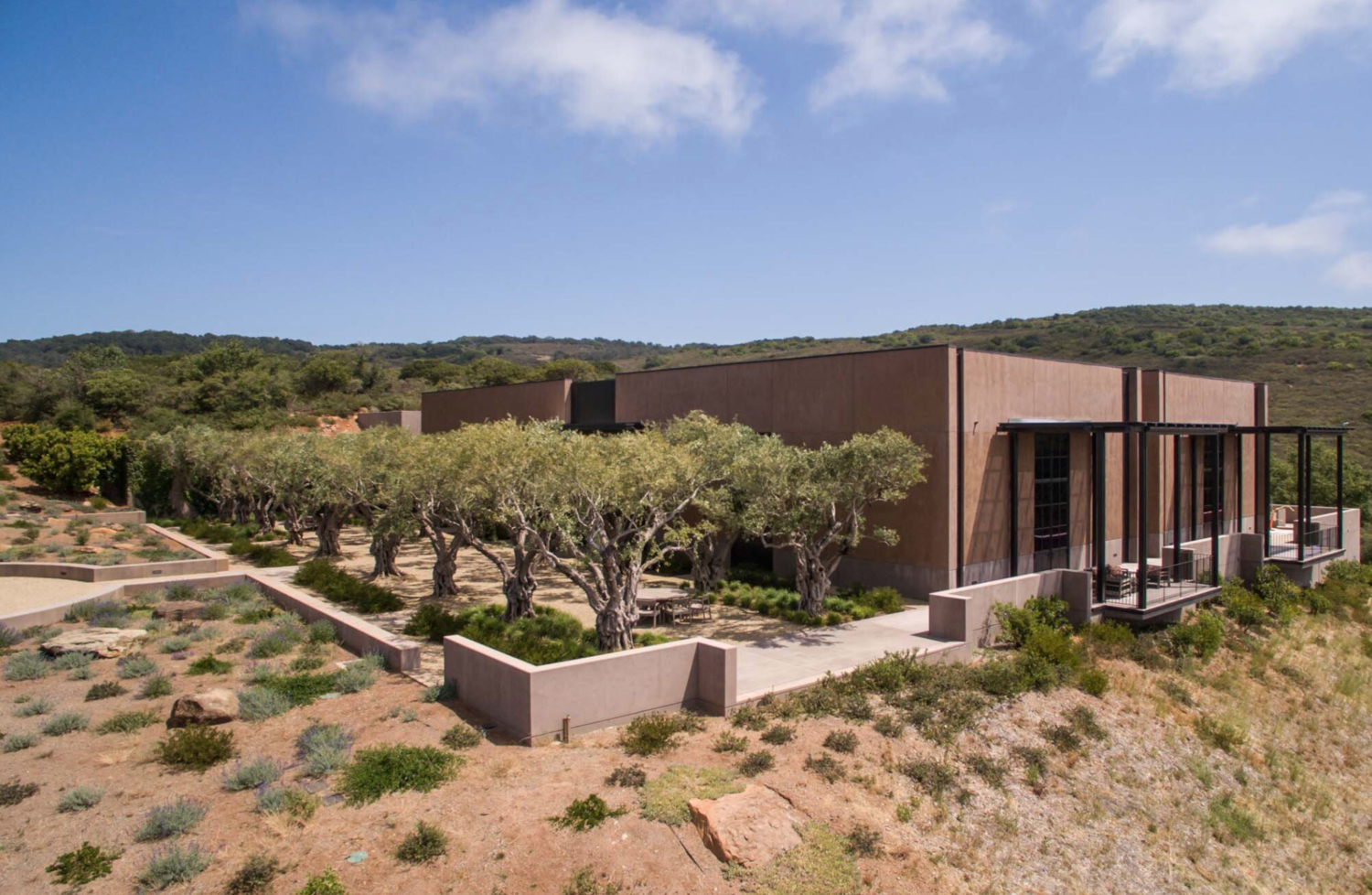
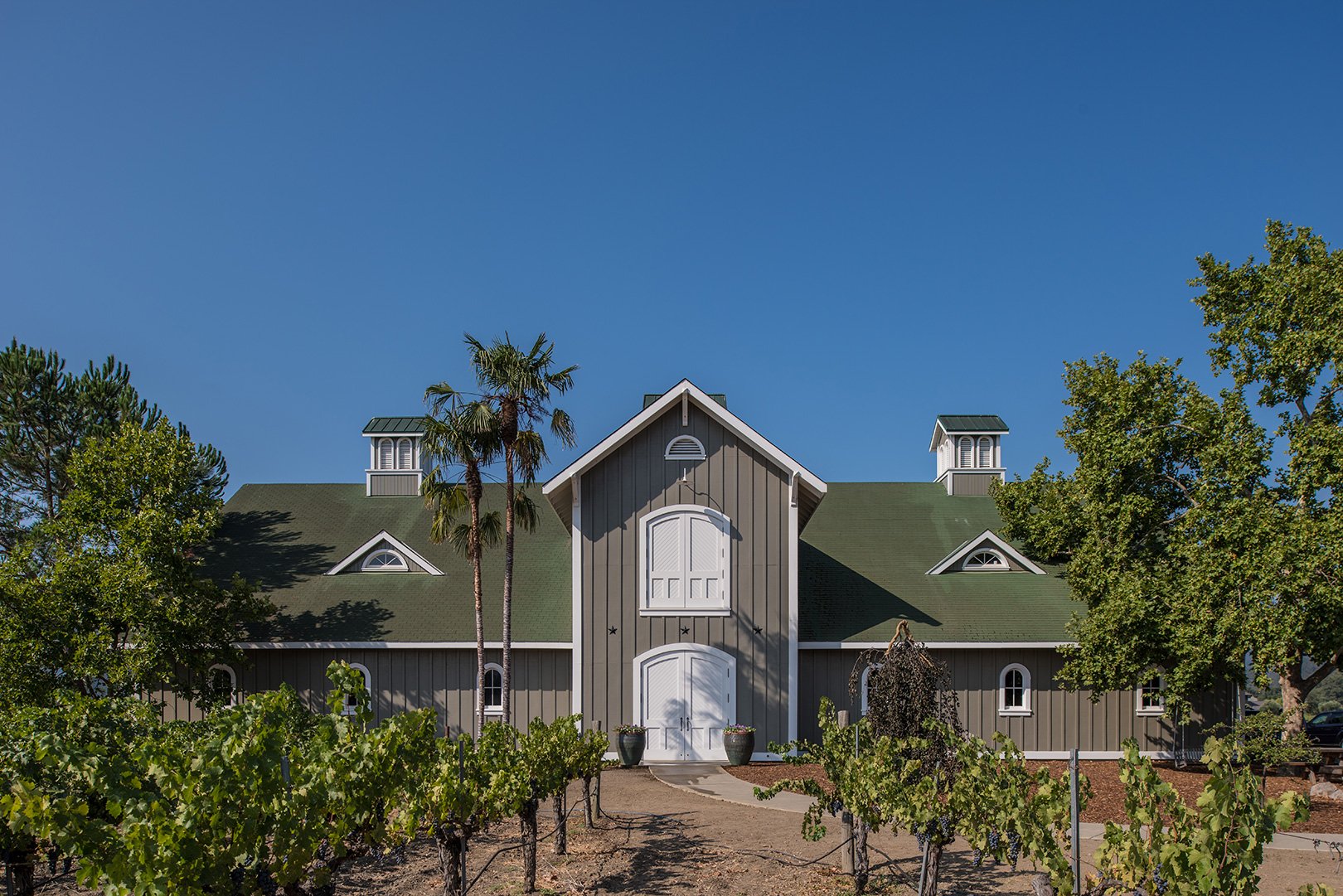
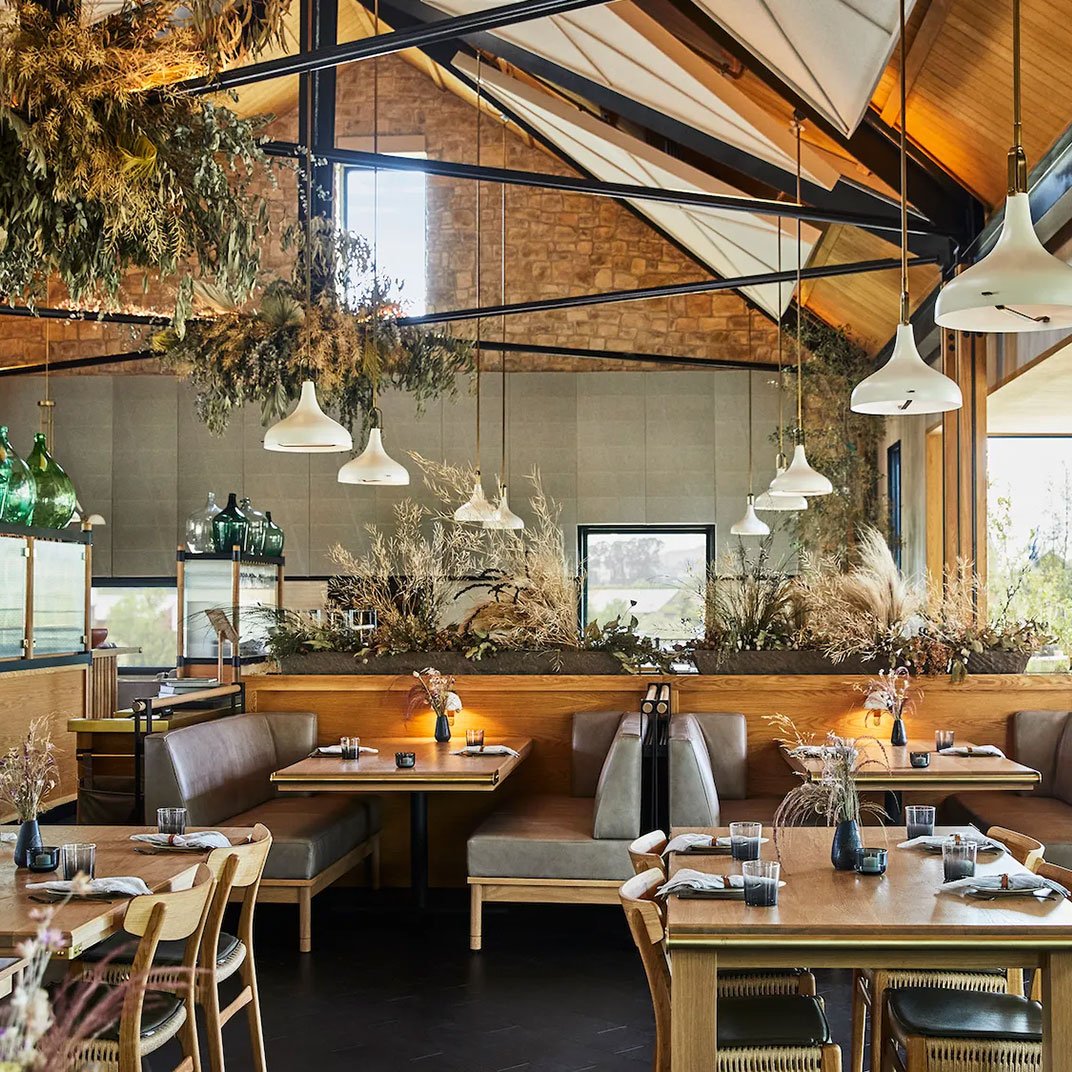
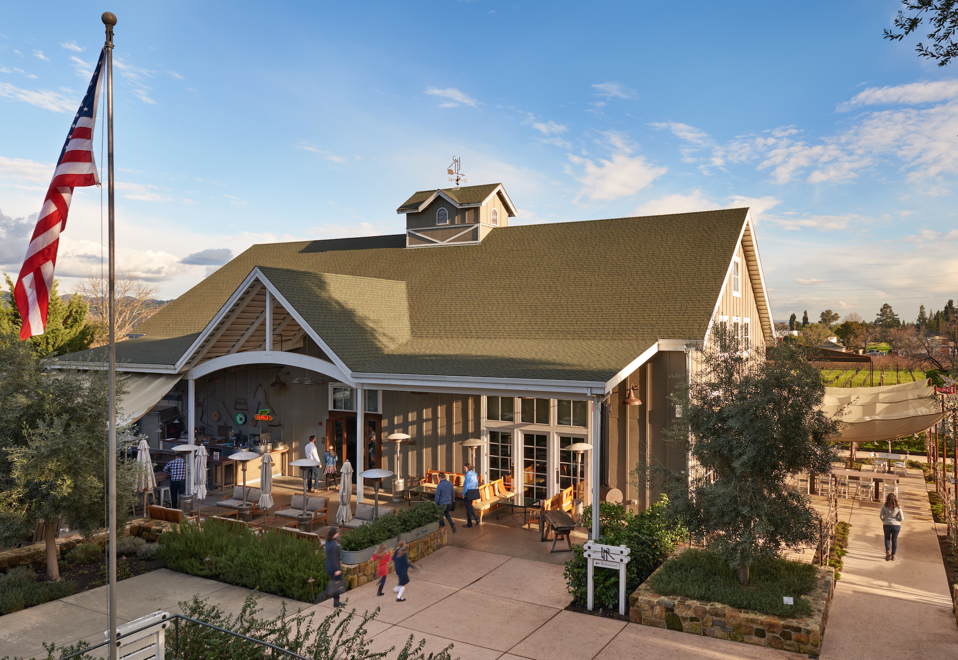
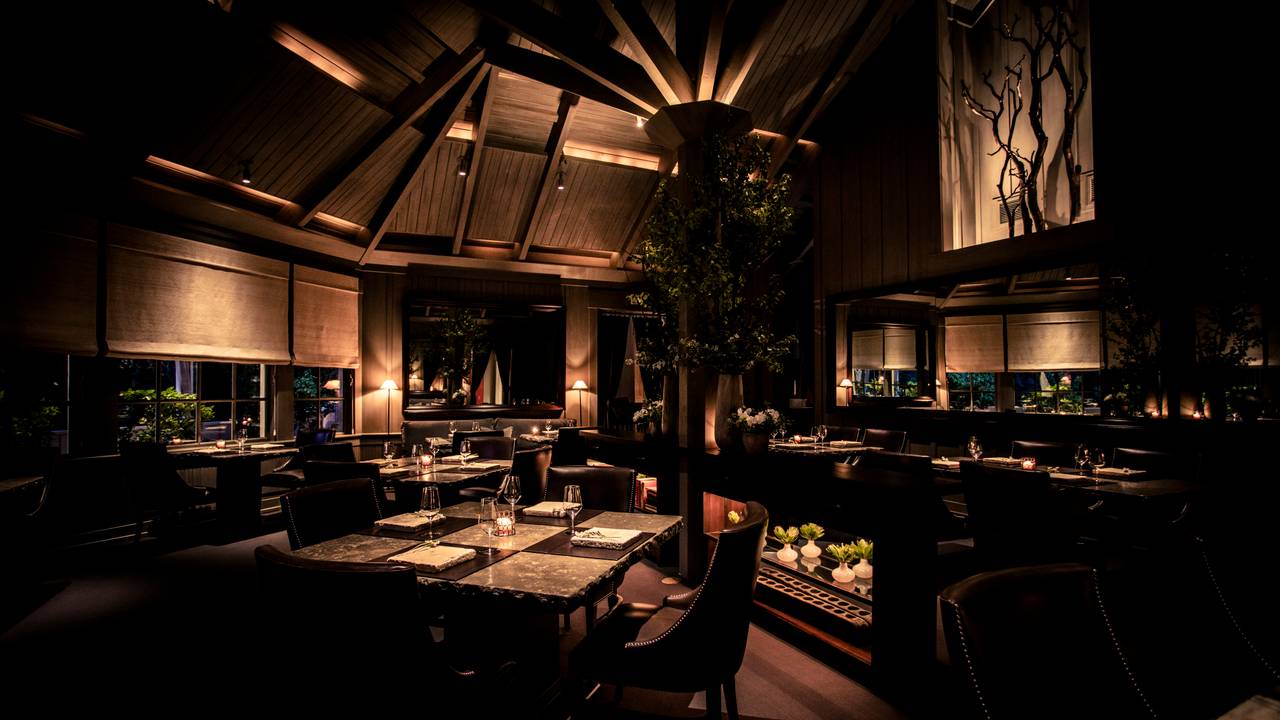
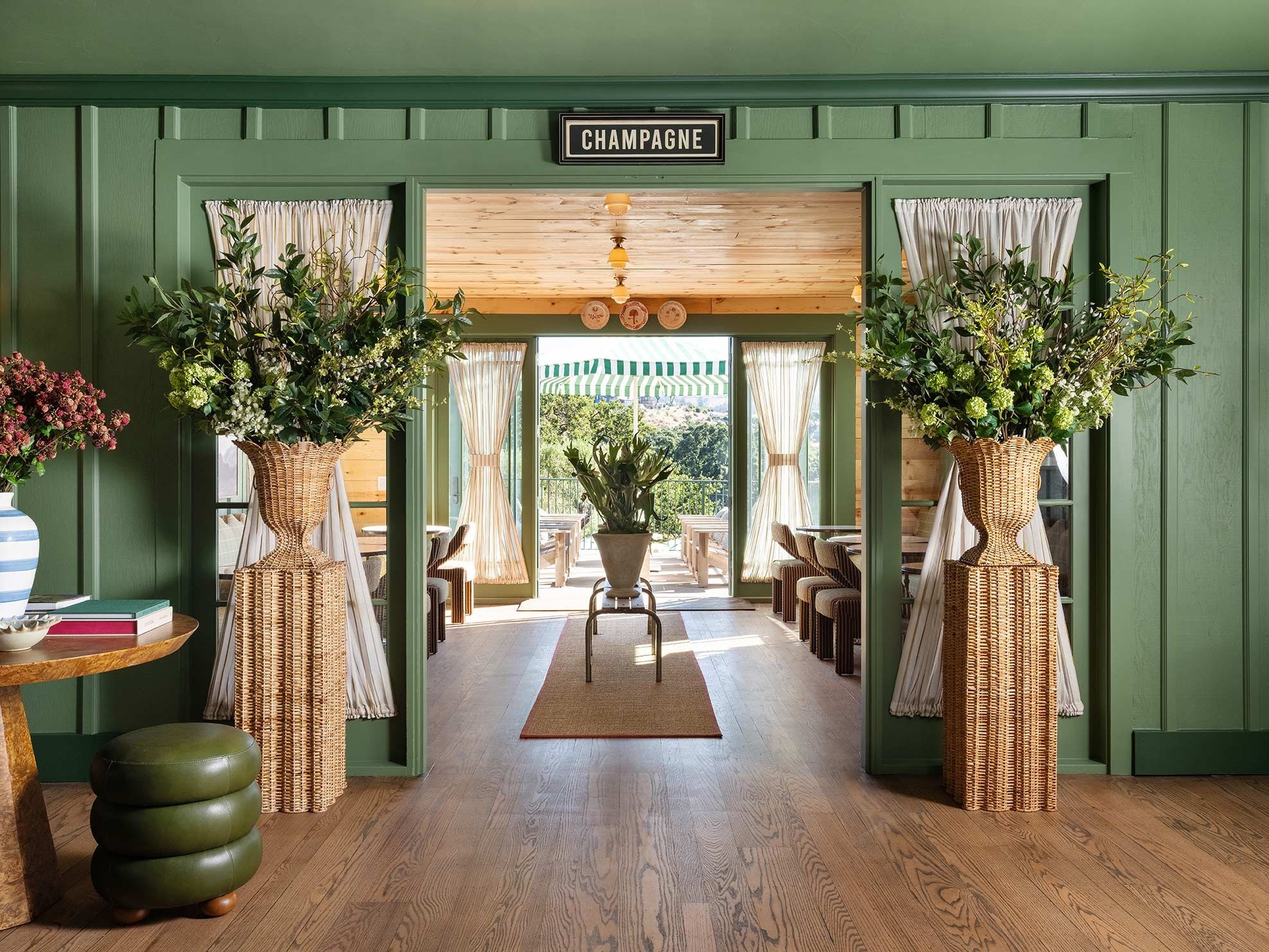
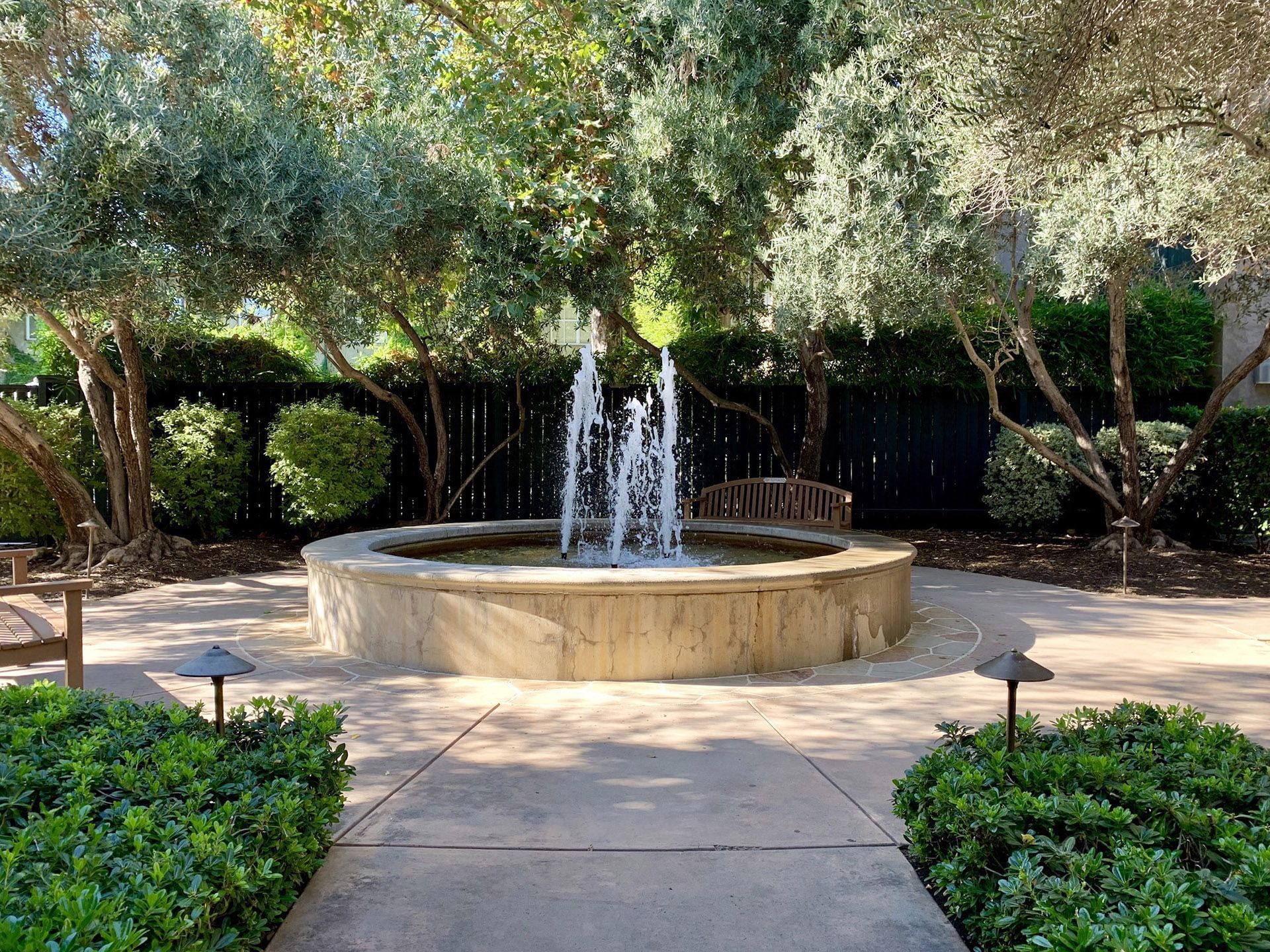
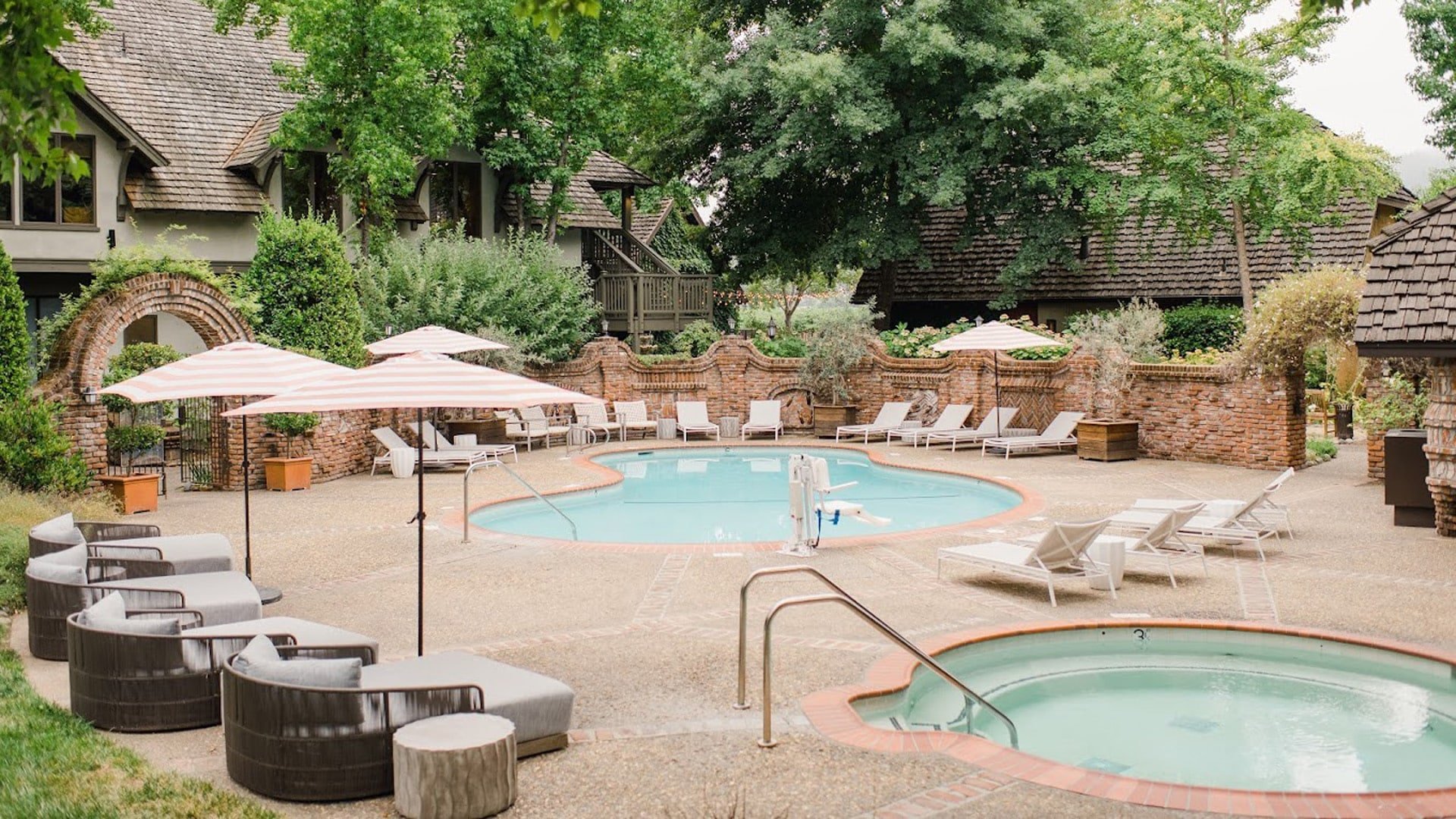
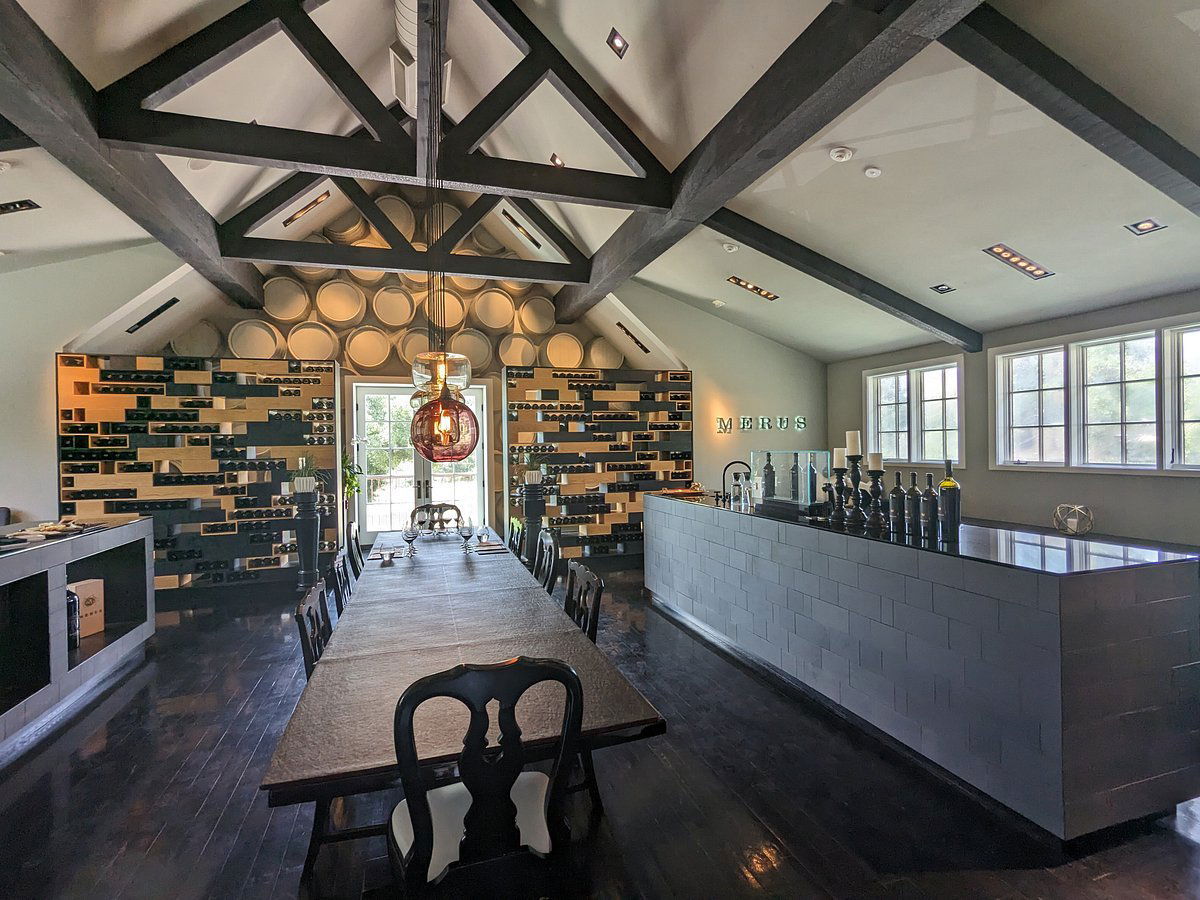
Serene and elegant with beautiful cave tastings, exquisite decor, and a peaceful historic setting featuring a brook and blackberry vines.
Tags
Vibe
Best For
Experience
Sourcing
View
At the Vineyard
- Appellation
- Napa Valley AVA
- Varietals
- Cabernet Sauvignon, Petit Verdot
- Visits
- By appointment only
- Farming
- Sustainable
- Production
- Small producer
- Wine Styles
- Still Red
- Shipping
- Available
- Wine Club
- Available
Know before you go
Know Before You Go
- Getting there
- 424 Crystal Springs Rd, St Helena, CA 94574
Planning details
Location
Also consider
Also Consider
- Failla Wines, Notable alternative
- Rombauer Vineyards, Notable alternative
- Viader Vineyards & Winery, Notable alternative
- Arkenstone Winery, Notable alternative
- Ladera Vineyards, Notable alternative
Winery context
How Merus Wines compares in St. Helena
Choose Merus Wines when scarcity and a focused appointment are the point. Compared with Failla Wines or Rombauer Vineyards, it reads as the more selective call for a serious wine-driven visit, but also the harder one to plan around. If the group includes casual drinkers or anyone who values a more relaxed hospitality rhythm, Failla Wines or Rombauer Vineyards will likely be easier fits.
For a more ambitious, splurge-leaning Napa itinerary, cross-shop Viader Vineyards & Winery, Arkenstone Winery, and Ladera Vineyards. Viader Vineyards & Winery and Arkenstone Winery are better comparisons for guests who want the visit to feel destination-led, while Ladera Vineyards is the more practical alternate if the priority is a strong Napa appointment without making Merus Wines the whole scheduling problem.
Around this place
Discover more on Pearl
Unlock the full Merus Wines guide in Pearl, including awards, comparisons, FAQs, planning details, and nearby places.
Compare Merus Wines
| Venue | Location | Awards |
|---|---|---|
| Merus Wines | St. Helena | No published awards |
| Failla Wines | St. Helena | No published awards |
| Rombauer Vineyards | Napa | 2026 Falstaff Winery Guide |
| Viader Vineyards & Winery | Angwin | No published awards |
| Arkenstone Winery | Angwin | No published awards |
| Ladera Vineyards | Calistoga | No published awards |

How Merus Wines St. Helena compares with similar nearby venues.
FAQ
Frequently Asked Questions
What is the dress code at Merus Wines?
The dress code for Merus Wines is smart casual.
Can Merus Wines handle large groups?
Information on large-group accommodation is not available. If you are planning for a group, confirm current requirements directly with Merus Wines before setting your itinerary.
How long should I plan for a visit to Merus Wines?
Visit length is not specified. Confirm the current format and expected timing directly with Merus Wines before planning the rest of your St. Helena itinerary.
Do I need a reservation at Merus Wines?
Does Merus Wines serve food?
Food service is not specified. Do not plan around food at Merus Wines unless the venue confirms it directly; use other St. Helena dining options if your itinerary requires a meal.