

Winery in Sonoma, United States
Hanson of Sonoma Distillery
500Pearl PointsNon-wine reset
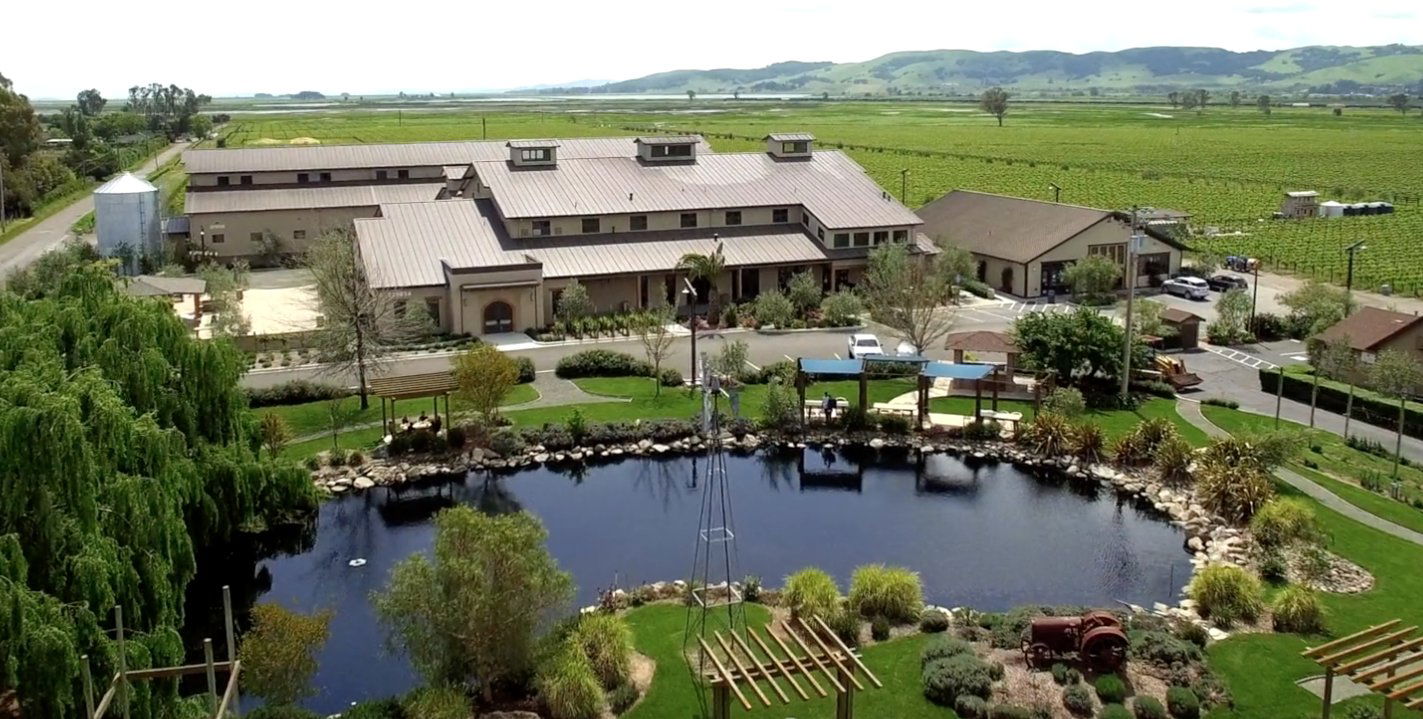
About Hanson of Sonoma Distillery
Hanson of Sonoma Distillery is worth considering when a Sonoma tasting day needs a spirits-focused reset rather than another winery appointment. It is a stronger fit for explorers building a varied route than for wine-only groups, the safer plan is to schedule early with a nearby winery backup.
For a Sonoma itinerary, treat Hanson of Sonoma Distillery as a distillery stop rather than a winery substitute. It may be useful when the day needs contrast from winery visits, but it is a tougher fit if the group wants a classic vineyard lineup only. The verified profile is limited, so plan around the basics: Hanson of Sonoma Distillery is in Sonoma, the dress code is casual, it carries Pearl 2 Star Prestige (2025) recognition.
The practical move is to use it as one Sonoma stop within a broader day rather than making unverified assumptions about its format, menu, hours, or services. If the group is building around wine, compare the rest of the route with winery pages such as Gundlach Bundschu Winery, Jacuzzi Family Vineyards, Nicholson Ranch, Patz & Hall Winery, or Scribe Winery. For wider planning, use Our full Sonoma wineries guide, then fill meals, stays, after-hours plans through Our full Sonoma restaurants guide, Our full Sonoma hotels guide, Our full Sonoma bars guide, Our full Sonoma experiences guide.
Use it as the non-wine reset in a Sonoma tasting day
The case for visiting is strongest for travelers who already have winery stops covered and want a different kind of venue in Sonoma. Do not frame it as the main wine stop, because the verified profile identifies Hanson of Sonoma Distillery as a distillery, not as a winery with a documented wine portfolio. That distinction matters for mixed groups: some travelers may value the category change, while wine-only travelers may prefer to put the slot toward Scribe Winery, Patz & Hall Winery, or Gundlach Bundschu Winery.
Because the verified data does not confirm booking rules, group capacity, food service, or a detailed tasting format, plan with flexibility and check the venue directly before building a timed itinerary around it. If the preferred plan does not work, the listed winery comparisons can help keep the day focused.
How to plan the broader tasting route
Keep the route simple. Sonoma planning is easier when the schedule does not depend on unverified assumptions about services that are not confirmed in the venue profile.
Quick reference: prioritize it for a distillery stop in Sonoma, dress casually, keep a winery comparison in mind if the group wants a wine-focused stop instead.
Frequently Asked Questions
Does Hanson of Sonoma Distillery ship wine?
Wine shipping is not a verified feature for Hanson of Sonoma Distillery. The verified profile identifies it as a distillery in Sonoma, so confirm any bottle, shipping, or purchase details directly before planning around them.
When is the best time to visit Hanson of Sonoma Distillery?
The verified profile does not list specific hours or ideal visit times. If you are building a Sonoma tasting day, check the venue directly and schedule it with intention, especially because Hanson of Sonoma Distillery carries Pearl 2 Star Prestige (2025) recognition.
What other wineries should I compare with Hanson of Sonoma Distillery?
Patz & Hall Winery, Nicholson Ranch, Scribe Winery, Gundlach Bundschu Winery, Jacuzzi Family Vineyards are useful references for comparing winery-focused stops. Hanson of Sonoma Distillery works as a category change on a day that also includes winery visits.
Is the wine club at Hanson of Sonoma Distillery worth joining?
A wine club is not verified for Hanson of Sonoma Distillery. If membership benefits are important to your visit, check the venue's official channels for the latest details and compare winery memberships separately.
What is the flagship wine at Hanson of Sonoma Distillery?
No flagship wine is verified for Hanson of Sonoma Distillery. Treat it as a distillery visit in Sonoma rather than a place to chase a named wine bottle.
Do I need a reservation at Hanson of Sonoma Distillery?
Reservation requirements are not verified in the available profile. If you are building a timed Sonoma itinerary, check directly with Hanson of Sonoma Distillery before you go.
Can Hanson of Sonoma Distillery handle large groups?
Large-group capacity is not verified. Groups should check ahead with Hanson of Sonoma Distillery before assuming it will work, can also compare planning logistics with winery options such as Jacuzzi Family Vineyards or Gundlach Bundschu Winery.
Location
22985 Burndale Rd Building C, Sonoma, CA 95476
Sonoma, United States
Compare Hanson of Sonoma Distillery
| Venue | Location | Awards |
|---|---|---|
| Hanson of Sonoma Distillery | Sonoma | Pearl 2 Star Prestige (2025) |
| Patz & Hall Winery | Sonoma | , |
| Nicholson Ranch | Sonoma | , |
| Scribe Winery | Sonoma | , |
| Gundlach Bundschu Winery | Sonoma | , |
| Jacuzzi Family Vineyards | Sonoma | , |
How Hanson of Sonoma Distillery compares with similar nearby venues.
Where to Go If This Is Full
If a slot does not work, try Gundlach Bundschu Winery for a more traditional Sonoma wine stop or Jacuzzi Family Vineyards for a group-friendly winery alternative. For travelers prioritizing a more design-forward wine-country outing, Scribe Winery is the stronger cross-shop.
How It Compares
Choose Hanson of Sonoma Distillery when the group wants a spirits-led break from standard Sonoma tasting rooms. Compared with Patz & Hall Winery or Scribe Winery, it is less of a classic wine-country appointment and more useful as a contrast stop in a packed day.
For a more traditional Sonoma winery plan, Nicholson Ranch, Gundlach Bundschu Winery, Jacuzzi Family Vineyards are safer fits for travelers who want vineyard context, wine tasting, a familiar tasting-room rhythm. If booking ease matters, keep at least two of those in reserve rather than relying on one high-demand slot.
Value depends on the goal: this is the better pick for category variety, while the peer wineries are better for a wine-first Sonoma day. For ambiance-led groups, Scribe Winery and Gundlach Bundschu Winery make more sense; for a practical, mixed-interest route, the distillery earns its place as the change-up.
Save or rate Hanson of Sonoma Distillery on Pearl
Keep this venue in your Pearl passport, rate it after you visit, and track it alongside every other place you collect.