
Winery in Sola de Vega, Mexico
Mezcal Vago (Tío Rey)
500ptsSierra-Terroir Distillation
About Mezcal Vago (Tío Rey)
Mezcal Vago (Tío Rey) operates from Vicente Guerrero in the Sola de Vega district of Oaxaca, a remote sierra zone where the agave-to-mezcal relationship is defined by altitude, isolation, and traditional production methods. Recognised with a Pearl 2 Star Prestige rating in 2025, it represents the kind of small-production palenque that serious mezcal collectors seek out precisely because the terroir is legible in the glass.
Where the Sierra Defines the Spirit
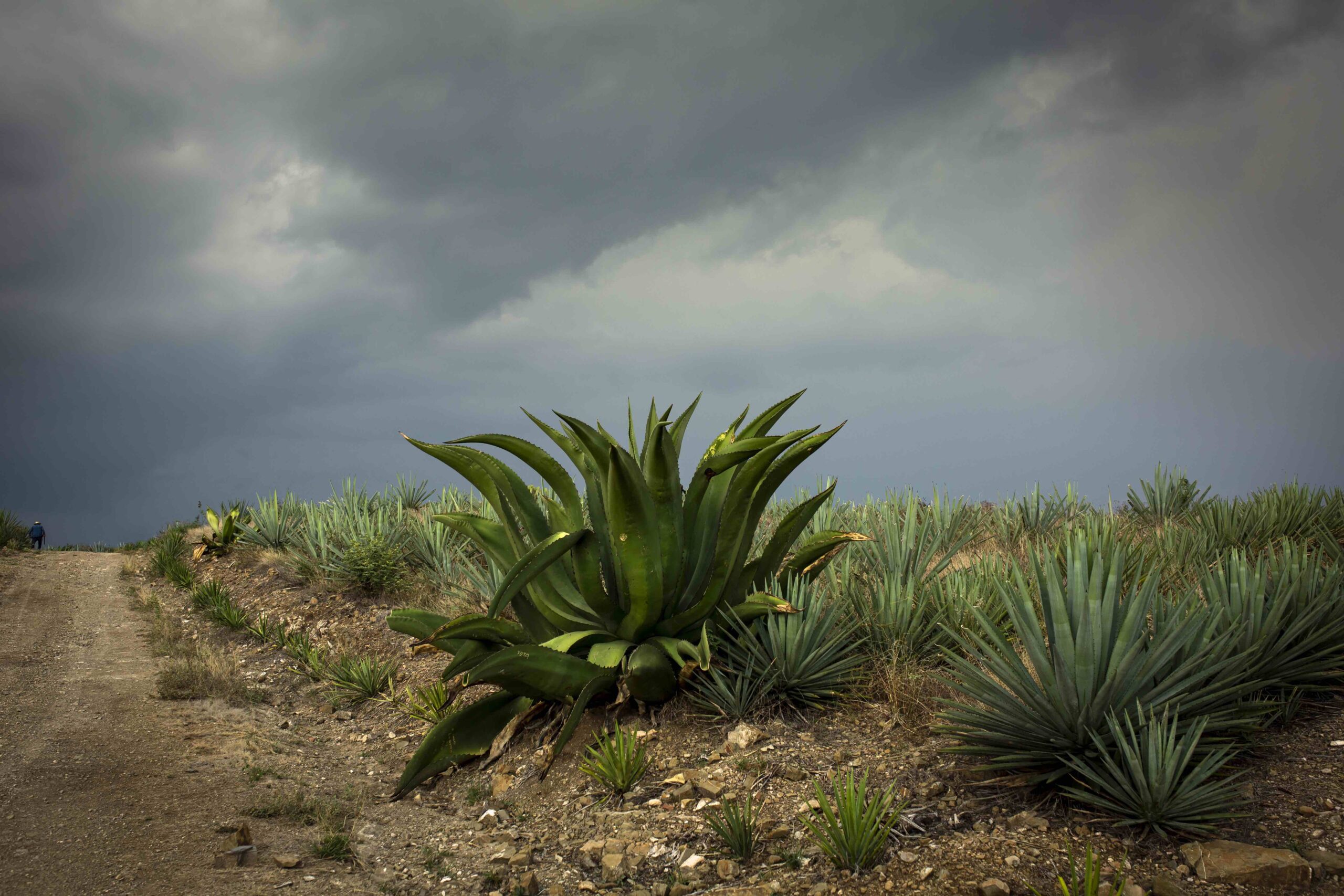
The road into the Sola de Vega district of Oaxaca is a study in gradual isolation. Paved roads give way to rougher passages, the valley heat softens into cooler sierra air, and the agave populations visible along the hillsides shift from the broad-leafed espadín familiar to most mezcal drinkers toward rarer, slower-maturing species that take decades to reach harvest readiness. It is in this environment, at a palenque in Vicente Guerrero, that Mezcal Vago operates its Tío Rey production — a project whose 2025 Pearl 2 Star Prestige recognition signals something the address already suggests: this is mezcal made by land conditions, not by market calculation.
Sola de Vega sits at elevation in the Sierra Sur, a sub-region that rarely appears in the standard Oaxacan mezcal itinerary dominated by the Central Valleys around Santiago Matatlán and Tlacolula. That geographic remove is not a commercial disadvantage so much as a production condition. The altitude shapes fermentation timing, the wild yeast populations differ from valley floor operations, and the agave varieties cultivated or gathered here carry a mineral and herbal character that producers elsewhere in the state cannot replicate through technique alone. For our full overview of the Sola de Vega drinking scene, see our full Sola de Vega restaurants guide.
Terroir in Distilled Form
The concept of terroir, applied to agave spirits, is more contested than it is in wine. Critics of the term argue that production variables — wood type, fire management, still construction, water source , introduce too much human intervention to isolate the land's contribution. In practice, however, the contrast between a palenque in Sola de Vega and a large-format distillery in the Central Valleys is instructive. Where operations like El Rey de Matatlán in Tlacolula de Matamoros or Los Danzantes in Santiago Matatlán produce at scales that flatten individual batch character, small sierra operations work in volumes where a single agave variety from a single hillside can constitute an entire release.
Mezcal Vago's Tío Rey production falls into this category. The Vago project, as a broader brand, has operated on a premise of linking named producers to specific batches , a transparency model that was ahead of its moment in the mezcal category and has since become a reference point for how small-production spirits can communicate provenance. The Tío Rey designation refers to the specific producer lineage attached to this site, and the Sola de Vega location distinguishes this output from Vago's other production nodes geographically and aromatically. The Pearl 2 Star Prestige award in 2025 positions it inside the upper tier of recognition the category has received from independent assessors.
Comparing this positioning to spirits made at industrial scale clarifies the peer set. Jose Cuervo (La Rojeña) in Tequila, Casa Herradura (Hacienda San José del Refugio) in Amatitán, and Cazadores Distillery in Arandas operate within the tequila category at volumes where brand consistency is the primary quality signal. The mezcal category, by contrast, still contains enough small-batch operators that place-of-production functions as a meaningful differentiator. Tío Rey's Sola de Vega address carries information that a trained drinker can use.
The Agave Question
What makes the terroir conversation in Sola de Vega compelling is the agave species question. The sierra zones of Oaxaca support agave populations that do not survive or thrive at lower elevations , varieties with longer maturation cycles, smaller yields, and aromatic profiles that lean toward smoke, dried herb, and mineral notes rather than the tropical-fruit and green-pepper registers typical of highland espadín. When a palenque in this district produces from locally sourced agave, the spirit carries the elevation in its aromatic structure in ways that are consistent enough across producers to be regionally identifiable.
This distinguishes the Sola de Vega context from production sites operating in more agave-abundant, commercially accessible zones. Banhez (UPADEC cooperative) in San Miguel Ejutla and Casa Cortés – La Soledad Palenque in La Compañía (Ejutla) each operate in Oaxacan sub-regions with their own agave character, but the Sierra Sur's particular combination of altitude, rainfall pattern, and soil composition creates conditions that are not easily replicated. The scarcity argument for these spirits is not marketing language , it reflects the actual biological reality of slow-maturing agave populations in high-elevation terrain.
For comparison further afield, Don Amado (Arellanes family) in Santa Catarina Minas demonstrates how a specific community's production tradition can imprint on a spirit's character, though from a different Oaxacan sub-region. The principle applies here: Sola de Vega's physical conditions and the Tío Rey palenque's method of working with them produce a spirit that reflects the convergence of place and practice.
Recognition and What It Signals
The 2025 Pearl 2 Star Prestige award for Mezcal Vago (Tío Rey) places it in a recognised tier within independent spirit assessment. In a category where quality signals have historically been communicated through specialist writers, niche publications, and word-of-mouth among collectors, formal recognition carries specific weight. It does not make the spirit more accessible , small-batch Sola de Vega production is inherently limited , but it provides a reference point for buyers who approach mezcal from within the broader premium spirits market rather than from a Oaxaca-specialist starting point.
For context, the premium agave spirit space has been expanding outward from its tequila core. Operations like La Primavera (Don Julio) in Atotonilco El Alto, El Pandillo (G4) in Jesús María, and Hacienda Corralejo in Pénjamo represent the tequila-side articulation of premium terroir in agave spirits. Mezcal's upper tier operates from a different premise , smaller batches, named producers, regional agave specificity , and Tío Rey's recognition situates it comfortably within that alternative premium structure. Even spirits from entirely different categories, such as Lágrimas de Dolores (Hacienda Dolores) in Durango or Aberlour in Aberlour, operate within analogous frameworks where provenance and production transparency drive prestige positioning. The logic of terroir-first recognition cuts across categories.
Planning a Visit to Sola de Vega
Visiting a palenque in Sola de Vega is a logistical commitment that self-selects for a particular kind of traveller. The Sierra Sur district requires a road journey from Oaxaca City that takes several hours depending on conditions, and the Vicente Guerrero address sits in a rural municipality without the tourism infrastructure of the Central Valleys. There are no published booking methods or visitor hours in the record for Mezcal Vago (Tío Rey), which is typical for production operations at this scale , contact is generally established through specialist mezcal importers or via the broader Mezcal Vago brand network before arrival. Travellers accustomed to the structured cellar-door experience of a wine estate like Accendo Cellars in St. Helena will find this a different kind of engagement, more contingent and less formatted, but arguably more direct as a result.
The leading time to visit the Sierra Sur is during the dry season, roughly November through April, when road conditions are more predictable and the highland climate is cool but clear. The mezcal category's growing international profile means that serious buyers and spirits journalists now make the journey specifically to this sub-region, and Sola de Vega's relative remove from the main mezcal tourism circuit in Santiago Matatlán means encounters at the palenque level retain a different character than those at more visitor-oriented operations.
What the 2 Star Prestige Rating Means for the Collector
In practical terms, the Pearl 2 Star Prestige designation in 2025 tells a collector that Mezcal Vago (Tío Rey) has been assessed against peer spirits and placed in the upper recognition band. For those building across the mezcal category, it provides a useful coordinate: a sierra-zone, small-batch, named-producer operation with an independent award to anchor the quality claim. The price range is not documented in the current record, but small-batch Sola de Vega production from a recognised brand like Vago typically occupies the premium tier of the mezcal market, where per-bottle costs reflect both scarcity and transport from a remote production site. Buyers should approach allocation through specialist importers rather than expecting retail availability at standard spirits outlets.
Related editorial
- Best Fine Dining Restaurants in ParisFrom three-Michelin-star icons to the next generation of Parisian chefs pushing boundaries, these are the restaurants that define fine dining in the world's culinary capital.
- Best Luxury Hotels in RomeFrom rooftop terraces overlooking ancient ruins to Michelin-starred hotel dining, these are the luxury hotels that make Rome unforgettable.
- Best Cocktail Bars in KyotoFrom sleek lounges to hidden speakeasies, Kyoto's cocktail scene blends Japanese precision with global influence in ways you won't find anywhere else.
Save or rate Mezcal Vago (Tío Rey) on Pearl
Keep this venue in your Pearl passport, rate it after you visit, and track it alongside every other place you collect.