

Quilceda Creek Vintners
Snohomish
Winery in Snohomish, United States
 Book with Pearl
The Read
Collector-Tier Cabernet
Why go
Quilceda Creek Vintners is worth prioritizing for serious Washington Cabernet-focused planning, not for a casual tasting crawl. Its 1979 first vintage and Paul Golitzin's winemaking role make it a stronger fit for collectors than for groups seeking food service, easy scheduling, or multiple flexible stops in one afternoon.
About Quilceda Creek Vintners
Quilceda Creek Vintners is a Snohomish venue with a concise profile: Paul Golitzin is listed as chef/owner, the dress code is smart casual, and the venue is recognized with Pearl 4 Star Prestige (2025). Start with the basics, and confirm any visit-specific questions directly with the venue before building a full itinerary around it.
For a broader day plan, use Snohomish planning resources for meals, activities, and stays around the visit, including our full Snohomish restaurants guide when you need other dining options in the city.
Choose it for a focused Snohomish stop
This is a strong candidate when you want a polished Snohomish stop with a smart-casual expectation and Pearl 4 Star Prestige recognition. Before assuming a specific service format, menu, tasting structure, pricing, or group policy, check with Quilceda Creek Vintners directly.
The practical move is to keep the itinerary flexible. Pair Quilceda Creek Vintners with other plans in Snohomish, and use wider Snohomish planning resources when you need meals, activities, or stays around the visit.
How to cross-shop the region
For a regional comparison, consider Betz Winery, Delille Cellars, Januik Winery (Novelty Hill), Mark Ryan Winery, and Sparkman Cellars alongside Quilceda Creek Vintners. These names are useful reference points when deciding whether Quilceda Creek Vintners is the right fit for your schedule, style, and travel priorities.
If you are building a wider plan, keep the comparison practical: confirm current access, timing, dress expectations, and any visit requirements directly with each venue rather than relying on assumptions about service format or amenities.
Planning details
- Location
- 11302 52nd St SE, Snohomish, WA 98290
- Website
- quilcedacreek.com
- Phone
- +1 800-877-4270
The take
The Take
The Vibe
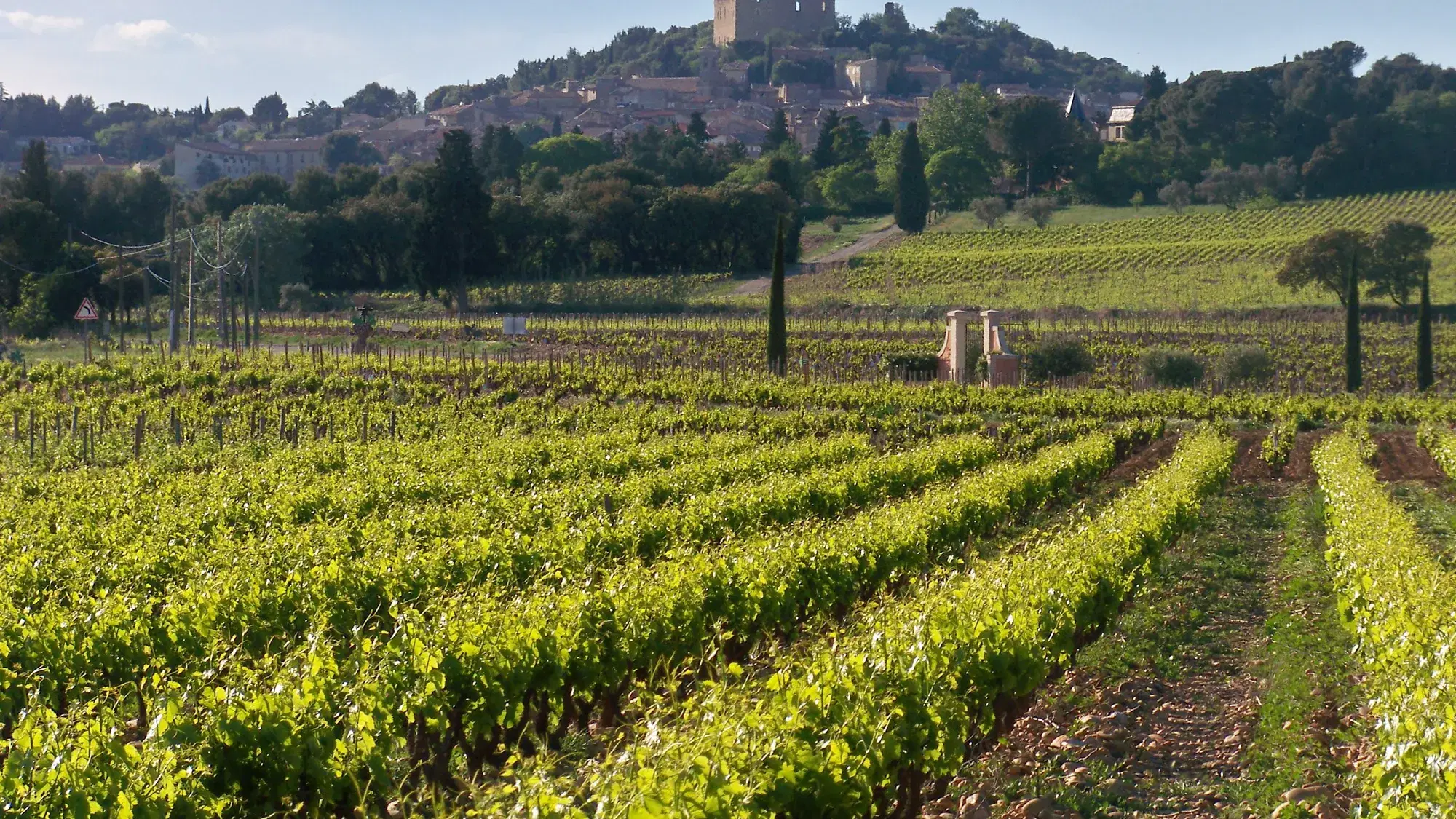
Quilceda Creek reads like a foundational chapter in Washington wine history. The text emphasizes its early start in 1979 and long track record of critical attention, positioning the producer as historically important and widely cited within the Columbia Valley story. The copy also situates the wines within a distinctive landscape — semi-arid basins, volcanic soils and Cascade-driven diurnal swings — which gives the estate a strong sense of place. Together these elements create a historic, iconic mood that appeals to collectors and serious enthusiasts who care about provenance, regional identity and wines built for aging.
Best For
This winery is best suited to visitors focused on wine education and milestone tastings. The piece centers on Cabernet Sauvignon’s role in Washington and the technical case for the region’s terroir, making Quilceda Creek a natural stop for people who want to study ripeness, structure and soil influence. The emphasis on structured, age-worthy reds and long-term critical recognition also makes the wines fitting for special occasions or cellar-building purchases — moments when consumers seek prestige, longevity and wines that reward patience.
Tasting Tips
When engaging with Quilceda Creek, prioritize examples of the estate’s Cabernet programs and vintages that illustrate age-worthy structure. The description repeatedly frames the winery around Washington Cabernet and the region’s phenolic ripeness and acidity, so ordering current vintages alongside older releases (when available) helps reveal how diurnal temperature swings and volcanic soils shape longevity. Frame tastings as a comparative exercise in terroir and vintage expression rather than a quick sampler — the text argues these wines are built for measured appreciation and cellar potential.
Venue details
Ambiance
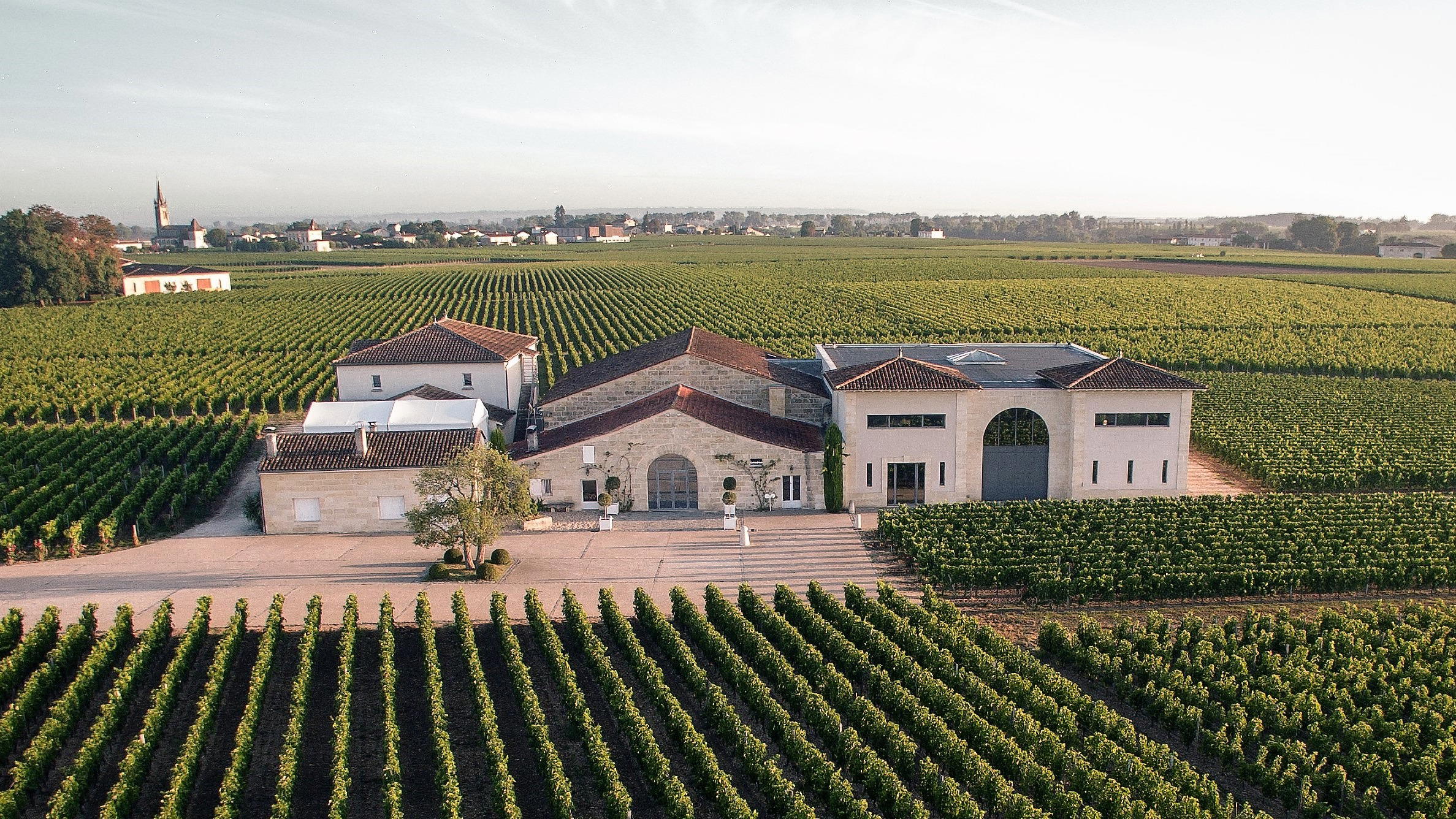
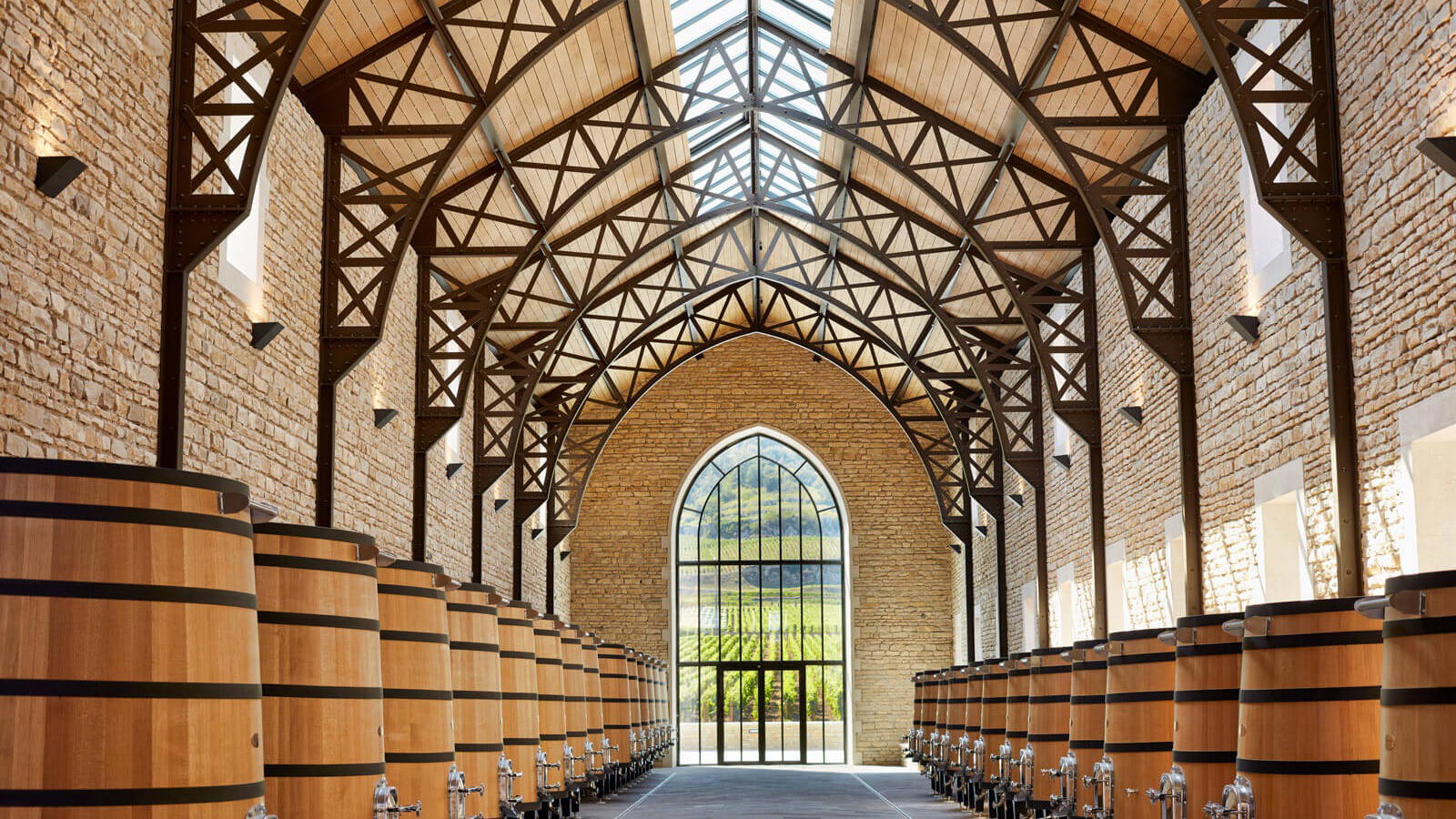
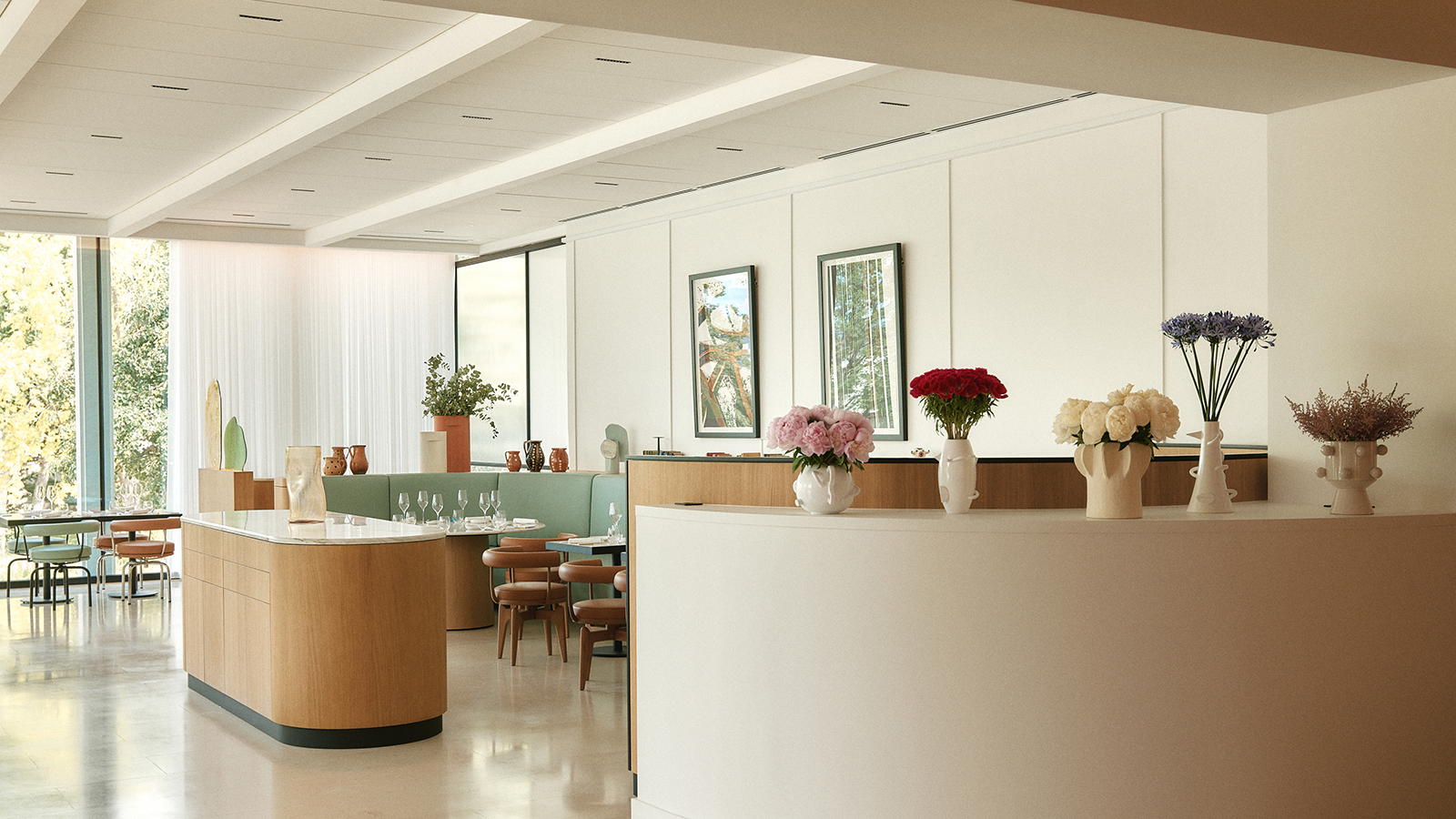
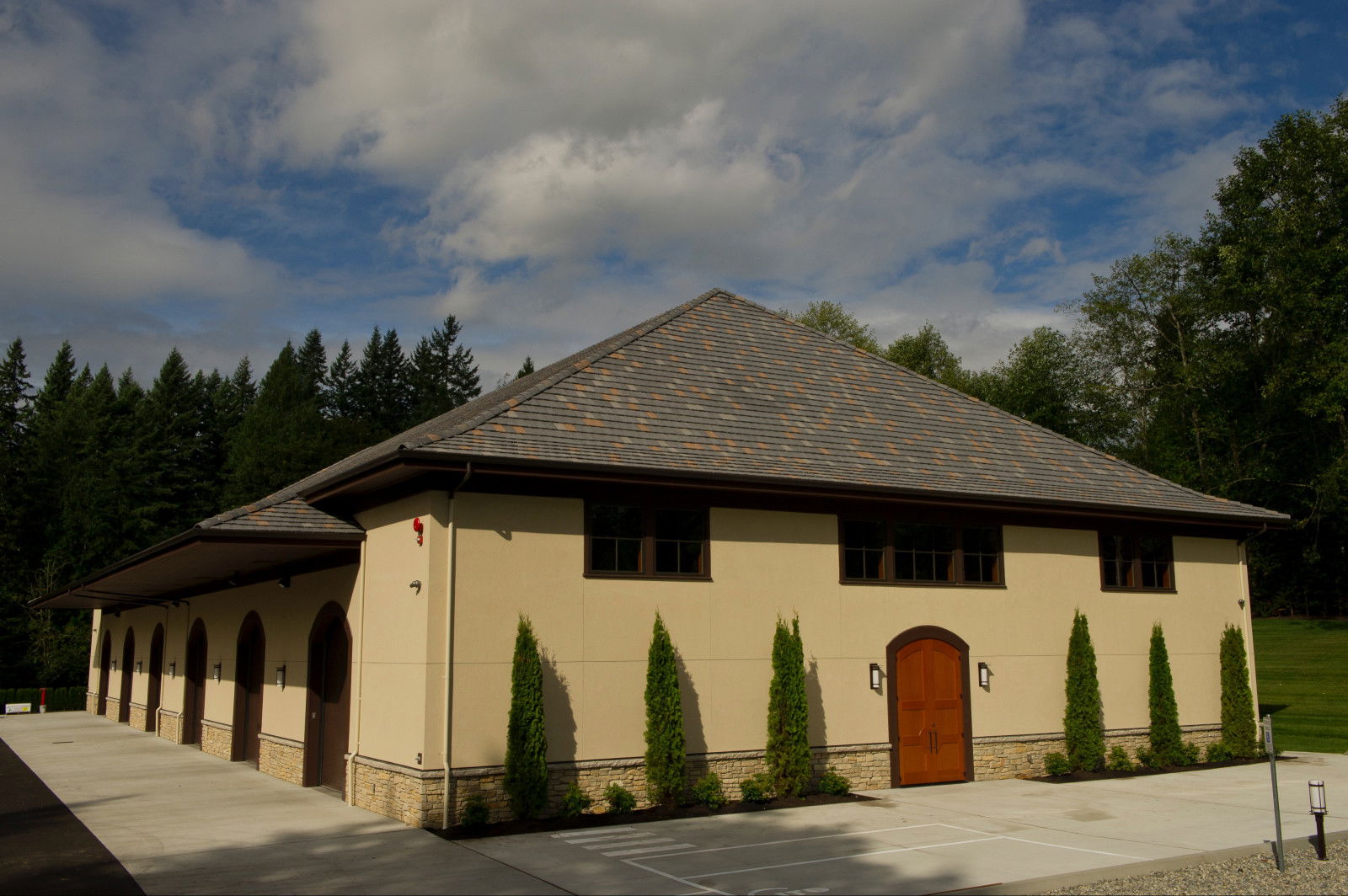
Elegant and refined winery facility focused on premium production, offering an intimate and sophisticated tasting experience by appointment.
Tags
Vibe
Best For
Experience
At the Vineyard
- Appellation
- Columbia Valley AVA
- Varietals
- Cabernet Sauvignon, Cabernet Franc, Merlot
- Visits
- By appointment only
- Wine Styles
- Still Red
- Shipping
- Available
- Wine Club
- Available
Know before you go
Know Before You Go
- Getting there
- 11302 52nd St SE, Snohomish, WA 98290
Planning details
Location
Recognition and awards

Also consider
If access is tight, cross-shop these instead
Start with Betz Winery if the goal is a serious Washington wine visit and the original plan cannot come together. It is the most relevant backup for readers who care more about producer focus than tasting-room energy.
Choose Delille Cellars or Mark Ryan Winery for a smoother group day, easier ambiance, and a more social format. They are better substitutes when the trip includes mixed-interest guests rather than only collectors.
Winery context
How it compares with nearby wine options
Choose Quilceda Creek Vintners when the trip is about Washington Cabernet depth and cellar reputation. Compared with Januik Winery (Novelty Hill) and Sparkman Cellars, it is the more collector-leaning decision, while those peers are better for a more flexible tasting-room day.
Delille Cellars and Mark Ryan Winery make more sense for travelers who care about ambiance, group ease, and a social Woodinville-style outing. If the priority is a serious bottle-focused visit with less emphasis on scene, Quilceda Creek is the stronger target.
Betz Winery is the closest cross-shop for readers who want a focused Washington producer rather than a broad tasting-room circuit. If access is the deciding factor, Betz, Delille, or Mark Ryan are safer backups; if the decision is driven by Cabernet pedigree, keep Quilceda Creek high on the plan.
Explore Snohomish
Around this place
Discover more on Pearl
Unlock the full Quilceda Creek Vintners guide in Pearl, including awards, comparisons, FAQs, planning details, and nearby places.
Compare Quilceda Creek Vintners
| Venue | Location | Awards |
|---|---|---|
| Quilceda Creek Vintners | Snohomish | 2026 Falstaff Winery Guide2025 Pearl 4 Star Prestige |
| Januik Winery (Novelty Hill) | Woodinville | No published awards |
| Sparkman Cellars | Woodinville | No published awards |
| Delille Cellars | Woodinville | 2025 Pearl 3 Star Prestige |
| Mark Ryan Winery | Woodinville | No published awards |
| Betz Winery | Redmond | 2025 Pearl 3 Star Prestige |
How Quilceda Creek Vintners Snohomish compares with similar nearby venues.
FAQ
Frequently Asked Questions
Does Quilceda Creek Vintners serve food?
Contact Quilceda Creek Vintners directly before you plan a meal around the visit.
What is Quilceda Creek Vintners known for?
Quilceda Creek Vintners is in Snohomish, Paul Golitzin is listed as chef/owner, the dress code is smart casual, and the venue has Pearl 4 Star Prestige (2025) recognition.
When is the best time to visit Quilceda Creek Vintners?
What should I wear to Quilceda Creek Vintners?
The dress code is smart casual. That makes polished but comfortable attire the safest choice for a visit to Quilceda Creek Vintners in Snohomish.
Can Quilceda Creek Vintners handle large groups?
Contact Quilceda Creek Vintners directly before planning a group visit.