

Winery in Slane, Ireland
Slane Irish Whiskey
750Pearl PointsWhiskey-led stop
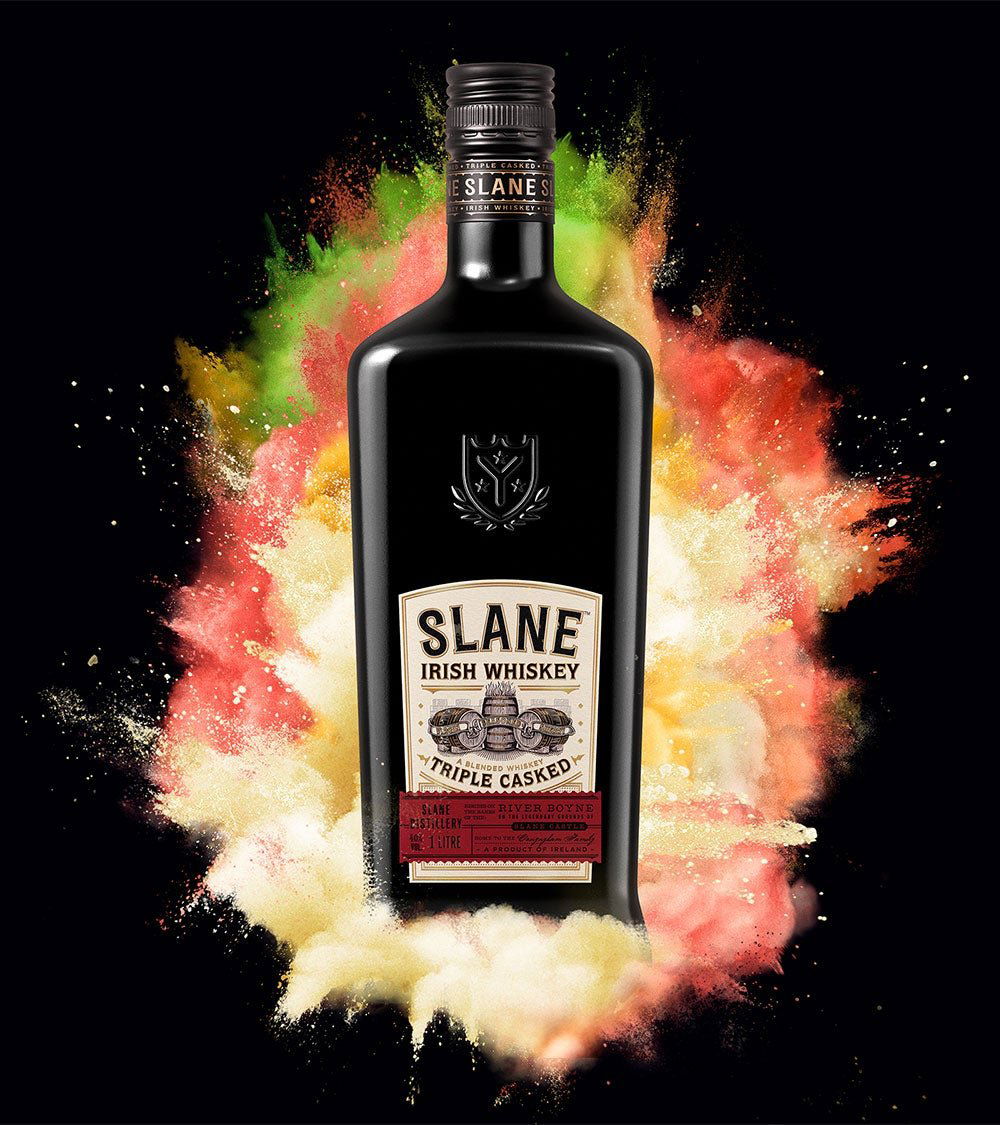
About Slane Irish Whiskey
Book Slane Irish Whiskey when the setting is part of the reason for going. It is a stronger fit for a planned County Meath whiskey day than a quick add-on, it suits celebrations or visiting guests better than casual city-centre tasting plans. If convenience matters more, Jameson (Bow St.), Roe & Co, or Teeling are easier alternatives.
Slane Irish Whiskey is a Slane venue with a casual dress code and confirmed Pearl 3 Star Prestige (2025) recognition. Beyond those verified details, the available venue data is limited, so it is best to check directly before making firm plans.
The practical call is simple: choose Slane Irish Whiskey if you are specifically considering a Slane stop and want a casually dressed venue with confirmed recognition. For anything more detailed, such as visit format, food, drinks service, timing, pricing, or group arrangements, confirm with the venue before you go.
Choose it for Slane, with details confirmed in advance
The key verified location detail is Slane. If your plans are centered elsewhere, Jameson (Bow St.), Roe & Co, Teeling may be natural comparison points for a different itinerary. If you are comparing a broader set of related stops, Kilbeggan Distillery and Powerscourt Distillery are also relevant options to consider.
For planning around Slane itself, use current local resources and the venue's own channels before committing to a schedule. The verified listing does not provide hours, prices, food details, reservation rules, or group capacity, so those points should not be assumed.
How to think about the whiskey choice
The name and listing identify Slane Irish Whiskey, but the verified data does not specify a tour format, tasting structure, menu, production details, or beverage program. That means the safest comparison is practical rather than technical: decide whether Slane fits your route, then confirm the current visit details directly.
For readers comparing named venues, Slane Irish Whiskey stands out here for its confirmed Pearl 3 Star Prestige (2025) recognition. Jameson (Bow St.), Kilbeggan Distillery, Powerscourt Distillery, Roe & Co, Teeling are the natural named comparisons to review alongside it, depending on where your trip is based.
Frequently Asked Questions
Is Slane Irish Whiskey worth considering?
Yes, it is worth considering if you are planning around Slane and want a casual venue with confirmed Pearl 3 Star Prestige (2025) recognition. For specific visit details, check directly with the venue before making plans.
What other venues should I compare with Slane Irish Whiskey?
Natural comparisons include Jameson (Bow St.), Kilbeggan Distillery, Powerscourt Distillery, Roe & Co, Teeling. Choose based on where your itinerary is based and confirm current details with each venue.
Can Slane Irish Whiskey handle large groups?
The verified venue details do not list group capacity or group booking rules. Contact Slane Irish Whiskey directly if you are planning for a larger party.
Does Slane Irish Whiskey serve food?
The verified venue details do not list a cuisine type or food service. If dining is important, plan that separately and check the venue's official channels for current information.
Do I need a reservation at Slane Irish Whiskey?
The verified details do not state whether reservations are required. Confirm directly with Slane Irish Whiskey before visiting.
Where is Slane Irish Whiskey located?
Slane Irish Whiskey is in Slane. The verified location detail available here is the city only.
Location
N51, Slanecastle Demesne, Slane, Co. Meath, C15 A361
Slane, Ireland
Compare Slane Irish Whiskey
| Venue | Location | Awards |
|---|---|---|
| Slane Irish Whiskey | Slane | Pearl 3 Star Prestige (2025) |
| Jameson (Bow St.) | Dublin | , |
| Roe & Co | Dublin | , |
| Teeling | Dublin | , |
| Powerscourt Distillery | Enniskerry | , |
| Kilbeggan Distillery | Kilbeggan | , |
How Slane Irish Whiskey compares with similar nearby venues.
Where to go if Slane is not the right fit
Pick Jameson (Bow St.) if convenience is the deciding factor. It is the safer choice for a Dublin-based group that wants a whiskey experience without building the day around transport.
Pick Powerscourt Distillery if the group still wants an out-of-city setting but would rather compare another polished estate-style option. For a more history-focused whiskey plan, Kilbeggan Distillery is the more direct alternative.
How It Compares
Slane Irish Whiskey is the setting-led choice in this group. Jameson (Bow St.), Roe & Co, Teeling make more sense for visitors staying in Dublin because they are easier to fold into a city schedule. Slane is better when the visit itself is the occasion.
For ambiance, Slane has the advantage over the urban distillery options if the group wants a destination feel rather than a compact tasting stop. For value, the right choice depends on travel time as much as entry cost: Dublin venues usually win on convenience, while Slane pays off when the estate context is worth the extra planning.
Powerscourt Distillery is the closer comparison for readers who want a polished outing outside Dublin, while Kilbeggan Distillery is a better cross-shop for whiskey-history emphasis. Choose Slane for a special-occasion day with atmosphere; choose Jameson (Bow St.) or Teeling when the schedule is tight.
Explore Slane
Save or rate Slane Irish Whiskey on Pearl
Keep this venue in your Pearl passport, rate it after you visit, and track it alongside every other place you collect.