

Winery in Siusi allo Sciliar, Italy
Zu Plun Distillery
500Pearl PointsSpirits stop
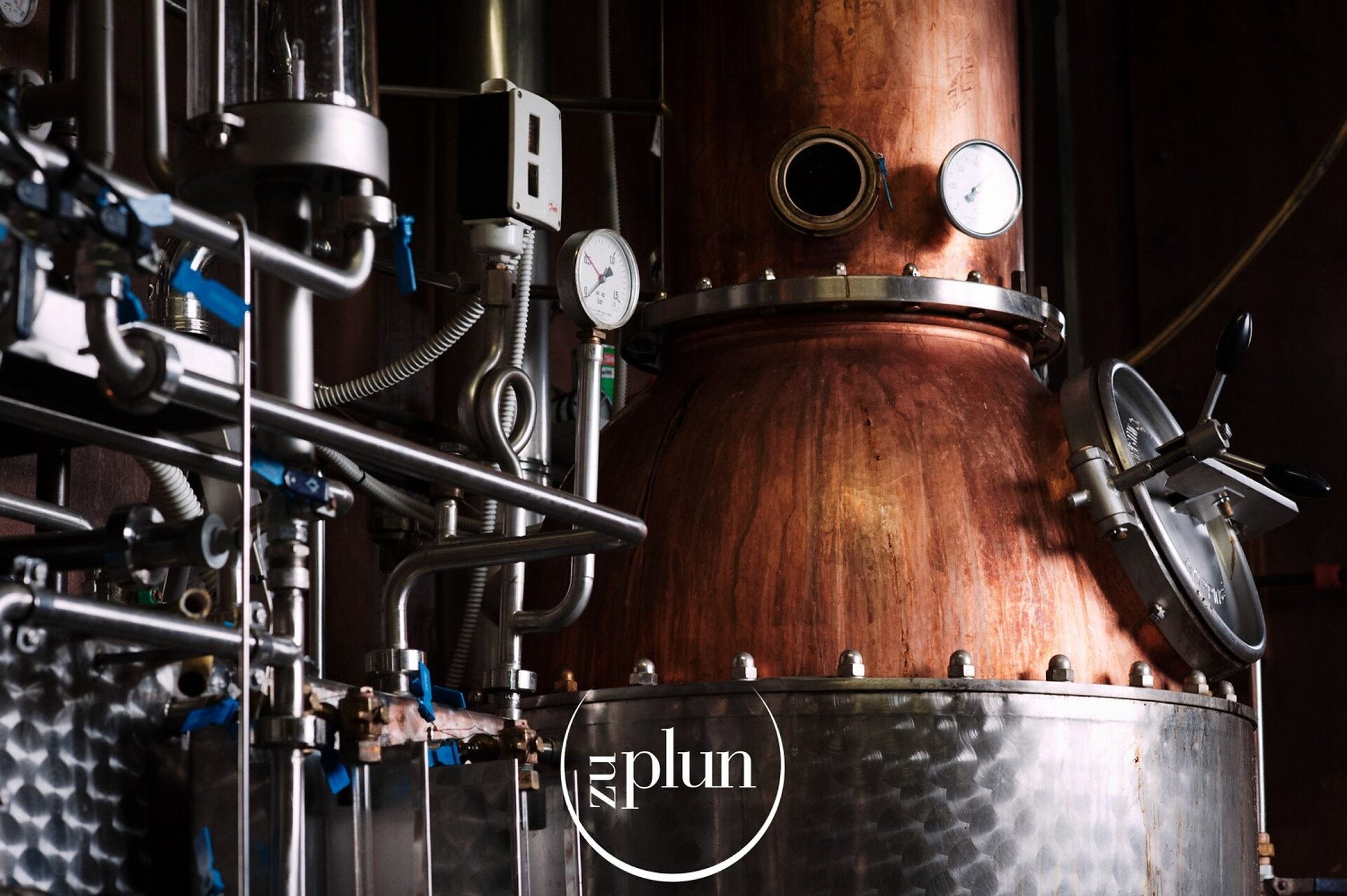
About Zu Plun Distillery
Zu Plun Distillery is worth considering if the trip already brings you to Siusi allo Sciliar and you want a focused South Tyrol spirits stop rather than a conventional winery visit. It is better for curious small groups than for travelers who need published logistics, food service, or an easy booking path. Pearl 2 Star Prestige recognition adds a quality signal, but planning should stay flexible.
Choose this if the goal is to consider Zu Plun Distillery as a focused stop in Siusi allo Sciliar rather than a broad, information-heavy attraction. The verified essentials are limited: it is a distillery in Siusi allo Sciliar, the dress code is casual, it carries Pearl 2 Star Prestige recognition for 2025.
The planning caveat is important. Beyond those confirmed points, specific details such as hours, booking format, tasting structure, food service, pricing, group capacity are not verified here. Treat it as a targeted venue to confirm directly before building a day around it. If the schedule is tight, use broader Siusi allo Sciliar guides for restaurants, hotels, bars, experiences, then decide whether Zu Plun Distillery fits the route.
Why this makes sense as a Siusi allo Sciliar stop
The appeal is focus. Zu Plun Distillery is best framed as a specific venue in Siusi allo Sciliar for travelers who are intentionally looking beyond a standard meal or hotel stop. Its confirmed 2025 Pearl 2 Star Prestige recognition gives it a clear reason to be on a shortlist.
Do not plan around unverified assumptions about a grand estate visit, a formal tasting menu, a food component, or a fixed hospitality format. Choose it if a casual, distillery-focused stop in Siusi allo Sciliar fits your itinerary and you are willing to confirm practical details directly.
Who should prioritize it, who should skip it
Prioritize it if the itinerary already includes Siusi allo Sciliar and the group wants a casual venue with confirmed Pearl 2 Star Prestige recognition. Skip it if the day depends on published logistics, guaranteed food service, or a specific visit format that has not been confirmed.
For broader comparison, consider Zu Plun Distillery alongside names such as Distilleria Psenner, Distilleria Roner, Distilleria Walcher, Elena Walch, and J. Hofstätter. Use those comparisons to clarify what kind of stop best fits the route, then verify the practical details directly with the venue before committing time.
Frequently Asked Questions
What other venues should I compare with Zu Plun Distillery?
Useful comparison names include J. Hofstätter, Elena Walch, Distilleria Roner, Distilleria Psenner, Distilleria Walcher. If the goal is a compact day around Siusi allo Sciliar, confirm travel times and visit details directly rather than assuming every comparison will fit the same route.
Does Zu Plun Distillery have a club or purchase program?
No verified club or purchase-program details are available here. If one is offered, judge it on the current terms from the distillery, your likelihood of repeat purchases, whether the logistics work for you.
Does Zu Plun Distillery serve food?
Food service is not verified here. Plan meals separately in Siusi allo Sciliar unless Zu Plun Distillery confirms otherwise before you go.
When is the best time to visit Zu Plun Distillery?
Verified opening hours are not available here. Check the venue's official channels before planning a visit, especially if you are coordinating it with other stops in Siusi allo Sciliar.
Can Zu Plun Distillery handle large groups?
Group capacity is not verified here. If you are visiting with more than a small party, confirm directly with the distillery before making plans.
Does Zu Plun Distillery offer shipping or delivery?
Shipping or delivery details are not verified here. If purchasing items or arranging delivery matters to your plan, confirm current terms directly with Zu Plun Distillery.
How long should I plan for a visit to Zu Plun Distillery?
No verified visit length or format is available here. Treat it as a venue to confirm directly, then plan the rest of your Siusi allo Sciliar itinerary around the confirmed appointment or opening time.
Location
Loc. S. Valentino, 9, 39040 Castelrotto BZ
Siusi allo Sciliar, Italy
Compare Zu Plun Distillery
| Venue | Location | Awards |
|---|---|---|
| Zu Plun Distillery | Siusi allo Sciliar | Pearl 2 Star Prestige (2025) |
| Distilleria Walcher | Appiano | , |
| J. Hofstätter | Termeno | , |
| Elena Walch | Termeno | , |
| Distilleria Roner | Termeno | , |
| Distilleria Psenner | Termeno | , |
How Zu Plun Distillery Siusi allo Sciliar compares with similar nearby venues.
Also Consider
- Distilleria Walcher, Notable alternative
- J. Hofstätter, Notable alternative
- Elena Walch, Notable alternative
- Distilleria Roner, Notable alternative
- Distilleria Psenner, Notable alternative
How it compares with nearby South Tyrol producers
Zu Plun Distillery is the specialist choice in this set: better for travelers who want a focused Alpine spirits stop than another wine-led appointment. J. Hofstätter and Elena Walch are stronger fits if the priority is a classic Alto Adige wine visit with broader regional context. Choose Zu Plun when the itinerary needs contrast; choose the wine estates when the group wants a more familiar cellar format.
Against Distilleria Walcher, Distilleria Roner, Distilleria Psenner, the decision comes down to access and planning tolerance. Zu Plun reads as the harder booking and the more niche stop, so it suits travelers willing to build the day around a specific producer. If the group needs an easier backup, start with the larger distillery names and keep Zu Plun as the higher-effort target.
For value, do not judge this only by tasting length or visible amenities. The value case is strongest when Siusi allo Sciliar is already on the route and the visit adds regional depth without forcing a long detour. For ambiance, expect the appeal to come from the mountain-region setting and small-producer focus rather than a polished hospitality complex.
Explore Siusi allo Sciliar
Save or rate Zu Plun Distillery on Pearl
Keep this venue in your Pearl passport, rate it after you visit, and track it alongside every other place you collect.