

Winery in Shiner, United States
K. Spoetzl Distilling (Shiner)
250Pearl PointsDistillery stop
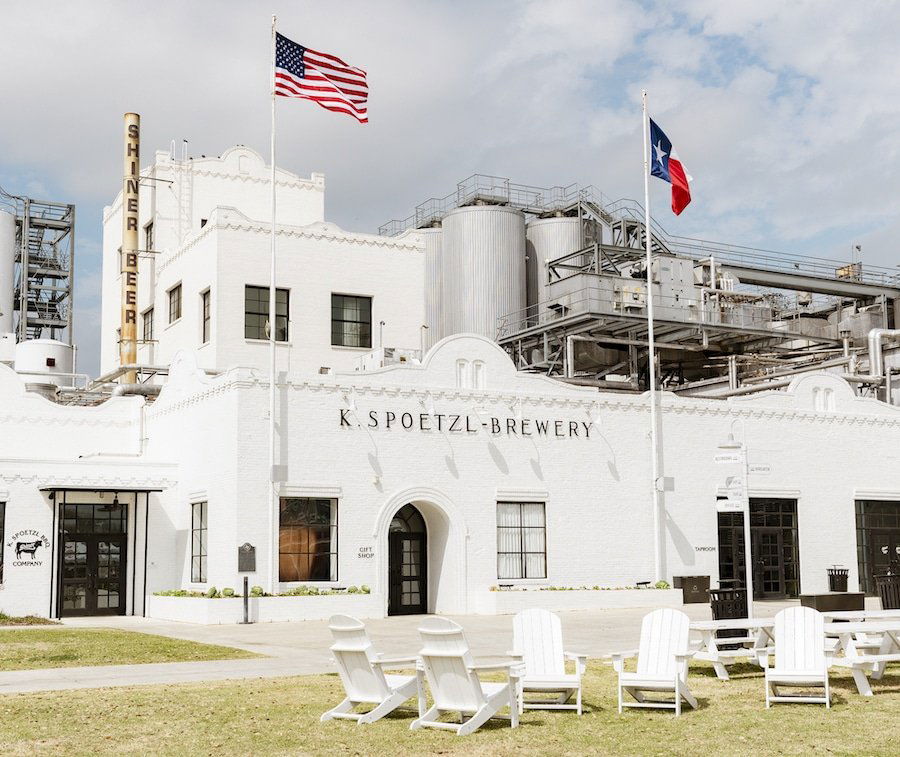
About K. Spoetzl Distilling (Shiner)
K. Spoetzl Distilling is worth considering when a Shiner visit needs a bigger, more recognizable drinks stop rather than a small tasting-room appointment. Go for occasion energy and brand familiarity, not for a confirmed food-pairing or wine-focused program.
For a visit to Shiner, K. Spoetzl Distilling (Shiner) is best evaluated on the verified basics: it is a distilling venue in Shiner with published daily hours and Pearl 1 Star Prestige recognition for 2025. Beyond that, the available verified record is limited, so specific expectations around food, tasting format, pricing, seating, or group services should be confirmed directly with the venue before building a trip around them.
The practical read: use the posted hours to decide whether it fits your day in Shiner. K. Spoetzl Distilling (Shiner) is open 10:30 AM to 6 PM Monday through Thursday, 10:30 AM to 8 PM Friday and Saturday, 11 AM to 6 PM Sunday. There is no verified cuisine program, menu format, takeout, delivery, allergy information, or membership detail in the provided record, so plan any dining separately with other Shiner options.
A Shiner distilling stop with verified hours and recognition
The strongest grounded reasons to consider K. Spoetzl Distilling (Shiner) are its Shiner location, its distilling identity, its weekly hours, its Pearl 1 Star Prestige recognition for 2025. If your visit depends on a particular tour, tasting, food offering, price point, or seating arrangement, check the venue's current channels first rather than assuming those details are available.
For broader cross-shopping, compare it with Copper Shot Distillery, Duchman Family Winery, Johnny Pickles Distillery, Kooper Family Whiskey Co. and Still Austin Whiskey Co. Other dining in Shiner can be considered separately if you need to add a meal before or after the stop.
Frequently Asked Questions
When is the best time to visit K. Spoetzl Distilling (Shiner)?
Use the posted hours as the main planning guide. Hours run 10:30 AM to 6 PM Monday through Thursday, 10:30 AM to 8 PM Friday and Saturday, 11 AM to 6 PM Sunday. If timing matters, confirm the current schedule with the venue before you go.
Can K. Spoetzl Distilling (Shiner) handle large groups?
The verified information does not include a group policy, seat count, reservation format, or private-event detail. If you are planning for a larger party, contact K. Spoetzl Distilling (Shiner) directly before visiting. Its Pearl 1 Star Prestige recognition for 2025 is confirmed, but that does not by itself verify group capacity.
How long should I plan for a visit to K. Spoetzl Distilling (Shiner)?
The verified record does not specify a tour length, tasting format, or recommended visit duration. Plan around the posted hours: the venue is open until 6 PM most days and until 8 PM on Friday and Saturday. If your schedule is tight, check directly for current visit options.
Is there verified membership information for K. Spoetzl Distilling (Shiner)?
The verified information for K. Spoetzl Distilling (Shiner) does not include membership details or membership terms. If you are comparing it with Duchman Family Winery, keep the comparison limited to confirmed information; K. Spoetzl Distilling (Shiner) should be assessed on its confirmed Shiner distilling identity, hours, Pearl 1 Star Prestige recognition.
What other venues can I compare with K. Spoetzl Distilling (Shiner)?
For broader comparisons, consider Copper Shot Distillery, Duchman Family Winery, Johnny Pickles Distillery, Kooper Family Whiskey Co. and Still Austin Whiskey Co.
Is shipping information verified for K. Spoetzl Distilling (Shiner)?
The verified information does not include delivery, retail shipping, or purchasing-and-shipping details for K. Spoetzl Distilling (Shiner). Check the venue's official channels for current purchasing and shipping information before making plans around it.
Does K. Spoetzl Distilling (Shiner) serve food?
The verified information provided here does not confirm a food program, cuisine, menu, takeout, delivery, or allergy accommodations. Treat K. Spoetzl Distilling (Shiner) as a distilling stop in Shiner unless the venue's current channels confirm otherwise, plan any meal separately with other Shiner dining.
Location
603 E Brewery St, Shiner, TX 77984
Shiner, United States
Compare K. Spoetzl Distilling (Shiner)
| Venue | Location | Awards |
|---|---|---|
| K. Spoetzl Distilling (Shiner) | Shiner | Pearl 1 Star Prestige (2025) |
| Copper Shot Distillery | Bastrop | , |
| Johnny Pickles Distillery | Seguin | , |
| Kooper Family Whiskey Co. | Ledbetter | , |
| Still Austin Whiskey Co. | Austin | , |
| Duchman Family Winery | Driftwood | , |
How K. Spoetzl Distilling (Shiner) compares with similar nearby venues.
Also Consider
- Copper Shot Distillery, Notable alternative
- Johnny Pickles Distillery, Notable alternative
- Kooper Family Whiskey Co., Notable alternative
- Still Austin Whiskey Co., Notable alternative
- Duchman Family Winery, Notable alternative
How it compares for a Texas drinks stop
Copper Shot Distillery and Johnny Pickles Distillery are better cross-shops if the goal is a smaller distillery feel. K. Spoetzl Distilling is the stronger fit for visitors who want a Shiner anchor stop with more occasion energy, while those peers make more sense for a narrower spirits-focused outing.
Kooper Family Whiskey Co. and Still Austin Whiskey Co. read more whiskey-specific, so choose them when the drink category matters more than the destination. Duchman Family Winery is the better alternative for a wine-centered day, especially if food pairing is part of the plan. For Shiner itself, K. Spoetzl Distilling is the practical pick when ambiance and a recognizable stop outweigh detailed tasting-room intimacy.
Explore Shiner
Save or rate K. Spoetzl Distilling (Shiner) on Pearl
Keep this venue in your Pearl passport, rate it after you visit, and track it alongside every other place you collect.