
Argiolas
Serdiana
Winery in Serdiana, Italy
 Book with Pearl
The Read
Island-Rooted Sardinian Viticulture
Price
$30–50tasting
Why go
Argiolas is worth prioritizing if the goal is a serious Sardinian wine stop near Serdiana, not a casual walk-in tasting. Plan it as an appointment-led visit and leave room in the day for bottle decisions, shipping questions, and comparison with other regional producers.
About Argiolas
Should you book Argiolas in Serdiana? Consider it if you are specifically planning around Argiolas and want a venue with Pearl 2 Star Prestige recognition for 2025. The safest approach is to treat it as a planned stop rather than relying on assumptions about formats, pricing, services, or availability.
The confirmed dress code is smart casual. Beyond that, details such as service style, visit length, access, and on-site offerings should be checked directly before you make firm plans. If you are building a broader itinerary, compare Argiolas with other named venues such as Cantina Santadi, Cusumano, Donnafugata, Tasca d'Almerita, and Zedda Piras without assuming they serve the same role or are in Serdiana.
Book this for a confirmed Serdiana name, not unverified extras
The reason to prioritize Argiolas is direct: it is a Serdiana venue with Pearl 2 Star Prestige recognition in 2025. That is enough to make it a candidate for travelers who already have Argiolas on their shortlist, but it is not enough to infer a specific format, menu, list, policy, or price point.
If the goal is to compare recognized venues, keep the comparison general and grounded. Argiolas can be considered alongside Cantina Santadi, Cusumano, Donnafugata, Tasca d'Almerita, and Zedda Piras, but the practical details should be confirmed venue by venue. Do not build the day around assumptions; confirm what is offered, when it is available, and how visitors are received before committing.
Who should skip it, and where to widen the search
Skip this if your plans require walk-in access, published pricing, a specific food component, service details, or a guaranteed group format. The stronger use case is a visitor who values the confirmed Serdiana location, the smart-casual expectation, and the Pearl 2 Star Prestige recognition, then checks the remaining logistics directly.
Bottom line: consider Argiolas if Serdiana is part of your itinerary and you want a recognized venue to anchor the plan. If convenience, clearly published services, or specific visit features matter most, compare it with Cantina Santadi, Cusumano, Donnafugata, Tasca d'Almerita, and Zedda Piras as separate venues, and with other dining or venue options in Serdiana before committing.
Planning details
- Location
- Via Roma, 28, 09040 Serdiana CA
- Website
- argiolas.it
- Phone
- +39 070 740606
The take
The Take
The Vibe
Argiolas presents itself as a deeply rooted Sardinian estate where history and quality converge. The copy foregrounds the island’s long continuity of grape growing and the Campidano plain’s distinctive soils and climate; that sense of longevity gives the place a historic gravitas. At the same time the mention of a 2025 Pearl 2 Star Prestige award and positioning within the wider Italian fine-wine conversation signals a polished, sophisticated presence. Visitors encounter an estate that reads as both storied and serious about quality—an iconic Sardinian name that foregrounds terroir and measured excellence.
Best For
This estate is best for focused wine-minded visits and small group outings that want to delve into Sardinian varietals and terroir. The writing deliberately reads like an education in place—calling out local grapes such as Cannonau, Carignano, Monica and Vermentino and explaining how the Campidano plain’s soils and sun shape their character. That makes Argiolas a natural stop for people who want context with their tasting: enthusiasts, student groups and anyone interested in comparing Sardinia’s structural reds and coastal whites in a landscape-driven setting.
Tasting Tips
When tasting at Argiolas, prioritize varietal clarity and structure. The text highlights Cannonau’s propensity for concentrated, structured fruit and a pronounced tannin architecture, so try a Cannonau to assess the local expression against other Grenache styles. Follow with a Vermentino or Monica to contrast white and lighter red profiles shaped by the island’s winds and soils. The estate’s recent Pearl Prestige recognition suggests looking for estate-designated bottlings that speak to consistent quality and pedigree rather than generic regional labels.
Venue details
Ambiance
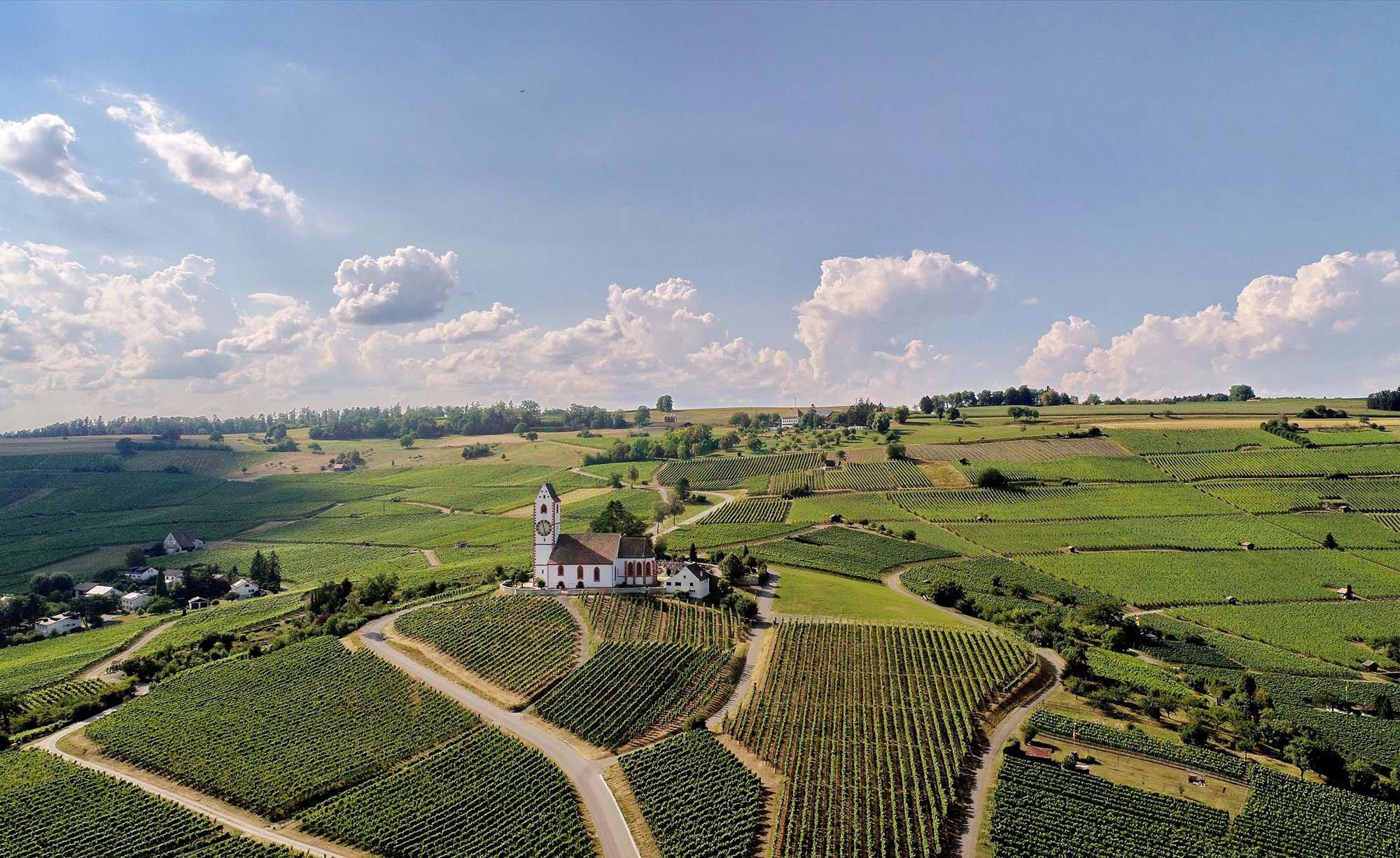
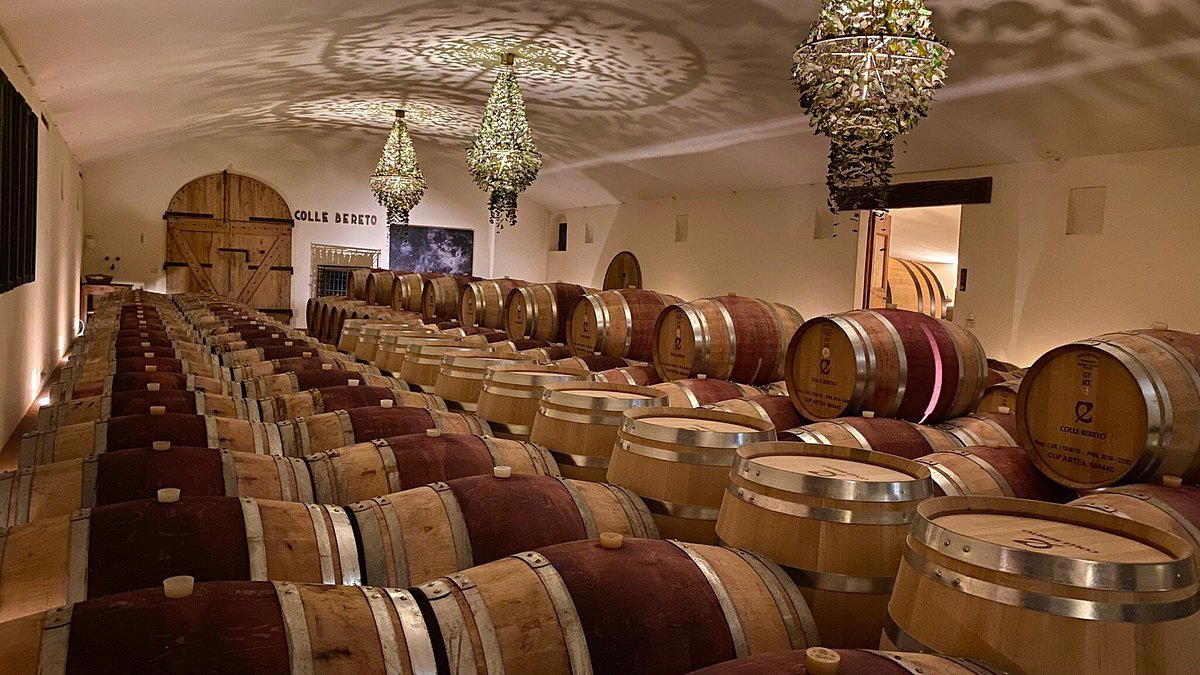
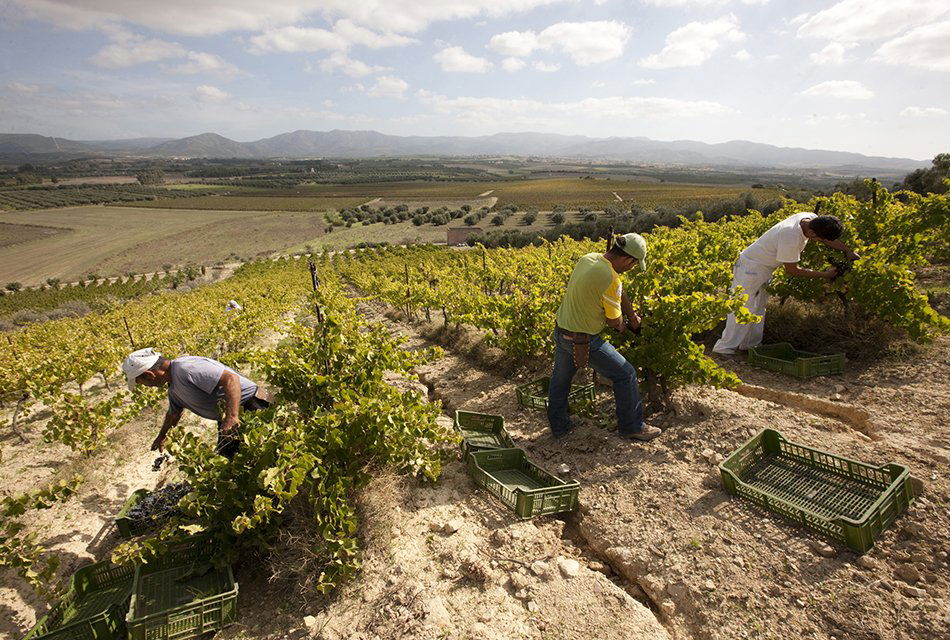
Relaxed and welcoming atmosphere in a renovated traditional Parteolla home surrounded by scenic vineyards, with unhurried tours and tastings paired with local Sardinian products.
Tags
Vibe
Best For
Experience
Sourcing
View
At the Vineyard
- Appellation
- Parteolla
- Varietals
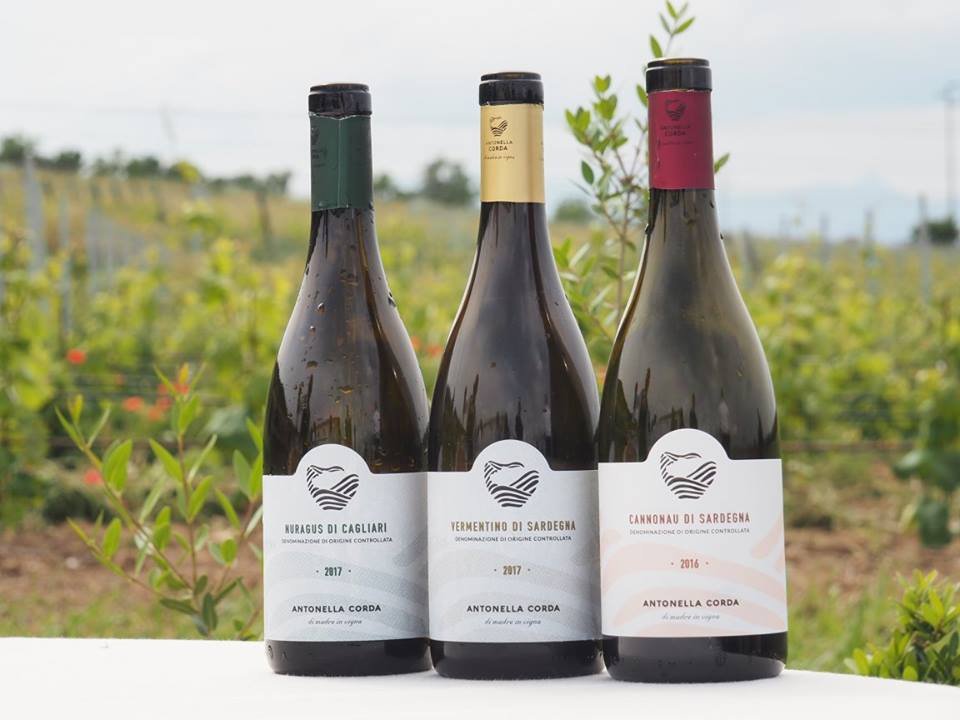
- Vermentino, Cannonau, Carignano, Monica, Bovale
- Tour Duration
- 2 hours
- Tour Languages
- English, Italian, French, Spanish
- Visits
- By reservation
- Farming
- Sustainable
- Production
- Large producer
- Wine Styles
- Still White, Still Red
- Food Pairing
- Offered
- Wine Club
- Not available
Know before you go
Know Before You Go
- Getting there
- Via Roma, 28, 09040 Serdiana CA
Planning details
Location
Recognition and awards

Also consider
Also Consider
- Zedda Piras, Notable alternative
- Cantina Santadi, Notable alternative
- Donnafugata, Notable alternative
- Cusumano, Notable alternative
- Tasca d'Almerita, Notable alternative
Winery context
How Argiolas compares with nearby and regional winery options
Choose Argiolas if the trip is centered on Sardinian wine depth and the schedule can handle a harder-to-secure visit. Zedda Piras is the more relevant cross-shop for travelers interested in Sardinian drinks culture beyond a conventional winery frame, while Cantina Santadi is the better comparison if the priority is staying within Sardinia but widening the regional lens.
For travelers already leaving Sardinia, Donnafugata, Cusumano, and Tasca d'Almerita make more sense as Sicily-led alternatives than direct substitutes. They are better for building a broader island-wine itinerary; Argiolas is the cleaner choice when the decision is specifically whether to commit time in Serdiana.
On value, the key question is not a published tasting fee but trip cost: if reaching Serdiana is already part of the plan, Argiolas is easier to justify. If it requires a major detour, compare the likely effort against Cantina Santadi for another Sardinian angle or Donnafugata for a Sicily-focused route.
Explore Serdiana
Around this place
Discover more on Pearl
Unlock the full Argiolas guide in Pearl, including awards, comparisons, FAQs, planning details, and nearby places.
Compare Argiolas
| Venue | Location | Awards |
|---|---|---|
| Argiolas | Serdiana | 2026 Falstaff Winery Guide |
| Zedda Piras | Cagliari | No published awards |
| Cantina Santadi | Santadi | 2026 Falstaff Winery Guide |
| Donnafugata | Sicily | 2026 Falstaff Winery Guide2022 World's 50 Best Vineyards · #45 |
| Cusumano | Partinico | No published awards |
| Tasca d’Almerita | Palermo | 2026 Falstaff Winery Guide |

How Argiolas Serdiana compares with similar nearby venues.
FAQ
Frequently Asked Questions
Do I need a reservation at Argiolas?
Reservation requirements should be confirmed directly with Argiolas before planning your visit to Serdiana. If you are comparing options, Cantina Santadi is another venue to review separately.
How long should I plan for a visit to Argiolas?
Plan only around what Argiolas confirms directly, and avoid assuming a short stop, extended visit, or particular format. Donnafugata and Cusumano can be useful comparison names when weighing different venues.
What services are confirmed at Argiolas?
The details here are limited to Argiolas being in Serdiana, its smart casual dress code, and its Pearl 2 Star Prestige recognition for 2025. Any specific services should be confirmed directly with Argiolas before you plan around them. Tasca d'Almerita is another venue you may want to compare for practical planning, but its details should also be checked directly.
Is Argiolas a good fit for repeat visits?
Repeat-visit details and ongoing arrangements should not be assumed. Argiolas has Pearl 2 Star Prestige recognition for 2025, but specific terms or programs should be confirmed directly. If repeat planning is important, compare the confirmed details at Argiolas with options from Zedda Piras or other venues.
Can Argiolas handle large groups?
Large-group capacity should be confirmed directly before bringing a group to Serdiana, because capacity, format, and access details should be checked by the venue. Cantina Santadi can be another venue to review when planning a broader itinerary.
What should I know before visiting Argiolas?
The confirmed details are concise: Argiolas is in Serdiana, has a smart casual dress code, and holds Pearl 2 Star Prestige recognition for 2025. The safest approach is to evaluate Argiolas through information the venue confirms directly rather than relying on specifics. Donnafugata and Tasca d'Almerita can serve as broader reference points when comparing venues.
What other venues should I compare with Argiolas?
Argiolas is in Serdiana. For broader comparison planning, consider Cantina Santadi, Cusumano, Donnafugata, Tasca d'Almerita, and Zedda Piras, while checking each venue's location and visit details separately. You can also look at other dining or venue options in Serdiana generically.