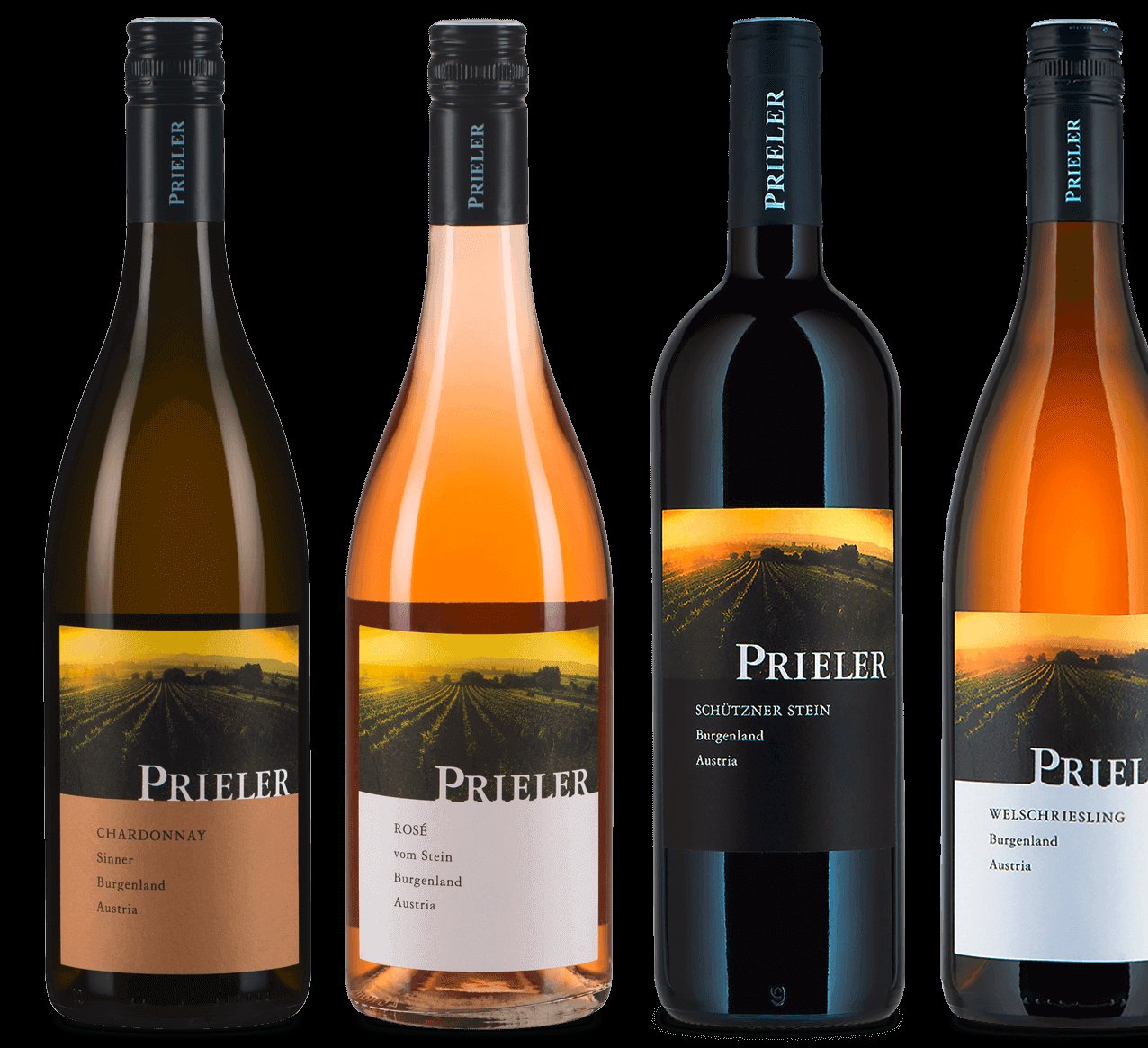

Weingut Prieler
Schützen am Gebirge, Schützen
Winery in Schützen, Austria
 Book with Pearl
The Read
Crystalline Terroir Precision
Why go
Weingut Prieler is a strong target for serious Burgenland wine travellers who care more about producer depth than a packaged visitor experience. The value case is strongest for focused tastings and bottle research; casual groups wanting food, flexible timing, or easy logistics should compare nearby wineries first.
About Weingut Prieler
Weingut Prieler is in Schützen with a casual dress code and a clearly confirmed Pearl 2 Star Prestige recognition for 2025. The safest way to plan is to confirm the practical details directly rather than assume a broader hospitality format.
Because food service, visitor hours, tasting format, price structure, seat count, and booking process are not specified, travellers should check with the venue before making firm plans. It is best considered by guests who are specifically interested in Weingut Prieler and can confirm the practical details directly.
Book for substance, not a packaged tasting experience
The practical trade-off is simple: choose Weingut Prieler if the venue itself is the reason for the visit. Do not build the plan around details such as lunch, a set tasting menu, a published fee, a hosted itinerary, or a drop-in format.
For planning around Schützen, confirm the details that matter for the rest of the day separately, especially food, lodging, transport, and any other activities.
How to think about value in Schützen
The value question is not answered here by a tasting fee, menu, or visitor package. It is better framed around whether a confirmed visit to Weingut Prieler fits the purpose of the trip and whether the Pearl 2 Star Prestige recognition for 2025 is a meaningful signal for the traveller.
For comparison, research can include Gut Oggau Winery, Weingut Feiler-Artinger, Weingut Ernst Triebaumer, Weingut Wenzel, and Esterházy Winery, along with other dining in Schützen if the day needs food or a fuller hospitality plan.
Bottom line: prioritise Weingut Prieler when the aim is a stop in Schützen and the schedule can wait for confirmed details. Look elsewhere if the group needs food, set hours, pricing, or a defined visitor format before deciding.
Planning details
- Location
- Hauptstraße 181, 7081 Schützen am Gebirge
- Website
- prieler.at
- Phone
- +43 2684 2229
The take
The Take
The Vibe
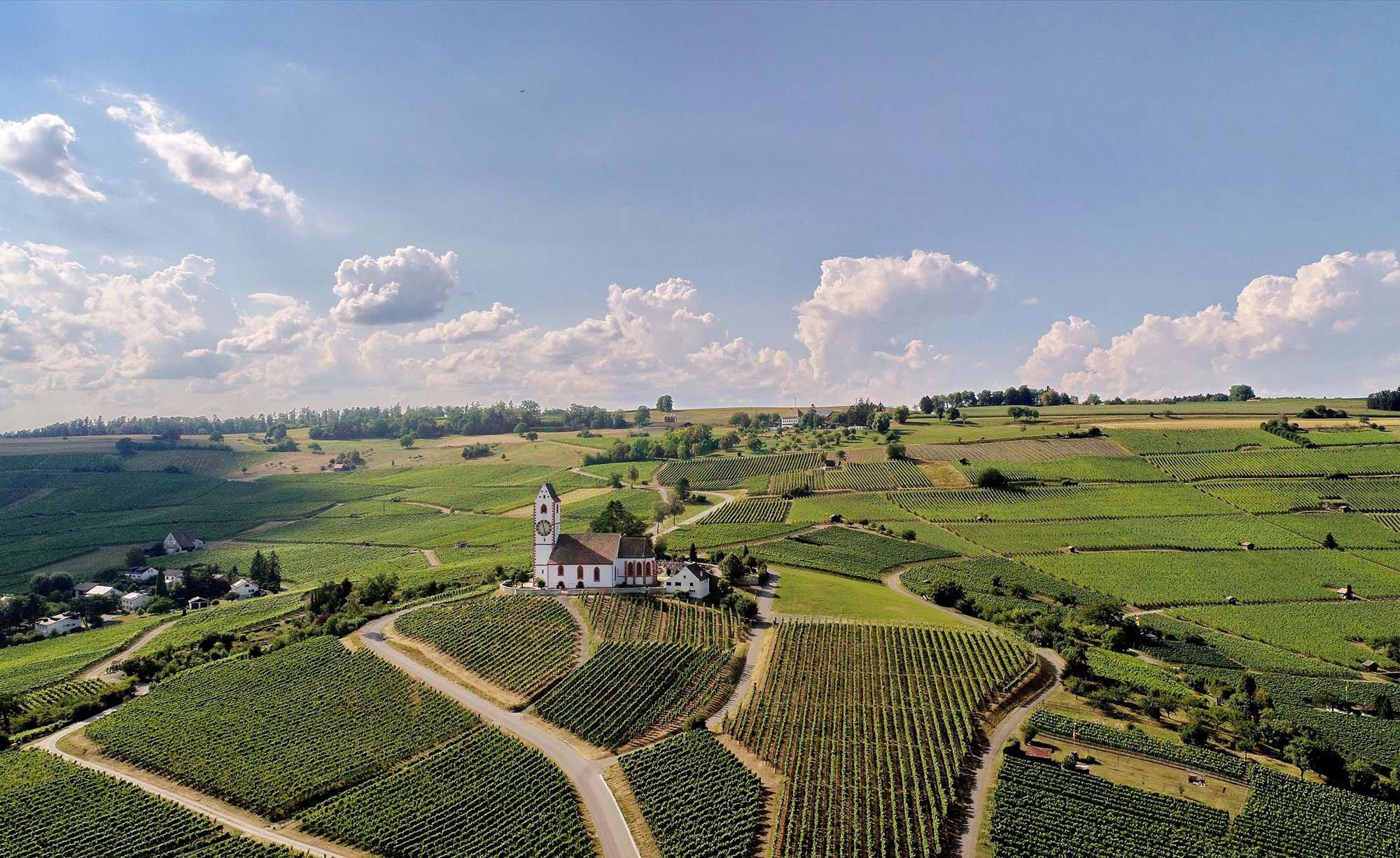
Weingut Prieler sits in a quietly assured corner of Burgenland where limestone hills drop into the Pannonian Plain. The writing emphasizes a place defined by geological tension — mineral-rich slopes meeting heat-retaining flats — and an estate that interprets that contrast with precision, as reflected in a Pearl 2 Star Prestige recognition. The surrounding village is small and unhurried, and the tone of the writing presents Prieler as a tasteful, sophisticated outpost for people who prefer a serene, rural wine experience over busy lakeside tourism.
Best For
This estate rewards visitors who come for focused, wine-centered experiences rather than casual sightseeing. The text positions Prieler as a destination for people interested in understanding terroir — the limestone influence of the Leitha Hills and the moderating effect of diurnal swings — so it suits solo exploration or small, contemplative visits. Its recent Pearl 2 Star Prestige recognition also makes it appropriate for special-occasion visits where the quality and distinctiveness of the wines matter. Visiting requires committing to the countryside, so expect a quiet, deliberate outing rather than a quick stop.
Tasting Tips
Look for wines that express the site’s limestone-driven minerality and retained acidity: the description highlights mineral precision, slow sugar accumulation and longevity as region-defining traits. Because the write-up frames Prieler through the lens of soil and climate, prioritize bottles or tastes that are described as Neusiedlersee-Hügelland DAC or that reference the Leitha Hills and limestone character. These selections are most likely to demonstrate the estate’s precise interpretation of its contrasting slopes and plains and to show why the winery has earned recent prestige recognition.
Venue details
Ambiance
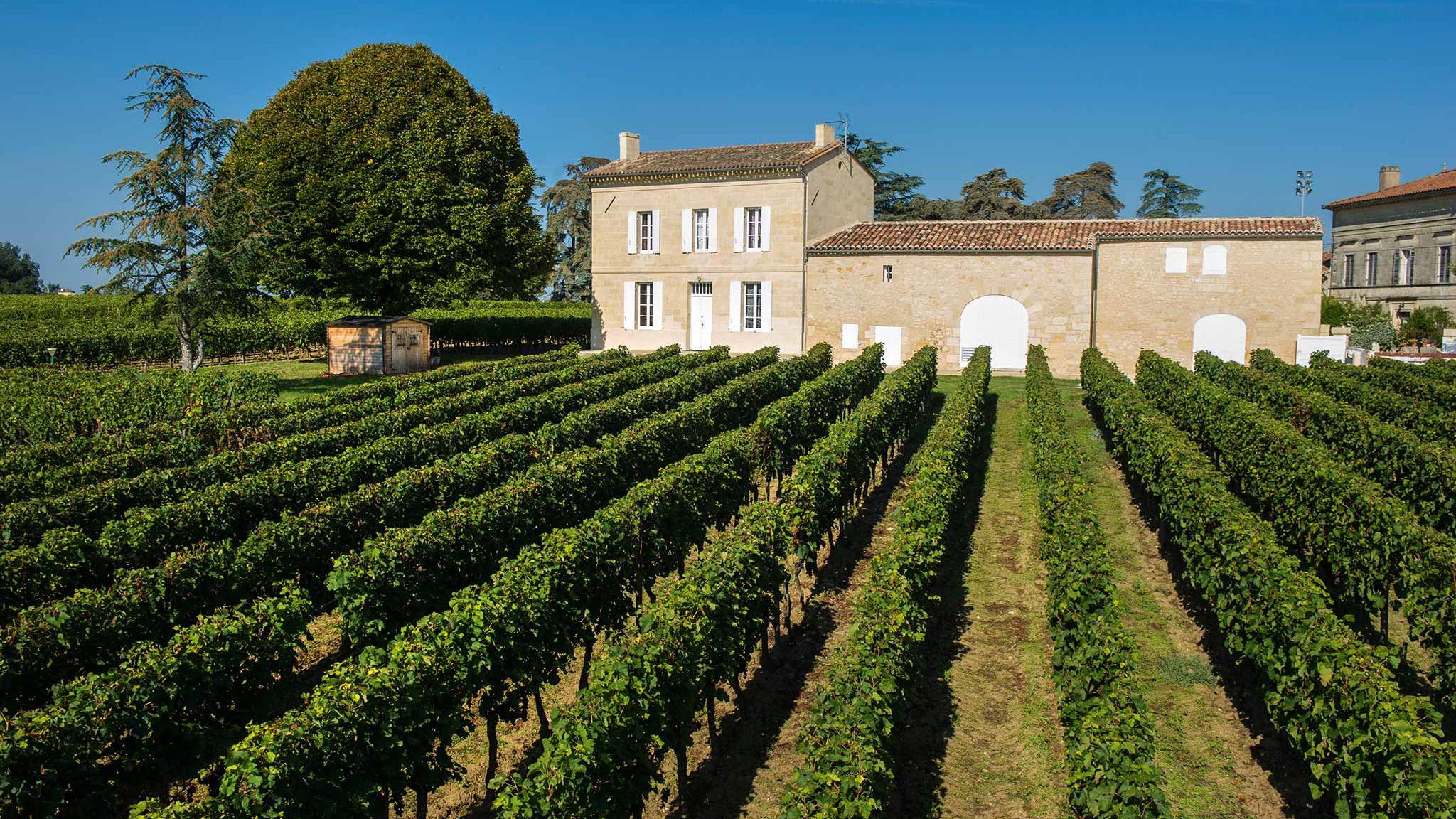
Cozy family-run winery with a focus on quality and tradition, evoking a rustic yet sophisticated atmosphere amid historic farm setting and stunning vineyard landscapes.
Tags
Vibe
Best For
Experience
Sourcing
View
At the Vineyard
- Appellation
- Leithaberg DAC
- Varietals
- Blaufränkisch, Pinot Blanc, Chardonnay, Pinot Noir, Welschriesling
- Tour Languages
- German
- Visits
- By reservation
- Farming
- Organic
- Wine Styles
- Still Red, Still White
- Wine Club
- Not available
Know before you go
Know Before You Go
- Getting there
- Hauptstraße 181, 7081 Schützen am Gebirge
Planning details
Location
Recognition and awards

Also consider
If Prieler is not available
Try Weingut Feiler-Artinger or Weingut Ernst Triebaumer first if the goal is a serious nearby wine day. For mixed groups that need an easier, more formal setup, Esterházy Winery is the safer backup.
Winery context
How It Compares
Choose Weingut Prieler if the priority is a serious Schützen wine stop where the decision is driven by bottle quality and producer credibility. Gut Oggau Winery is the more obvious cross-shop for travellers chasing a more cult-feeling Burgenland name, while Weingut Feiler-Artinger and Weingut Ernst Triebaumer make sense if the itinerary is built around Rust as much as Schützen.
For value, Prieler is the cleaner recommendation when the visit is about buying with confidence rather than paying for a broader hospitality setup. Weingut Wenzel is a useful alternative for travellers who want another focused winery appointment nearby, while Esterházy Winery is the safer comparison for groups that may prefer a larger, more formal visitor operation.
Booking difficulty is the main caution. If Prieler is unavailable, move first to Feiler-Artinger or Ernst Triebaumer for a nearby serious-wine day; if the group includes less technical drinkers, Esterházy is likely the easier fit.
Explore Schützen
Around this place
Discover more on Pearl
Unlock the full Weingut Prieler guide in Pearl, including awards, comparisons, FAQs, planning details, and nearby places.
Compare Weingut Prieler
| Venue | Location | Awards |
|---|---|---|
| Weingut Prieler | Schützen | 2026 Falstaff Winery Guide |
| Gut Oggau Winery | Oggau | 2026 Falstaff Winery Guide |
| Weingut Feiler-Artinger | Rust | 2026 Falstaff Winery Guide |
| Weingut Ernst Triebaumer | Rust | 2026 Falstaff Winery Guide |
| Weingut Wenzel | Rust | 2026 Falstaff Winery Guide |
| Esterházy Winery | Trausdorf | 2026 Falstaff Winery Guide |
How Weingut Prieler Schützen compares with similar nearby venues.
FAQ
Frequently Asked Questions
How long should I plan for a visit to Weingut Prieler?
What other venues can I compare with Weingut Prieler?
Useful comparison points include Gut Oggau Winery, Weingut Feiler-Artinger, Weingut Ernst Triebaumer, Weingut Wenzel, and Esterházy Winery. Confirm each venue's location, hours, and visit format before building an itinerary.
Are there confirmed membership or allocation details for Weingut Prieler?
No membership, wine club, or allocation details are available here. If any such program is offered, judge it by the current terms from the venue rather than assuming benefits.
What should I look for at Weingut Prieler?
The clearest recognition here is the Pearl 2 Star Prestige recognition for 2025.