Koutsoyannopoulos Winery
Vothonas, Santorini
Winery in Santorini, Greece
 Book with Pearl
The Read
Ungrafted Volcanic Viticulture
Why go
Koutsoyannopoulos Winery is a smart first Santorini wine stop if the goal is context before chasing view-led tastings. Its Vothonas location suits an inland wine itinerary, the 2025 Pearl 2 Star Prestige signal makes it worth shortlisting, especially for first-timers comparing Santorini producers rather than looking only for a scenic terrace.
About Koutsoyannopoulos Winery
Koutsoyannopoulos Winery is a Santorini winery with Pearl 2 Star Prestige recognition for 2025. Plan around it as a winery stop whose visit formats, menus, prices, opening hours, group arrangements should be checked directly before visiting.
The practical verdict is simple: consider it if you want Koutsoyannopoulos Winery specifically on a Santorini itinerary, confirm the current visit details through the venue's official channels. If you are comparing Santorini options, Estate Argyros, Vassaltis Vineyards, Artemis Karamolegos Winery, SantoWines (Santorini Coop), and Canava Santorini Distillery (1974) are useful reference points.
A Santorini stop to check before building the day around it
The key facts are concise: Koutsoyannopoulos Winery is in Santorini, has a smart casual dress code, holds Pearl 2 Star Prestige recognition for 2025. Check the exact location within the island, hours, reservation requirements, tasting formats, prices, capacity before treating them as fixed planning facts.
For trip planning, compare it with Artemis Karamolegos Winery, Estate Argyros, Vassaltis Vineyards, SantoWines (Santorini Coop), and Canava Santorini Distillery (1974) depending on the kind of Santorini visit you are building. Confirm current arrangements directly before committing to a tight itinerary.
Who should choose it over other Santorini options
Choose Koutsoyannopoulos Winery if the venue itself is a priority and the Pearl 2 Star Prestige (2025) recognition matters to your shortlist. It works best as one Santorini winery option among several rather than as a venue to choose on assumptions about a specific service style, tasting structure, price level, or visitor capacity.
Travelers with strict timing, accessibility needs, group-size questions, or reservation requirements should check the venue's official channels before making plans. For a broader comparison, look at Artemis Karamolegos Winery, Estate Argyros, Vassaltis Vineyards, SantoWines (Santorini Coop), and Canava Santorini Distillery (1974) alongside other Santorini options.
Quick reference: Koutsoyannopoulos Winery is a Santorini winery with smart casual dress and Pearl 2 Star Prestige (2025). Confirm all operational details directly before visiting, compare it with Estate Argyros, Artemis Karamolegos Winery, Vassaltis Vineyards, Canava Santorini Distillery (1974), and SantoWines (Santorini Coop) before finalizing the day.
Planning details
- Location
- Βόθωνας, Vothonas 847 00
- Website
- kwm.gr
- Phone
- +30 2286 031322
The take
The Take
The Vibe
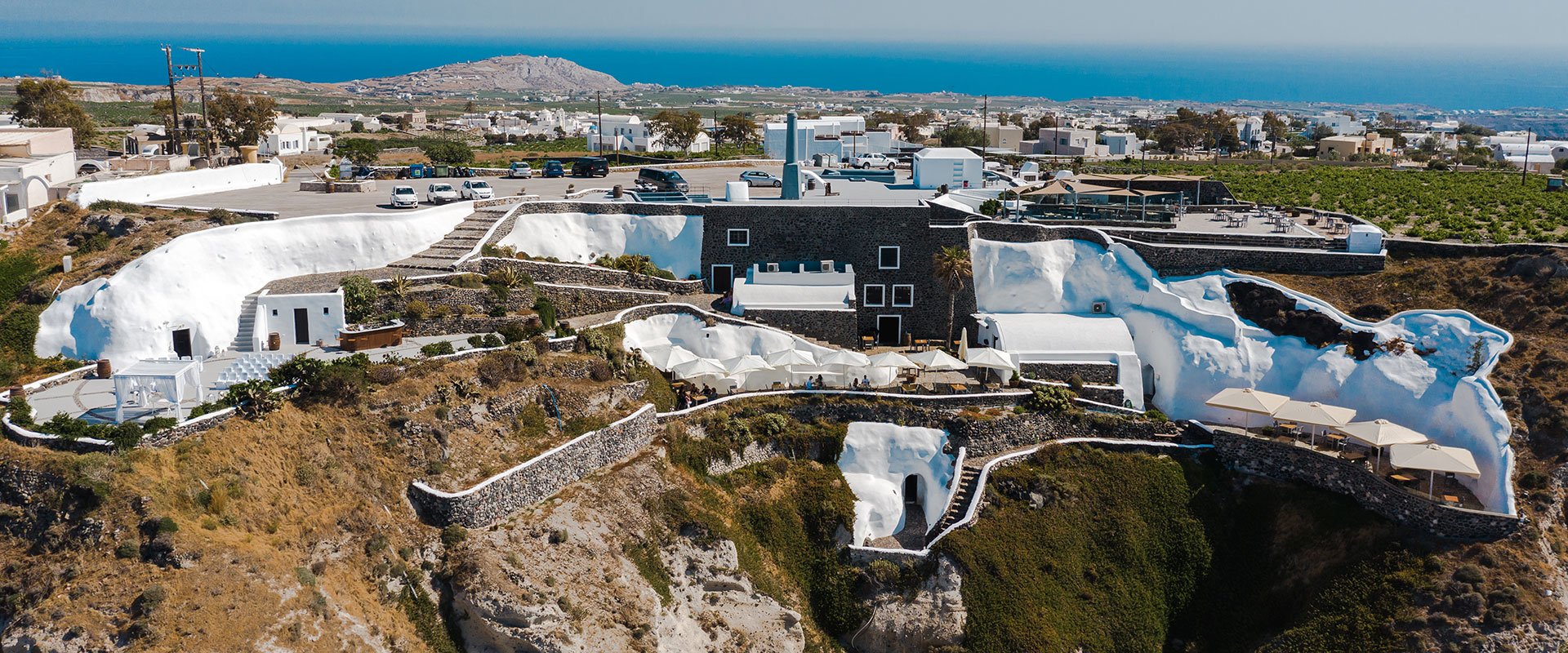
Koutsoyannopoulos Winery sits quietly inland from Santorini’s famous caldera circuit, trading dramatic cliffside panoramas for an intimate focus on vine and soil. The setting is understated and cerebral: low-trained kouloura vines, pumice-rich, highly drained soils and a landscape that reads more geological than theatrical. Visits feel thoughtful rather than performative—this is a place where agricultural logic and old cultivation techniques are the visual and emotional foreground. The overall atmosphere favors contemplation and close study of terroir, making the property feel like a calm, off-the-beaten-path counterpoint to the island’s selfie-ready tasting rooms.
Best For
This winery is best for visitors who want to go deeper into Santorini wine—students of terroir, solo explorers and small groups focused on tasting and learning. The interior wine route context and the emphasis on volcanic soils and kouloura training reward a slower, more educational approach to tasting. It’s also well suited to quieter special occasions where the priority is conversation and discovery rather than spectacle. Travelers seeking photographic caldera views should look elsewhere; here the appeal is substance and agricultural authenticity.
Tasting Tips
Approach tastings with terroir in mind: ask about the island’s pumice-and-ash soils, the implications for drainage and why some Assyrtiko remains ungrafted. The write-up places vineyard practice—low-trained kouloura vines—front and center, so steer conversation toward vine training, yields and how those choices shape the wines. Treat the visit as part of the interior wine route rather than a caldera stop—expect focused explanations rather than panoramic backdrops. If you’re curious about volcanic influence, frame your questions around soil, vine health and varietal expression.
Venue details
Ambiance
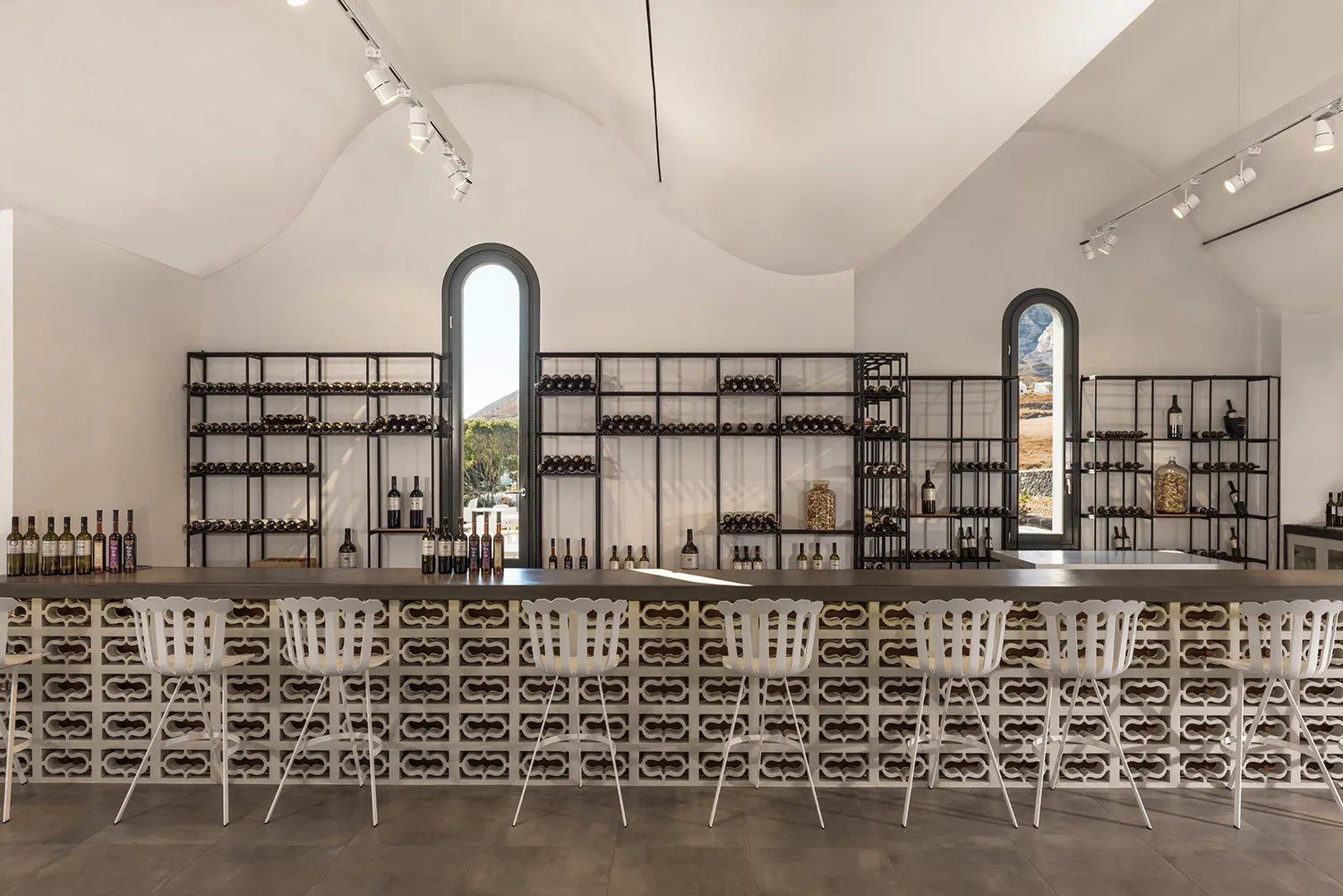
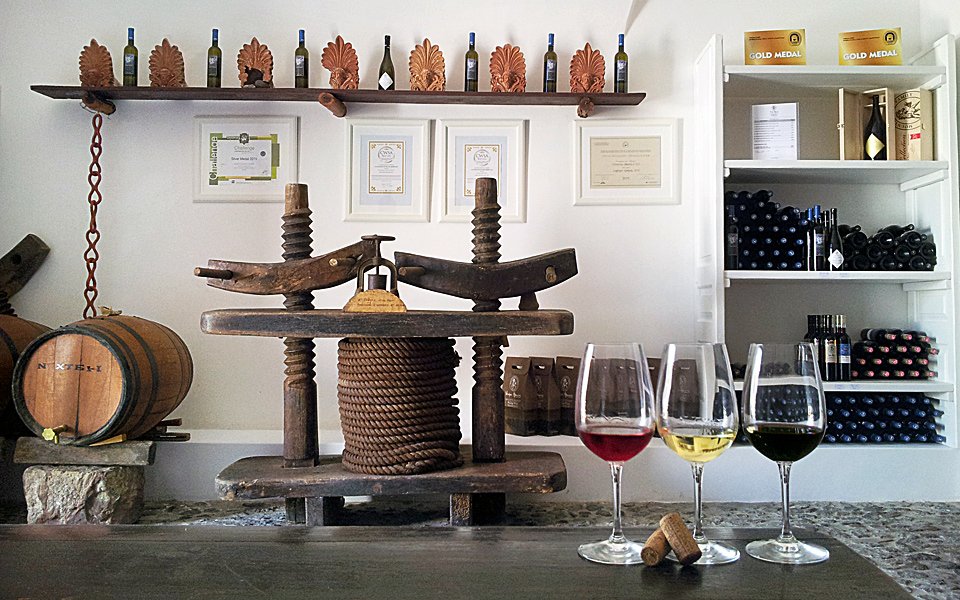
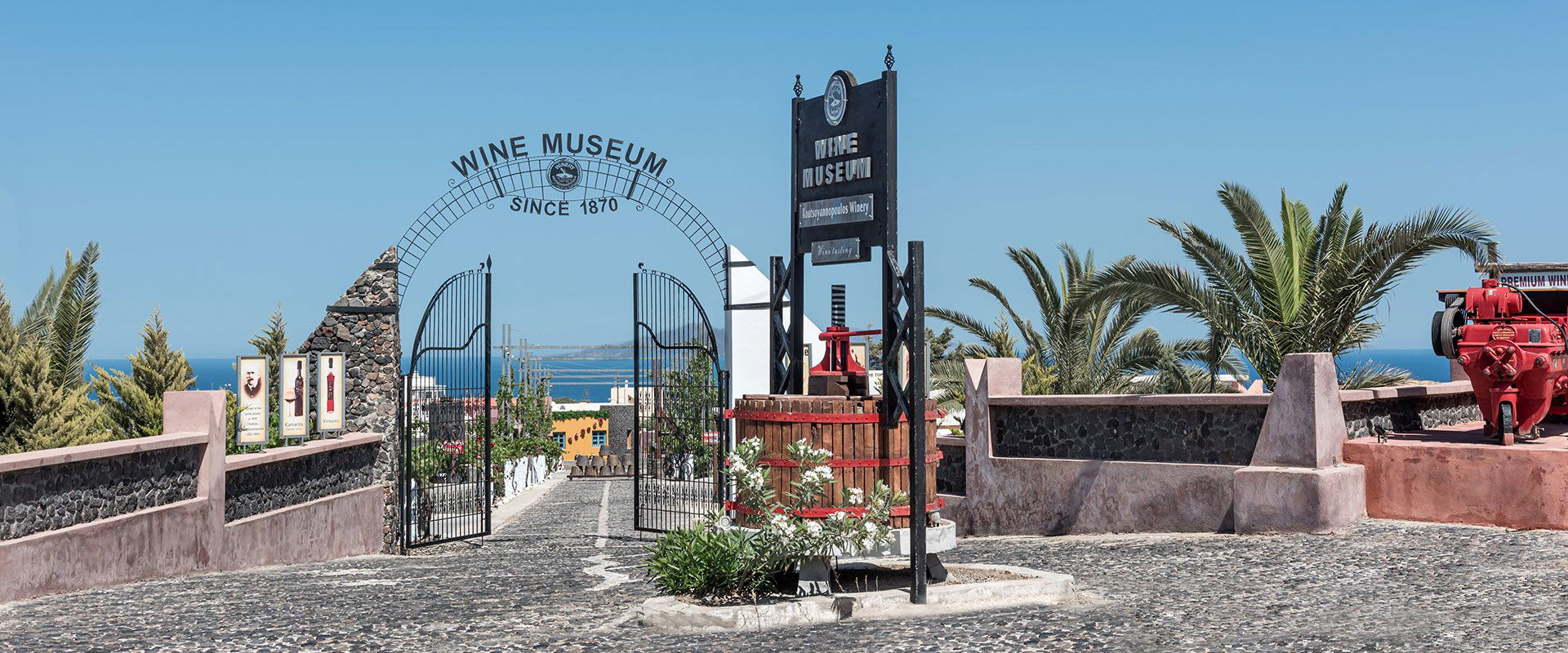
Cave-like underground setting with a traditional, historic atmosphere combining dim lighting, stone corridors, and modern displays.
Tags
Vibe
Best For
Experience
Sourcing
View
At the Vineyard
- Appellation
- Santorini PDO
- Varietals
- Assyrtiko, Aidani, Athiri, Mandilaria, Mavrotragano
- Tour Duration
- 60-90 minutes
- Wine Club
- Not available
Planning details
Location
Also consider
Where to look if this is full
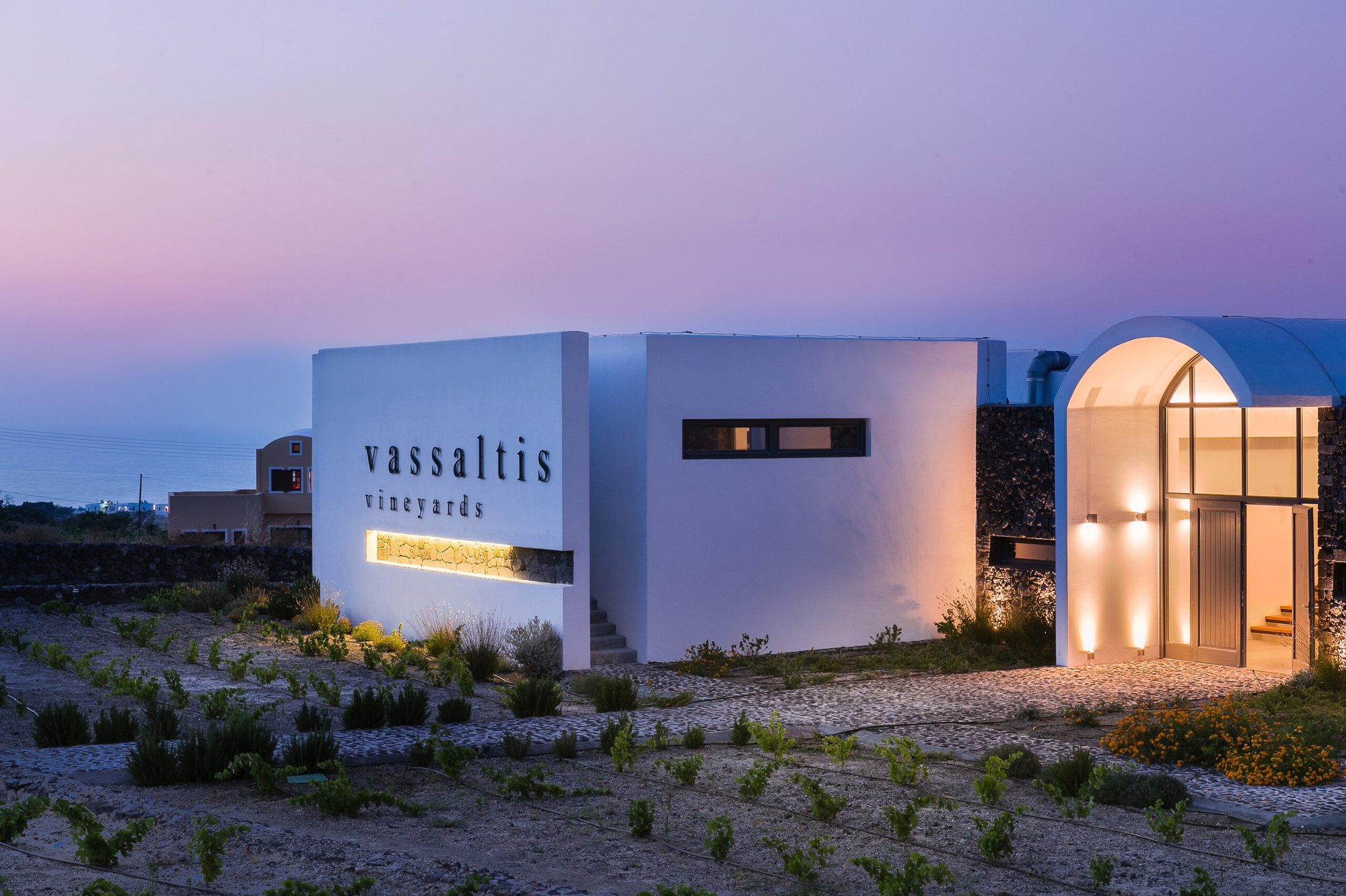
Try Estate Argyros or Artemis Karamolegos Winery first if the group is wine-focused and wants to stay within Santorini's producer circuit. Choose Vassaltis Vineyards if the priority is a more contemporary tasting-room feel.
If not everyone in the group wants a winery, Canava Santorini Distillery (1974) is the more flexible backup. For a view-led Santorini stop, SantoWines (Santorini Coop) is the more obvious alternative.
Winery context
How it compares in Santorini
Koutsoyannopoulos Winery is the pick for visitors who want an orientation-style Santorini wine stop before comparing producers elsewhere. Artemis Karamolegos Winery and Estate Argyros are stronger cross-shops for travelers focused on a more conventional winery itinerary, while this address makes more sense when the physical setting and island wine context matter as much as the tasting itself.
If ambiance is the deciding factor, split the choice carefully. SantoWines (Santorini Coop) is the more obvious choice for visitors prioritising a big-view Santorini stop, while Vassaltis Vineyards is the better fit for a cleaner contemporary tasting-room feel. Koutsoyannopoulos is more useful as a first stop that explains the island before the itinerary moves to glossier rooms.
For groups that are not fully committed to wine, Canava Santorini Distillery (1974) is the sharper alternative because it broadens the drinks focus. For wine-first travelers, compare availability across Estate Argyros, Artemis Karamolegos, Vassaltis before committing, since Santorini's better-known tasting slots can tighten quickly in peak season.
Around this place
Discover more on Pearl
Unlock the full Koutsoyannopoulos Winery guide in Pearl, including awards, comparisons, FAQs, planning details, and nearby places.
Compare Koutsoyannopoulos Winery
| Venue | Location | Awards |
|---|---|---|
| Koutsoyannopoulos Winery | Santorini | No published awards |
| Artemis Karamolegos Winery | Santorini | No published awards |
| Estate Argyros | Santorini | 2022 World's 50 Best Vineyards · #40 |
| Canava Santorini Distillery (1974) | Santorini | No published awards |
| Vassaltis Vineyards | Santorini | No published awards |
| SantoWines (Santorini Coop) | Santorini | No published awards |

How Koutsoyannopoulos Winery Santorini compares with similar nearby venues.
FAQ
Frequently Asked Questions
When is the best time to visit Koutsoyannopoulos Winery?
Koutsoyannopoulos Winery is in Santorini and has Pearl 2 Star Prestige (2025), so confirm current opening times and visit arrangements through the venue's official channels before planning around it.
What other Santorini venues can I compare with Koutsoyannopoulos Winery?
For a Santorini comparison set, look at Artemis Karamolegos Winery, Estate Argyros, Vassaltis Vineyards, SantoWines (Santorini Coop). Canava Santorini Distillery (1974) is also relevant if you want to compare another Santorini venue.
What details should I confirm before visiting Koutsoyannopoulos Winery?
Check current hours, reservation requirements, tasting formats, prices, group arrangements, other operational details directly before visiting. Judge Koutsoyannopoulos Winery on its core facts: it is in Santorini, has a smart casual dress code, holds Pearl 2 Star Prestige (2025).
Do I need a reservation at Koutsoyannopoulos Winery?
Plan to confirm directly with Koutsoyannopoulos Winery before visiting, especially if your Santorini itinerary depends on a specific time. The dress code is smart casual.