

Winery in Santorini, Greece
Canava Santorini Distillery (1974)
500Pearl PointsDistillery stop
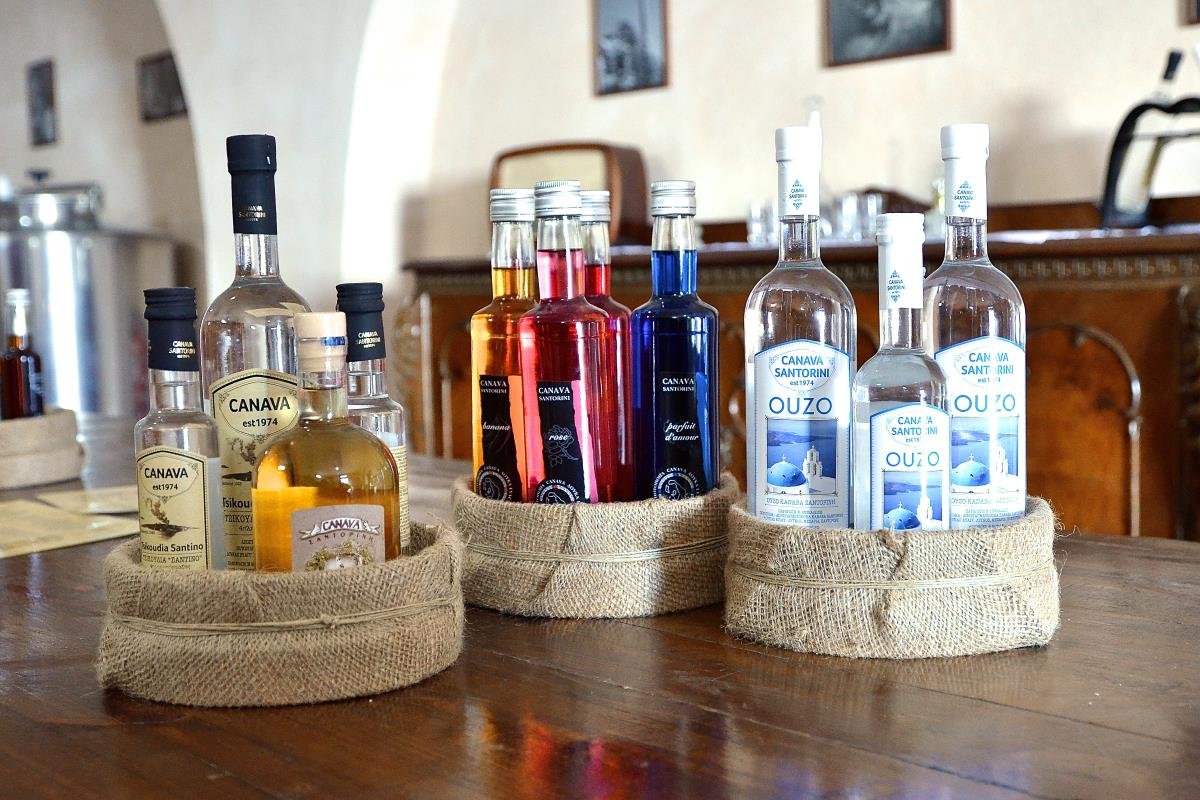
About Canava Santorini Distillery (1974)
Book Canava Santorini Distillery (1974) if this is a second Santorini trip or the group wants production context beyond the island's standard winery circuit. First-time visitors focused on classic wine tastings should compare Vassaltis Vineyards, SantoWines, Venetsanos Winery, Koutsoyannopoulos Winery, Artemis Karamolegos Winery before committing.
Canava Santorini Distillery (1974) is a Santorini venue with limited verified public details in this guide. The confirmed basics are simple: it is in Santorini, the dress code is casual, it carries Pearl 2 Star Prestige recognition for 2025. Beyond that, specific claims about hours, reservations, pricing, tastings, menus, production format, shipping, food service, or group policies should be checked directly with the venue before planning around them.
The ideal way to use this listing is as a planning checkpoint rather than a fully detailed itinerary brief. If you are comparing Santorini options, consider Canava Santorini Distillery (1974) alongside Vassaltis Vineyards, Artemis Karamolegos Winery, SantoWines (Santorini Coop), Venetsanos Winery, Koutsoyannopoulos Winery. Those comparisons can help you decide which Santorini stop best fits the style of visit you want, but any operational details should be confirmed with each venue directly.
A Santorini stop to confirm directly
For repeat visitors to Santorini, Canava Santorini Distillery (1974) may be worth considering because it is a distinct named venue among the island listings in this guide. The verified record here does not establish a specific tour format, tasting structure, drinks list, or visitor experience, so it is better not to build expectations around unconfirmed details. Treat it as a Santorini stop to investigate directly, especially if you are already comparing multiple venues.
For planning context, Venetsanos Winery, Koutsoyannopoulos Winery, Vassaltis Vineyards, Artemis Karamolegos Winery, SantoWines (Santorini Coop) are natural Santorini comparisons. Canava Santorini Distillery (1974) should be chosen only after you confirm the current visit details that matter to you, such as timing, booking requirements, what is actually offered on the date you plan to go.
Where to place it in a Santorini itinerary
Place Canava Santorini Distillery (1974) in your Santorini itinerary only after confirming its current operating details directly. The verified information in this guide does not include opening hours, visit length, reservation requirements, location beyond Santorini, or whether food, tours, tastings, shipping, or purchases are available. That means it should not be treated as a guaranteed lunch stop, a guaranteed appointment, or a fixed-duration activity without checking first.
For a Santorini-focused day, compare it only with other Santorini options such as Artemis Karamolegos Winery, Koutsoyannopoulos Winery, SantoWines (Santorini Coop), Vassaltis Vineyards, Venetsanos Winery. If your priority is a smooth schedule, confirm practical details with each venue before linking them together.
Frequently Asked Questions
Do I need a reservation at Canava Santorini Distillery (1974)?
The verified information does not confirm the reservation policy. If Canava Santorini Distillery (1974) is important to your Santorini plans, check the venue's official channels before you go. If you are comparing options, Vassaltis Vineyards is another Santorini venue to consider.
Does Canava Santorini Distillery (1974) have a membership program?
The verified information does not confirm a membership program. Do not plan around one unless Canava Santorini Distillery (1974) confirms it directly. For broader Santorini planning, you can also compare SantoWines (Santorini Coop) or Venetsanos Winery.
How long should I plan for a visit to Canava Santorini Distillery (1974)?
The verified information does not confirm visit length, opening hours, or a set format. Build flexibility into your Santorini schedule and confirm timing directly with the venue, especially if your day also includes Koutsoyannopoulos Winery or Artemis Karamolegos Winery.
Does Canava Santorini Distillery (1974) offer shipping?
The verified information does not confirm shipping. If shipping matters to your plans, ask Canava Santorini Distillery (1974) directly before building the visit around transport. The same is true when comparing Santorini stops such as Venetsanos Winery or SantoWines (Santorini Coop).
What is Canava Santorini Distillery (1974) known for?
The verified information confirms that Canava Santorini Distillery (1974) is in Santorini, has a casual dress code, carries Pearl 2 Star Prestige recognition for 2025. It does not confirm any specific product, menu, tour, tasting, or service format. If your priority is a winery-centered Santorini visit, Vassaltis Vineyards is another option to compare.
What other Santorini venues should I compare with Canava Santorini Distillery (1974)?
Vassaltis Vineyards, SantoWines (Santorini Coop), Venetsanos Winery, Koutsoyannopoulos Winery, Artemis Karamolegos Winery are useful Santorini comparison stops when planning around Canava Santorini Distillery (1974). Confirm current details directly with each venue before finalizing an itinerary.
Does Canava Santorini Distillery (1974) serve food?
The verified information does not confirm a food program. If food is important, confirm directly with Canava Santorini Distillery (1974) and plan a separate Santorini meal if needed before or after other stops such as SantoWines (Santorini Coop) or Venetsanos Winery.
Location
Mesaria 847 00
Santorini, Greece
Compare Canava Santorini Distillery (1974)
Practical comparison
| Venue | Use it for | Planning note |
|---|---|---|
| Canava Santorini Distillery (1974) | Production context beyond a standard winery tasting | Better as a second-visit or mixed drinks itinerary stop |
| Vassaltis Vineyards | Wine-led tasting focus | Stronger if the group wants vineyard and bottle context first |
| SantoWines (Santorini Coop) | Broad Santorini wine introduction | Safer for first-timers building a simple route |
| Venetsanos Winery | Atmosphere-led visit | Choose it when setting carries the decision |
| Koutsoyannopoulos Winery | Context-heavy winery stop | Better for museum-style interest |
| Artemis Karamolegos Winery | Focused wine tasting | Use it when the priority is wine depth |
Where to go if this does not fit
If the group wants a more classic Santorini wine tasting, choose Vassaltis Vineyards or Artemis Karamolegos Winery instead. If the priority is an easier first-time itinerary with broad appeal, SantoWines (Santorini Coop) is the more practical fallback.
How it compares in Santorini
Choose Canava Santorini Distillery (1974) when the priority is production context and a different angle on the island's drinks culture. Vassaltis Vineyards and Artemis Karamolegos Winery are stronger fits for visitors who want a wine-led tasting, while this is more useful for travellers who have already covered the obvious vineyard stops.
SantoWines (Santorini Coop) is the safer first-timer choice if the group wants a broad Santorini wine experience and easier itinerary logic. Venetsanos Winery is the better call for atmosphere, especially if the setting matters as much as the tasting. Pick Canava when the decision is about depth and contrast, not the classic Santorini view.
Koutsoyannopoulos Winery is the closest peer for visitors who like context-heavy stops. The difference is emphasis: Koutsoyannopoulos suits a museum-minded itinerary, while Canava is better for a production-led detour. For value, the right move is not to stack too many similar tastings; pair one winery with this instead.
Explore Santorini
Save or rate Canava Santorini Distillery (1974) on Pearl
Keep this venue in your Pearl passport, rate it after you visit, and track it alongside every other place you collect.