Gracias a Dios
Santiago Matatlán
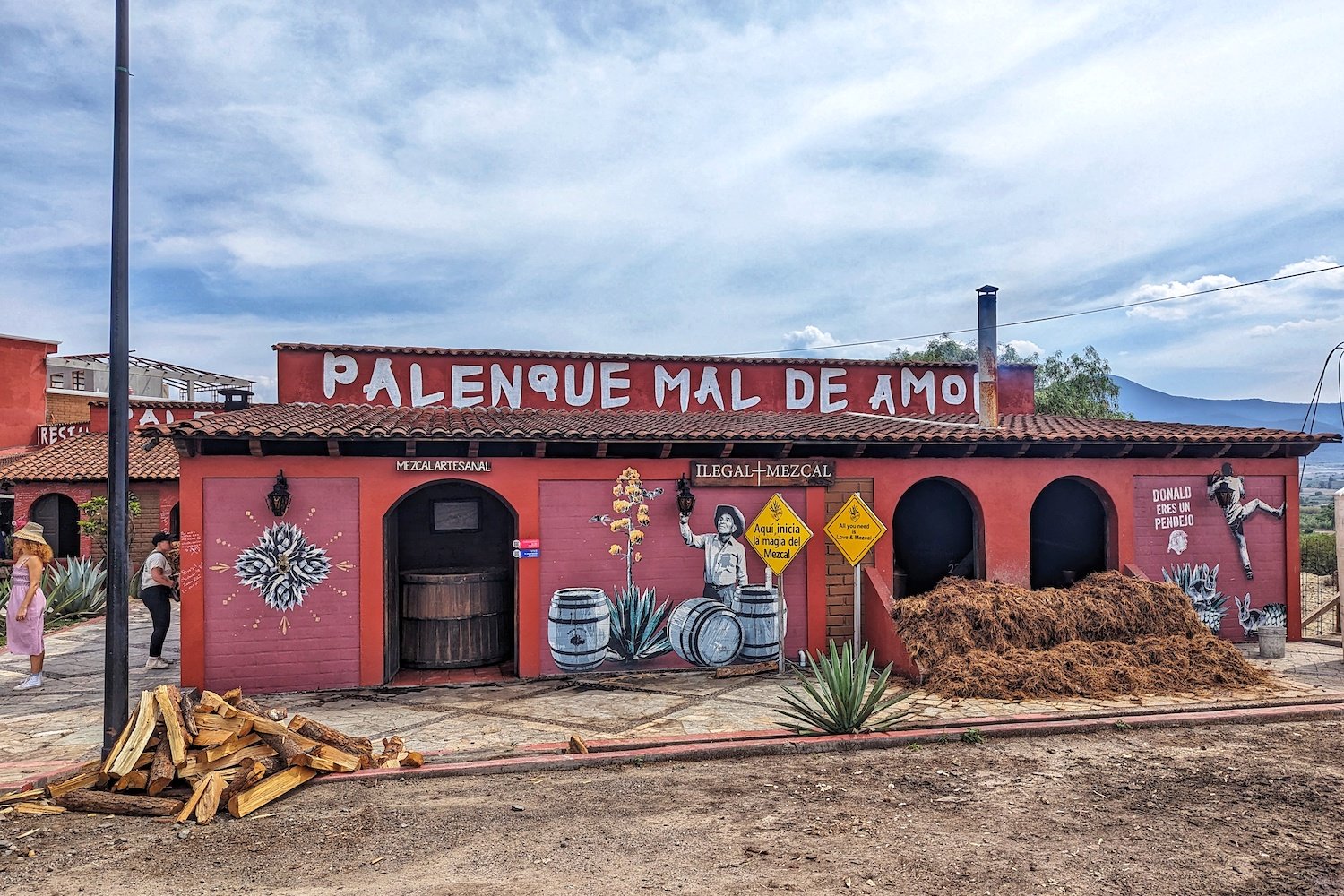
Winery in Santiago Matatlán, Mexico
 Book with Pearl
The Read
Pit-Roast Provenance
Why go
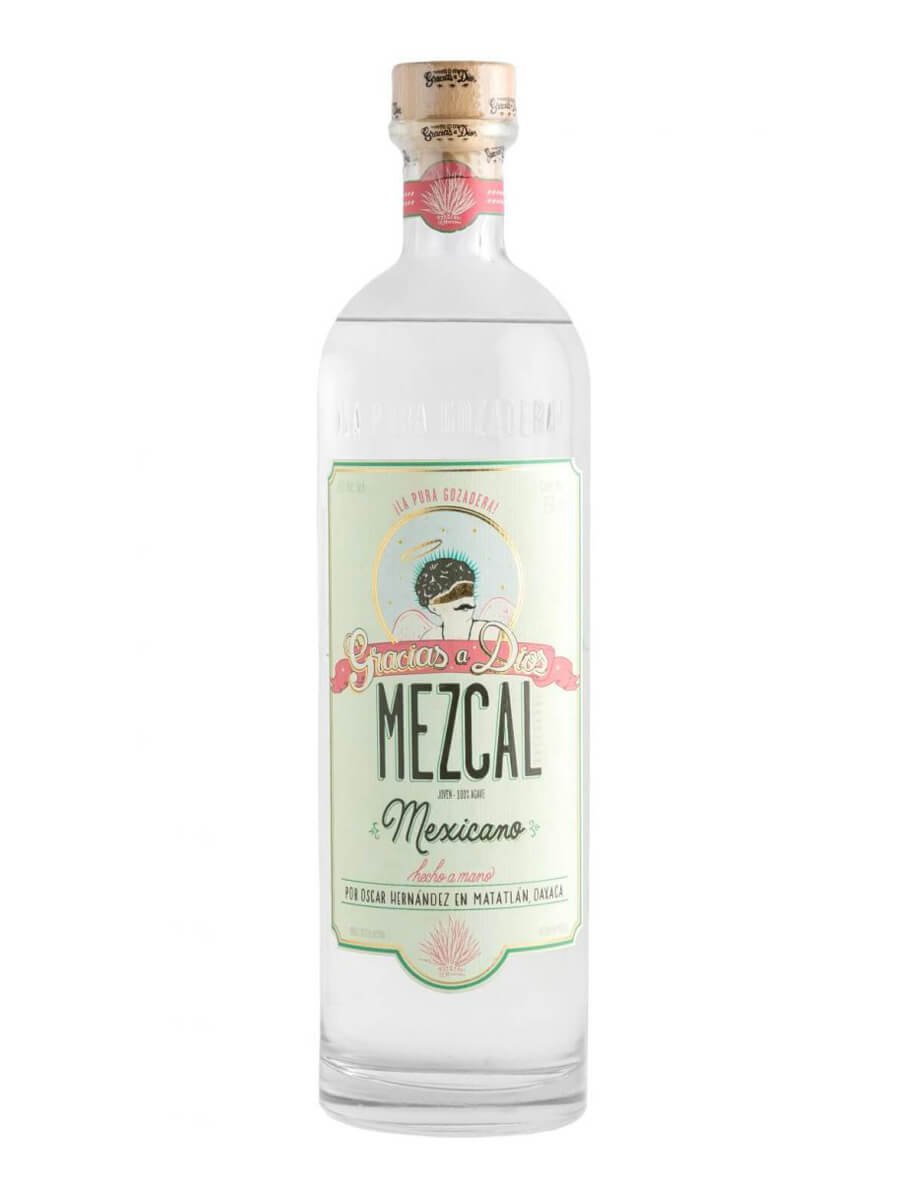
Gracias a Dios is a strong pick for a planned Santiago Matatlán agave-spirit stop, especially for a small celebration or hosted outing where recognition matters. Do not treat it like a conventional winery visit built around a named flagship bottle or published shipping details; build in a nearby backup and confirm logistics before centering the day on it.
About Gracias a Dios
Gracias a Dios is a Santiago Matatlán venue with a casual dress code and Pearl 2 Star Prestige recognition for 2025. Plan with care and confirm practical details directly before building an itinerary around it.
The safest way to approach a visit is to confirm practical details directly before building an itinerary around it. If you are comparing options, keep the decision focused on the venue name, the location in Santiago Matatlán, the casual dress code, and the Pearl 2 Star Prestige signal.
Book for the confirmed prestige signal, not unverified specifics
The main reason to prioritize Gracias a Dios is its Pearl 2 Star Prestige recognition in 2025. That is a useful planning signal, but it should not be stretched into claims about a particular visit format, menu, service style, or program.
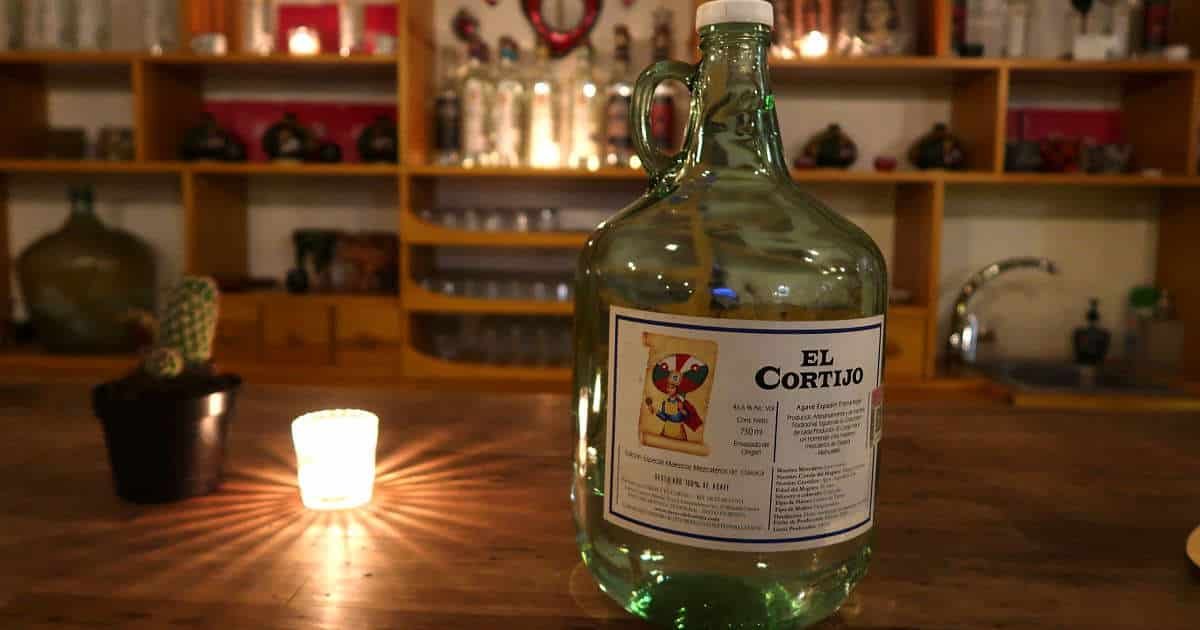
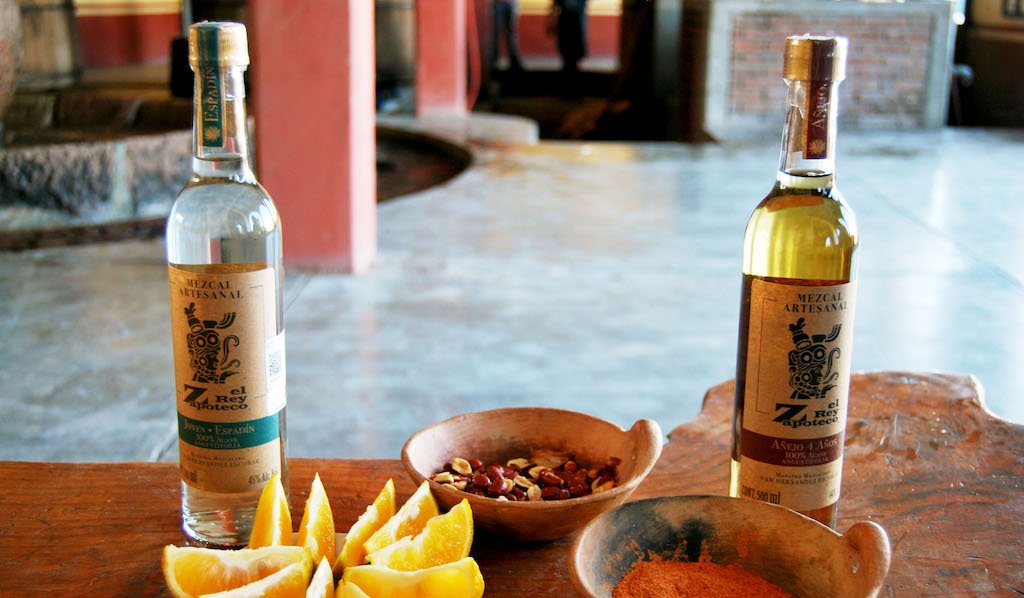
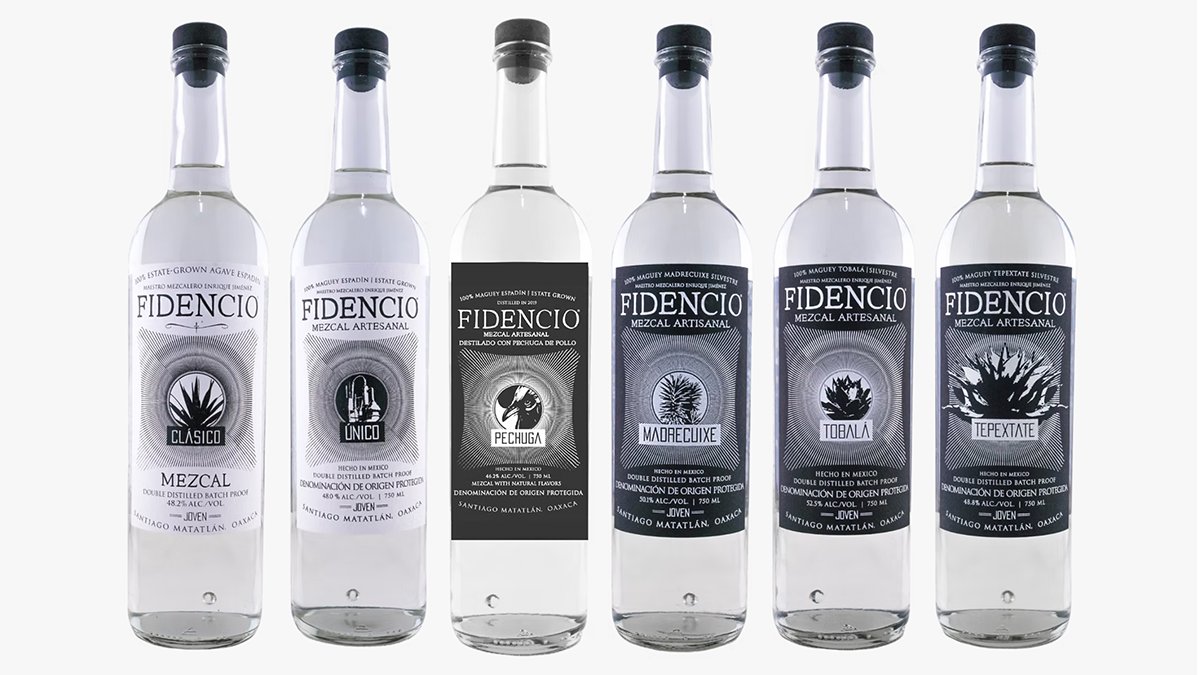
Because logistics are thin, avoid making the day depend on details that have not been confirmed. If timing, access, group size, purchases, or other services matter, check directly with the venue before committing. For travellers comparing other options, consider Gracias a Dios alongside El Cortijo (palenque), El Rey Zapoteco, Fidencio, Los Danzantes, or Macurichos without assuming that each offers the same type of experience.
Who should choose this over another option
Choose Gracias a Dios if you want a Santiago Matatlán venue with Pearl 2 Star Prestige recognition and you are comfortable verifying the practical details yourself. If the priority is comparing several named options, cross-shop El Cortijo (palenque), El Rey Zapoteco, and Fidencio before locking the day.
The verdict: consider Gracias a Dios if the recognition and Santiago Matatlán location are enough to make it a priority. Skip or delay booking if your decision depends on published hours, pricing, a specific service format, shipping, a named product, or other details.
Planning details
- Location
- Independencia S/N, 70440 Santiago Matatlán, Oax.
- Website
- thankgad.com
- Phone
- +52 442 789 9924
The take
The Take
The Vibe
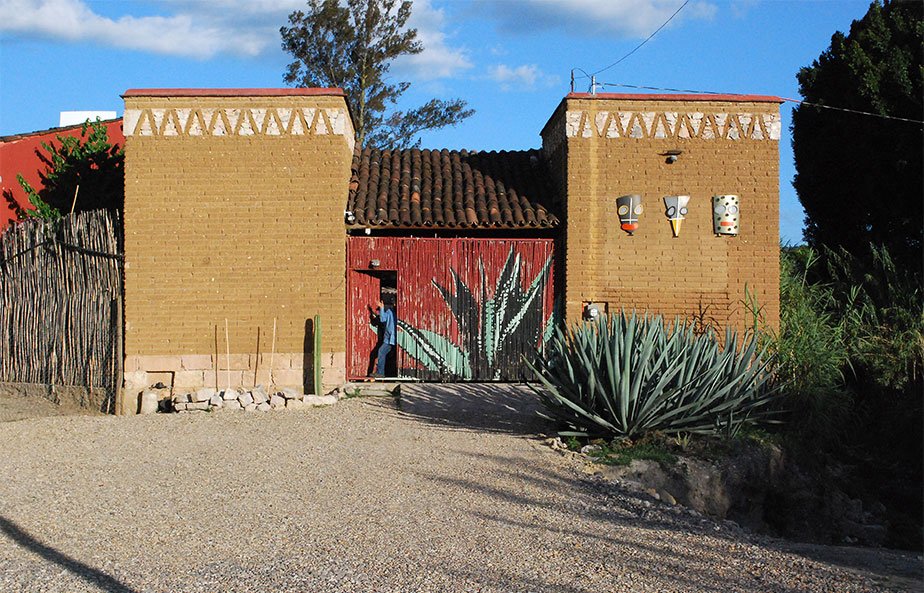
Gracias a Dios sits squarely in Santiago Matatlán’s agave landscapes, where mezcal is framed as a product of place and lineage rather than trend. The tone is rooted and generational: Zapotec families and longtime palenque neighbors shape a palpable sense of history, while the operation’s Pearl 2 Star Prestige rating signals disciplined, quality-focused production. Visitors encounter a working agricultural setting — spiky espadín rosettes on the valley floor and older varieties higher up — that reads as authentic and composed rather than theatrical. The overall impression is serious, place-driven and quietly elevated.
Best For
This is a destination for people who want to understand mezcal in context. Educators, curious tasters and travelers seeking an explanatory deep dive into agave, terroir and traditional production practices get the most from a visit. The setting also suits group outings that trace multiple palenques along Calle Independencia and solo exploration for those who prefer to move slowly through fields, taste different expressions and ask detailed questions of producers. It’s less about nightlife or polished tasting rooms and more about learning where spirit and landscape meet.
Tasting Tips
Frame your visit around questions: ask about the agave varieties grown on the valley floor versus higher ground and how elevation influences flavor. Request explanations of the production philosophies mentioned in the description and seek out expressions that showcase older, slower-maturing agaves as well as espadín. Given the emphasis on sustainability and terroir, inquire about farming and sourcing practices. If you’re visiting with others, consider coordinating a route of nearby palenques on Calle Independencia to compare approaches.
Venue details
Ambiance
Open-air rustic setting with welcoming family atmosphere and stunning mountain and valley views.
Tags
Vibe
Best For
Experience
Sourcing
View
At the Vineyard
- Appellation
- Oaxaca
- Varietals
- Espadín, Tobalá, Tepeztate, Cuishe, Mango
- Tour Duration
- 60-90 minutes
- Tour Languages
- Spanish, English
- Visits
- Walk-ins welcome
- Farming
- Sustainable
- Wine Club
- Not available
Know before you go
Know Before You Go
- Getting there
- Independencia S/N, 70440 Santiago Matatlán, Oax.
Planning details
Location
Also consider
Where to look if this does not work
If availability or logistics do not line up, try El Rey Zapoteco for another Santiago Matatlán producer option, or Fidencio if the group wants to keep the day focused in the same area without rebuilding the itinerary.
Winery context
How Gracias a Dios compares in Santiago Matatlán
Choose Gracias a Dios when the priority is a polished, recognition-led agave stop in Santiago Matatlán. Against El Cortijo (palenque) and Macurichos, it reads as the safer celebration pick: better for a hosted date or business-adjacent visit than for travellers trying to keep the day loose and exploratory.
El Rey Zapoteco and Fidencio are the smarter cross-shops if access and schedule flexibility matter more than prestige. For visitors who want a broader Matatlán comparison set before committing, Los Danzantes belongs on the same shortlist, especially if the group is weighing ambience and experience format over a single producer name.
Value depends on what the group wants from the stop. Gracias a Dios is easier to justify when the visit is the centerpiece of the day; for a multi-stop route, compare confirmed availability first, then choose the producer that gives the clearest plan.
Explore Santiago Matatlán
Around this place
Discover more on Pearl
Unlock the full Gracias a Dios guide in Pearl, including awards, comparisons, FAQs, planning details, and nearby places.
Compare Gracias a Dios
| Venue | Location | Awards |
|---|---|---|
| Gracias a Dios | Santiago Matatlán | No published awards |
| El Cortijo (palenque) | Santiago Matatlán | No published awards |
| Macurichos | Santiago Matatlán | No published awards |
| El Rey Zapoteco | Santiago Matatlán | No published awards |
| Los Danzantes | Santiago Matatlán | No published awards |
| Fidencio | Santiago Matatlán | No published awards |
How Gracias a Dios Santiago Matatlán compares with similar nearby venues.
FAQ
Frequently Asked Questions
How long should I plan for a visit to Gracias a Dios?
Do I need a reservation at Gracias a Dios?
If your schedule is tight, contact Gracias a Dios directly before visiting Santiago Matatlán.