Story of Soil
Los Olivos, Santa Ynez
Winery in Santa Ynez, United States
 Book with Pearl
The Read
Terroir-Driven Viticulture
Why go
Story of Soil is worth prioritizing if the goal is a focused Los Olivos wine stop inside a compact Santa Ynez itinerary. Treat it as a reservation-first tasting room for small groups, not a flexible walk-in fallback; compare it with Blair Fox Cellars, Tercero Wines, Storm Wines, Dragonette Cellars, and Liquid Farm Tasting Room before locking the day.
About Story of Soil
Story of Soil is a Santa Ynez venue with a casual dress code and Pearl 2 Star Prestige recognition for 2025. Check the venue's current official information before building a day around it.
For practical planning, start with the essentials: the venue is in Santa Ynez, the dress code is casual, and Pearl lists it with 2 Star Prestige in 2025. For broader trip context, cross-check dining logistics through Our full Santa Ynez restaurants guide and compare options such as Blair Fox Cellars, Dragonette Cellars, Liquid Farm Tasting Room, Storm Wines, and Tercero Wines.
A Santa Ynez stop for flexible planning
Check directly with Story of Soil before visiting, especially for details such as format, pricing, availability, group size, and timing. The most reliable guidance is simple: casual attire is appropriate, and the venue carries Pearl 2 Star Prestige recognition for 2025.
If you are comparing it with other venues, focus on the essentials. Blair Fox Cellars, Dragonette Cellars, Liquid Farm Tasting Room, Storm Wines, and Tercero Wines are natural names to keep in the same planning set, while other Santa Ynez dining and hospitality options can be considered generically based on your route and schedule.
Who should choose this venue
Choose Story of Soil if a Santa Ynez venue with casual dress and Pearl 2 Star Prestige recognition fits the tone of your itinerary. Confirm specific services, booking requirements, menu structure, visit format, prices, and hours with the venue before making plans.
For travelers comparing options, Story of Soil can be considered alongside Blair Fox Cellars, Dragonette Cellars, Liquid Farm Tasting Room, Storm Wines, and Tercero Wines. Keep the comparison focused on essential planning details and current information from the venues themselves.
Planning details
- Location
- 2928 San Marcos Ave, Los Olivos, CA 93441
- Website
- storyofsoilwine.com
- Phone
- +1 805-686-1302
The take
The Take
The Vibe
Story of Soil reads like a study in terroir-forward restraint. Set within the Santa Ynez Valley’s east–west temperature gradient, the winery foregrounds site expression over cellar showmanship, and its recent Pearl 2 Star Prestige rating underscores that disciplined approach. The writing emphasizes careful cellar choices — down to barrel selection — which conveys a focused, sophisticated personality rather than flash. Visitors encounter a producer that privileges provenance, precision, and measured winemaking; the result is an experience that feels curated and exacting, inviting guests to consider how geology, climate and modest cellar intervention combine to shape the wines.
Best For
This is a destination for people who want to learn while they taste. Story of Soil suits curious solo visitors, small groups of keen enthusiasts, and anyone interested in the mechanics of terroir-driven winemaking. Its small-production, allocation-oriented stance and emphasis on cellar decisions make it rewarding for guests who appreciate nuanced explanations about site, barrel influence and stylistic restraint. Rather than a rowdy social stop, the property best serves visitors who arrive expecting a thoughtful, educational tasting that foregrounds provenance and the subtle effects of climate and barrel choice on Rhône varieties.
Tasting Tips
When you visit, steer conversation toward the winery’s raison d’être: the role of site and the cellar’s editorial choices. Ask how the east–west temperature gradient shapes aromatics and structure in their Rhône varieties, and ask about barrel selection and how different cooperage decisions influence texture and oak presence — both topics the winery highlights. Note the Pearl 2 Star Prestige rating and the mention of small-production, allocation-focused bottlings; if you’re interested in acquiring wine, inquire about allocation, comparative lots or recent vintages to hear how the team balances provenance with cellar input.
Venue details
Ambiance
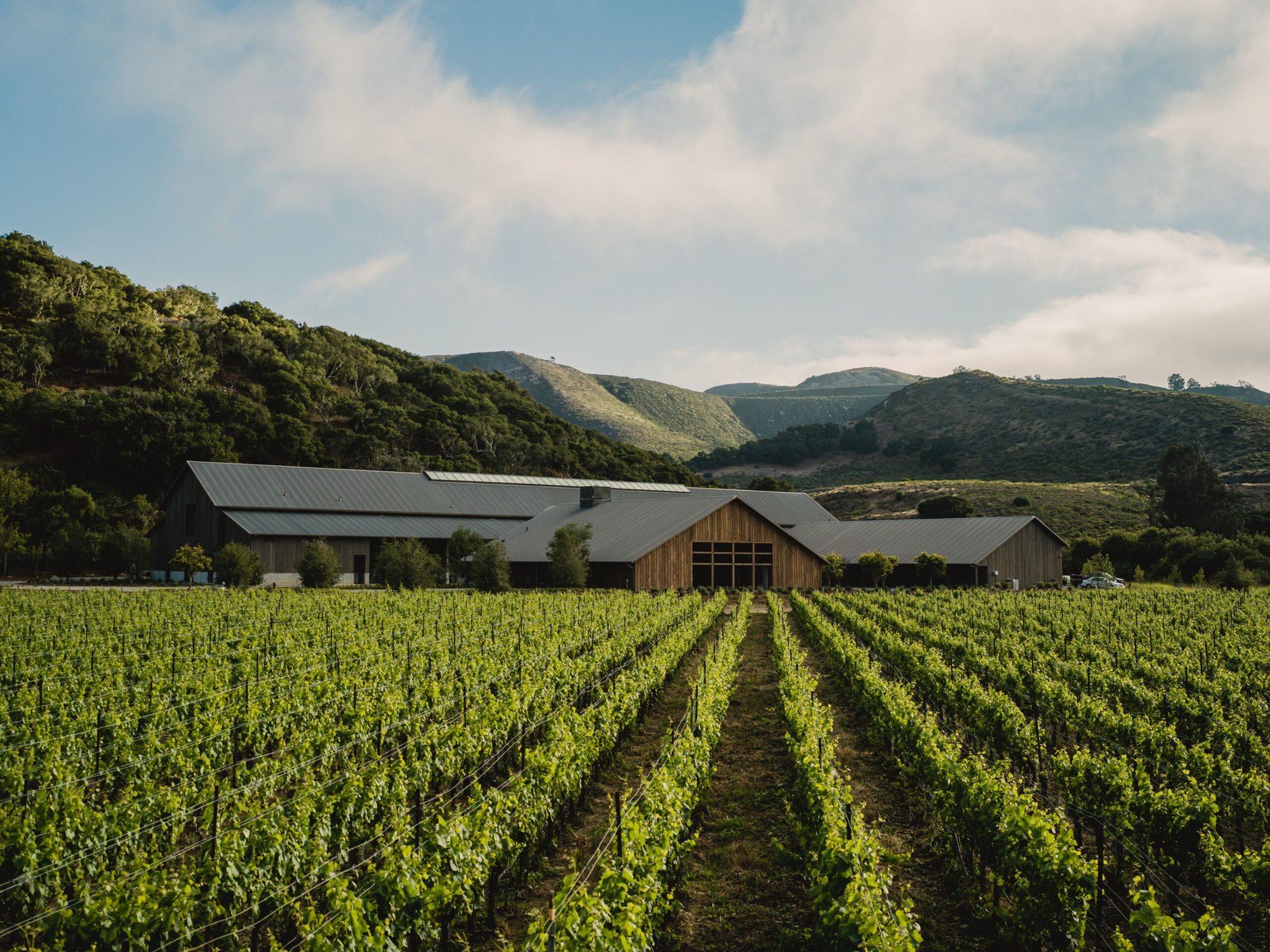
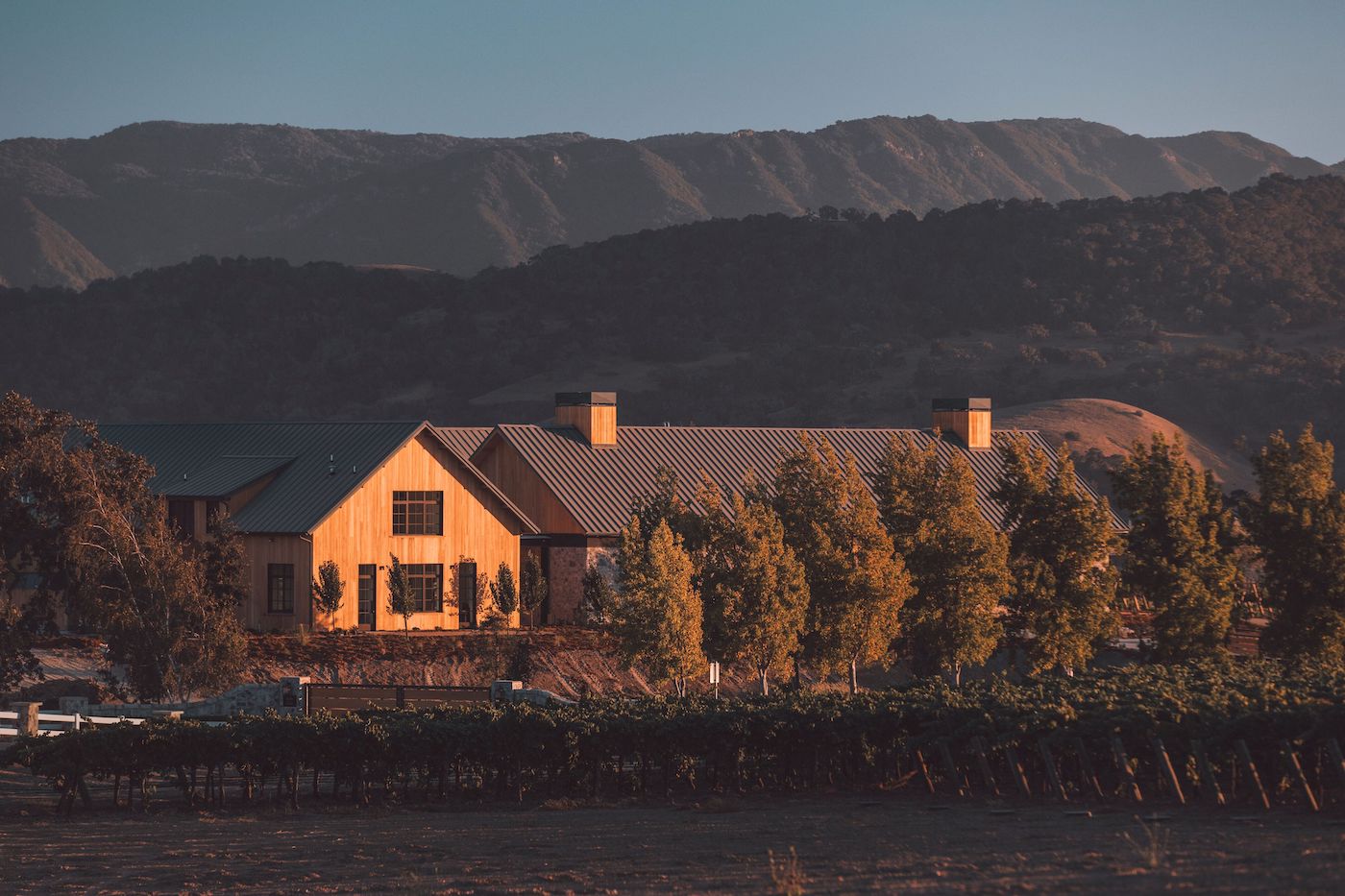
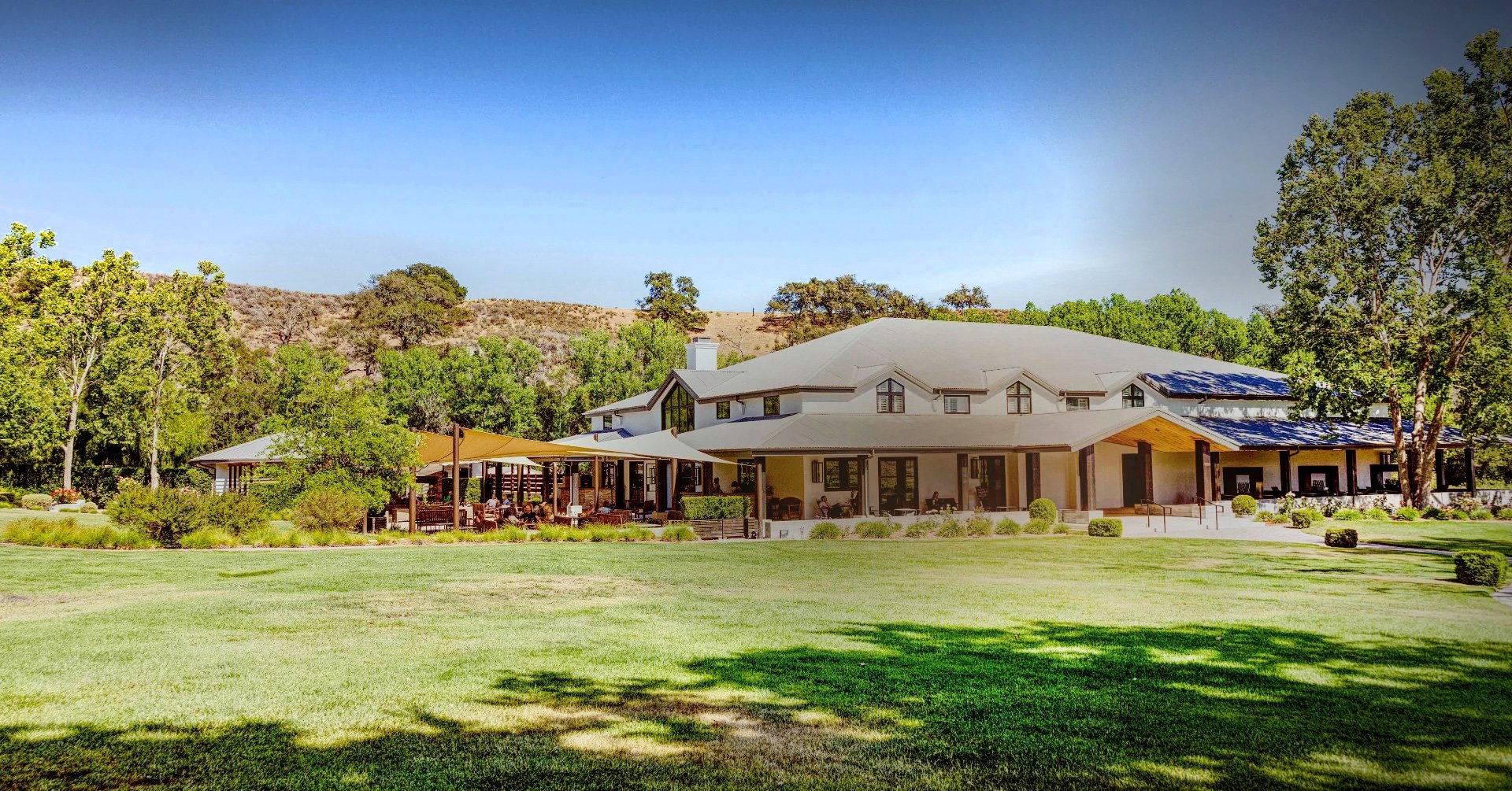
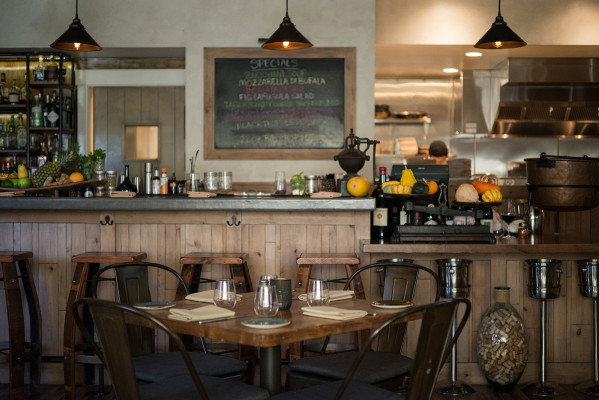
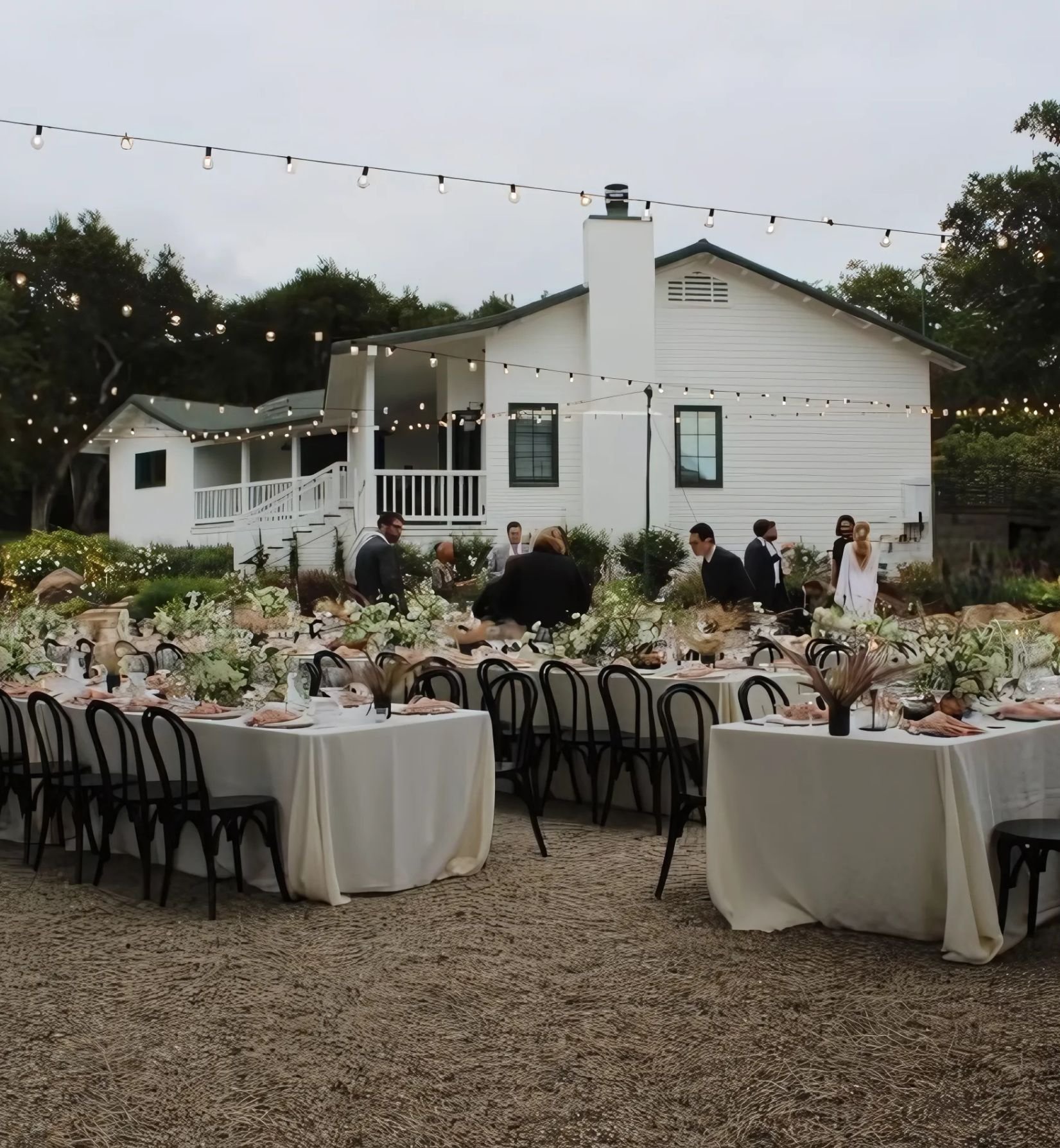
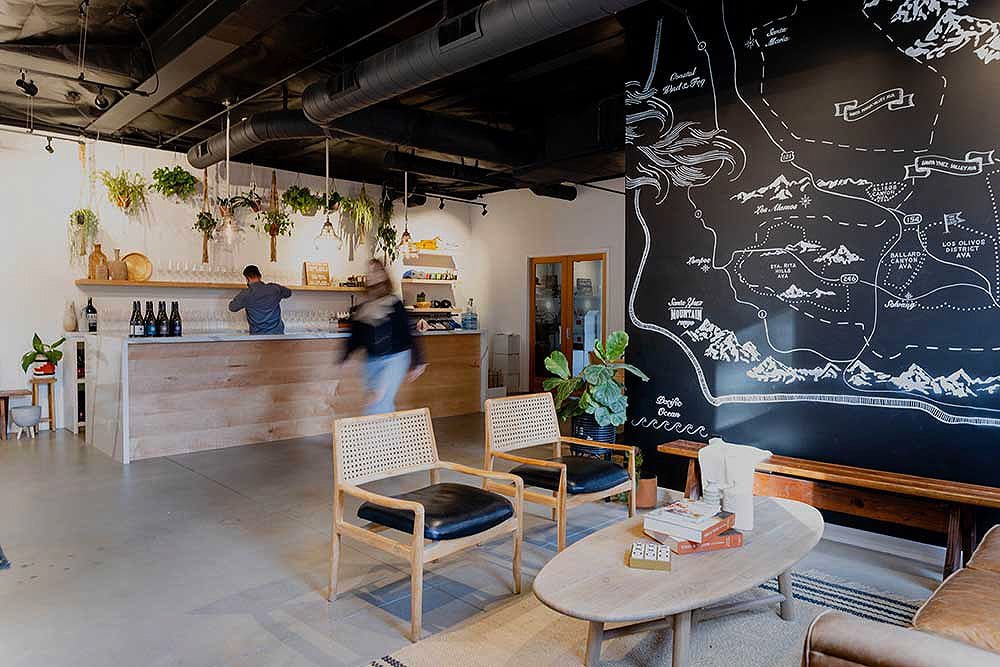
Airy tasting room with rustic reclaimed wood elements, cowhide rug, educational chalk map of Santa Barbara regions, and relaxed backyard lawn seating.
Tags
Vibe
Best For
Experience
Sourcing
View
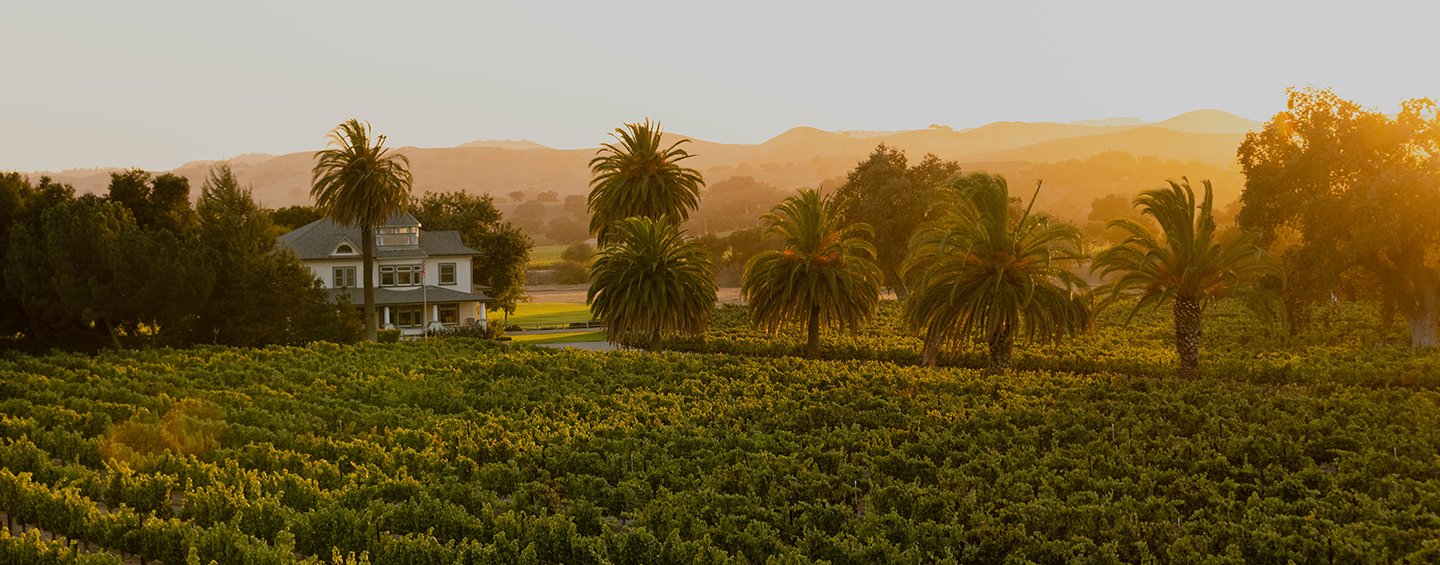
At the Vineyard
- Appellation
- Sta. Rita Hills AVA
- Varietals
- Pinot Noir, Syrah, Sauvignon Blanc, Grenache, Grüner Veltliner
- Visits
- Walk-ins welcome
- Farming
- Biodynamic
- Wine Styles
- Still Red, Still White
- Wine Club
- Not available
Know before you go
Know Before You Go
- Getting there
- 2928 San Marcos Ave, Los Olivos, CA 93441
Planning details
Location
Also consider
Also Consider
- Blair Fox Cellars, Notable alternative
- Storm Wines, Notable alternative
- Dragonette Cellars, Notable alternative
- Tercero Wines, Notable alternative
- Liquid Farm Tasting Room, Notable alternative
Winery context
How It Compares
Story of Soil is the tighter, higher-commitment choice in this Santa Ynez set: book it when the day is built around a focused tasting rather than casual flexibility. Blair Fox Cellars and Tercero Wines are the easier cross-shops for a Los Olivos-centered route, especially if the group wants to keep transit simple and compare producers without turning the afternoon into a drive-heavy schedule.
Storm Wines, Dragonette Cellars, and Liquid Farm Tasting Room make more sense when the itinerary can stretch beyond the immediate Santa Ynez core. Choose Storm Wines or Dragonette Cellars if producer comparison is the point of the day; choose Liquid Farm Tasting Room if the group wants a tasting-room stop that can sit alongside a broader regional plan.
For value, the safer approach is to compare current tasting fees and availability before deciding, since published pricing is not consistent across this set. For ambiance, Story of Soil is the pick for a compact, serious-feeling stop; Blair Fox Cellars or Tercero Wines are better backup choices when the priority is easier scheduling in the same general area.
Explore Santa Ynez
Around this place
Discover more on Pearl
Unlock the full Story of Soil guide in Pearl, including awards, comparisons, FAQs, planning details, and nearby places.
Compare Story of Soil
| Venue | Location | Awards |
|---|---|---|
| Story of Soil | Santa Ynez | No published awards |
| Blair Fox Cellars | Santa Ynez | No published awards |
| Storm Wines | Los Olivos | 2025 Pearl 2 Star Prestige |
| Dragonette Cellars | Los Olivos | 2025 Pearl 3 Star Prestige |
| Tercero Wines | Santa Ynez | No published awards |
| Liquid Farm Tasting Room | Los Olivos | 2026 Falstaff Winery Guide2025 Pearl 3 Star Prestige |


How Story of Soil Santa Ynez compares with similar nearby venues.
FAQ
Frequently Asked Questions
Do I need a reservation at Story of Soil?
Story of Soil is in Santa Ynez and has Pearl 2 Star Prestige recognition for 2025. Confirm current availability and booking details with the venue before visiting.
What services are available at Story of Soil?
Story of Soil is in Santa Ynez, has a casual dress code, and carries Pearl 2 Star Prestige recognition for 2025. Confirm current services directly with Story of Soil before making plans.
Is Story of Soil casual?
Yes. The dress code for Story of Soil is casual. Other planning details should be checked directly with the venue before visiting.
How long should I plan for a visit to Story of Soil?
Confirm the current format, timing, and any booking expectations with Story of Soil before setting your itinerary.