
Winery in Santa Maria, United States
Rancho Sisquoc Winery
750ptsRemote Canyon Estate Viticulture
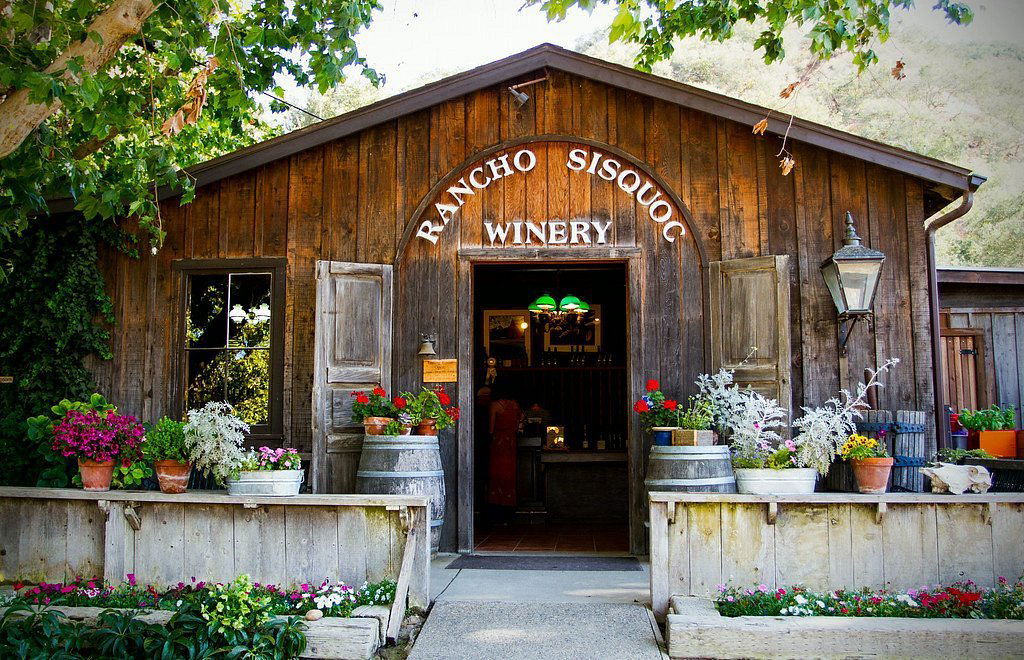
About Rancho Sisquoc Winery
Rancho Sisquoc Winery sits along Foxen Canyon Road in the Santa Maria Valley, where a working cattle ranch frames one of the region's more quietly serious wine estates. A 2025 Pearl 3 Star Prestige award from EP Club places it in the upper tier of Santa Maria producers, alongside neighbours such as Foxen Vineyard and Bien Nacido Estate. The property rewards visitors who arrive with patience and a willingness to engage with what the valley floor does to wine over time.
Foxen Canyon and the Logic of Isolation
There is a particular quality to the far reaches of Foxen Canyon Road that separates it from the busier tasting corridors of the Santa Ynez Valley or the main arteries of Paso Robles. The drive out to Rancho Sisquoc Winery is itself editorial context: open ranch land, a road that thins before it widens again, and a working cattle operation that predates the vineyards on the property by decades. The combination signals something important about how this estate approaches wine. Agriculture here is not set-dressing for a hospitality concept; it is the primary activity, with viticulture running alongside it as one function of a larger land use. That context shapes everything from vine density to the way the tasting room operates.
Santa Maria Valley sits at the northern end of Santa Barbara County's wine country, separated from the warmer Sta. Rita Hills and Happy Canyon appellations by geography and, more importantly, by climate. The valley opens to the Pacific from the west, drawing cold marine air across the vineyards most afternoons. That pattern extends the growing season significantly, keeping sugars in check while acid retention stays high. The structural result is wines that carry lower alcohol than their Central Coast neighbours and age with more composure than the region sometimes gets credit for. Rancho Sisquoc, positioned well into the canyon and shielded partially from the most extreme marine influence, sits in a micro-climatic pocket that tends to read slightly warmer than the valley floor closer to town — a detail that matters at harvest decisions.
What Happens After the Grapes Come In
The editorial angle that makes Rancho Sisquoc worth understanding is less about what grows in the ground and more about what the cellar does once harvest ends. The Santa Maria Valley's cold-climate profile creates fruit that arrives at the winery with natural structure: firm tannins in the reds, pronounced acid in the whites. The question every estate in this appellation must answer is how much intervention sits between that raw material and the finished wine. At the far end of the spectrum, you find producers who use extended maceration, new oak programmes, and blending protocols designed to smooth the valley's inherent angularity. At the other end are estates that treat the structure as the point, using barrel selection and aging schedules to let the wine find its own resolution.
Foxen Canyon Road properties, including Foxen Vineyard and Winery, have historically operated closer to that second position, and Rancho Sisquoc fits within the same broad tradition. The ranch scale of the property — farming rather than boutique viticulture , also implies a pragmatism about cellar work: aging decisions tend to be driven by the wine's readiness rather than by release-date calendars. Estates of this type will sometimes hold back lots that aren't moving where they should be, a luxury more common on properties where hospitality revenue isn't the primary economic engine.
The EP Club 2025 Pearl 3 Star Prestige recognition places Rancho Sisquoc in the company of other California producers working at the serious end of their respective appellations. For reference, comparable award tiers in the California wine context tend to sit alongside estates like Accendo Cellars in St. Helena, Alpha Omega Winery in Rutherford, and Adelaida Vineyards in Paso Robles , properties where cellar discipline and site-specific commitment are the primary differentiators rather than production volume or hospitality infrastructure.
The Santa Maria Peer Set
Understanding Rancho Sisquoc requires placing it within the Santa Maria Valley's own competitive tier. The valley has a handful of estates that define its premium identity. Bien Nacido Estate occupies a category of its own, supplying fruit to producers across California and carrying a vineyard designation that appears on labels from producers as far as Sonoma. Presqu'ile Winery represents the newer investment-backed model, combining serious winemaking with a more polished hospitality format. Cambria Estate Winery operates at larger scale, with wider distribution and a more accessible price positioning. Costa de Oro Winery anchors the more production-focused end of the valley's output.
Rancho Sisquoc occupies a different position in this set. The ranch context, the Foxen Canyon address, and the scale of the operation place it outside the typical tasting-room-as-destination model that has come to define Santa Barbara County wine tourism over the past two decades. Visitors who arrive expecting the design-forward experience of a newer estate will need to recalibrate. What the property offers instead is access to a working agricultural environment and wines made with a longer time horizon in mind than the quarterly release cycles of DTC-focused producers.
When to Visit and How to Approach It
The Santa Maria Valley runs cold even in summer, and spring visits often mean temperatures that surprise visitors accustomed to the warmer wine regions to the south. The tasting room at 6600 Foxen Canyon Road is reached via a drive that rewards those who allow time rather than treat it as a stop on a packed itinerary. The canyon's seasonal character is most legible in autumn, when harvest activity makes the agricultural context of the estate tangible rather than theoretical. Winter visits tend to be quieter, with barrel-stage wines sometimes available for context during slower service periods.
Logistics on Foxen Canyon Road require some planning. The road is navigable but not suited to large vehicles, and the distances between properties mean that combining Rancho Sisquoc with visits to Foxen Vineyard and Winery or nearby producers along the same corridor makes practical sense as a half-day or full-day route rather than a quick detour. Accommodation options closest to the property sit back in Santa Maria proper or further south in Los Alamos and Los Olivos. For a fuller picture of the region's dining and hospitality infrastructure, the EP Club Santa Maria guide maps the key properties across the valley.
Producers working in adjacent California appellations offer useful comparison points for travellers building a broader wine itinerary. Alban Vineyards in Arroyo Grande to the north and Andrew Murray Vineyards in Los Olivos to the south both operate within the same Rhone-influenced tradition that runs through parts of Santa Barbara County, offering a comparison set for tasters interested in how climate and cellar philosophy interact across the region. Further afield, Adelsheim Vineyard in Newberg provides a Pacific Northwest counterpoint for those interested in cold-climate structure across different American wine regions.
For travellers moving beyond California wine entirely, the EP Club library covers estates from Alexander Valley Vineyards in Geyserville through to international producers including Aberlour in Aberlour and Achaia Clauss in Patras, contextualising how different traditions approach the same fundamental question of what the cellar owes to the vineyard.
Frequently Asked Questions
- What do visitors recommend trying at Rancho Sisquoc Winery?
- Santa Maria Valley's cold-climate profile makes it one of California's more compelling appellations for structured reds and high-acid whites. Given the valley's growing conditions and the estate's ranch-scale approach, the reds tend to carry the appellation's characteristic firm structure developed through cellar aging rather than fruit-forward extraction. Rancho Sisquoc holds a 2025 Pearl 3 Star Prestige from EP Club, which signals a producer working at the serious end of its regional peer set alongside neighbours such as Foxen Vineyard and Winery.
- What is the standout thing about Rancho Sisquoc Winery?
- The property's distinction within Santa Maria sits at the intersection of its agricultural context and its cellar philosophy. Located at 6600 Foxen Canyon Road, the estate operates as a working ranch first, which separates it from the hospitality-led model that defines much of Santa Barbara County wine tourism. The 2025 EP Club Pearl 3 Star Prestige award confirms its position in the upper tier of regional producers, where the emphasis is on wines built for time rather than immediate release.
- How far ahead should I plan for Rancho Sisquoc Winery?
- Foxen Canyon Road properties generally require more advance planning than the higher-traffic tasting corridors closer to Santa Barbara or Solvang, primarily because access is more logistically involved and the estates operate at smaller hospitality scale. Rancho Sisquoc's ranch character means that visit formats may differ from conventional appointment-based tasting rooms. Contacting the estate directly before your trip is advisable, particularly for autumn visits during harvest when agricultural activity can affect access and availability.
- How does Rancho Sisquoc's Pearl 3 Star Prestige recognition compare to other Santa Maria Valley producers?
- EP Club's 2025 Pearl 3 Star Prestige designation places Rancho Sisquoc in the upper recognition tier for the Santa Maria region, a valley where the premium identity is defined by cold-climate structure and long-cycle cellar work rather than high-volume output. Within the same appellation, Presqu'ile Winery and Bien Nacido Estate occupy comparable positions in the serious-producer tier. The award reflects a consistency of approach across vintages rather than a single standout release.
Related editorial
- Best Fine Dining Restaurants in ParisFrom three-Michelin-star icons to the next generation of Parisian chefs pushing boundaries, these are the restaurants that define fine dining in the world's culinary capital.
- Best Luxury Hotels in RomeFrom rooftop terraces overlooking ancient ruins to Michelin-starred hotel dining, these are the luxury hotels that make Rome unforgettable.
- Best Cocktail Bars in KyotoFrom sleek lounges to hidden speakeasies, Kyoto's cocktail scene blends Japanese precision with global influence in ways you won't find anywhere else.
Save or rate Rancho Sisquoc Winery on Pearl
Keep this venue in your Pearl passport, rate it after you visit, and track it alongside every other place you collect.