Palenque El Conejo
Santa Catarina Minas
Winery in Santa Catarina Minas, Mexico
 Book with Pearl
The Read
Olla de Barro Distillation
Why go
Go for Palenque El Conejo if the priority is a serious Santa Catarina Minas mezcal stop rather than a polished tasting-room visit. It suits explorers who care about production context and village setting, but groups needing food, easy logistics, or a predictable schedule should compare it with Don Amado, Real Minero, and Lalocura first.
About Palenque El Conejo
Palenque El Conejo is a venue in Santa Catarina Minas with a casual dress code and Pearl 2 Star Prestige recognition for 2025. Plan with care and confirm visit details directly before making it a centerpiece of a trip.
Use this page as a concise planning note rather than a full service profile. Specific details such as hours, pricing, food service, group capacity, visit format, and booking requirements may vary, so check the venue's official channels before you go.
Choose it for a Santa Catarina Minas stop, with details confirmed in advance
The clearest reasons to keep Palenque El Conejo on a shortlist are its Santa Catarina Minas location, casual dress code, and Pearl 2 Star Prestige recognition in 2025. For context, travelers may also compare it with Don Amado (Arellanes family), Real Minero, Lalocura, Los Amantes Distillery, and Mezcal Vago (Tío Rey), while confirming each venue's current access and visitor details separately.
Because details for service format, timing, food, pricing, or group handling may vary, avoid building an itinerary on assumptions. Treat Palenque El Conejo as a Santa Catarina Minas venue to verify in advance, especially if you are coordinating it with other local dining, hotels, bars, or experiences.
Planning details
- Location
- Santa catarina minas, 71534 Oaxaca de Juárez, Oax.
- Website
- instagram.com/palenque.elconejo
- Phone
- +52 951 104 8869
The take
The Take
The Vibe
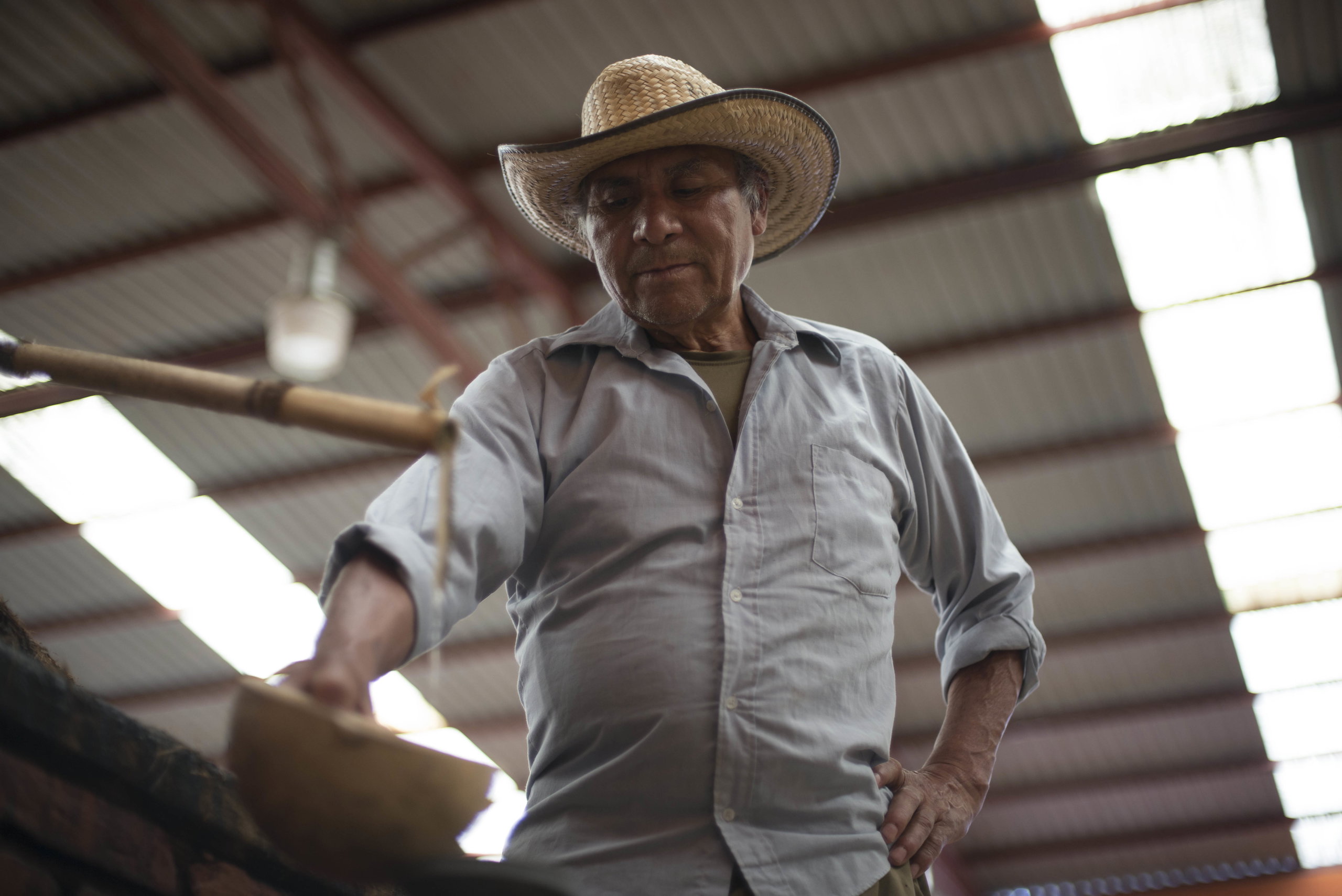
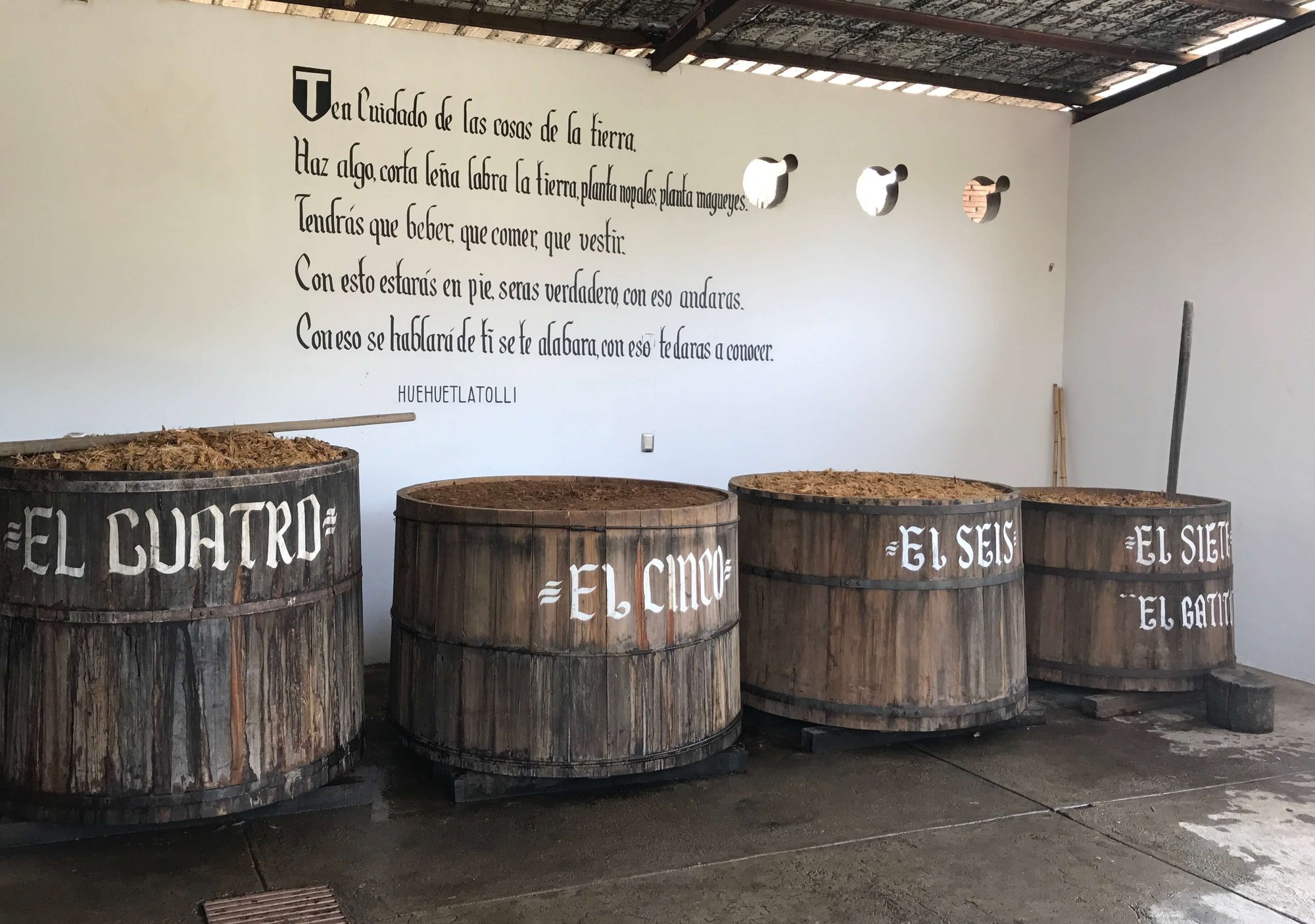
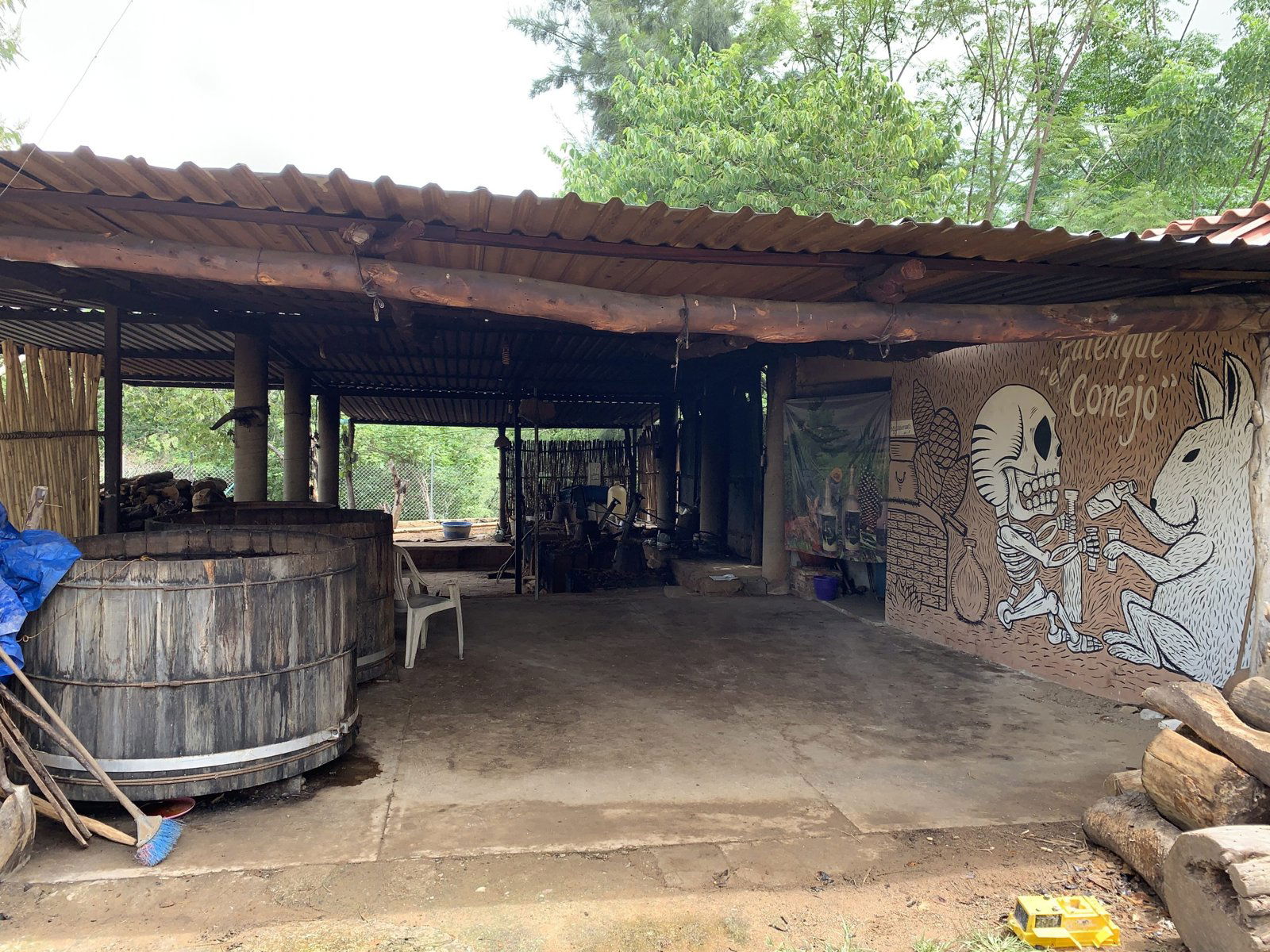
Palenque El Conejo reads as a place anchored in craft and community rather than tourism. The air carries woodsmoke and the mineral sharpness of fermented agave; the equipment — roasting pit, tahona stone, wooden fermentation vats, clay and copper stills — remains functional first, legible to anyone who knows the language of mezcal production. Visits feel unvarnished and immediate: you move through a working landscape where production rhythms set the tempo and decades of practice are visible in charred pit stones and seasoned vessels. The 2025 Pearl 2 Star Prestige nod underscores the palenque’s recognized quality without softening its raw, ancestral character.
Best For
This is a visit tailor-made for curious, production-focused travelers. It suits people who are interested in mezcal education, groups seeking an immersive outing, and solo explorers who want to read process from physical evidence rather than slick tasting-room presentation. The format rewards visitors who arrive with some knowledge — the differences between clay and copper stills, or between fermentation approaches, are meaningful here — though attentive beginners can also benefit from guided explanations. It is less suitable for travelers looking for a polished, hospitality-first tasting experience and better for those drawn to authentic, hands-on context.
Tasting Tips
Treat a visit to Palenque El Conejo more like arranging a field visit than ordering off a bar list. Schedule time to see the roasting pit, tahona stone and stills in action and ask the hosts to explain the distinctions between clay-pot and copper alembic runs — the site rewards questions. Look for the 2025 Pearl 2 Star Prestige mention as a shorthand for pedigree. Wear sturdy shoes, be prepared for open-air production areas and woodsmoke, and assume tours and tastings are framed around the production cycle rather than a formal tasting-room menu.
Venue details
Tags
Vibe
Best For
Experience
At the Vineyard
- Varietals
- espadín, cuishe
- Wine Club
- Not available
Know before you go
Know Before You Go
- Getting there
- Santa catarina minas, 71534 Oaxaca de Juárez, Oax.
Planning details
Location
Santa catarina minas, 71534 Oaxaca de Juárez, Oax. · Directions
Also consider
If this is not the right fit
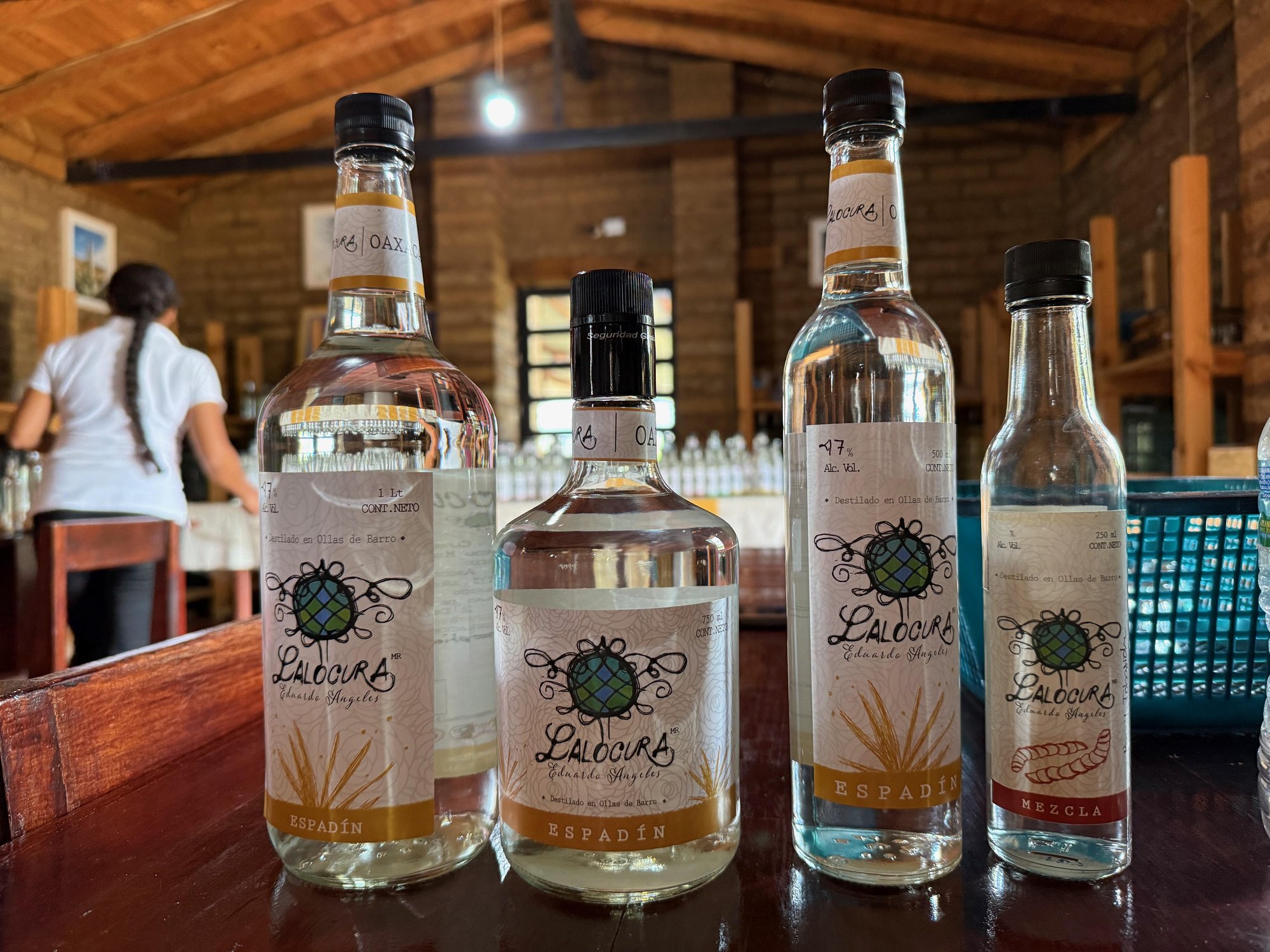
If the group wants to stay in Santa Catarina Minas, start with Real Minero or Lalocura as the first alternatives. If the priority is a producer with another long local thread, add Don Amado (Arellanes family) to the shortlist.
Winery context
How It Compares
In Santa Catarina Minas, Palenque El Conejo is for travelers who want a producer-focused stop and are comfortable with less visitor-facing structure. Don Amado (Arellanes family), Real Minero, and Lalocura are the closer local comparisons; choose among them based on access, group size, and how much structure the group needs around the tasting.
For value, the safer play is whichever local producer can confirm the clearest visit plan before travel. For ambiance, Palenque El Conejo is strongest when the rural setting and working-palenque context are the point. For an easier, more packaged day, Los Amantes Distillery is likely to feel less demanding than a village producer stop, while Mezcal Vago (Tío Rey) belongs on the list for readers willing to look beyond the immediate Santa Catarina Minas circuit.
Explore Santa Catarina Minas
Around this place
Discover more on Pearl
Unlock the full Palenque El Conejo guide in Pearl, including awards, comparisons, FAQs, planning details, and nearby places.
Compare Palenque El Conejo
How to cross-shop the Santa Catarina Minas palenques
Choose Palenque El Conejo for a deeper, less polished mezcal-focused visit. Choose Don Amado (Arellanes family), Real Minero, or Lalocura if those producers can offer clearer timing or a better fit for the group's schedule.
Outside the village, Banhez (UPADEC cooperative) in San Miguel Ejutla, Casa Cortés – La Soledad Palenque in La Compañía (Ejutla), and Casa Armando Guillermo Prieto (AGP) in Tlacolula de Matamoros make sense for broader Oaxaca spirits planning. For a different Mexican spirits frame, compare with Casa Herradura (Hacienda San José del Refugio) in Amatitán. Wine-focused readers can look farther afield at Bodegas Magoni in Ensenada, 00 Wines in Carlton, or 1310 Spirit of the Country Distillery in Sierning.
FAQ
Frequently Asked Questions
Where is Palenque El Conejo?
What is the dress code at Palenque El Conejo?
The dress code for Palenque El Conejo is casual.
What recognition does Palenque El Conejo have?
Palenque El Conejo has Pearl 2 Star Prestige recognition for 2025.
Can Palenque El Conejo handle large groups?
Group capacity details for Palenque El Conejo are not listed here. If group size matters, confirm directly before planning a visit. Real Minero and other comparison venues can also be checked separately for current visitor details.
How long should I plan for a visit to Palenque El Conejo?
Visit length, hours, and format for Palenque El Conejo are not listed here. Confirm timing directly before planning around it, especially if pairing it with other Santa Catarina Minas stops or with venues such as Mezcal Vago (Tío Rey).