Lalocura
Santa Catarina Minas
Winery in Santa Catarina Minas, Mexico
 Book with Pearl
The Read
Village-Rooted Agave Distillation
Why go
Lalocura is worth prioritizing if the trip is built around serious mezcal rather than casual tasting-room convenience. Access is the challenge, so couples and small groups will have a better fit than large parties. Cross-shop Real Minero, Don Amado (Arellanes family), and Palenque El Conejo if the day needs easier structure in Santa Catarina Minas.
About Lalocura
Lalocura is a venue in Santa Catarina Minas with a casual dress code and Pearl 2 Star Prestige (2025) recognition. Plan around those basics rather than assumptions about format, menu, drinks, hours, pricing, or booking requirements.
The best fit is a traveler who is already prioritizing Santa Catarina Minas and wants to include Lalocura as a named stop in the itinerary. If you are comparing options, Real Minero, Don Amado (Arellanes family), Palenque El Conejo, Mezcal Vago (Tío Rey), Los Amantes Distillery, and other dining in Santa Catarina Minas can be considered separately based on their own current information.
Plan this as the anchor, not the extra stop
For a special occasion, keep expectations grounded: Lalocura is recognized with Pearl 2 Star Prestige (2025), and the dress code is casual. Do not assume a particular seating style, tasting format, food service, or group capacity unless the venue provides it.
Compare current details
For travelers comparing Lalocura with other names, Real Minero, Don Amado (Arellanes family), Palenque El Conejo, Mezcal Vago (Tío Rey), and Los Amantes Distillery are relevant references. Compare them on current details rather than on assumed similarities.
Avoid planning around specifics such as cuisine, drinks, visitor infrastructure, visit length, or reservation policies without checking directly before visiting Santa Catarina Minas.
Verdict: keep Lalocura on the shortlist if you are planning a Santa Catarina Minas itinerary and value its Pearl 2 Star Prestige (2025) recognition. For everything else, hours, format, food, capacity, and logistics, check with the venue before committing the day.
Planning details
- Location
- Nicolás del Puerto 1, 71534 Santa Catarina Minas, Oax.
- Website
- mezcallalocura.com
- Phone
- +52 951 124 5363
The take
The Take
The Vibe
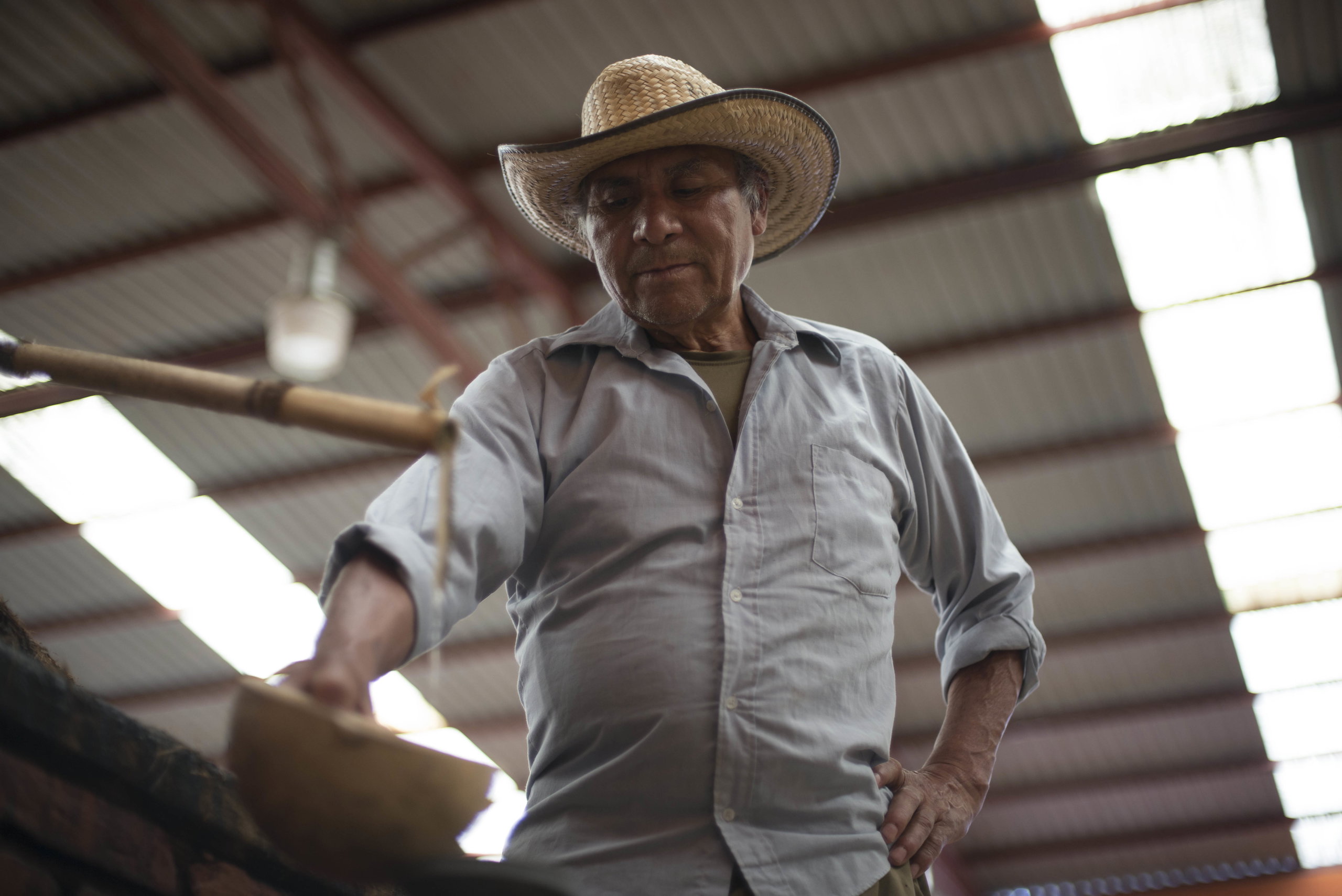
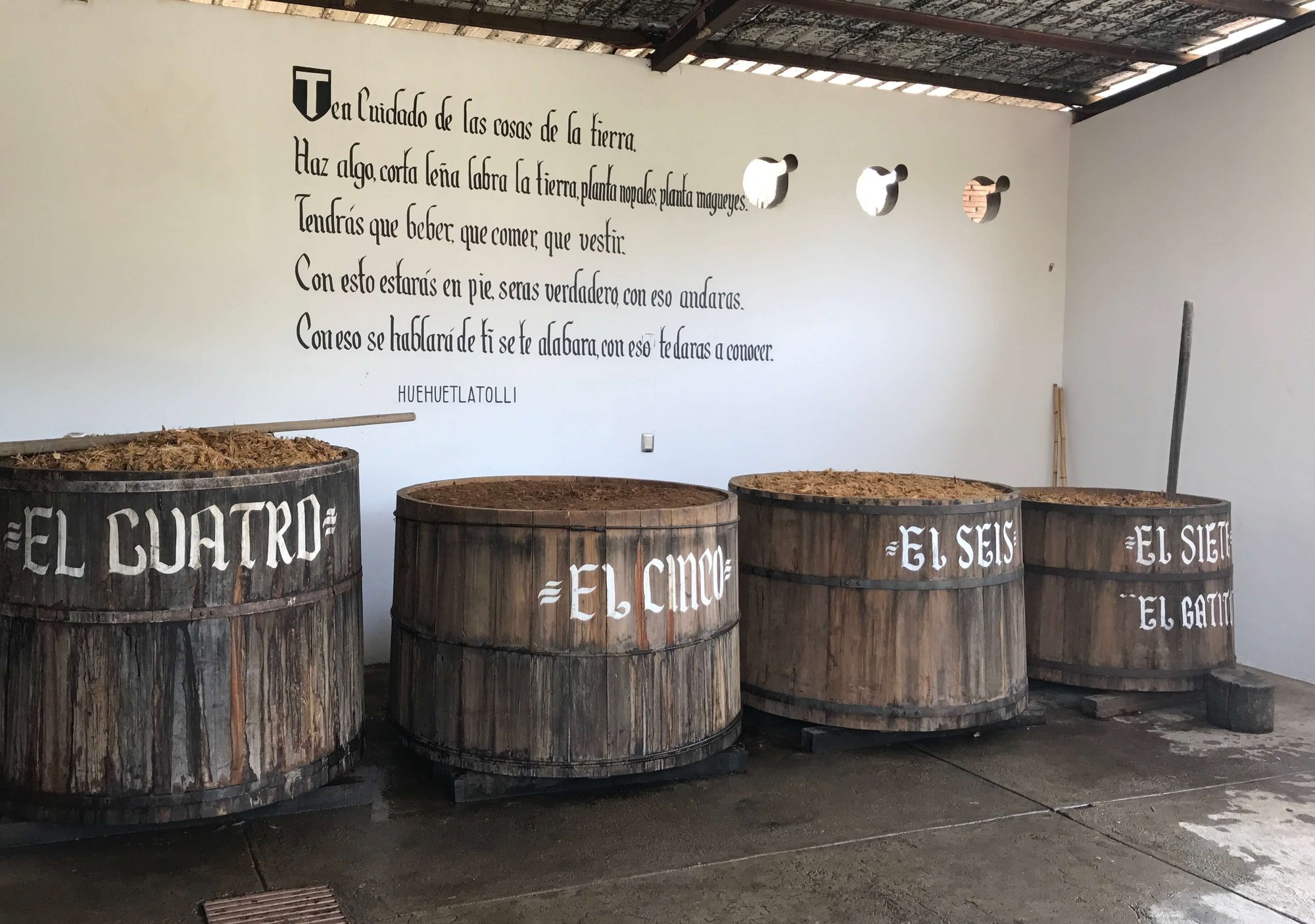
Lalocura sits quietly in the concentrated village of Santa Catarina Minas, where an ancestral clay‑pot distillation method still shapes every bottle. The tone is rooted and reverent: this is production that looks backwards to enduring techniques rather than forward to trend. Lalocura’s recent Pearl 2 Star Prestige designation places it among the upper tier of a very small, specialized zone, so the place feels both modest and quietly consequential. Visitors encounter a producer embedded in village rhythms, where the materiality of clay, heat and slow craft gives the spirit — and the setting — a palpable historical weight.
Best For
This is a site for focused exploration rather than casual tasting. Lalocura suits serious mezcal enthusiasts, collectors and anyone seeking hands‑on wine‑education style encounters with ancestral distillation. Its placement inside the village and emphasis on clay‑pot production make it especially valuable for solo visitors or small groups who want to study technique, provenance and the differences between Minas producers. People looking for high‑volume nightlife or tourist spectacle should expect something quieter and more instructive instead.
Tasting Tips
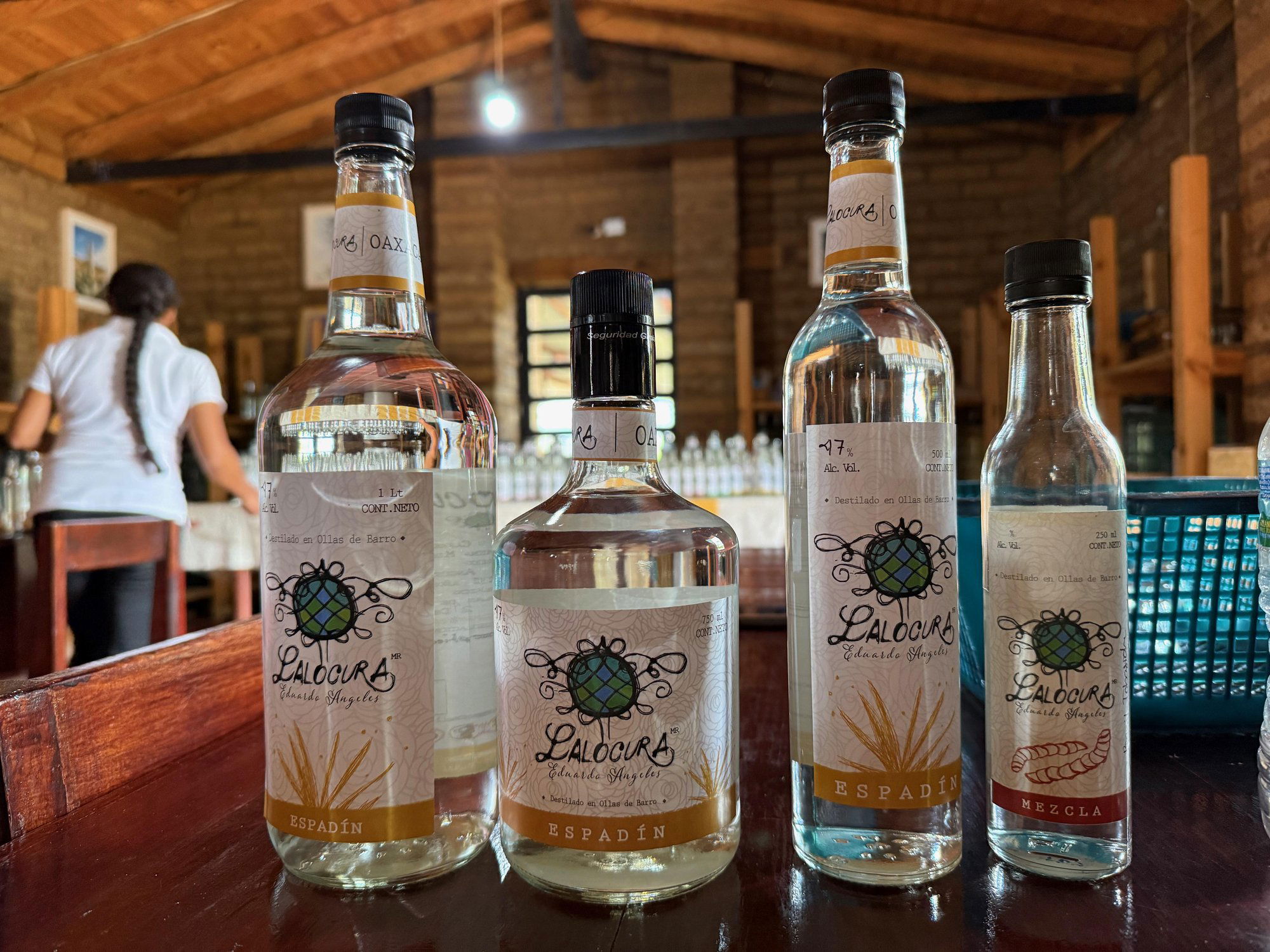
When engaging with Lalocura, prioritize expressions that highlight the olla de barro (clay‑pot) distillation—these bottles best communicate the house style. Note the producer’s Pearl 2 Star Prestige designation (2025) and ask which releases reflect that tier. Use comparisons to nearby Minas producers cited in the description (Real Minero, Don Amado) as reference points if you’re tasting multiple bottlings. Remember the address is inside the village (Nicolás del Puerto 1), so plan visits with the expectation of a modest, locally embedded operation rather than a tourist‑focused venue.
Venue details
Ambiance
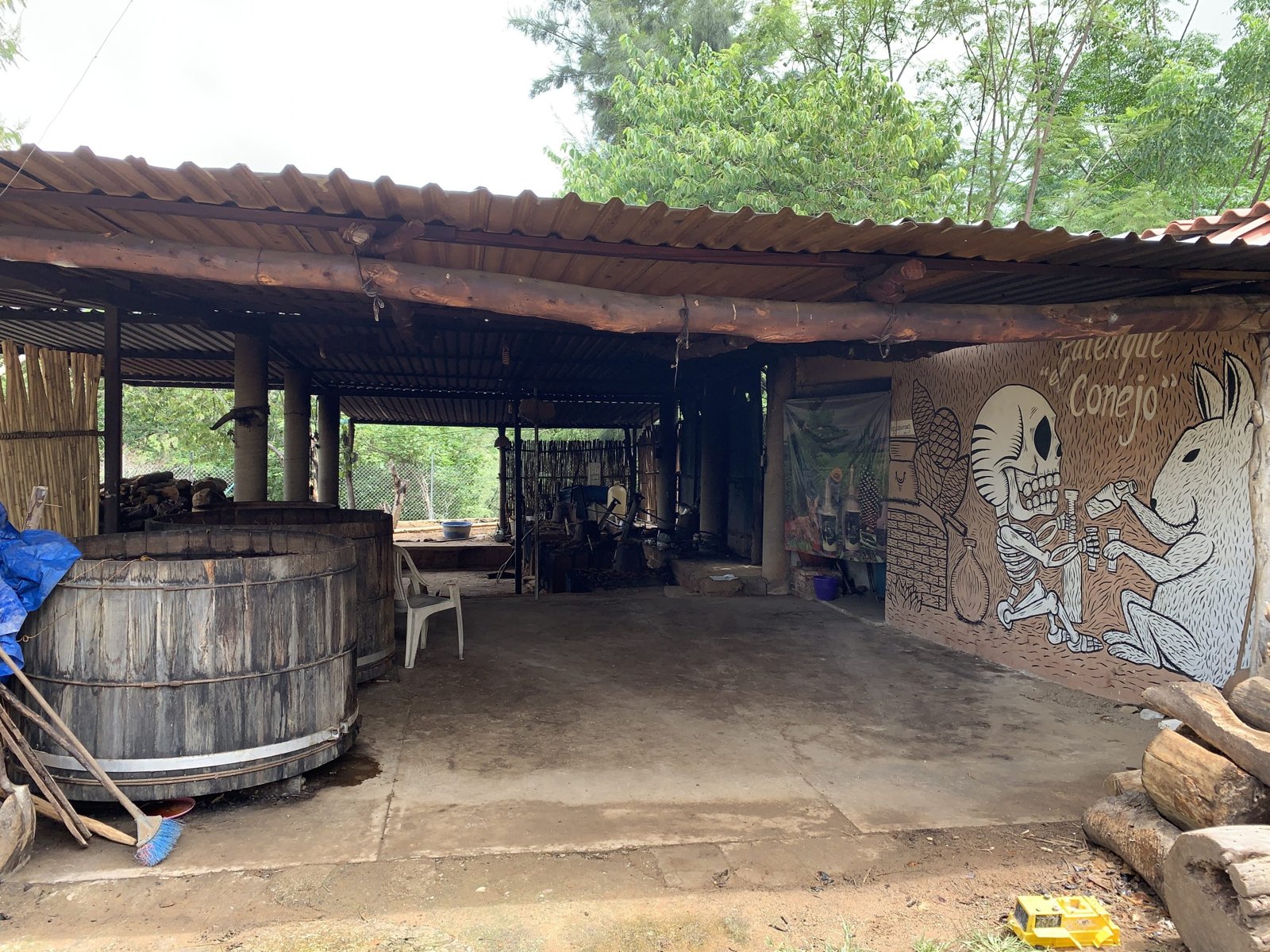
Rustic and educational atmosphere on family homestead with adobe structures amid agave fields and farm animals.
Tags
Vibe
Best For
Experience
Sourcing
View
At the Vineyard
- Appellation
- Santa Catarina Minas, Oaxaca
- Varietals
- Tobasiche, San Martinero, Tobalá, Espadín
- Tour Duration
- 60-90 minutes
- Wine Club
- Not available
Know before you go
Know Before You Go
- Getting there
- Nicolás del Puerto 1, 71534 Santa Catarina Minas, Oax.
Planning details
Location
Nicolás del Puerto 1, 71534 Santa Catarina Minas, Oax. · Directions
Also consider
If you cannot secure Lalocura
Try Real Minero first if you still want a serious Santa Catarina Minas name with strong pull. For a more flexible local day, add Don Amado (Arellanes family) or Palenque El Conejo instead of forcing the itinerary around one difficult slot.
Winery context
How it compares in Santa Catarina Minas
Real Minero is the more obvious first comparison for travelers who want a heavyweight Santa Catarina Minas stop with clearer name recognition. Lalocura is the better target when scarcity and collector interest matter more than ease; Real Minero is the safer anchor when the day needs a more predictable structure.
Don Amado (Arellanes family) and Palenque El Conejo make more sense for travelers trying to build a fuller route inside town. They are stronger backup choices if the priority is getting several palenque perspectives in one day rather than spending energy chasing the hardest booking.
Mezcal Vago (Tío Rey) and Los Amantes Distillery sit better as broader Oaxaca spirits comparisons than direct neighborhood swaps. Choose Lalocura for the quieter, more access-driven Santa Catarina Minas experience; choose the others when the itinerary needs a more conventional visitor setup or wider regional range.
Explore Santa Catarina Minas
Around this place
Discover more on Pearl
Unlock the full Lalocura guide in Pearl, including awards, comparisons, FAQs, planning details, and nearby places.
Compare Lalocura
| Venue | Location | Awards |
|---|---|---|
| Lalocura | Santa Catarina Minas | No published awards |
| Real Minero | Santa Catarina Minas | No published awards |
| Don Amado (Arellanes family) | Santa Catarina Minas | No published awards |
| Palenque El Conejo | Santa Catarina Minas | No published awards |
| Mezcal Vago (Tío Rey) | Sola de Vega | No published awards |
| Los Amantes Distillery | Tlacolula de Matamoros | No published awards |
How Lalocura Santa Catarina Minas compares with similar nearby venues.
FAQ
Frequently Asked Questions
What is Lalocura known for?
Lalocura is in Santa Catarina Minas, has a casual dress code, and holds Pearl 2 Star Prestige (2025) recognition.
When is the best time to visit Lalocura?
How long should I plan for a visit to Lalocura?
Leave flexibility in your Santa Catarina Minas itinerary and check timing before you go.
Are reservations or memberships required at Lalocura?
Does Lalocura serve food?
If food is important to your plan, ask Lalocura directly before visiting Santa Catarina Minas.
What other venues can I compare with Lalocura?
For comparison, travelers may also look at Real Minero, Don Amado (Arellanes family), Palenque El Conejo, Mezcal Vago (Tío Rey), Los Amantes Distillery, and other dining in Santa Catarina Minas, using each venue's current information.