

Winery in Sant Sadurní d'Anoia, Spain
Gramona
965Pearl PointsEstate-first

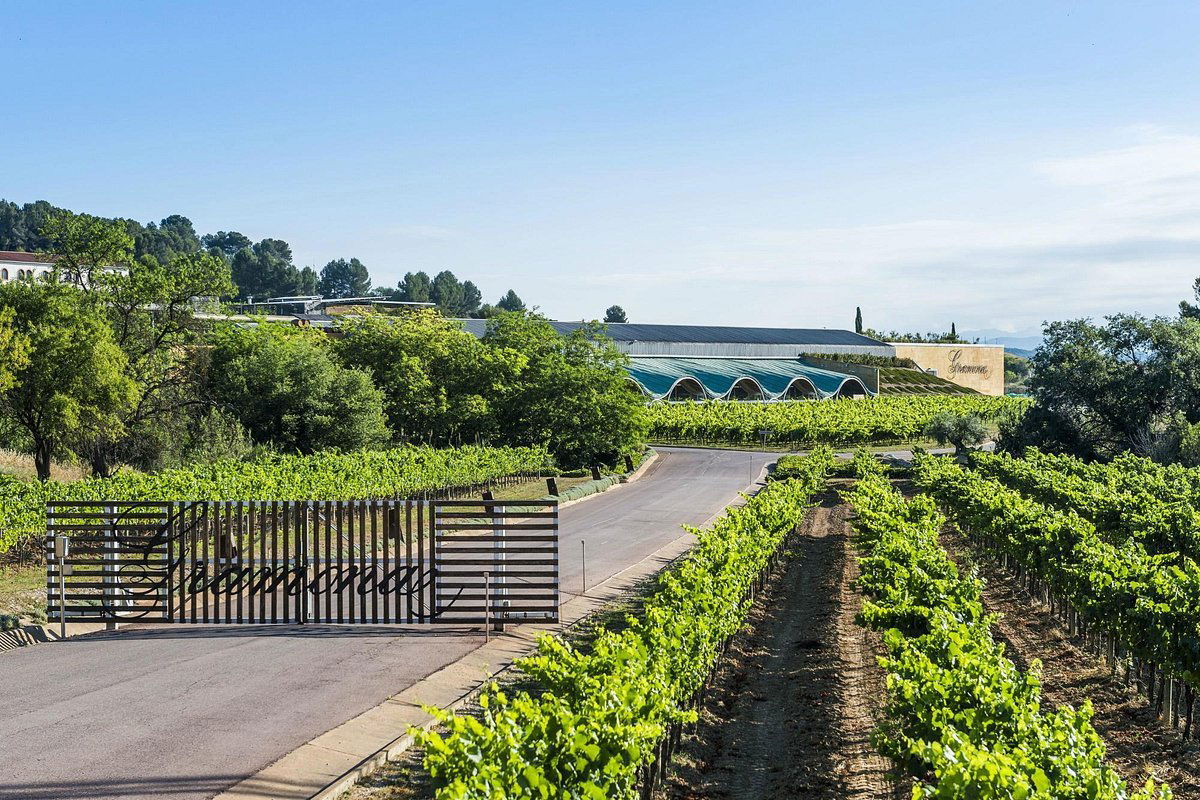
About Gramona
Gramona is the Sant Sadurní d'Anoia pick for a serious sparkling-wine visit with occasion value. Choose it over larger-name stops if depth, estate setting, recent global vineyard recognition matter more than easy, casual touring.
Is Gramona worth considering in Sant Sadurní d'Anoia? Yes, if you are looking for a recognized premium venue in the town and want the visit to rest on confirmed credentials rather than unverified details. The verified signals are clear: Gramona holds Pearl 2 Star Prestige (2025) and is listed at #25 on World's 50 Best Vineyards (2025).
Those recognitions make Gramona a sensible anchor for a planned Sant Sadurní d'Anoia itinerary. Because exact visit format, capacity, pricing, hours, service specifics are not verified here, confirm practical details directly before building the day around it.
A serious Sant Sadurní d'Anoia stop where recognition is part of the value
Gramona's value on this guide rests on confirmed recognition rather than unverified claims about a particular format, menu, tasting structure, or setting. For a special outing or planned itinerary, the appeal is that it is a clearly recognized name in Sant Sadurní d'Anoia with both Pearl 2 Star Prestige (2025) and World's 50 Best Vineyards #25 (2025).
The main planning advice is to keep the itinerary simple and verify details in advance. Build the rest of the day around confirmed facts, using broader Sant Sadurní d'Anoia planning resources for other stops or dining nearby.
Who should choose it over other recognized names
Choose Gramona if confirmed recognition is central to the decision. Freixenet, Codorníu, Recaredo, Raventós i Blanc, Juvé & Camps are useful comparison points when weighing other serious regional options.
For a planned outing, Gramona is best treated as a confirmed stop rather than an improvised add-on. The verified dress code is smart casual, so guests should dress accordingly. If the day needs hotels, bars, or other add-ons, use general Sant Sadurní d'Anoia planning resources and confirm current details directly.
For broader planning, compare Gramona with other Sant Sadurní d'Anoia options generically, or with names such as Codorníu, Freixenet, Juvé & Camps, Raventós i Blanc, Recaredo where relevant. Keep the comparison focused on the kind of visit you want and confirm current details directly before committing.
Frequently Asked Questions
What is Gramona recognized for here?
The verified record here lists Pearl 2 Star Prestige (2025) and World's 50 Best Vineyards #25 (2025). It does not verify a specific product, menu, visit format, or service detail.
Can Gramona handle large groups?
Group capacity is not verified here. If you are planning for a larger party, confirm arrangements directly with Gramona before finalizing the itinerary.
Do I need a reservation at Gramona?
Reservation requirements are not verified here. Because Gramona is a recognized Sant Sadurní d'Anoia venue, it is sensible to confirm availability and visit details directly before you go.
What is the dress code at Gramona?
The verified dress code is smart casual. Other practical details are not verified here, so check directly with Gramona before visiting.
When is the best time to visit Gramona?
Specific hours and best visiting times are not verified here. Plan around confirmed availability from Gramona, avoid building a tight itinerary until the timing is clear.
Where is Gramona?
Gramona is in Sant Sadurní d'Anoia. No more specific location detail is verified here.
How long should I plan for a visit to Gramona?
Visit length is not verified here. Leave enough cushion in your Sant Sadurní d'Anoia itinerary to account for confirmed timing from Gramona, especially if you are also comparing names such as Juvé & Camps or Codorníu.
Location
Carrer de la Indústria, 36, 08770 Sant Sadurní d'Anoia, Barcelona
Sant Sadurní d'Anoia, Spain
Compare Gramona
| Venue | Location | Awards |
|---|---|---|
| Gramona | Sant Sadurní d'Anoia | Pearl 2 Star Prestige (2025); World's 50 Best Vineyards #25 (2025) |
| Recaredo | Sant Sadurní d'Anoia | , |
| Juvé & Camps | Sant Sadurní d'Anoia | , |
| Freixenet | Sant Sadurní d'Anoia | , |
| Raventós i Blanc | Sant Sadurní d'Anoia | , |
| Codorníu | Sant Sadurní d'Anoia | , |
How Gramona Sant Sadurní d'Anoia compares with similar nearby venues.
Where to look if Gramona is not available
Try Recaredo or Raventós i Blanc first if the group still wants a focused sparkling-wine visit in Sant Sadurní d'Anoia. Choose Juvé & Camps if the priority is a recognizable estate stop that should suit a broader group.
How It Compares
Gramona is the stronger choice for a serious, celebration-level winery visit in Sant Sadurní d'Anoia. Compared with Freixenet and Codorníu, it reads less like a broad introductory stop and more like an estate visit for guests who already care about sparkling wine. If the group includes first-time visitors who want scale and name recognition, those larger houses may be easier crowd-pleasers.
Against Recaredo and Raventós i Blanc, Gramona sits in the serious-wine lane, so the decision comes down to availability and the feel of the day. Put Gramona first for a polished special-occasion anchor; cross-shop the others when the priority is a tighter producer-focused itinerary.
Juvé & Camps is the practical alternative when guests want a recognizable local name and a composed estate experience. For value, compare confirmed tasting formats before committing, because listed pricing is not available here and the real difference will come from what each visit includes.
Recognized By

Explore Sant Sadurní d'Anoia
Save or rate Gramona on Pearl
Keep this venue in your Pearl passport, rate it after you visit, and track it alongside every other place you collect.