

Winery in Sant Sadurní d'Anoia, Spain
Codorníu
750Pearl PointsCava stop, planned
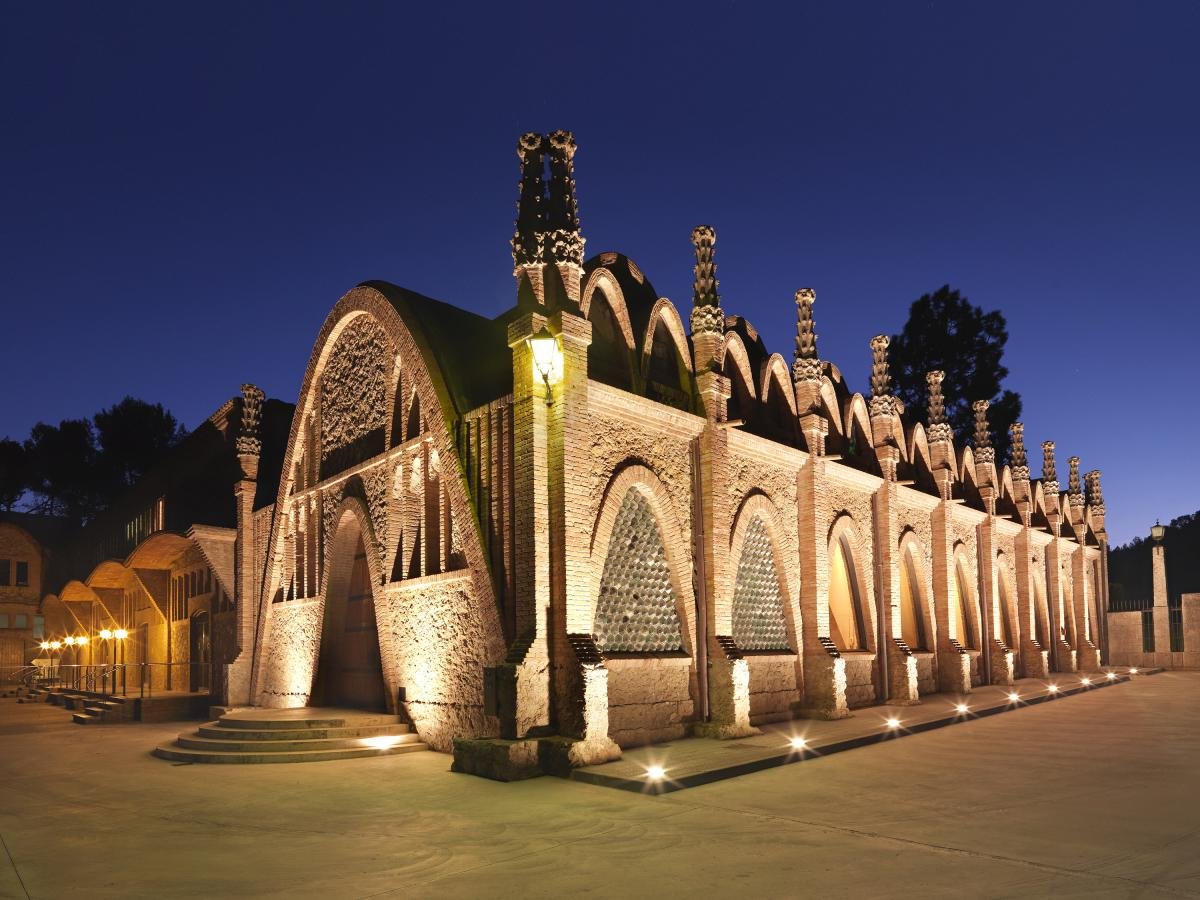
About Codorníu
Codorníu is the right Sant Sadurní d'Anoia choice for a first cava-country visit where architecture, scale and regional context matter as much as the tasting. Serious collectors should also compare Raventós i Blanc, Recaredo and Gramona, but this is the safer anchor for a polished introduction to the area.
Codorníu is a venue in Sant Sadurní d'Anoia with a smart casual dress code and Pearl 3 Star Prestige recognition for 2025. Beyond those verified points, specific details about visit formats, services, booking terms, group arrangements, pricing and schedules should be checked directly with the venue before planning around them.
For travellers comparing options, Codorníu can be considered alongside Freixenet, Gramona, Juvé & Camps, Raventós i Blanc and Recaredo. The best choice will depend on the current availability and format each venue publishes at the time of booking.
Choose it for a verified Sant Sadurní d'Anoia stop
The grounded reason to keep Codorníu on a shortlist is simple: it is a Pearl 3 Star Prestige venue in Sant Sadurní d'Anoia, the stated dress code is smart casual. That makes it a clear candidate for visitors who want a polished stop, provided the current booking and visit details match their plans.
If you are comparing other names, look at Codorníu together with Freixenet, Gramona, Juvé & Camps, Raventós i Blanc and Recaredo. Do not assume identical formats, schedules, services or purchase options across them; confirm the practical details directly before committing.
Plan with confirmed details, not assumptions
Because verified public details here are limited, avoid building an itinerary around unconfirmed assumptions about service format, group capacity, pricing or availability. Check Codorníu's official channels for the current visit options and requirements, then compare those details with the other venues you are considering.
Any additional Sant Sadurní d'Anoia plans should be arranged separately unless Codorníu directly confirms a relevant option for your chosen date. The safest approach is to treat the venue as a planned stop and verify every operational detail before arrival.
The clean verdict: consider Codorníu if you want a smart casual, Pearl 3 Star Prestige venue in Sant Sadurní d'Anoia. Compare it with Freixenet, Gramona, Juvé & Camps, Raventós i Blanc and Recaredo, then choose based on the current confirmed format and availability.
Frequently Asked Questions
Does Codorníu serve food?
Food service is not verified here. Check Codorníu's official channels for the current details before planning a meal around the visit. If food is important, compare the confirmed formats at Raventós i Blanc or Recaredo as well.
When is the best time to visit Codorníu?
The best time depends on the current availability published by Codorníu. The verified details are that it is in Sant Sadurní d'Anoia, has a smart casual dress code and holds Pearl 3 Star Prestige recognition for 2025. Compare current options with Juvé & Camps or Freixenet if you are building a wider itinerary.
Can Codorníu handle large groups?
Group capacity is not verified here. Contact Codorníu directly for current group arrangements and requirements. If you are comparing options, also check the confirmed details at Recaredo or Gramona.
What should I confirm before visiting Codorníu?
Confirm the current visit format, availability, booking requirements and any relevant terms directly with Codorníu. Those operational details are not verified here, so do not plan around assumptions.
Are purchase options available at Codorníu?
Purchase options are not verified here. Confirm current terms directly with Codorníu before relying on them. Freixenet is another venue to compare when planning.
Do I need a reservation at Codorníu?
Reservation requirements are not verified here. Check Codorníu's official channels for the latest booking rules before visiting Sant Sadurní d'Anoia. The verified dress code is smart casual, the venue holds Pearl 3 Star Prestige recognition for 2025.
Location
Avda. Jaume Codorniu, s/n, 08770, Barcelona
Sant Sadurní d'Anoia, Spain
Compare Codorníu
| Venue | Location | Awards |
|---|---|---|
| Codorníu | Sant Sadurní d'Anoia | Pearl 3 Star Prestige (2025) |
| Raventós i Blanc | Sant Sadurní d'Anoia | , |
| Juvé & Camps | Sant Sadurní d'Anoia | , |
| Recaredo | Sant Sadurní d'Anoia | , |
| Gramona | Sant Sadurní d'Anoia | , |
| Freixenet | Sant Sadurní d'Anoia | , |
How Codorníu Sant Sadurní d'Anoia compares with similar nearby venues.
If you cannot get in
Try Juvé & Camps first if the goal is a polished Sant Sadurní visit with credible wine interest. Try Gramona or Recaredo if the group is more wine-led and less dependent on a large-estate experience.
How Codorníu compares in Sant Sadurní d'Anoia
Choose Codorníu over Freixenet if ambiance and a stronger sense of place matter more than simple name recognition. Freixenet is the more obvious mainstream comparison, but Codorníu is the better fit for visitors who want the visit to feel like a destination rather than just a cava stop.
For wine-focused travellers, Raventós i Blanc, Recaredo and Gramona are the sharper cross-shops. They make more sense when the main goal is producer nuance and bottle-level comparison. Codorníu is easier to recommend for first-timers, mixed groups and anyone who wants the broader cava story in one visit.
Juvé & Camps sits closest as a balanced alternative: polished, serious and still accessible. If booking Codorníu proves difficult, start there; if the group includes casual drinkers, keep Codorníu higher on the list because the scale and setting do more of the work.
Explore Sant Sadurní d'Anoia
Save or rate Codorníu on Pearl
Keep this venue in your Pearl passport, rate it after you visit, and track it alongside every other place you collect.