



Masi
Valpolicella Classica, Sant'Ambrogio di Valpolicella
Winery in Sant'Ambrogio di Valpolicella, Italy
 Book with Pearl
The Read
Appassimento Mastery
Why go
Masi Agricola S.p.A. is worth prioritizing for a wine-led Valpolicella visit, especially if brand recognition and a structured cellar stop matter more than a restaurant-style food program. Its Pearl 4 Star Prestige recognition adds a clear trust signal, but plan dining separately and cross-shop Allegrini, Tommasi, Bertani, Zenato, or Giuseppe Quintarelli if timing is tight.
About Masi
Masi Agricola S.p.A. is a Sant'Ambrogio di Valpolicella venue with a confirmed smart casual dress code and Pearl 4 Star Prestige recognition for 2025. Beyond those points, the public details are limited, so it is best to treat planning claims cautiously and confirm any visit format, timing, or purchase options directly with the venue before building an itinerary around them.
Book it for the confirmed venue, not for extras
If the trip also needs hotels, bars, dining, or other local planning, keep those decisions separate from the Masi Agricola S.p.A. listing unless the venue confirms current arrangements directly. That approach avoids turning a thin record into an over-specific itinerary.
Where it fits in a Valpolicella venue shortlist
Masi Agricola S.p.A. can be considered alongside other names such as Allegrini, Bertani, Giuseppe Quintarelli, Tommasi, and Zenato. The practical question is not to infer a particular experience from the name alone, but to confirm the current visit details directly before choosing how it fits into the day.
For travelers comparing options, the grounded facts here are simple: Masi Agricola S.p.A. is in Sant'Ambrogio di Valpolicella, the dress code is smart casual, and the venue has Pearl 4 Star Prestige recognition for 2025. Any more specific plan should be checked with the venue's official channels.
Quick reference: consider Masi Agricola S.p.A. as a Sant'Ambrogio di Valpolicella venue with smart casual dress and Pearl 4 Star Prestige recognition, while confirming all practical details directly.
Planning details
- Location
- Via Monteleone, 26, 37015 Gargagnago di Valpolicella, 37015 Verona VR
- Website
- masi.it
- Phone
- +39 045 683 2511
The take
The Take
The Vibe
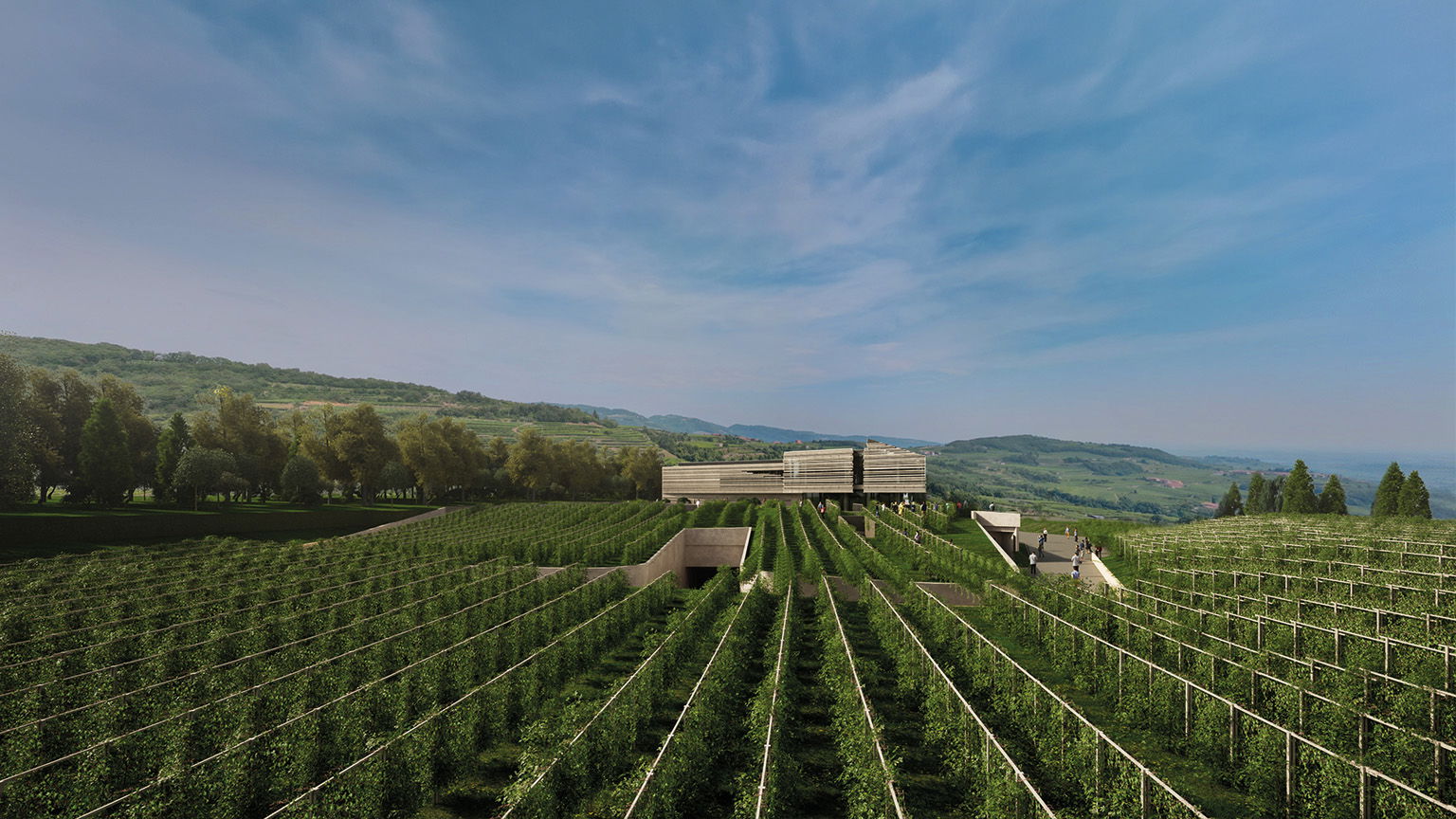
This is a historic Valpolicella estate rooted in centuries of regional practice. The copy foregrounds the Classico zone’s geological complexity — limestone, clay and chalky alluvial deposits — and links that terroir to wines built for structure and longevity rather than immediate fruitiness. The writing emphasizes traditional techniques, notably appassimento, and positions the estate as a serious, heritage-minded producer. Readers get a sense of a place where careful farming and time-honored drying lofts shape concentrated, ageworthy wines, presenting an image that is both traditional and quietly refined.
Best For
The profile is best for visitors interested in learning about terroir-driven winemaking and the long arc of Valpolicella production. The winery’s focus on soils, grape roles and the appassimento drying method makes it a natural fit for educational visits and for those seeking bottles with structure and aging potential. It also suits celebrations where a weighty Amarone or a thoughtful vertical tasting of Classico expressions underscores a special moment — particularly for guests who value provenance, technique and wine that rewards contemplation.
Tasting Tips
When exploring the range, prioritize examples that illustrate the estate’s span — from entry-level Valpolicella up through the appassimento-built Amarone — since the text explicitly notes that spectrum. Ask specifically about wines sourced from Classico territory and about the appassimento process described here (fruttai, bamboo racks, 90-plus days of drying) to better understand how the drying and the volcanic/chalky soils influence concentration, acidity and aging. Seek bottles that show the described mineral structure and longevity rather than overt fruit immediacy.
Venue details
Ambiance
Historic and elegant atmosphere steeped in family tradition and Venetian winemaking heritage.
Tags
Vibe
Best For
Experience
View
At the Vineyard
- Appellation
- Valpolicella Classico DOCG
- Varietals
- Corvina, Rondinella, Molinara, Oseleta
- Tour Duration
- 60-90 minutes
- Tour Languages
- English, Italian
- Visits
- By reservation
- Production
- Large producer
- Wine Styles
- Still Red, Fortified, Dessert
- Wine Club
- Not available
Know before you go
Know Before You Go
- Getting there
- Via Monteleone, 26, 37015 Gargagnago di Valpolicella, 37015 Verona VR
Planning details
Location
Via Monteleone, 26, 37015 Gargagnago di Valpolicella, 37015 Verona VR · Directions
Recognition and awards


Also consider
If you cannot make this booking work
Try Allegrini or Tommasi first if the goal is another established Valpolicella name with broad appeal. For a more collector-led day, check Giuseppe Quintarelli, but treat it as a primary plan rather than a backup.
Winery context
How it compares in Valpolicella
Masi Agricola S.p.A. is the safer pick when the goal is a recognizable Valpolicella anchor with a wine-first visit. Allegrini and Tommasi are the closest practical cross-shops for travelers who want another established name without turning the day into a collector-only itinerary.
Giuseppe Quintarelli is the sharper choice for serious collectors, but it is the harder fit for casual planning. Bertani makes sense for visitors who want another historic Valpolicella reference point, while Zenato is the better cross-shop if Lake Garda-side logistics are shaping the day.
For value, avoid judging only by reputation. The better move is to match the estate to the itinerary: Masi for a structured Valpolicella anchor, Tommasi or Allegrini for established alternatives, Bertani for heritage emphasis, Zenato for easier routing from the lake, and Quintarelli when the whole trip is built around wine collecting.
Explore Sant'Ambrogio di Valpolicella
Around this place
Discover more on Pearl
Unlock the full Masi guide in Pearl, including awards, comparisons, FAQs, planning details, and nearby places.
Compare Masi
| Venue | Location | Awards |
|---|---|---|
| Masi Agricola S.p.A. | Sant'Ambrogio di Valpolicella | No published awards |
| Allegrini | Fumane | 2026 Falstaff Winery Guide2025 Decanter Winery Prestige |
| Tommasi | Pedemonte (San Pietro in Cariano) | No published awards |
| Giuseppe Quintarelli | Negrar | 2026 Falstaff Winery Guide |
| Bertani | Grezzana | 2026 Falstaff Winery Guide |
| Zenato | Peschiera del Garda | 2026 Falstaff Winery Guide |

How Masi Agricola S.p.A. compares with similar nearby venues.
FAQ
Frequently Asked Questions
How long should I plan for a visit to Masi Agricola S.p.A.?
The venue details do not state a visit length, schedule, or format. Confirm timing directly with Masi Agricola S.p.A. before planning the rest of a Sant'Ambrogio di Valpolicella itinerary around it.
Does Masi Agricola S.p.A. offer a membership program?
If that is important to your planning, contact Masi Agricola S.p.A. directly and compare the current terms with other names such as Allegrini or Tommasi.
When is the best time to visit Masi Agricola S.p.A.?
The venue details do not state opening hours, seasons, or the best time to visit. Confirm current availability directly with Masi Agricola S.p.A. before making plans in Sant'Ambrogio di Valpolicella.