
Bodega Malma (NQN)
San Patricio del Chañar
Winery in San Patricio del Chañar, Argentina
 Book with Pearl
The Read
Patagonian Altitude Viticulture
Why go
Bodega Malma (NQN) is worth considering if the goal is a focused Neuquén winery stop rather than a turnkey food-and-wine outing. Book early, confirm the visit format before building the day around it, and keep a nearby backup if timing matters.
About Bodega Malma (NQN)
Bodega Malma (NQN) is a Pearl 2 Star Prestige 2025 venue in San Patricio del Chañar. Plan the visit around essentials rather than assumptions about tastings, food, tours, or other services.
Key details for planning are the venue name, its San Patricio del Chañar location, its smart casual dress code, and its Pearl 2 Star Prestige 2025 recognition. Before building an itinerary around it, check directly with the venue what is currently available and how visits are handled.
Why this works as a San Patricio del Chañar stop
The main reason to prioritize Bodega Malma (NQN) is its Pearl 2 Star Prestige 2025 recognition. For travelers comparing notable venues, it can sit naturally alongside other named options such as Familia Schroeder, Bodega Del Fin del Mundo, Humberto Canale, Bodega Chacra, and Patagonia Whisky Co. as well as other dining in San Patricio del Chañar discussed generically.
Do not build the day around extras. If food, a hosted tasting, a set tour format, or any other specific service is important, check those details before committing. The safest approach is to treat Bodega Malma (NQN) as a venue that requires direct planning rather than a spontaneous stop.
Plan the day around certainty, not spontaneity
Use the essentials as the baseline: Bodega Malma (NQN) is in San Patricio del Chañar, has a smart casual dress code, and holds Pearl 2 Star Prestige 2025 recognition. Everything more specific should be checked with the venue before you finalize timing, transport, or group plans.
For broader trip planning, compare it with Bodega Chacra, Bodega Del Fin del Mundo, Familia Schroeder, Humberto Canale, and Patagonia Whisky Co. without assuming that each venue offers the same format or services. You can also consider other dining in San Patricio del Chañar in general terms.
Planning details
- Location
- Ruta Provincial N°7 y calle 15, Q8305 San Patricio del Chañar, Neuquén
- Website
- bodegamalma.com
- Phone
- +54 299 536-2700
The take
The Take
The Vibe
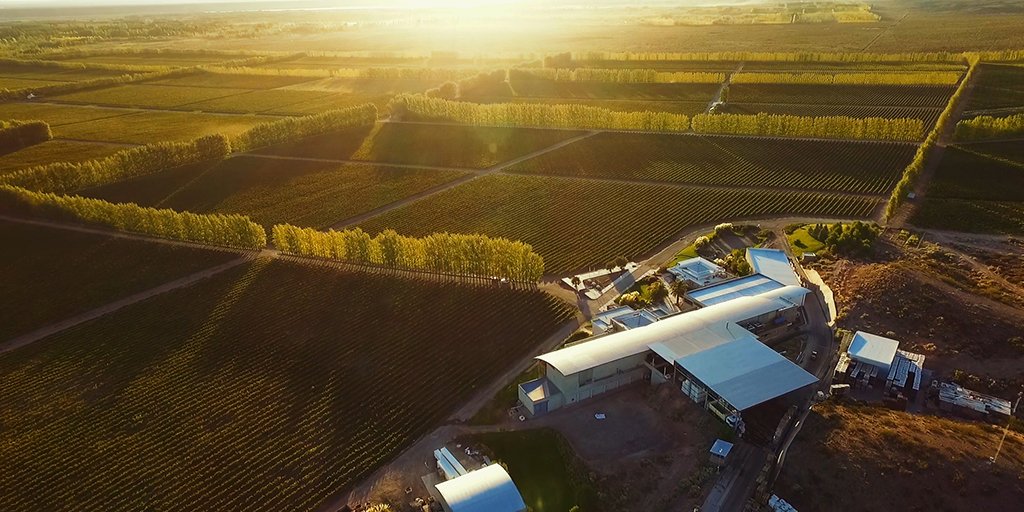
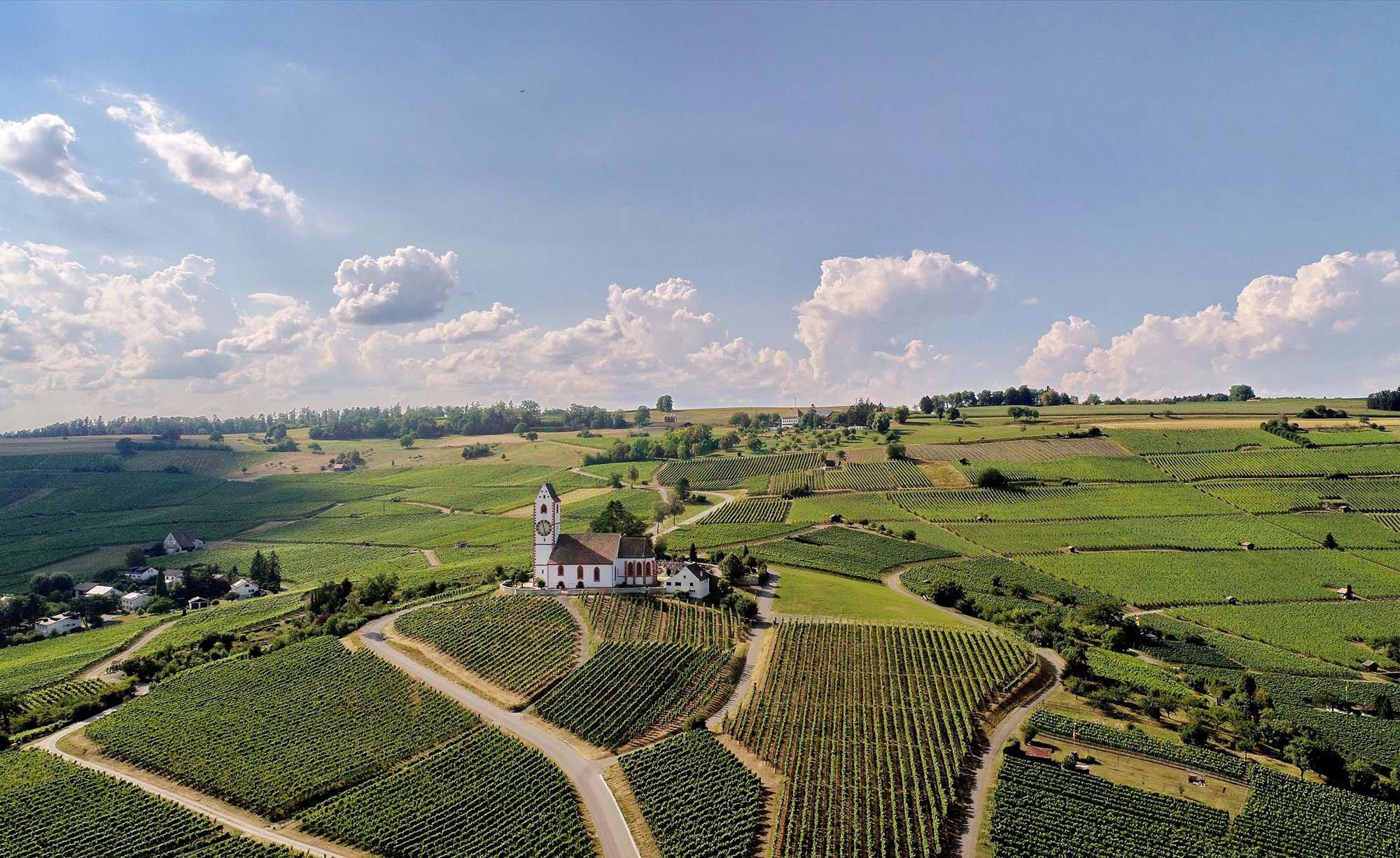
Bodega Malma presents a measured, sophisticated character rooted in its Patagonian setting. The approach along Ruta Provincial N°7 foregrounds a spare, wind-sculpted landscape and an intensity of light that frames the property as much as any architecture. The copy stresses geographic distinctiveness — cooler temperatures, strong diurnal shifts and sandy-alluvial soils — and pairs that terroir-first focus with an industry acknowledgement of quality. The overall impression is contemplative and refined: a place where the land’s signatures are front and center and the wines reflect an exacting, place-driven sensibility.
Best For
This winery is best for visitors who want to explore how Patagonian conditions shape wine, whether as part of a focused tasting, a group outing, or a milestone visit. The description emphasizes the region’s cooler growing season and the stylistic outcomes — aromatic whites and structurally precise reds — which make the estate a logical stop for anyone studying regional differences or marking a special occasion with terroir-driven bottles. Its Pearl 2 Star Prestige rating further suggests a reliable set of wines that rewards deliberate tasting and comparative sampling.
Tasting Tips
When tasting here, center the flight on the geographic story: prioritize aromatic whites that showcase acid retention and any red varieties that demonstrate the region’s structural detail. Ask tasting-room staff (or your host) about how the Andean winds, diurnal range and sandy alluvial soils influence individual bottlings, and request comparative pours that highlight those differences. Focus on wines across the range rather than single-vintage highlights to appreciate the consistent stylistic imprint the description emphasizes.
Venue details
Ambiance
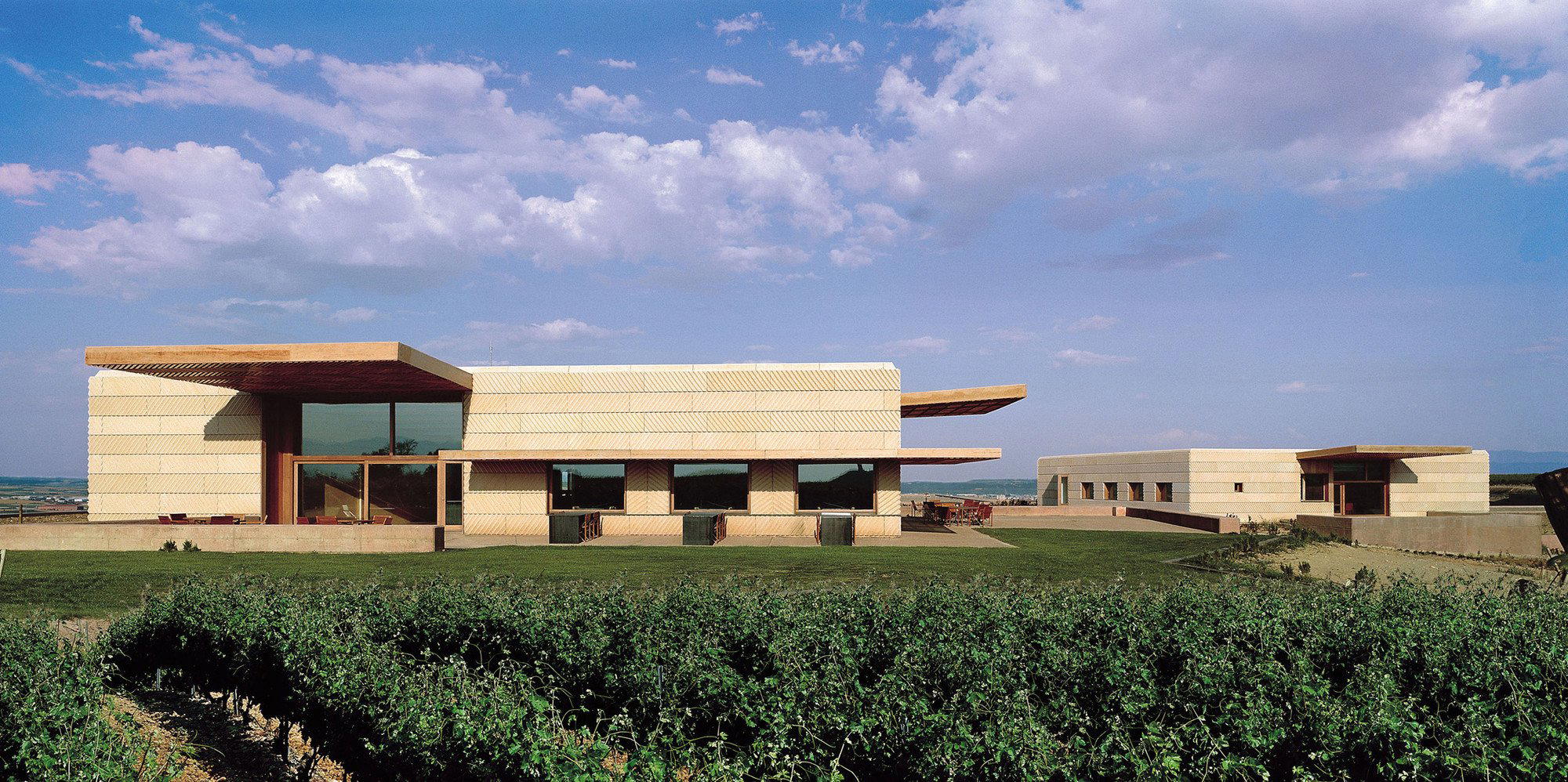
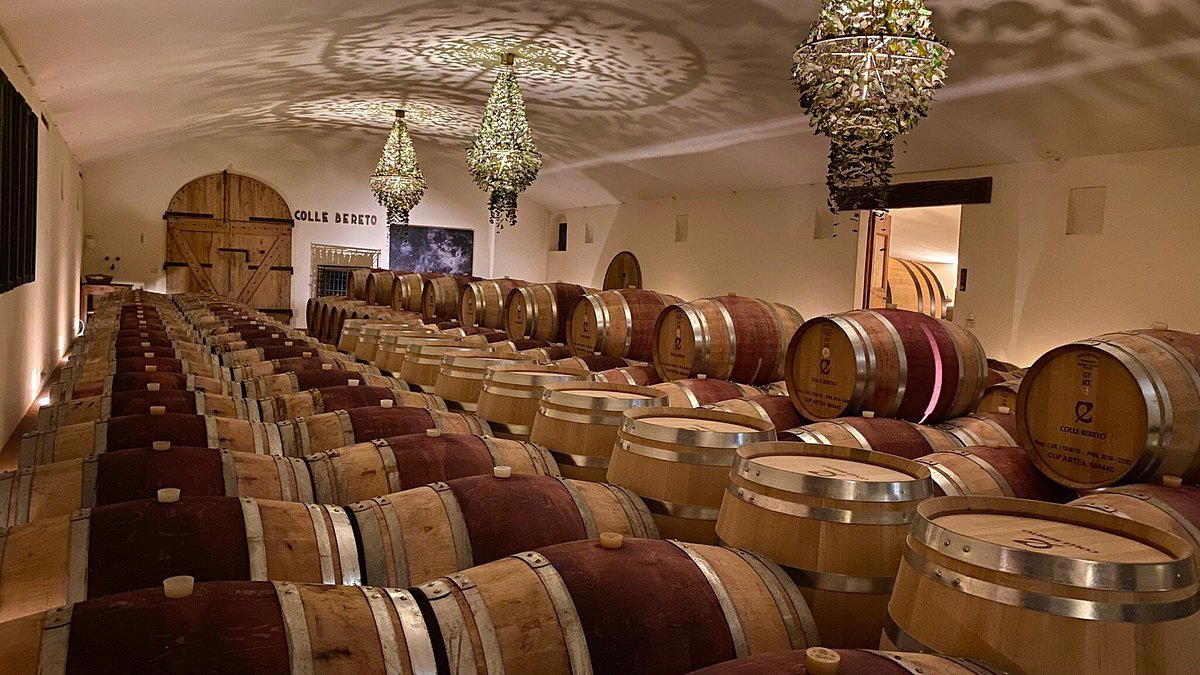
Classic and elegant atmosphere with luminous spaces, immersed in nature, offering serene Patagonian landscapes and sophisticated comfort.
Tags
Vibe
Best For
Experience
Sourcing
View
At the Vineyard
- Appellation
- San Patricio del Chañar
- Varietals
- Malbec, Pinot Noir, Cabernet Sauvignon, Merlot, Sauvignon Blanc
- Tour Duration
- 60-90 minutes
- Visits
- By reservation
- Farming
- Sustainable
- Wine Styles
- Still Red, Still White
- Food Pairing
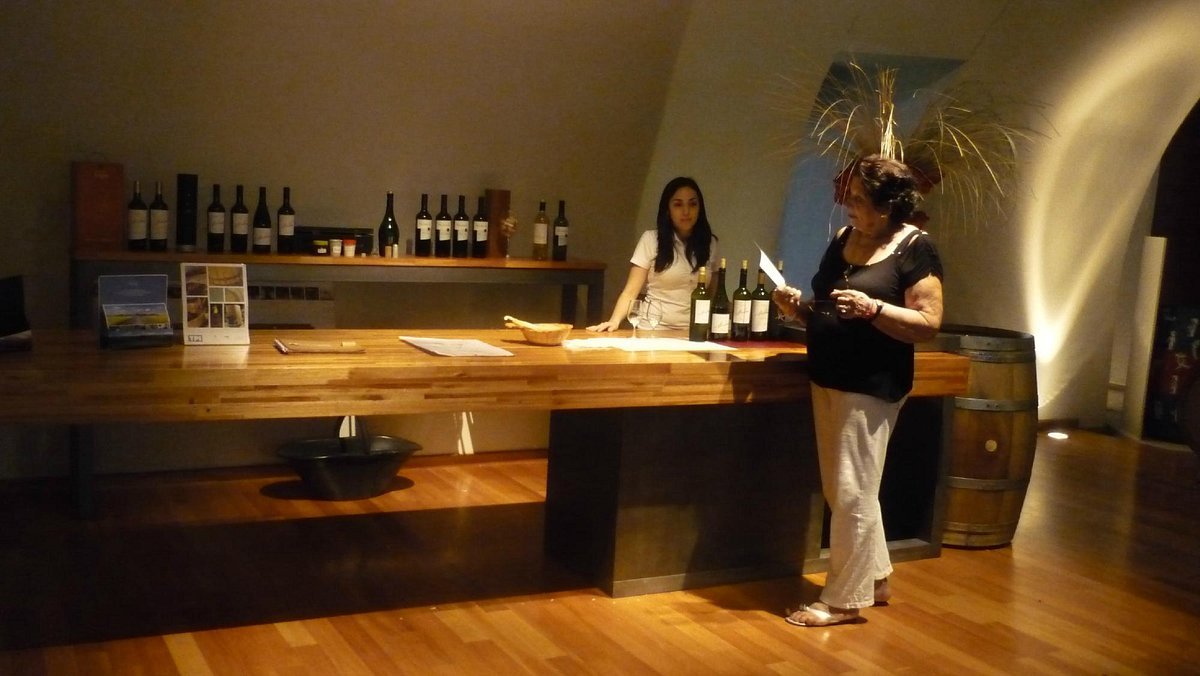
- Offered
- Wine Club
- Not available
Know before you go
Know Before You Go
- Getting there
- Ruta Provincial N°7 y calle 15, Q8305 San Patricio del Chañar, Neuquén
Planning details
Location
Ruta Provincial N°7 y calle 15, Q8305 San Patricio del Chañar, Neuquén · Directions
Recognition and awards

Also consider
Where to look if this does not line up
Try Familia Schroeder first if you want to stay in San Patricio del Chañar and need a nearby alternative. For a broader Patagonia comparison, look at Bodega Del Fin del Mundo or Humberto Canale.
Winery context
Against Familia Schroeder, Bodega Malma (NQN) is the more planning-sensitive choice: pick it if you want another serious San Patricio del Chañar producer in the itinerary, but choose Familia Schroeder first if you need a simpler anchor in the same area.
Bodega Del Fin del Mundo and Humberto Canale are better cross-shops for travelers comparing broader Patagonian wine names, while Malma makes more sense when staying close to San Patricio del Chañar. Bodega Chacra belongs in the conversation for a more Pinot-focused Patagonia itinerary, not as a direct substitute for a quick local stop.
Patagonia Whisky Co. is the alternate pick when the group is less wine-focused or wants a break from cellar visits. For value, the right move is not chasing the biggest name; it is choosing the venue with the clearest confirmed format for the day you are actually planning.
Explore San Patricio del Chañar
Around this place
Discover more on Pearl
Unlock the full Bodega Malma (NQN) guide in Pearl, including awards, comparisons, FAQs, planning details, and nearby places.
Compare Bodega Malma (NQN)
| Venue | Location | Awards |
|---|---|---|
| Bodega Malma (NQN) | San Patricio del Chañar | 2026 Falstaff Winery Guide |
| Familia Schroeder | San Patricio del Chañar | 2026 Falstaff Winery Guide |
| Bodega Del Fin del Mundo | Neuquén | No published awards |
| Patagonia Whisky Co. | Neuquén | No published awards |
| Humberto Canale | General Roca | No published awards |
| Bodega Chacra | Mainqué | 2026 Falstaff Winery Guide |
How Bodega Malma (NQN) compares with similar nearby venues.
FAQ
Frequently Asked Questions
Does Bodega Malma (NQN) serve food?
How long should I plan for a visit to Bodega Malma (NQN)?
Confirm the current visit format with Bodega Malma (NQN) before setting your schedule, especially if you are coordinating other stops in San Patricio del Chañar.
Can Bodega Malma (NQN) handle large groups?
Larger parties should contact the venue in advance rather than assuming that group visits can be accommodated.
Are membership or repeat-visitor benefits confirmed at Bodega Malma (NQN)?
When is the best time to visit Bodega Malma (NQN)?
Confirm current availability with Bodega Malma (NQN) before planning your day in San Patricio del Chañar.
What other venues can I compare with Bodega Malma (NQN)?
Useful named comparisons include Familia Schroeder, Bodega Del Fin del Mundo, Humberto Canale, Bodega Chacra, and Patagonia Whisky Co. You can also compare it with other dining in San Patricio del Chañar generically.