

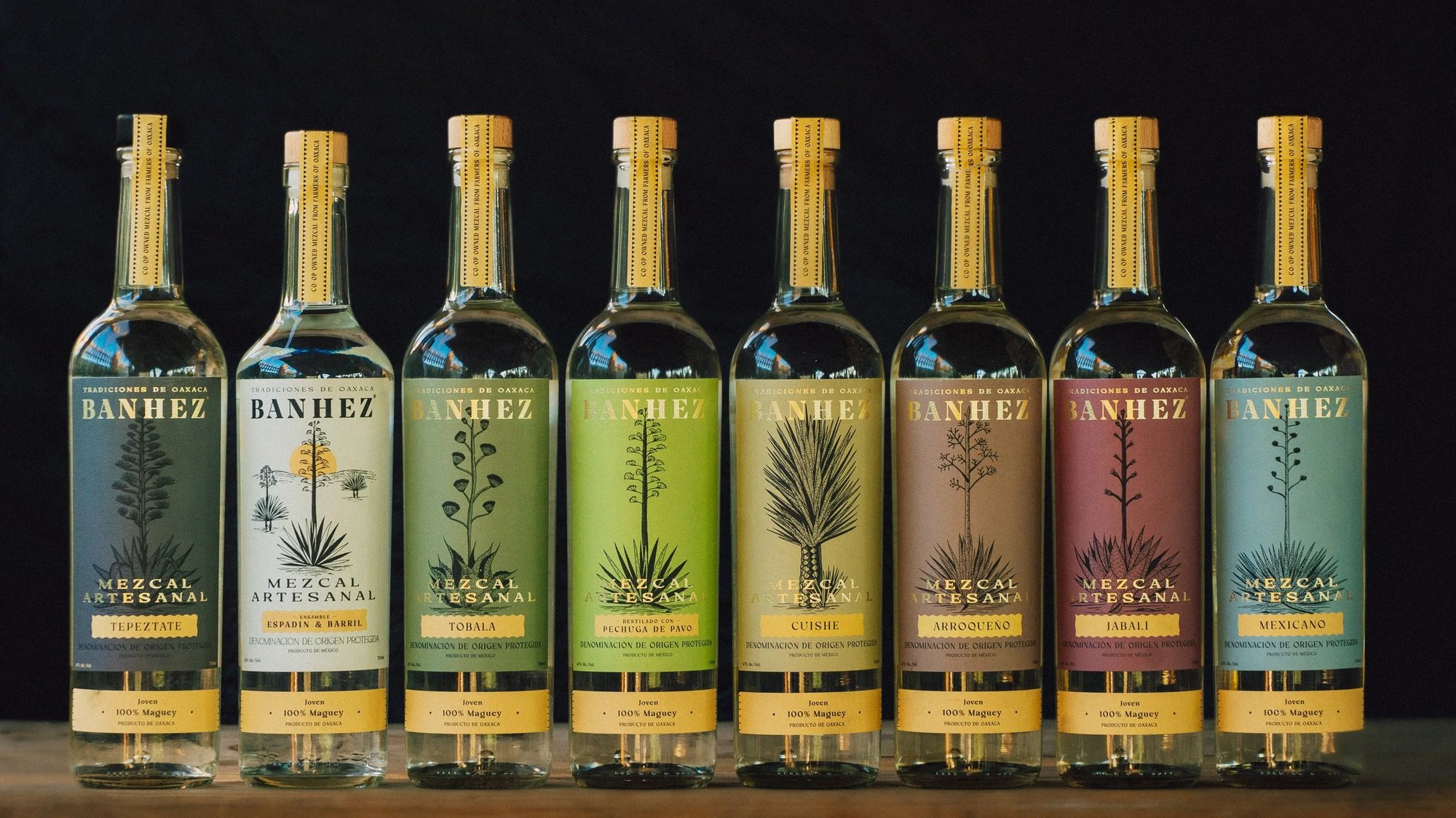
Banhez (UPADEC cooperative)
San Miguel Ejutla
Winery in San Miguel Ejutla, Mexico
 Book with Pearl
The Read
Valley-Floor Cooperative Mezcal
Why go
Book Banhez if the point of the trip is understanding Oaxaca mezcal through a cooperative lens rather than chasing a single-maker tasting. It is better for regional context than for a polished hospitality stop, so plan ahead and compare it with Lalocura, Real Minero, Don Amado, Palenque El Conejo, and NETA before building the route.
About Banhez (UPADEC cooperative)
While public details are limited, it is a planned stop for travelers specifically interested in Banhez itself. For information on menus, formats, production details, pricing, or visitor logistics, contact the venue directly.
If you are comparing possible stops, Banhez can be considered alongside Lalocura, Real Minero, Don Amado, Palenque El Conejo, and NETA, though any visit details should be confirmed directly before planning around them.
Why the cooperative identity matters
The name identifies Banhez as the UPADEC cooperative, making its cooperative identity part of the venue's profile. For specific details on how visits are hosted, what is offered, how production is organized, or what services are available, contact the venue directly.
For planning, consider Banhez as a San Miguel Ejutla venue with limited publicly available details. Confirm current availability, visit format, and any services directly through official channels before building a route around it.
Who should put this ahead of the obvious names
For comparison, consider Banhez alongside Lalocura, Real Minero, Don Amado, Palenque El Conejo, and NETA, but do not assume that any one venue offers the same kind of visit or service. It's practical to keep your plan flexible until Banhez confirms the details you need.
Planning details
- Location
- Carr. Federal Oaxaca - Pto. Ángel km. 56.5 San Miguel Ejutla, 71588 Heroica Cdad. de Ejutla de Crespo, Oax.
- Website
- paraisobanhez.com.mx
- Phone
- +52 951 184 2959
The take
The Take
The Vibe
Banhez (UPADEC cooperative) reads like a place defined by landscape rather than by flashy hospitality. The Ejutla Valley has drier, warmer terrain with distinct botanicals, and Banhez mezcal is a direct expression of that environment. The cooperative production model reinforces a grounded, place-driven character: multiple family growers aggregate agave and knowledge to produce consistent expressions that nevertheless carry the valley’s signature. Expect a setting where geology, climate and traditional production practices feel like the principal attractions, giving the liquid a clear sense of geographic identity.
Best For
This cooperative is best for visitors who want to learn how place shapes mezcal. Banhez is an instructive example of terroir in distilled spirits, comparing Ejutla-origin mezcals with highland counterparts and explaining how soil, temperature and wild yeasts leave measurable marks on the spirit. It suits tastings or conversations focused on agave species, regional differences and production philosophy: especially for people interested in cooperative models that prioritize consistency across multiple small producers.
Tasting Tips
When sampling Banhez expressions, prioritize comparison: taste Ejutla-origin bottles alongside highland or other regional mezcals to hear the differences. Ask about the specific agave species and how cooperative sourcing across family growers affects consistency. Focus on aroma and texture notes tied to the valley’s drier, warmer conditions and on any producer notes about fermentation or aging. Avoid assuming single-estate variation: Banhez’s cooperative framework is designed to deliver a stable expression that represents the Ejutla valley collectively.
Venue details
Ambiance
,rustic and traditional with earthen cooking and small-batch distillation atmosphere
Tags
Vibe
Best For
Experience
Sourcing
View
At the Vineyard
- Appellation
- Ejutla de Crespo
- Varietals
- Espadín, Barril, Tobalá, Tepeztate, Cuishe
- Visits
- By appointment only
- Farming
- Sustainable
- Wine Club
- Not available
Know before you go
Know Before You Go
- Getting there
- Carr. Federal Oaxaca - Pto. Ángel km. 56.5 San Miguel Ejutla, 71588 Heroica Cdad. de Ejutla de Crespo, Oax.
Planning details
Location
Carr. Federal Oaxaca - Pto. Ángel km. 56.5 San Miguel Ejutla, 71588 Heroica Cdad. de Ejutla de Crespo, Oax. · Directions
Also consider
Also Consider
- Lalocura, Notable alternative
- Real Minero, Notable alternative
- Don Amado (Arellanes family), Notable alternative
- Palenque El Conejo, Notable alternative
- NETA (Grupo Logoche), Notable alternative
Winery context
How Banhez compares in Oaxaca mezcal country
Pick Lalocura or Real Minero if the goal is a producer-led visit with a clearer single-house identity. Banhez is the stronger choice for travelers who want the cooperative angle and a wider read on how Ejutla fits into Oaxaca's mezcal production culture.
Don Amado and Palenque El Conejo make sense as cross-shops when the priority is a smaller-format palenque visit. Banhez is better when the decision is about breadth: less about one family narrative, more about how multiple producers can shape a shared regional identity.
For a deeper Oaxaca comparison set, add NETA to the shortlist. If booking access is tight, cross-shop Lalocura or Real Minero first for a more defined appointment target, then use Banhez when the itinerary has room for a cooperative stop with stronger context than ceremony.
Explore San Miguel Ejutla
Around this place
Discover more on Pearl
Unlock the full Banhez (UPADEC cooperative) guide in Pearl, including awards, comparisons, FAQs, planning details, and nearby places.
Compare Banhez (UPADEC cooperative)
| Venue | Location | Awards |
|---|---|---|
| Banhez (UPADEC cooperative) | San Miguel Ejutla | No published awards |
| Lalocura | Santa Catarina Minas | No published awards |
| Real Minero | Santa Catarina Minas | No published awards |
| Don Amado (Arellanes family) | Santa Catarina Minas | No published awards |
| Palenque El Conejo | Santa Catarina Minas | No published awards |
| NETA (Grupo Logoche) | Logoche | No published awards |
How Banhez (UPADEC cooperative) San Miguel Ejutla compares with similar nearby venues.
FAQ
Frequently Asked Questions
What other venues can I compare with Banhez (UPADEC cooperative)?
For comparison, consider Banhez with Lalocura, Real Minero, Don Amado (Arellanes family), Palenque El Conejo, and NETA (Grupo Logoche). Confirm current visit details directly before planning a route.
Does Banhez (UPADEC cooperative) offer memberships or release programs?
Details regarding membership, club, mailing list, or release programs are not available. Before joining any program, confirm the current terms directly with Banhez through official channels.