
Winery in San Fernando, Chile
Viña Casa Silva
750Pearl PointsColchagua Terroir Precision
About Viña Casa Silva
Viña Casa Silva sits in Chile's Colchagua Valley outside San Fernando, where the O'Higgins region's clay-rich soils and warm continental climate shape wines of genuine place. Awarded Pearl 3 Star Prestige in 2025, the estate represents one of the Colchagua Valley's most focused expressions of terroir-driven winemaking, with a visit offering direct access to the land behind the bottle.
Where the Colchagua Valley Speaks Directly
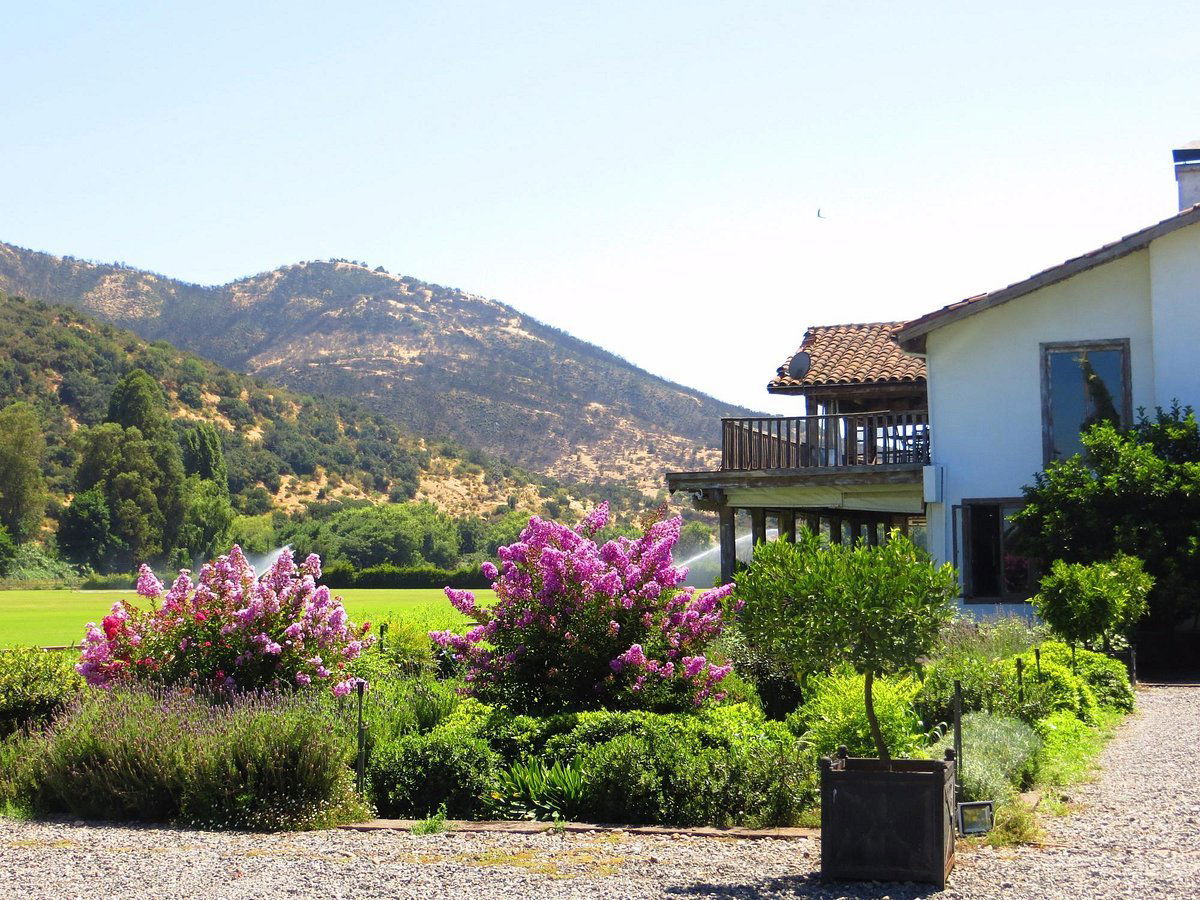
The road into the O'Higgins region south of Santiago changes character around San Fernando. The Andes recede from a distant backdrop into something more present, and the valley floor flattens into a patchwork of vineyards interrupted by rows of poplar and the occasional colonial-era farmstead. Approaching Viña Casa Silva at I-90-H 600, the sense is less of arriving at a winery and more of entering an agricultural landscape that has been shaped, over generations, to produce wine from a specific piece of ground. That distinction matters: the Colchagua Valley does not manufacture a sense of place, it has one.
Chile's wine regions have long competed for international attention against better-funded South American neighbours, but the O'Higgins region has gradually built a case through consistency and site specificity rather than marketing. Colchagua sits within that region as its most decorated sub-area, with a Mediterranean-influenced climate moderated by the Coastal Range to the west and a diurnal temperature swing that preserves acidity in warm-ripening varieties. Casa Silva, holding a Pearl 3 Star Prestige rating awarded in 2025, sits at the serious end of this geography.
The Land as Winemaking Argument
The editorial case for Colchagua Carmenère rests on a direct soil-climate argument. The valley's deeper clay and alluvial deposits hold moisture through the dry summer months, moderating vine stress during the critical August-to-March growing window. Carmenère, notoriously sensitive to excess vigour and green character, finds in those conditions a path to phenolic ripeness without the jammy excess that afflicts it in warmer, shallower sites. Casa Silva's vineyards, spread across multiple blocks in and around San Fernando, are a practical demonstration of that argument rather than a theoretical one.
Terroir expression in this part of Chile also involves what happens at altitude and distance from the coast. The further east toward the Andes foothills, the more pronounced the temperature variation between day and night, a difference that can swing more than 20 degrees Celsius at peak summer. This thermal stress is, somewhat counterintuitively, a quality driver: it slows the final stages of ripening, extending the development window for aromatic compounds while keeping alcohol from climbing unchecked. Estates working the Colchagua foothills consistently produce wines with more structural tension than those from flatter, warmer valley-floor sites. That pattern applies across the region and is visible in the comparable set that includes Viña MontGras in Palmilla and Viña Seña in Panquehue, both of which have built reputations around site-specific work in similarly demanding terrain.
Reading the 2025 Pearl 3 Star Prestige Recognition
Awards in the wine world function leading as peer-set signals rather than absolute verdicts. The Pearl 3 Star Prestige designation awarded to Casa Silva in 2025 places it in the upper tier of EP Club-rated Chilean wineries, a cohort that expects consistent quality across a range rather than a single showpiece bottling. That kind of recognition carries weight precisely because it is difficult to sustain: a winery can produce one standout vintage through fortunate circumstances, but repeated high-tier performance requires systematic work in vineyard and cellar.
For comparative reference, other Chilean estates carrying EP Club recognition include Viña Undurraga in Talagante, Viña Santa Rita in Buin, and Viña Valdivieso in Lontué. Each represents a different regional sub-story within Chile's broader wine geography. Casa Silva's position in Colchagua, with its warmer inland character and red-wine dominance, makes it a distinct data point in that group rather than a redundant one. The O'Higgins region's identity is built around structured reds, and Casa Silva's recognition reflects how well that identity is being executed at address.
The Colchagua Context: Why San Fernando Specifically
San Fernando functions as the administrative and geographic anchor for the broader Colchagua wine circuit. The town itself is a working provincial capital rather than a curated wine tourism destination, which means the estates around it have developed their visitor infrastructure against a backdrop of ordinary Chilean provincial life. That context is worth retaining when visiting: the appeal here is not the manicured resort experience found at some Maipo Valley operations, but something closer to working agriculture with serious hospitality layered on leading.
The Colchagua Valley wine route connects a string of estates along and around the Tinguiririca River basin, and Casa Silva's address on the I-90-H places it in direct wine-country geography. Visitors arriving from Santiago typically drive south on Ruta 5 to San Fernando, a journey of roughly 130 kilometres, before turning toward the valley. The drive itself passes through the transition from the Santiago Metropolitan Region into the O'Higgins countryside, a shift that is visible in the vegetation and the scale of agricultural holdings. Wine estates in this corridor range from large commercial operations to family-focused producers; Casa Silva's Pearl 3 Star Prestige standing indicates it operates toward the quality-focused end of that spectrum.
For those building a broader Chilean wine itinerary beyond Colchagua, the range of regional stories extends across Chile. El Gobernador (Miguel Torres Chile) in Curicó represents the Maule influence just to the south, while Viña De Martino in Isla de Maipo anchors a different regional argument in the Maipo Valley. Further afield, Viña Falernia in Vicuña pushes into the Elqui Valley's desert conditions, a genuinely different climatic proposition from the Colchagua mainstream. The contrast between Viña Ventisquero in Santiago and a Colchagua estate like Casa Silva also illustrates the range of approaches operating under the Chilean premium banner simultaneously.
For visitors whose interests extend to Chile's spirits production alongside wine, Pisco Alto del Carmen Distillery in Huasco and Atacamasour Distillery in San Pedro de Atacama offer northern region counterpoints to the central valley wine circuit. The comparison helps calibrate just how geographically varied Chile's premium drinks production has become.
Planning a Visit
Casa Silva is located at I-90-H 600 in San Fernando, within the O'Higgins region. Appointments are required, so contacting the estate directly before visiting is the most reliable approach. The Colchagua wine route is generally most accessible from September through April, when the harvest cycle and post-harvest work make cellar operations visible and the weather permits comfortable valley travel. The period from March to early April, when harvest is typically underway in Colchagua's warmer blocks, gives visitors direct sight of the winemaking decisions that translate vineyard character into bottle. International visitors comparing Chile's winery estate experience against European counterparts might also reference Aberlour and Accendo Cellars in St. Helena for a sense of how premium estate visits are structured in other traditions.
Location
I-90-H 600, Casa Silva, San Fernando, O'Higgins
San Fernando, Chile
Save or rate Viña Casa Silva on Pearl
Keep this venue in your Pearl passport, rate it after you visit, and track it alongside every other place you collect.