

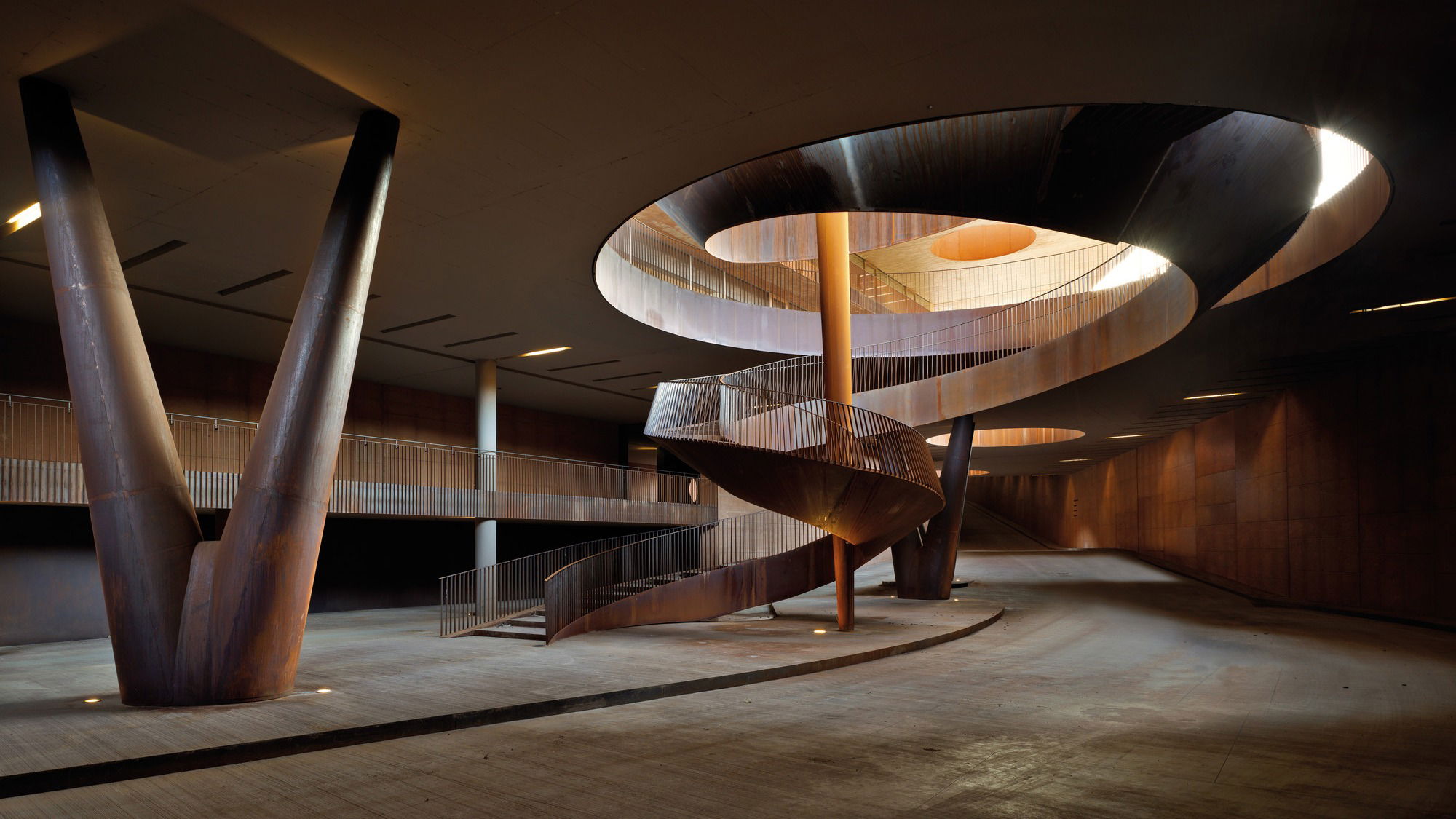
Solaia (Marchesi Antinori)
San Casciano in Val di Pesa, San Casciano
Winery in San Casciano, Italy
 Book with Pearl
The Read
Bordeaux-Blueprint Tuscany
Why go
Prioritise Solaia (Marchesi Antinori) only if the flagship wine is the reason for the trip. For a broader San Casciano winery visit, Antinori nel Chianti Classico is the safer first booking; this is better for collectors and Tuscan wine travellers making a bottle-led decision.
About Solaia (Marchesi Antinori)
Solaia (Marchesi Antinori) is a San Casciano venue with limited details for planning. Pearl lists it as 4 Star Prestige (2025), and the dress code is smart casual. Beyond that, specific claims about visit format, tasting options, food service, bottle access, shipping, pricing, hours, or group capacity should be confirmed directly before making plans.
Consider this a conservative planning note rather than a full service brief. If you are comparing options, keep the decision grounded in what is known: the venue name, the San Casciano location, the Pearl 4 Star Prestige (2025) recognition, and the smart-casual dress code.
Book with current details, not assumptions
For Solaia (Marchesi Antinori), the safest approach is to verify the current visit format before building an itinerary around it. It is not known whether the experience is tasting-led, dining-led, appointment-only, suitable for groups, or connected to any specific purchase or shipping service.
For comparison planning, relevant names to consider include Antinori nel Chianti Classico, Tenuta Tignanello, Isole e Olena, Fontodi, and Castello di Monsanto. Treat each as a separate planning decision and confirm practical details directly with the venue you intend to visit.
Use San Casciano as the planning anchor
Only San Casciano is listed as the location for Solaia (Marchesi Antinori). Do not rely on unconfirmed street-address, neighborhood, service, or itinerary assumptions when arranging transport or reservations.
Antinori nel Chianti Classico, Tenuta Tignanello, Isole e Olena, Fontodi, and Castello di Monsanto are useful comparison names, but the practical choice should come down to confirmed availability, format, and your preferred pace for the day.
Bottom line: Solaia (Marchesi Antinori) is best approached as a San Casciano listing with limited public planning data. Confirm the current experience, timing, and any services directly before committing.
Planning details
- Location
- Via Cassia per Siena, 133, 50026 Firenze FI
- Website
- antinori.it
- Phone
- +39 055 23595
The take
The Take
The Vibe
Solaia reads like a geological manifesto rendered in wine. The Antinori estate sits amid galestro and alberese soils that the copy describes in granular detail, and that tension—between fast-draining schist and moisture-retaining clay—translates into wines of concentration and backbone. The property’s history and decades of vintage records give the release a measured, studied temperament: a Cabernet-led blend with Sangiovese in support, built for structural restraint rather than immediate richness. The voice is scholarly and reverent, favoring terroir and evolution over stylistic trendiness, which makes Solaia feel both historic and quietly authoritative.
Best For
This is a wine and a place for focused tasting and study. The description frames Solaia as a producer whose wines reward cellar aging and close attention to site—making the estate especially suitable for wine-education visits and memorable, special-occasion purchases. Collectors and serious tasters who want to follow vintage evolution or compare Cabernet-Sangiovese expression in a Tuscan context will find the estate’s altitude, aspect and soils central to the story. It’s less about casual tasting and more about encountering a wine built for longevity and nuance.
Tasting Tips
Look for Solaia as a cellar-oriented bottle: the text emphasizes slow oxidative evolution and structural restraint, so prioritize vintages suited to age and consider allocations that allow time in bottle. When evaluating or purchasing, note that the wine is positioned against high-end peers like Sassicaia and Ornellaia—seek out provenance and vintage notes that reflect the estate’s galestro and alberese terroir. For visits, plan for an experience focused on site explanation and technical context rather than casual, immediate-drinking wines.
Venue details
Ambiance
Elegant and refined Tuscan hillside estate with gently rolling vineyards and historic prestige.
Tags
Vibe
Best For
Experience
View
At the Vineyard
- Appellation
- Toscana IGT
- Varietals
- Cabernet Sauvignon, Sangiovese, Cabernet Franc
- Tour Duration
- 60-90 minutes
- Tour Languages
- English, Italian
- Visits
- By appointment only
- Production
- Small producer
- Wine Styles
- Still Red
- Wine Club
- Available
Know before you go
Know Before You Go
- Getting there
- Via Cassia per Siena, 133, 50026 Firenze FI
Planning details
Location
Also consider
Where to go if this does not fit the trip
Choose Antinori nel Chianti Classico if the group wants the safer all-round winery stop. Choose Tenuta Tignanello if the priority is staying close to Antinori's collector-label universe.
Winery context
How it compares in San Casciano
Antinori nel Chianti Classico is the better first choice for most visitors because it works as a fuller winery experience. Solaia (Marchesi Antinori) is the more specialist pick: stronger for travellers focused on the flagship label, less useful for anyone who wants an easy, general-purpose tasting stop.
Tenuta Tignanello is the closest cross-shop for Antinori collectors, while Isole e Olena and Fontodi make more sense if the goal is producer comparison across Chianti Classico rather than staying within one family of labels. Castello di Monsanto is another sensible alternative for travellers who want a broader regional frame.
For value, choose the peer that gives the clearest visit format for the day you are planning. For ambition and collector relevance, keep Solaia on the shortlist; for accessibility and a more rounded visitor plan, start with Antinori nel Chianti Classico.
Explore San Casciano
Around this place
Discover more on Pearl
Unlock the full Solaia (Marchesi Antinori) guide in Pearl, including awards, comparisons, FAQs, planning details, and nearby places.
Compare Solaia (Marchesi Antinori)
| Venue | Location | Awards |
|---|---|---|
| Solaia (Marchesi Antinori) | San Casciano | No published awards |
| Antinori nel Chianti Classico | Tuscany | 2025 Pearl 3 Star Prestige2022 World's 50 Best Vineyards · #12021 World's 50 Best Vineyards · #62020 World's 50 Best Vineyards · #92019 World's 50 Best Vineyards · #18 |
| Tenuta Tignanello | San Casciano in Val di Pesa | 2025 Pearl 4 Star Prestige |
| Isole e Olena | Barberino Tavarnelle | 2026 Falstaff Winery Guide |
| Fontodi | Greve in Chianti | 2026 Falstaff Winery Guide2025 Pearl 4 Star Prestige |
| Castello di Monsanto | Barberino Tavarnelle | 2026 Falstaff Winery Guide |



How Solaia (Marchesi Antinori) compares with similar nearby venues.
FAQ
Frequently Asked Questions
How long should I plan for a visit to Solaia (Marchesi Antinori)?
A visit duration is not provided. Solaia (Marchesi Antinori) is listed in San Casciano and carries Pearl 4 Star Prestige (2025) recognition, but timing, format, and appointment details should be confirmed directly before planning the day.
What other venues are relevant comparisons for Solaia (Marchesi Antinori)?
Relevant comparison names include Antinori nel Chianti Classico, Tenuta Tignanello, Isole e Olena, Fontodi, and Castello di Monsanto. Confirm each venue's current location details, availability, and visit format before arranging a route.
Can Solaia (Marchesi Antinori) handle large groups?
Group-capacity details are not provided. If you are planning for a large party, confirm directly with Solaia (Marchesi Antinori) before assuming the venue can accommodate the group.
Does Solaia (Marchesi Antinori) offer shipping?
Information about shipping from Solaia (Marchesi Antinori) is not available. Confirm any purchase, delivery, or shipping options directly with the venue before planning around them.
Does Solaia (Marchesi Antinori) serve food?
Food service is not provided. Do not plan on Solaia (Marchesi Antinori) as a meal stop unless the current offering is confirmed directly with the venue.
What is the signature offering at Solaia (Marchesi Antinori)?
Bottle, menu, tasting-list, or other offering details for Solaia (Marchesi Antinori) are not provided. Use the venue name and San Casciano location as the primary reference points, and check official sources for current information.