
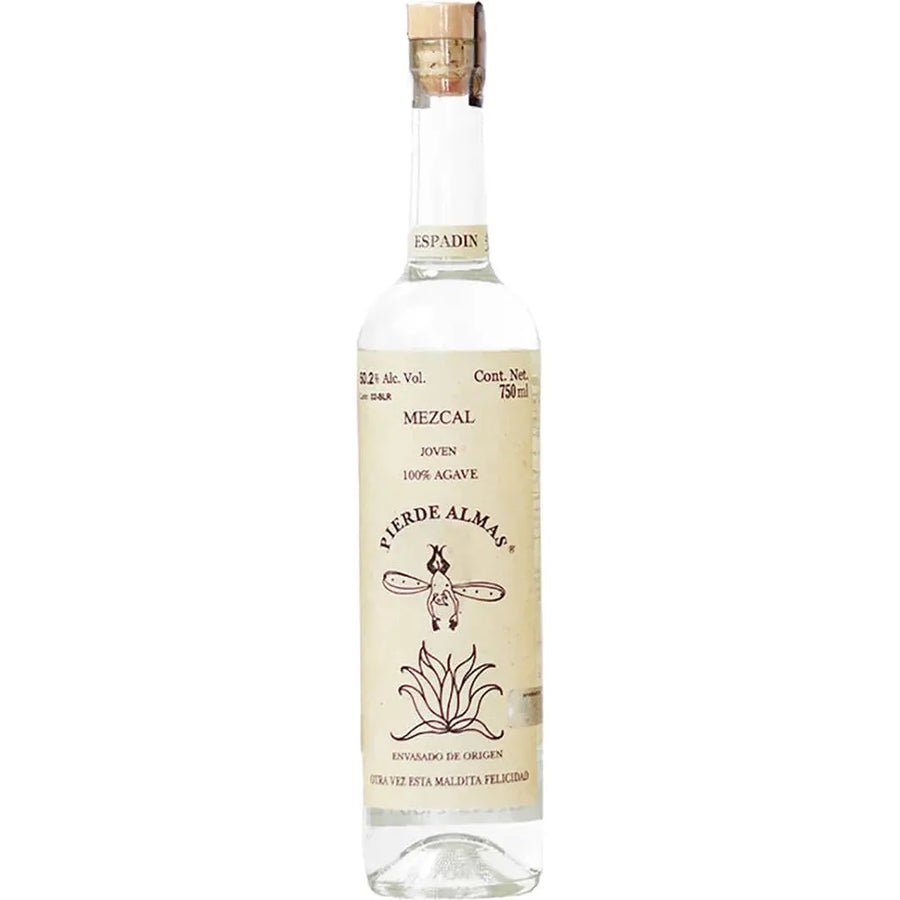
    Winery in San Baltazar Chichicapam, Mexico

    Pierde Almas

    250pts

    Sierra Sur Terroir Mezcal

    Pierde Almas, Winery in San Baltazar Chichicapam

    About Pierde Almas

    Pierde Almas operates out of San Baltazar Chichicapam, a small Sierra Sur village that has become one of Oaxaca's reference points for single-village mezcal production. The distillery earned a Pearl 1 Star Prestige award in 2025, placing it among a select tier of Mexican spirits producers recognised for terroir fidelity and production depth. For anyone tracing the geography of artisanal mezcal, this address matters.

    Where the Agave Grows and the Spirit Follows

    San Baltazar Chichicapam sits in the Sierra Sur range southeast of Oaxaca City, at an elevation where the diurnal temperature swings and mineral-dense volcanic soils create growing conditions that producers elsewhere in Mexico cannot replicate. The village is small enough that agriculture and distillation remain inseparable from daily life, and mezcal made here carries the specific character of that altitude, that soil, and that climate in a way that lowland production simply does not. This is the terrain Pierde Almas works from, and it is the right place to start any discussion of what the distillery produces and why it matters.

    The road into San Baltazar Chichicapam passes through agave country in the literal sense: espadin grows on the hillsides at intervals that reflect the land's carrying capacity rather than industrial density. The physical approach to a producer in this part of Oaxaca is itself an orientation in terroir. By the time you arrive at Calle Independencia No. 523, the surrounding landscape has already explained something about what ends up in the bottle. See our full San Baltazar Chichicapam restaurants and producers guide for broader context on the village and its place in the regional spirits map.

    A 2025 Pearl Star and What It Signals

    Pierde Almas received a Pearl 1 Star Prestige award in 2025, a recognition that positions it within a defined competitive tier among artisanal Mexican spirits producers. In a category where reputation has long circulated through specialist importers and bartender networks rather than formal awards, structured prestige recognition carries weight precisely because it is rare and applied against specific criteria. The Pearl designation does not describe a brand's marketing reach or export volume; it addresses production integrity and expression, which is the relevant metric for a distillery working at this scale in this village.

    Across the broader Mexican spirits geography, the contrast between prestige-tier artisanal producers and industrial-scale operations has become the defining tension of the past decade. Producers like Jose Cuervo (La Rojeña) in Tequila and La Primavera (Don Julio) in Atotonilco El Alto represent the scale end of agave spirits; Pierde Almas occupies a different register entirely, one where village-level sourcing and traditional production methods define the product category. Both ends have their place in the broader conversation, but they are answering different questions.

    Mezcal as Terroir Expression

    The argument for mezcal as a terroir-driven spirit rests on several converging factors: agave species variation, growing altitude, soil composition, wild versus cultivated yeast, and the heat source used during cooking. San Baltazar Chichicapam addresses several of these simultaneously. The altitude here, typical of the Sierra Sur communities, slows agave maturation relative to valley-floor cultivation, which producers and researchers have associated with denser, more complex piña development. Whether that translates directly into flavour complexity in the finished spirit is a matter the glass resolves more convincingly than any theoretical argument.

    Oaxaca's mezcal geography is not monolithic. The Tlacolula Valley, centred on producers like El Rey de Matatlán in Tlacolula de Matamoros, produces in a different soil and altitude context than the Sierra Sur villages. The Miahuatlán area, represented by operations such as Don Amado (Arellanes family) in Santa Catarina Minas, introduces yet another set of growing conditions. Pierde Almas belongs to none of those sub-zones; its address in San Baltazar Chichicapam places it in a microclimate and cultural production tradition specific to this cluster of Sierra Sur communities. The distinctions are not marketing language. They are the kind of geographic specificity that serious mezcal drinkers have come to treat with the same attention given to appellation in wine.

    For reference on how cooperative and village-scale production operates at the other end of the Oaxacan spectrum, Banhez (UPADEC cooperative) in San Miguel Ejutla offers a useful contrast model, as does Los Danzantes in Santiago Matatlán, one of the region's longer-established artisanal producers. Casa Cortés at La Soledad Palenque in La Compañía (Ejutla) represents the palenque model operating at a similarly intimate scale.

    Production Context Within the Wider Agave Spirits Conversation

    Understanding Pierde Almas requires some grounding in the wider agave spirits world, which has expanded well beyond its Oaxacan and Jalisco origins. Tequila producers such as Casa Herradura (Hacienda San José del Refugio) in Amatitán, Cazadores Distillery in Arandas, El Pandillo (G4) in Jesús María, and Hacienda Corralejo in Pénjamo all operate within the blue agave Tequila DO and with production methods and scales that differ structurally from Oaxacan mezcal. For a different regional comparison again, Lágrimas de Dolores (Hacienda Dolores) in Durango works with Durango agave species in a northern terroir that adds another dimension to how Mexican spirits geography maps onto flavour.

    Pierde Almas is not competing in any of those categories. Its reference points are the handful of Oaxacan producers with comparable prestige recognition and similar commitments to single-village or single-batch production. That peer set is small. The 2025 Pearl 1 Star Prestige award functions, in part, as a way of formalising where the distillery sits within it.

    Planning a Visit

    San Baltazar Chichicapam is accessible from Oaxaca City, though the route into the Sierra Sur requires time and road conditions typical of the region's mountain communities rather than the paved highways that connect the Tlacolula Valley producers. No phone number or website is currently listed in EP Club's verified data for Pierde Almas, which means advance contact and logistics should be arranged through local guides or specialist tour operators familiar with the Sierra Sur mezcal route, rather than through direct booking. For travellers building a broader Oaxacan spirits itinerary, combining a Sierra Sur visit with producers in the Tlacolula Valley or Miahuatlán area is the standard approach among serious mezcal tourists. Price range and hours are not available in EP Club's current data for this producer.

    It is worth noting that the address on record (Calle Independencia No. 523, Patria Nueva, Oaxaca de Juárez) reflects registered distillery information and may differ from a visitor-facing tasting room or reception point. Confirming logistics before travel is advisable. For external context on the Scottish whisky tradition and how formal prestige recognition functions across different spirit categories, Aberlour in Speyside and the Napa Valley reference of Accendo Cellars in St. Helena illustrate how terroir language travels across categories when production discipline is present to support it.

    Frequently Asked Questions

    What is the atmosphere like at Pierde Almas?
    Pierde Almas operates in San Baltazar Chichicapam, a Sierra Sur village where mezcal production is embedded in agricultural life rather than positioned as a hospitality experience. The atmosphere is working distillery rather than curated visitor centre. EP Club's current data does not include specific tasting room details, so visitors should confirm the format on arrival or through local guides. The 2025 Pearl 1 Star Prestige award places it in a serious production tier, which sets expectations for craft over theatre.
    What wine is Pierde Almas famous for?
    Pierde Almas is a mezcal producer, not a winery. The distillery works with agave grown in the Sierra Sur mountains of Oaxaca, producing spirits that have earned a Pearl 1 Star Prestige award in 2025. The wine region and winemaker fields do not apply here; the relevant reference frame is Oaxacan artisanal mezcal, with village-level terroir and traditional production methods as the distinguishing markers.
    What is Pierde Almas known for?
    Pierde Almas is known for artisanal mezcal production rooted in San Baltazar Chichicapam, a Sierra Sur village with specific altitude and soil conditions that differentiate its spirits from valley-floor production. The distillery received a Pearl 1 Star Prestige recognition in 2025, placing it within a small tier of formally recognised Oaxacan producers. Price range details are not available in EP Club's current verified data.
    Can I walk in to Pierde Almas?
    No phone number or website is listed in EP Club's current data for Pierde Almas, which makes walk-in logistics difficult to confirm in advance. San Baltazar Chichicapam is a rural Sierra Sur community rather than a tourist corridor, and producer visits in this area typically require advance arrangement. Contacting a specialist mezcal tour operator based in Oaxaca City before travelling is the practical approach. The distillery's 2025 Pearl 1 Star Prestige award reflects production seriousness rather than visitor-facing programming.
    How does Pierde Almas fit into the tradition of single-village Oaxacan mezcal?
    San Baltazar Chichicapam is among a cluster of Sierra Sur communities where mezcal production has remained tied to specific agave-growing terrain rather than consolidating into larger valley operations. Pierde Almas operates within that tradition, and its 2025 Pearl 1 Star Prestige award places it among producers whose village-specific provenance is treated as a verifiable quality signal rather than a branding claim. This positions the distillery within the smaller, more geographically specific end of the Oaxacan mezcal spectrum, comparable in approach to producers operating under similar artisanal frameworks elsewhere in the state.
    Keep this place

    Save or rate Pierde Almas on Pearl

    Keep this venue in your Pearl passport, rate it after you visit, and track it alongside every other place you collect.