
Domaine de Cassiopée
Sampigny-lès-Maranges
Winery in Sampigny-lès-Maranges, France
 Book with Pearl
The Read
Southern Côte de Beaune Terroir
Why go
Domaine de Cassiopée is a strong pick for Burgundy travellers who want Maranges context rather than another obvious Côte de Beaune trophy stop. Book only with flexibility: practical visitor details are thin, and access should be treated as difficult. Serious enthusiasts will get more from it than casual cellar-door visitors.
About Domaine de Cassiopée
Domaine de Cassiopée is a venue in Sampigny-lès-Maranges with a casual dress code and Pearl 2 Star Prestige recognition for 2025. These facts identify the venue, place it in Sampigny-lès-Maranges, and give travellers a basic sense of how formal the stated attire expectation is. Beyond these basics, however, practical details should be treated carefully. Service format, hours, pricing, menus, visitor arrangements, or specific hospitality features are not available, so any planning that depends on those details should remain provisional until checked at the source.
A Sampigny-lès-Maranges venue with limited detail
The grounded reason to note Domaine de Cassiopée is direct: it is in Sampigny-lès-Maranges and carries Pearl 2 Star Prestige recognition for 2025. That combination may be enough to put it on a shortlist for travellers researching the area, but it should not be stretched into assumptions about what a visit looks like. Travellers should not assume additional specifics unless they have checked directly with the venue. In particular, a cuisine, chef, tasting format, seat count, beverage programme, address beyond the city, or any fixed visit length are not available. The absence of those details is important because it affects how confidently the venue can be fitted into a schedule, compared, or recommended for a particular type of outing.
Plan conservatively. If Domaine de Cassiopée is important to your itinerary, confirm the current access details, timing, and any required arrangements before building a day around it. That means treating the listing as a starting point rather than a complete plan. The dress code is casual, which can help reduce uncertainty around what to wear, but that should not be read as confirmation of walk-in availability or any particular service style. Casual dress does not, by itself, establish whether the experience is brief or extended, structured or flexible, public-facing or limited by prior arrangement. Until those elements are confirmed, the safest approach is to leave room in the itinerary and avoid relying on assumptions.
How to compare it with other named venues
Domaine de Cassiopée can be considered alongside Domaine Ramonet, Domaine Hubert Lamy, Domaine A. & P. de Villaine, Domaine Bachelet-Monnot, and Domaine Jean-Noël Gagnard as part of a broader comparison set. In that context, the comparison should be understood as a research aid rather than a statement of equivalence. The names may help frame further investigation, but their locations in Sampigny-lès-Maranges are not available, so they should not be treated as local alternatives unless their locations and access details are checked separately. A useful comparison would therefore begin with the few confirmed points for Domaine de Cassiopée, then move outward only after each other venue has been checked on its own terms.
The practical verdict: Domaine de Cassiopée is best approached as a Sampigny-lès-Maranges venue with Pearl 2 Star Prestige recognition for 2025 and casual dress. That is a clear but deliberately narrow description. It supports basic orientation, not detailed scheduling. For anything more specific, including visits, food, timing, pricing, availability, or special services, confirm directly with the venue before relying on it. This is especially important if the venue is a central part of a trip rather than an optional stop, because even small details can affect travel timing, expectations, and whether the plan works in practice.
Planning details
- Location
- 3 Rue de la Mairie, 71150 Sampigny-lès-Maranges
The take
The Take
The Vibe
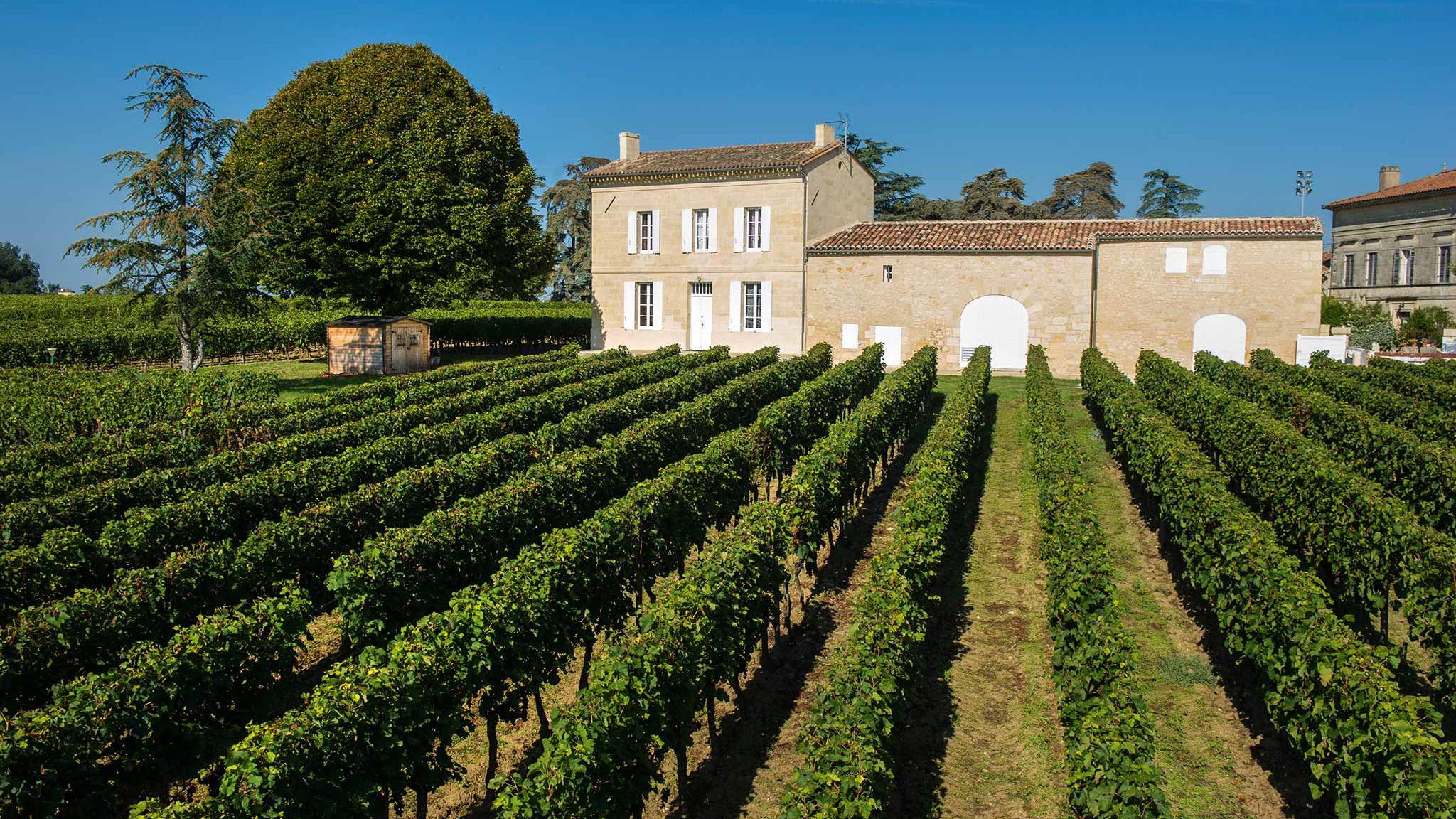
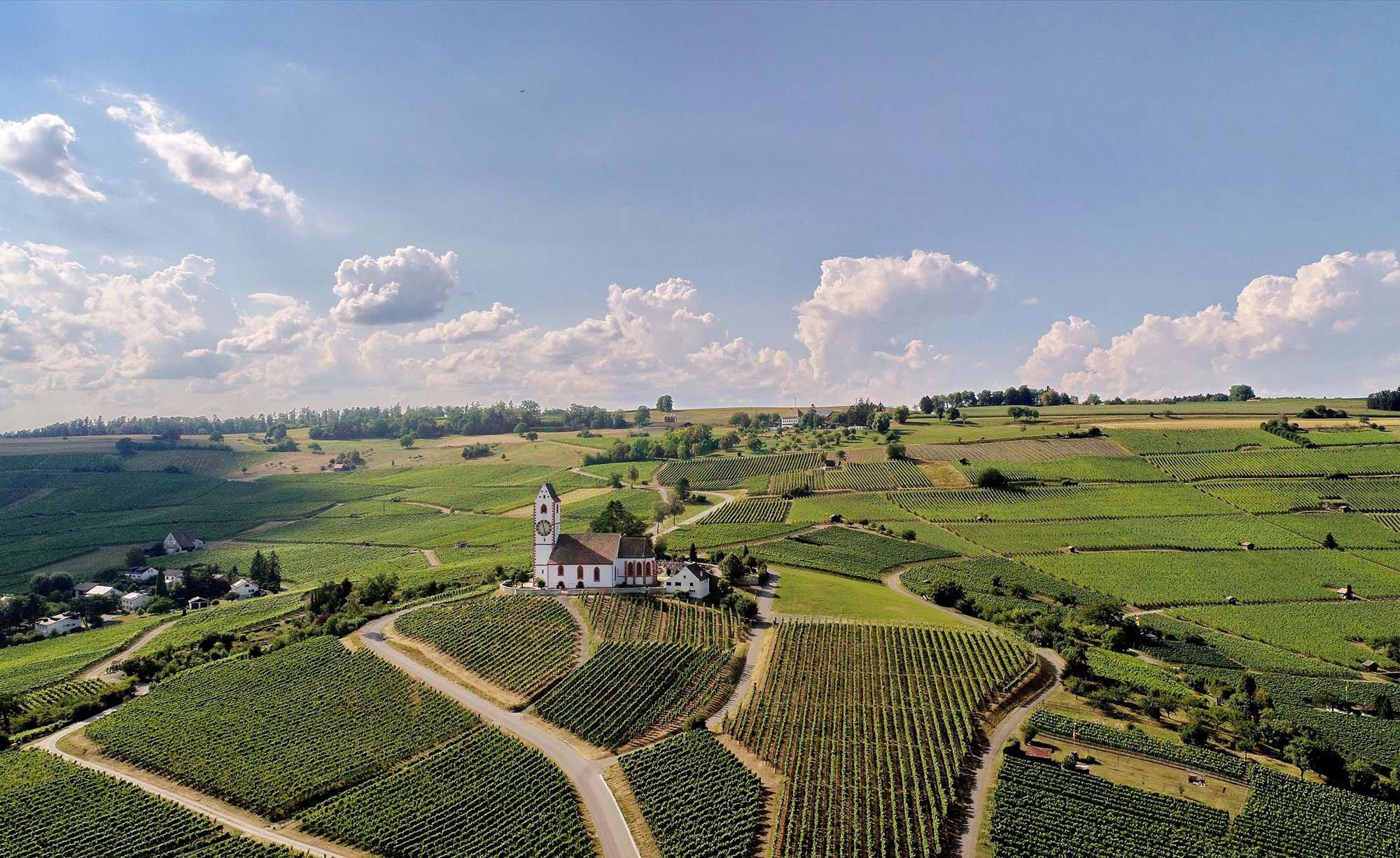
Domaine de Cassiopée sits quietly at the southern tip of the Côte de Beaune, a small presence in a hamlet defined by the mairie, the church and the surrounding vines. The text emphasizes a low-key, classic Burgundy sensibility: growers working Pinot Noir on slopes that make the argument through soil and aspect rather than marketing. The setting feels intimate and unhurried, with morning sun on east- to southeast-facing mid-slopes and a landscape that privileges terroir over tourism. Expect a restrained, contemplative atmosphere where the land and the wines do the talking.
Best For
This domaine is best for people seeking close study of terroir and a quiet tasting experience. The write-up foregrounds soils, aspect and the distinctive Pinot Noir profile of Maranges, which makes the site well suited to wine-education visits and solitary exploration. Visiting here favors those who appreciate reading vineyard position and soil influence in the glass rather than busy, tourist-oriented tasting rooms. It is a fit for curious wine lovers who want to spend time with the wines and the hillside context that shapes them.
Tasting Tips
When exploring wines from Domaine de Cassiopée, focus on the relationship between slope position and style. The copy highlights mid-slope plots and east–southeast aspects that produce Pinot Noir with darker fruit, firmer tannins and mineral lift. Ask about wines from the mid-slope or premier cru sites and about the soils (Bathonian limestone and clay-limestone) that inform the palate. Tasting with attention to structure and mineral character will make the differences between village and higher-placed plots clearer; avoid assuming lighter Burgundy profiles and taste for the appellation’s signatures.
Venue details
Tags
Vibe
Best For
Experience
Sourcing
View
At the Vineyard
- Appellation
- Maranges AOC
- Varietals
- Pinot Noir, Aligoté, Chardonnay
- Visits
- By appointment only
- Farming
- Organic
- Production
- Small producer
- Wine Styles
- Still Red, Still White
- Wine Club
- Not available
Know before you go
Know Before You Go
- Getting there
- 3 Rue de la Mairie, 71150 Sampigny-lès-Maranges
Planning details
Location
3 Rue de la Mairie, 71150 Sampigny-lès-Maranges · Directions
Recognition and awards

Also consider
Where to look if access does not work
If Domaine de Cassiopée is not workable, try Domaine A. & P. de Villaine for a Burgundy visit with more heritage pull, or Domaine Bachelet-Monnot if the trip is built around the Côte de Beaune white-wine conversation.
Winery context
How it compares in the Côte de Beaune set
Domaine Bachelet-Monnot and Domaine Jean-Noël Gagnard are the more natural cross-shops for travellers focused on the classic white-Burgundy conversation. Domaine de Cassiopée is the better choice when the goal is Maranges context and a less obvious village stop, not maximum name recognition.
Domaine Ramonet and Domaine Hubert Lamy carry stronger trophy-address pull, which also means they are less useful as casual backup plans. If access is the main concern, do not build a day around only those names. Domaine de Cassiopée suits a more flexible, research-led itinerary.
Domaine A. & P. de Villaine is the better peer for travellers who want Burgundy heritage as the main draw. Domaine de Cassiopée is the sharper choice for understanding how the southern Côte de Beaune broadens beyond the usual village hierarchy.
Explore Sampigny-lès-Maranges
Around this place
Discover more on Pearl
Unlock the full Domaine de Cassiopée guide in Pearl, including awards, comparisons, FAQs, planning details, and nearby places.
Compare Domaine de Cassiopée
| Venue | Location | Awards |
|---|---|---|
| Domaine de Cassiopée | Sampigny-lès-Maranges | 2026 Falstaff Winery Guide |
| Domaine Bachelet-Monnot | Dezize-lès-Maranges | 2026 Michelin Grape Main Selection - Burgundy2026 Falstaff Winery Guide |
| Domaine A. & P. de Villaine | Bouzeron | 2026 Falstaff Winery Guide |
| Domaine Jean-Noël Gagnard | Puligny-Montrachet | 2025 Pearl 3 Star Prestige |
| Domaine Ramonet | Chassagne-Montrachet | 2026 Falstaff Winery Guide2026 Michelin Grape Main Selection - Burgundy |
| Domaine Hubert Lamy | Saint-Aubin | 2026 Falstaff Winery Guide2026 Michelin 3 Grapes - Burgundy |



How Domaine de Cassiopée compares with similar nearby venues.
FAQ
Frequently Asked Questions
When is the best time to visit Domaine de Cassiopée?
Opening hours or visit schedule are not available. Domaine de Cassiopée is in Sampigny-lès-Maranges and has Pearl 2 Star Prestige recognition for 2025, so confirm timing directly before planning around it.
How long should I plan for a visit to Domaine de Cassiopée?
Visit length is not available. If you plan to go to Domaine de Cassiopée in Sampigny-lès-Maranges, confirm the current format and timing directly with the venue before setting your schedule.
Does Domaine de Cassiopée have a membership programme?
A membership programme, allocation terms, or related benefits are not available. If that matters to your decision, confirm the details directly with Domaine de Cassiopée before making plans.
What other venues can I compare with Domaine de Cassiopée?
Other named venues to research include Domaine Ramonet, Domaine Hubert Lamy, Domaine A. & P. de Villaine, Domaine Bachelet-Monnot, and Domaine Jean-Noël Gagnard. Check each venue's location and access details separately rather than assuming they are in Sampigny-lès-Maranges.