
Château La Tour-Carnet
Saint-Laurent-de-Médoc
Winery in Saint-Laurent-de-Médoc, France
 Book with Pearl
The Read
Northern Médoc Precision
Why go
Château La Tour-Carnet is worth prioritising if the goal is a deeper Médoc château visit rather than a quick tasting stop. Booking difficulty is high, so plan it early and keep nearby Saint-Julien peers such as Château Lagrange, Château Talbot, or Château Gruaud-Larose as backups if dates do not line up.
About Château La Tour-Carnet
Château La Tour-Carnet is listed in Saint-Laurent-de-Médoc and carries Pearl 3 Star Prestige recognition for 2025. The planning note available here is simple: dress smart casual, and avoid assuming additional service details unless you confirm them directly with the venue.
For comparison planning, Château La Tour-Carnet can be considered alongside Château Lagrange, Château Talbot, Château Gruaud-Larose, Château Saint-Pierre, and Château Batailley. Use those names as reference points when shaping a broader itinerary, but confirm all visit details, timing, and services with each venue before relying on them.
A Saint-Laurent-de-Médoc option with limited planning details
For readers, the useful confirmed context is the venue's Saint-Laurent-de-Médoc location, its smart casual dress code, and its Pearl 3 Star Prestige recognition in 2025. If you are planning dining around the area, use the local restaurants guide separately rather than assuming specific services are available here.
Confirmed pricing, hours, visit format, and other operational details are not provided in the available information. The safest approach is to contact the venue directly before building a schedule around it, especially if timing, group size, accessibility, purchases, or special arrangements matter to your plans.
How to decide between this and other comparison venues
Choose Château La Tour-Carnet when you specifically want a Saint-Laurent-de-Médoc stop with Pearl 3 Star Prestige recognition. Choose Château Lagrange, Château Talbot, Château Gruaud-Larose, Château Saint-Pierre, or Château Batailley when one of those venues better fits the rest of your route or confirmed availability.
The practical verdict: treat Château La Tour-Carnet as an option to consider after you have the details that matter for your visit. Keep comparison venues in mind as alternatives, and avoid relying on unconfirmed assumptions about format, timing, pricing, or services.
Planning details
- Location
- Darrous, 33112 Saint-Laurent-Médoc
- Website
- chateau-latourcarnet.fr
- Phone
- +33 5 56 73 30 90
The take
The Take
The Vibe
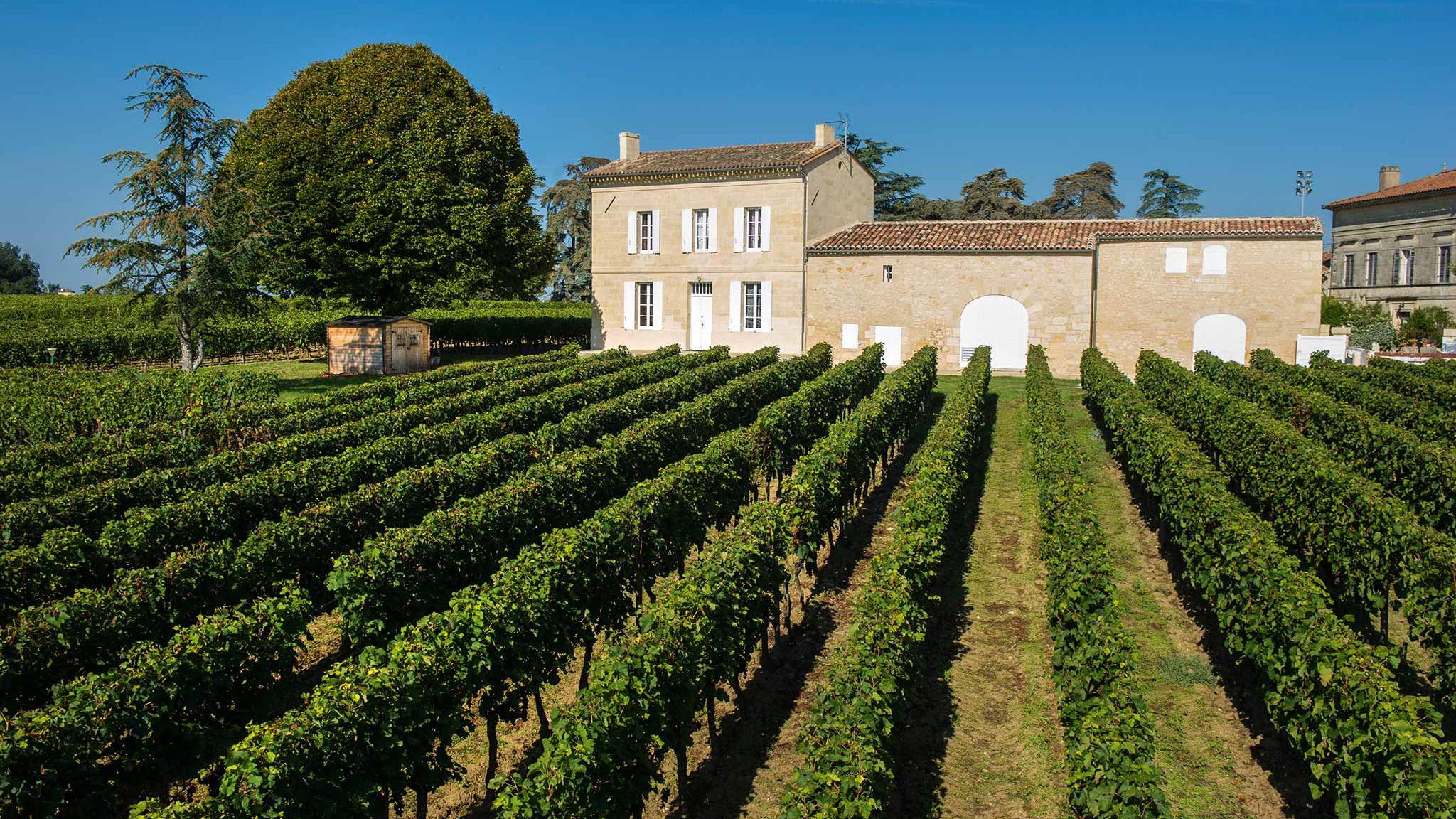
Château La Tour-Carnet reads like a quietly authoritative Médoc estate: historically anchored by its 1855 Fourth Growth status and stylistically shaped by the clay-gravel soils of Saint-Laurent-de-Médoc. The prose emphasizes a restrained, classical elegance rather than flamboyance — wines that are denser and less immediately expressive, rewarding patience and attention. The setting is scenic and slightly removed from Pauillac’s flash, offering a sense of place defined by terroir rather than trend. Visitors encounter a sober, refined character that foregrounds vineyard architecture and long-term potential over instant gratification.
Best For
This château is best for serious tasters and collectors who want to study terroir-driven Médoc expressions and for occasions that merit a classified estate. The writing frames La Tour-Carnet as a property that illustrates how clay and gravel translate into denser, age-worthy wines, making it a strong fit for educational visits focused on soils and vintage variation. It also suits special celebrations where a recognized cru classé brings historical cachet. Casual drop-ins or lively social nights are less in keeping with the estate’s measured profile.
Tasting Tips
Expect wines that reward time and context: the description flags a 'less immediately expressive' profile and water-retentive clay that yields density and aging potential. When selecting bottles, favor classified cuvées and consider older vintages or vertical tastings to appreciate development. At tastings, ask about parcel differences — higher gravel parcels versus lower clay plots — to hear how site affects structure. In short, prioritize bottles showing provenance and cellar age rather than seeking instant, upfront fruit.
Venue details
Ambiance
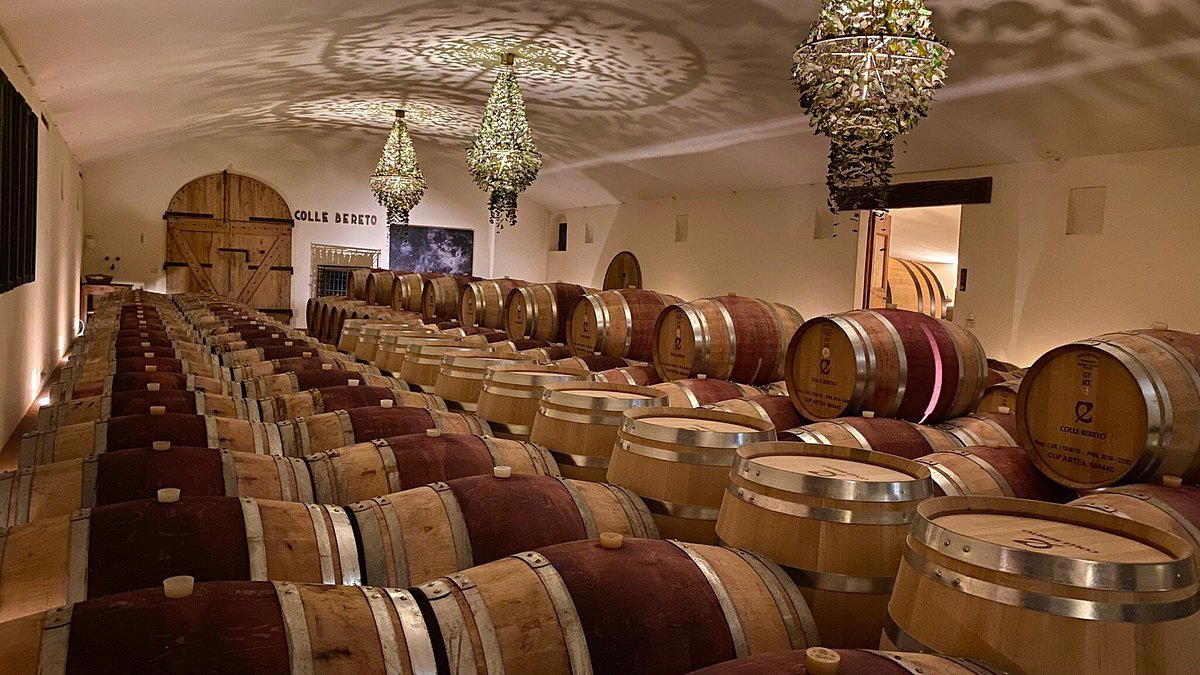
Historic and elegant atmosphere in a renovated medieval fortress blending tradition with modern sophistication.
Tags
Vibe
Best For
Experience
View
At the Vineyard
- Appellation
- Haut-Médoc
- Varietals
- Merlot, Cabernet Sauvignon, Cabernet Franc, Petit Verdot, Sauvignon Blanc
- Visits
- By appointment only
- Production
- Large producer
- Wine Styles
- Still Red, Still White
- Wine Club
- Not available
Know before you go
Know Before You Go
- Getting there
- Darrous, 33112 Saint-Laurent-Médoc
Planning details
Location
Recognition and awards

Also consider
Where to Look If This Is Full
If Château La Tour-Carnet is unavailable, try Château Lagrange or Château Talbot for a nearby Saint-Julien plan with strong name recognition.
For a broader fallback list, add Château Gruaud-Larose, Château Batailley, and Château Saint-Pierre rather than waiting on a single request.
Winery context
How It Compares
Château La Tour-Carnet is the pick for travelers who want the château setting to carry the visit. Château Lagrange, Château Talbot, and Château Gruaud-Larose are better fits if the goal is a tighter Saint-Julien tasting circuit with multiple peer stops in one day.
For value, the deciding factor is not published price but how much structure the visit delivers once confirmed. If the plan needs a safer backup, Château Batailley is useful to keep in the mix. If the priority is a more concentrated Saint-Julien comparison, Château Saint-Pierre belongs ahead of a broader Médoc detour.
Booking difficulty makes Château La Tour-Carnet the one to request first, not last. If ambiance is the priority, start here; if the day is about appellation comparison, build around Lagrange, Talbot, Gruaud-Larose, Saint-Pierre, and Batailley instead.
Explore Saint-Laurent-de-Médoc
Around this place
Discover more on Pearl
Unlock the full Château La Tour-Carnet guide in Pearl, including awards, comparisons, FAQs, planning details, and nearby places.
Compare Château La Tour-Carnet
| Venue | Location | Awards |
|---|---|---|
| Château La Tour-Carnet | Saint-Laurent-de-Médoc | 2026 Falstaff Winery Guide |
| Château Lagrange | Saint-Julien-Beychevelle | 2026 Michelin 1 Grape - Bordeaux2026 Falstaff Winery Guide |
| Château Talbot | Saint-Julien-Beychevelle | 2026 Michelin Grape Main Selection - Bordeaux2026 Falstaff Winery Guide2025 Pearl 4 Star Prestige |
| Château Gruaud-Larose | St-Julien | 2026 Michelin Grape Main Selection - Bordeaux2026 Falstaff Winery Guide2025 Pearl 3 Star Prestige |
| Château Batailley | Pauillac | 2026 Falstaff Winery Guide |
| Château Saint-Pierre | St-Julien | 2026 Michelin Grape Main Selection - Bordeaux2025 Pearl 3 Star Prestige |



How Château La Tour-Carnet compares with similar nearby venues.
FAQ
Frequently Asked Questions
What other venues are useful comparisons for Château La Tour-Carnet?
Château Lagrange, Château Talbot, Château Gruaud-Larose, Château Batailley, and Château Saint-Pierre are the clearest comparison names. Choose Château La Tour-Carnet when a Saint-Laurent-de-Médoc option is the focus, and confirm current details directly before finalizing plans.