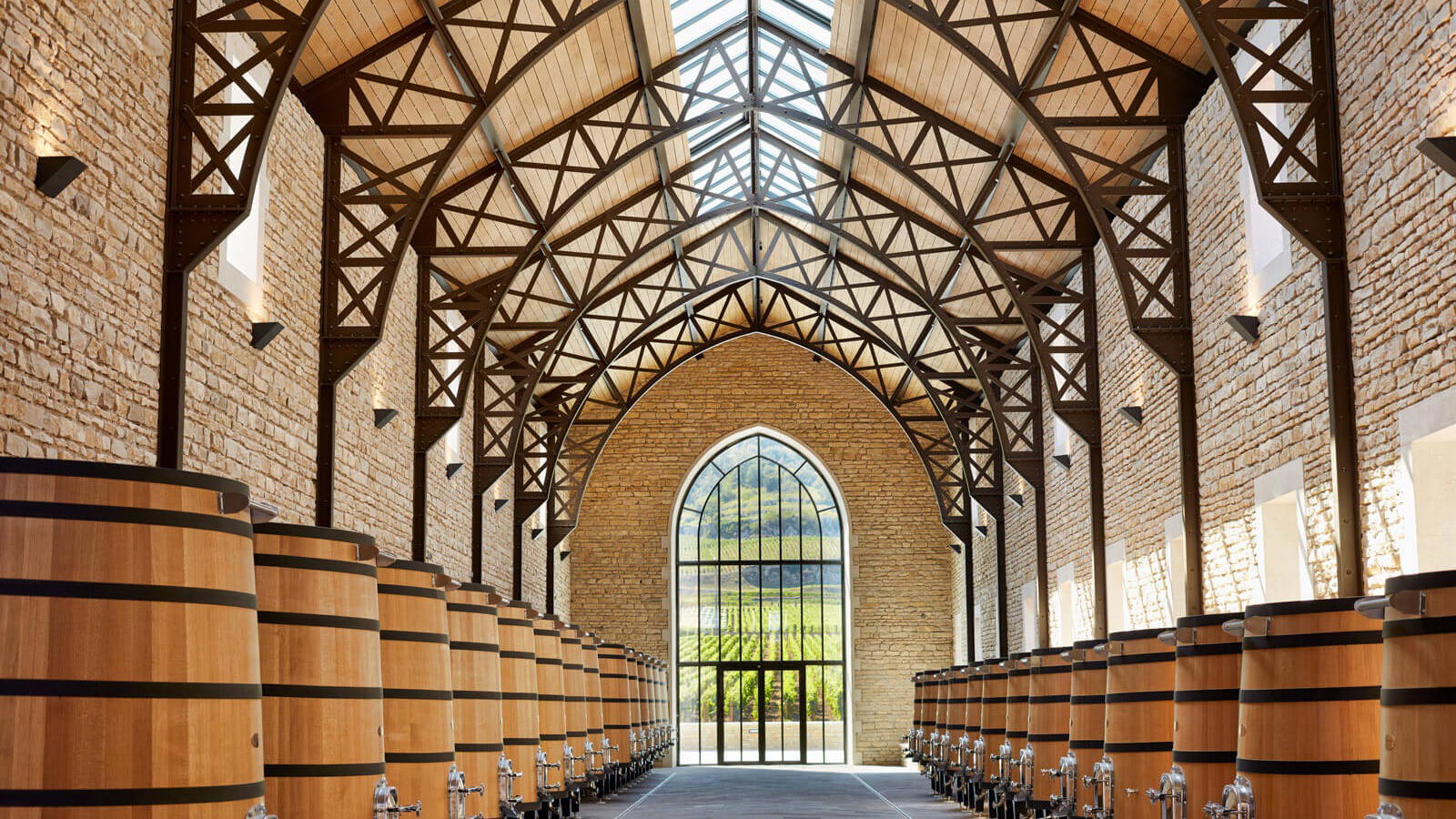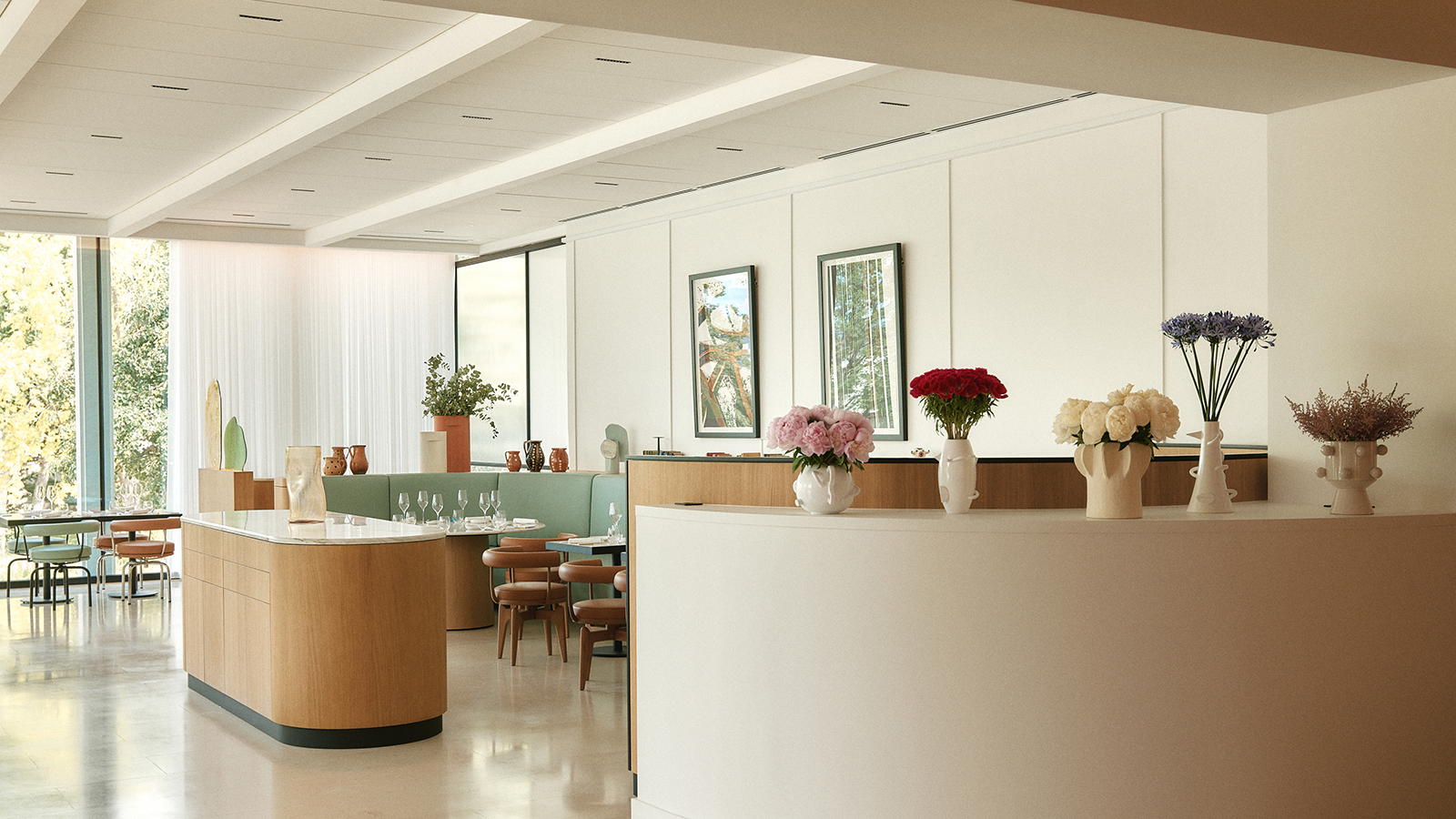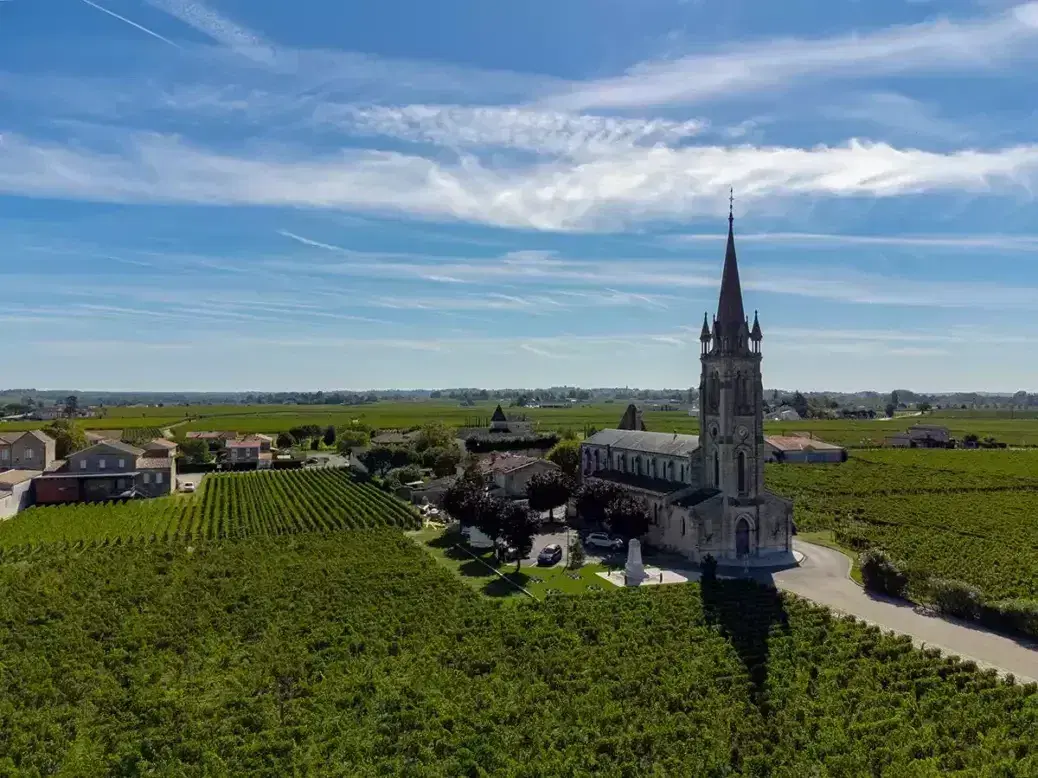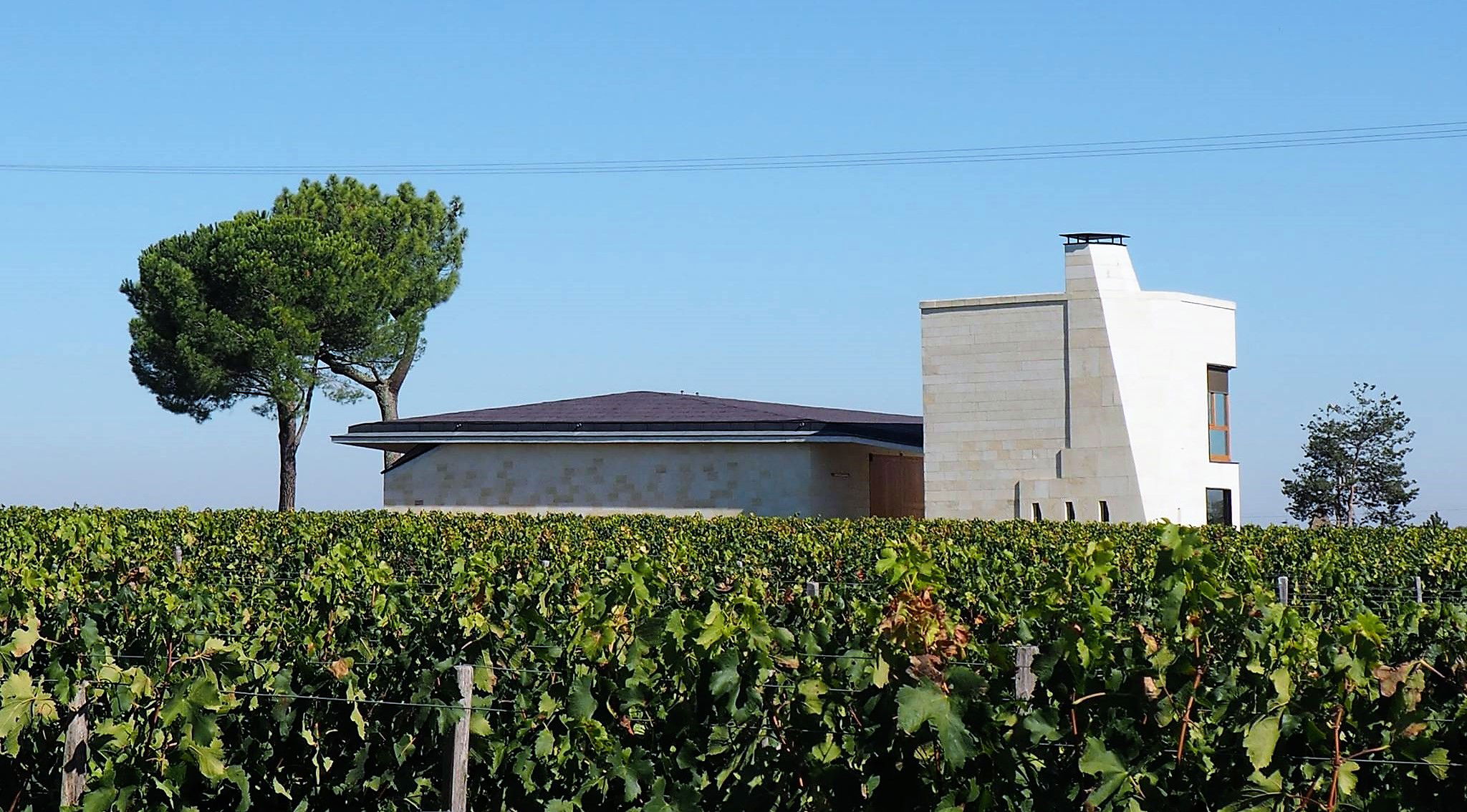

Chateau Le Pin
Pomerol, Saint-Julien-Beychevelle
Winery in Saint-Julien-Beychevelle, France
 Book with Pearl
The Read
Thienpont Restraint Winemaking
Why go
A serious Bordeaux target for wine-focused travelers, not a casual tasting stop or food-pairing destination. Book only if access to the producer matters more than dining, group flexibility, or easy logistics; otherwise, cross-shop the Saint-Julien estates with more conventional visitor appeal.
About Chateau Le Pin
Chateau Le Pin in Saint-Julien-Beychevelle is a Pearl 4 Star Prestige venue for 2025. Practical details about the venue are limited, so planning should stay focused on information provided rather than on assumptions: the venue is associated with Jacques Thienpont, follows a smart casual dress code, and keeps weekday daytime hours. That gives prospective visitors a useful framework, but it does not by itself define the shape of a visit.
Use the listing as a starting point for a carefully planned visit rather than as a promise of a broader hospitality experience. Details for cuisine, menus, tastings, pairings, group formats, pricing, or visitor services are not available, so confirm any specific plan directly before building an itinerary around it. This is especially important if the visit is part of a tightly scheduled day in Saint-Julien-Beychevelle, where even small uncertainties around access, timing, or the availability of services can affect the rest of the plan. The available information is useful but deliberately narrow.
Book around practical details
The clearest planning information is the schedule. Chateau Le Pin is listed as open Monday through Thursday from 9 AM to 5:30 PM, Friday from 9 AM to 12 PM, and closed Saturday and Sunday. Smart casual dress is listed. Those hours point toward a weekday daytime visit, with Friday offering a shorter window and the weekend unavailable. Anyone coordinating travel, meetings, or other reservations should therefore build in enough margin to account for the limited opening pattern, rather than assuming flexibility outside the stated schedule.
Because food or menu information is not available, do not assume lunch, dining, or pairing service. If meals are part of the day, plan them separately in Saint-Julien-Beychevelle or through other local dining options. The same cautious approach applies to any expectation of tastings, special formats, private arrangements, or visitor services: none of those are offered. Smart casual dress gives a general standard for appearance, but it should not be read as evidence of a particular style of hospitality, formality, or service beyond the dress expectation itself.
How to think about Saint-Julien-Beychevelle comparisons
For comparison while planning, consider Château Léoville Barton, Château Langoa-Barton, Chateau Leoville Las Cases, Château Leoville Poyferre, and Château Ducru-Beaucaillou alongside Chateau Le Pin. Keep the comparison practical: look at hours, access, dress expectations, and the type of visit each venue offers. The value of comparing these options is not to assume that one offers the same format as another, but to distinguish what is offered from what may simply be expected because the venues sit within the same broader destination. A clear comparison can help identify which places fit the day's timing, logistics, and level of certainty.
The practical call is to verify details before committing, especially for parties with specific timing, dining, accessibility, or group needs. For broader planning, use Saint-Julien-Beychevelle resources for restaurants, hotels, bars, and experiences as needed, while treating Chateau Le Pin's details as limited to the information above. In other words, let the listing guide the basics, then confirm everything that would materially affect the visit. That approach keeps expectations aligned with the available facts and helps avoid building a day around services, formats, or amenities that are not offered.
Planning details
- Location
- Chateau Léoville Barton et Chateau Langoa Barton, Chateau Langoa Barton, 33250 Saint-Julien-Beychevelle, France
- Website
- lepin-defontenil.fr
The take
The Take
The Vibe
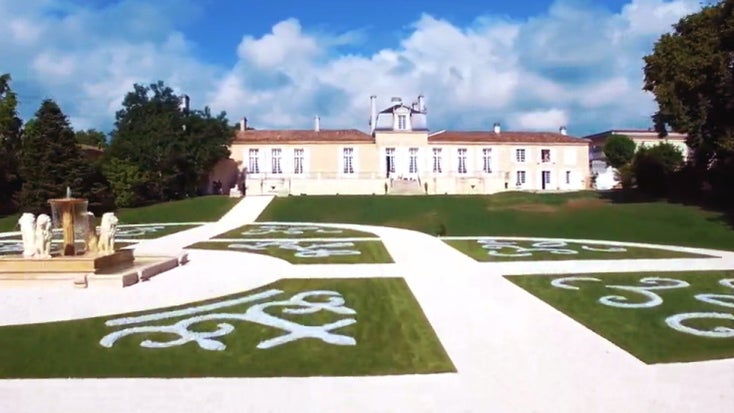
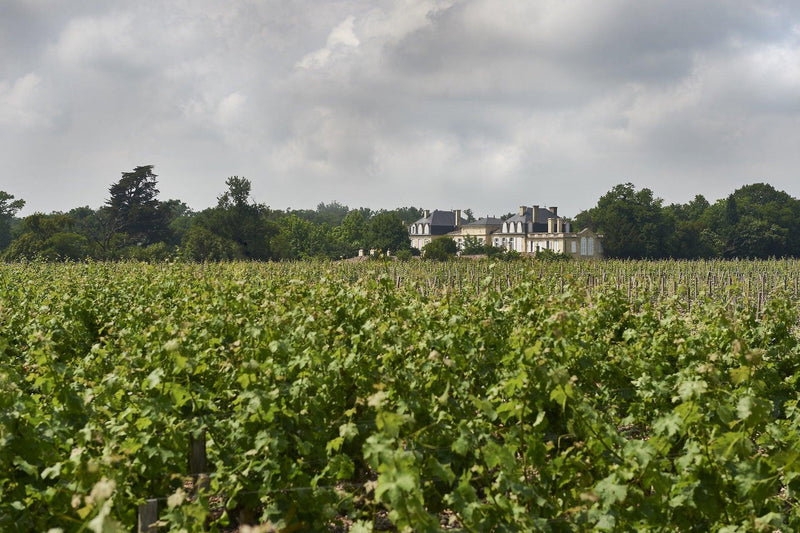
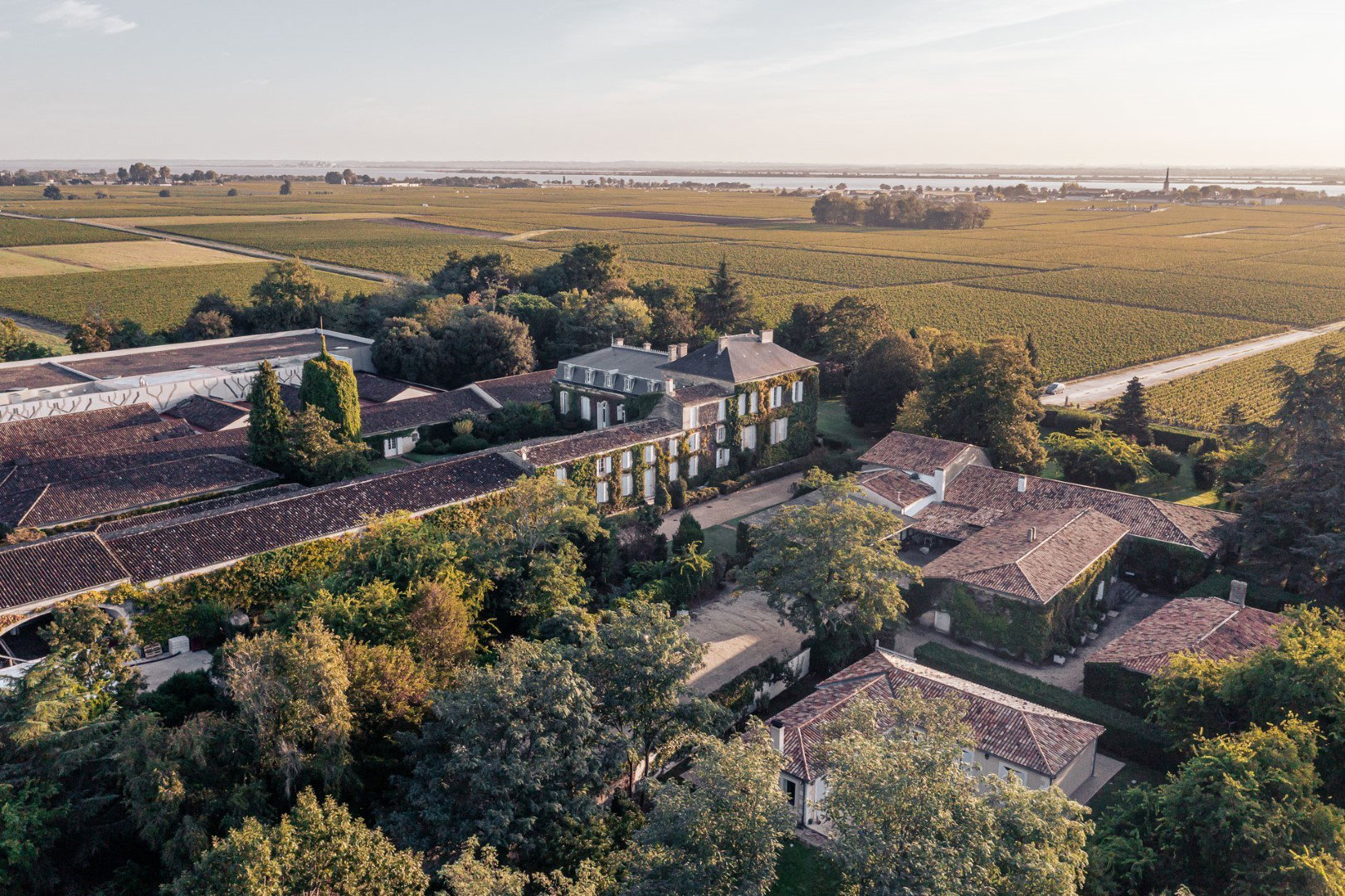
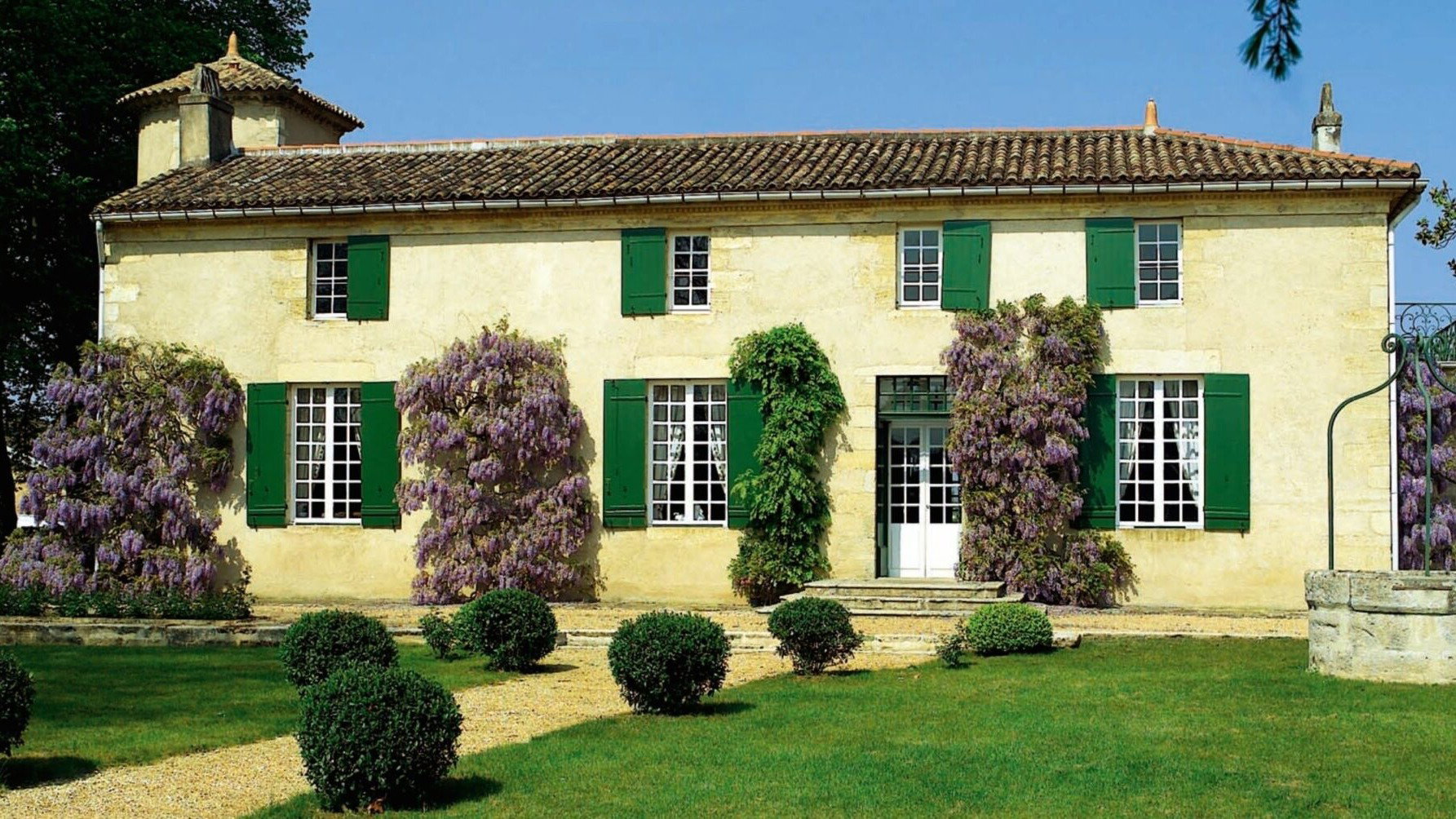
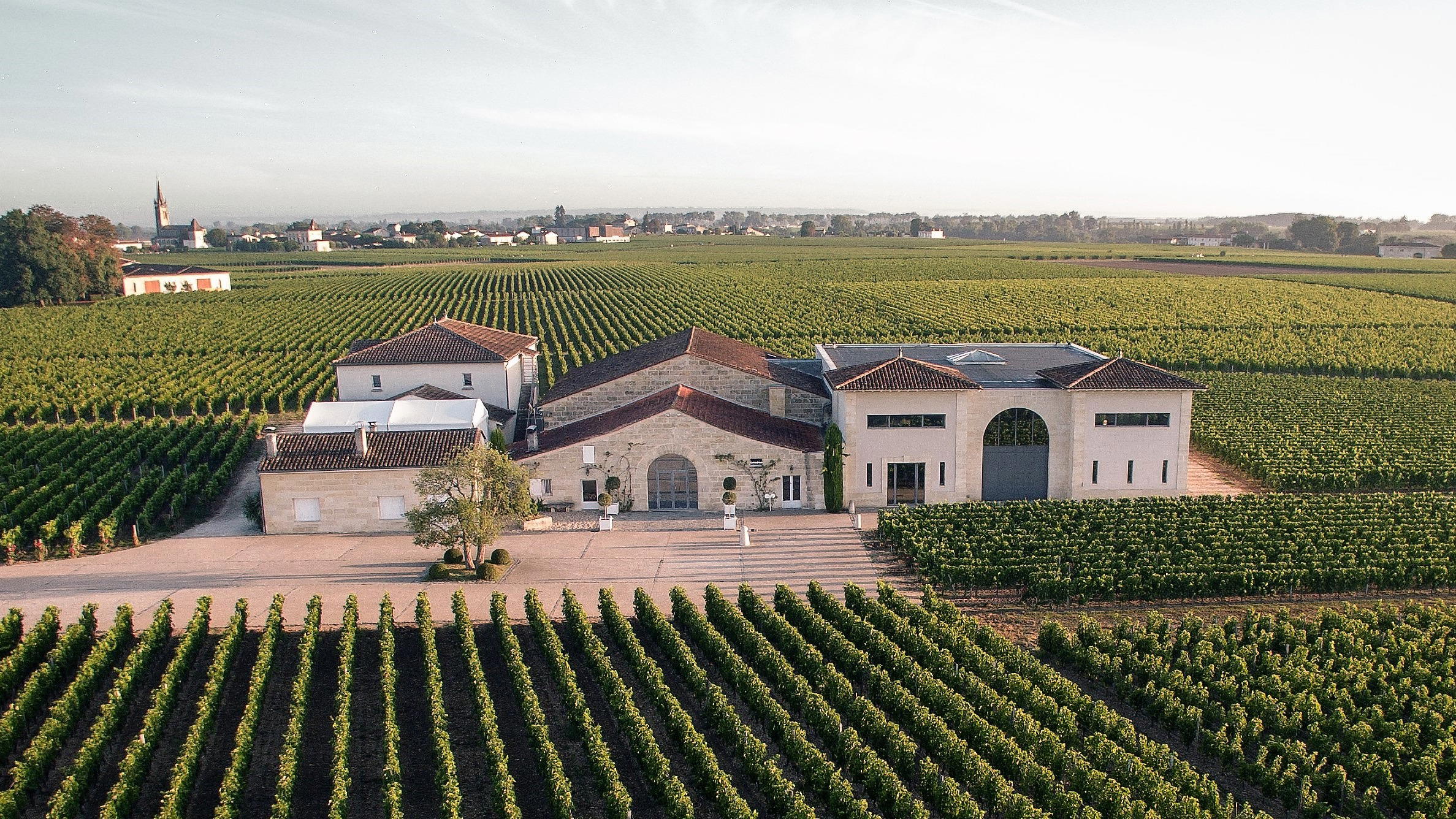
Chateau Le Pin reads as an intensely focused, invitation-only estate where scarcity is the defining characteristic. The narrative emphasizes concentrated, precise Pomerol winemaking under Jacques Thienpont and positions the domaine within a collector-driven market rather than a mass-visitor circuit. That combination produces an elegant, sophisticated and intimate aura: the wines themselves and the allocation behind them shape the visitor experience more than a fixed hospitality programme. The estate feels iconic not because of grand tours but because its rarity and critical standing have made it a benchmark for connoisseurs and collectors.
Best For
Le Pin is best suited to serious wine collectors, connoisseurs and visitors seeking an education in Pomerol’s small-batch, high-precision style. It works as a special-occasion stop for those who value rarity and provenance, and for people who want to contextualize Bordeaux’s Right Bank outside the 1855 classification system. Because hospitality is managed by invitation and allocation underpins access, the estate attracts guests focused on tasting and understanding the wine’s place in secondary markets and critical consensus rather than casual sightseeing.
Tasting Tips
Approach visits as appointment-driven engagements: hospitality at Le Pin 'follows invitation rather than schedule,' so plan well in advance and expect access to be controlled by allocation and estate policy. Do not assume standard cellar tours or walk-in tastings that are common at larger classified properties; instead, coordinate through official channels or your wine merchant. Come prepared to discuss vintages and provenance—this is an estate where the wine, its scarcity and its market positioning are the core of the experience, not a set public programme.
Venue details
Ambiance
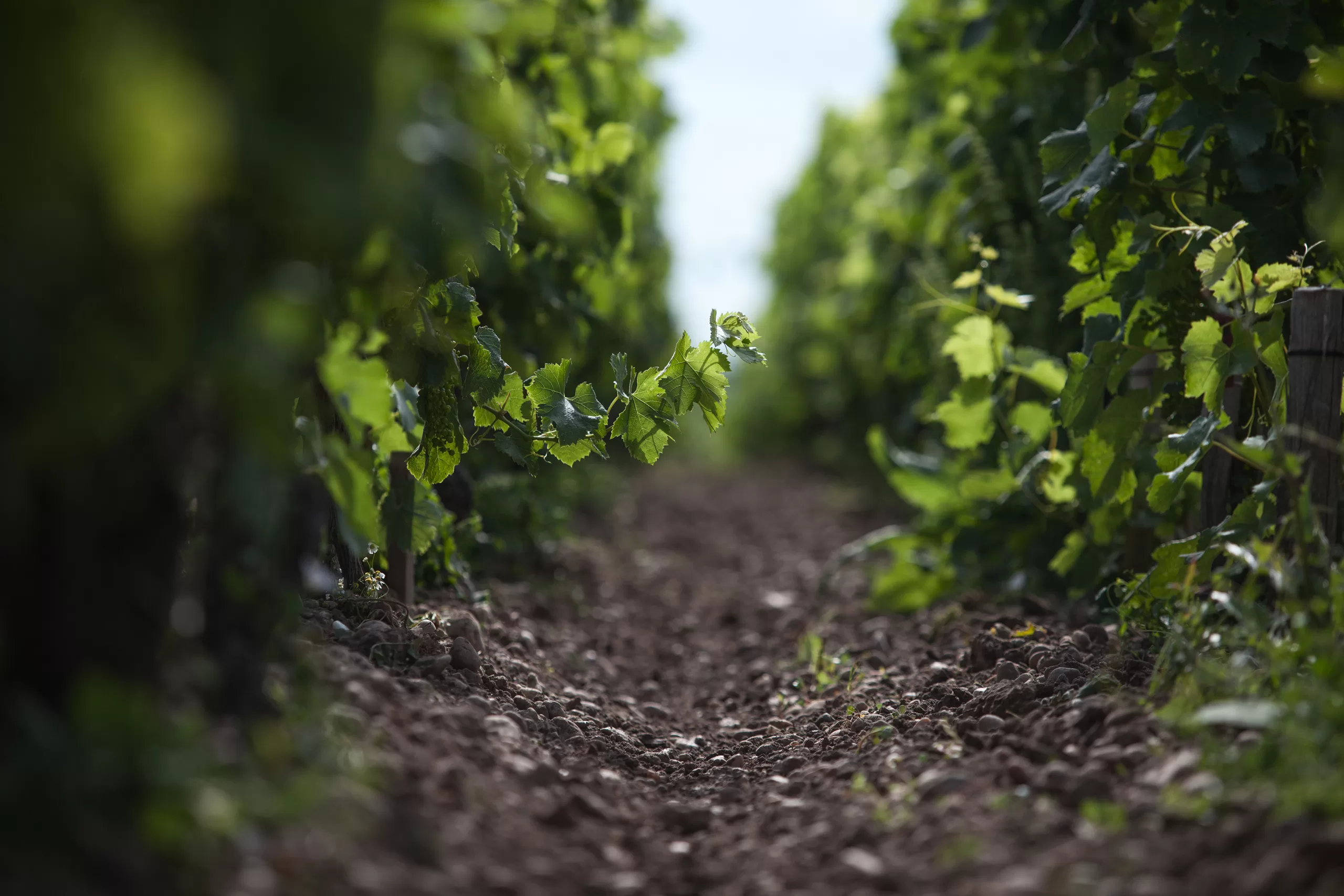
Sensuous and opulent with lush, ripe fruit aromas of kirsch, black cherry, plum, and exotic notes in an understated, intimate winery setting.
Tags
Vibe
Best For
Experience
View
At the Vineyard
- Appellation
- Pomerol AOC
- Varietals
- Merlot
- Wine Club
- Available
Know before you go
Know Before You Go
- Getting there
- Chateau Léoville Barton et Chateau Langoa Barton, Chateau Langoa Barton, 33250 Saint-Julien-Beychevelle, France
Planning details
Location
Chateau Léoville Barton et Chateau Langoa Barton, Chateau Langoa Barton, 33250 Saint-Julien-Beychevelle, France · Directions
Recognition and awards
Also consider
Where to Look If This Is Too Hard to Book
Start with Château Léoville Barton if the priority is a grounded Saint-Julien visit with strong regional context. Choose Château Langoa-Barton for a nearby alternative that fits better into a broader day of tastings.
Winery context
How It Compares
Choose Chateau Le Pin for scarcity and collector interest, not for ease. Château Léoville Barton and Château Langoa-Barton are more natural fits for travelers building a Saint-Julien day around classic estate visits and a calmer itinerary.
If the goal is prestige within a more familiar Médoc frame, Chateau Leoville Las Cases, Château Leoville Poyferre, and Château Ducru-Beaucaillou are stronger cross-shops. They suit visitors who want the château setting to do more of the work, while Chateau Le Pin is mainly for the wine-first traveler willing to deal with a tougher booking.
Value is not the main argument here. The better question is whether the group will appreciate a high-effort wine appointment with little emphasis on food or hospitality extras. For mixed groups, Château Léoville Barton or Château Langoa-Barton is the more practical call.
Explore Saint-Julien-Beychevelle
Around this place
Discover more on Pearl
Unlock the full Chateau Le Pin guide in Pearl, including awards, comparisons, FAQs, planning details, and nearby places.
Compare Chateau Le Pin
| Venue | Location | Awards |
|---|---|---|
| Chateau Le Pin | Saint-Julien-Beychevelle | 2025 Pearl 4 Star Prestige |
| Château Léoville Barton | Saint-Julien-Beychevelle | 2026 Michelin 1 Grape - Bordeaux2026 Falstaff Winery Guide2025 Pearl 4 Star Prestige |
| Château Langoa-Barton | Saint-Julien-Beychevelle | 2026 Michelin 1 Grape - Bordeaux2026 Falstaff Winery Guide |
| Chateau Leoville Las Cases | Bordeaux | 2026 Falstaff Winery Guide2026 Michelin 3 Grapes - Bordeaux2025 Pearl 4 Star Prestige |
| Château Leoville Poyferre | St-Julien | No published awards |
| Château Ducru-Beaucaillou | Pauillac | 2026 Falstaff Winery Guide2025 Pearl 4 Star Prestige |


How Chateau Le Pin Saint-Julien-Beychevelle compares with similar nearby venues.
FAQ
Frequently Asked Questions
Can Chateau Le Pin handle large groups?
Group-format details are not available. If you are planning for a larger party, confirm directly with Chateau Le Pin before making it the anchor of the day. Château Léoville Barton and Château Langoa-Barton can also be used as comparison points when planning nearby options.
Are club membership details available for Chateau Le Pin?
Club membership details are not available, so we cannot describe a club-led experience. For serious planning, compare details with Chateau Leoville Las Cases and check Chateau Le Pin directly for current information.
How long should I plan for a visit to Chateau Le Pin?
Visit length is not available. The schedule is Monday through Thursday from 9 AM to 5:30 PM, Friday from 9 AM to 12 PM, and closed Saturday and Sunday. If you are building a Saint-Julien-Beychevelle route, Château Ducru-Beaucaillou and Château Leoville Poyferre are useful comparison points.
Does Chateau Le Pin serve food?
Food-service, cuisine, or menu details are not available. Treat any dining plans separately unless Chateau Le Pin confirms otherwise through its official channels.
Is a flagship wine listed for Chateau Le Pin?
A named flagship wine is not listed. Key details include Chateau Le Pin in Saint-Julien-Beychevelle, Jacques Thienpont, smart casual dress, weekday daytime hours, and Pearl 4 Star Prestige recognition for 2025.
When is the best time to visit Chateau Le Pin?
Plan only within the stated hours: Monday to Thursday from 9 AM to 5:30 PM and Friday from 9 AM to 12 PM. Chateau Le Pin is listed as closed Saturday and Sunday.
What other venues are near Chateau Le Pin?
For planning comparisons, consider Château Léoville Barton, Château Langoa-Barton, Chateau Leoville Las Cases, Château Leoville Poyferre, and Château Ducru-Beaucaillou alongside Chateau Le Pin.