

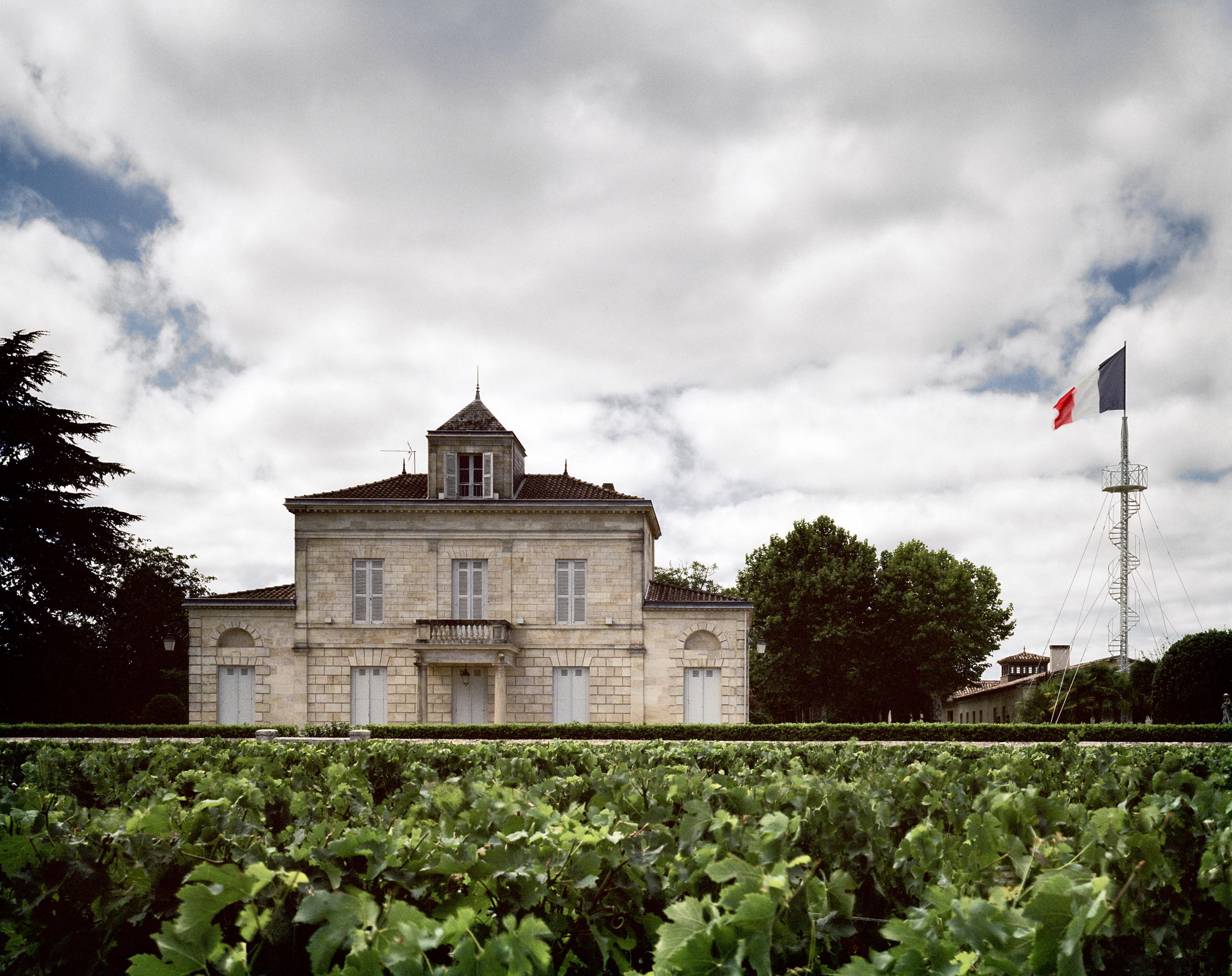



Château Montrose
Saint-Estèphe
Winery in Saint-Estèphe, France
 Book with Pearl
The Read
Médoc Classified Precision
Why go
Château Montrose is a wine estate in Saint-Estèphe, Bordeaux.
About Château Montrose
Should you visit Château Montrose in Saint-Estèphe? Yes, if your trip is centered on understanding this venue in its local context rather than simply filling an empty slot in the day. The essentials are limited, so plan with care and keep the decision grounded in what is actually established: Château Montrose is in Saint-Estèphe, Hervé Berland is the chef/owner, the dress code is smart casual, and Pearl recognizes it as 5 Star Prestige (2025). Those details are enough to make it a notable point of interest for a Saint-Estèphe-focused itinerary, but not enough to assume the shape of the visit.
Because no public details are provided here for format, price, hours, service style, menu, access, or group capacity, do not build an itinerary around assumptions. This is the kind of stop that rewards confirmation before commitment, especially if the rest of the day depends on timing, transportation, or other appointments. Treat Château Montrose as a notable Saint-Estèphe stop to confirm directly before finalizing the rest of the day, and keep expectations tied to the confirmed essentials rather than to an imagined experience.
Consider this for serious Saint-Estèphe context, not an assumed visit format
The right guest is someone building a Saint-Estèphe itinerary around Château Montrose specifically, rather than someone hoping for a casual, last-minute stop. In that context, the value is not a promise of any particular format, but the way the venue can help frame a more deliberate look at Saint-Estèphe. The smart casual dress code gives useful planning context, and the Pearl 5 Star Prestige (2025) recognition makes it a notable name to consider when deciding which places deserve advance attention.
Because no format or price is listed here, the decision should not be based on a promise of any particular experience or access. Avoid assuming that the visit will include any specific structure, level of hospitality, or behind-the-scenes element unless those details are confirmed directly. Judge it instead on the confirmed facts: the Saint-Estèphe location, Hervé Berland as chef/owner, smart casual dress, and Pearl 5 Star Prestige (2025) recognition. If the trip needs guaranteed structure, confirm details directly before committing the day, and be prepared to adjust the surrounding plan if the available arrangements do not match your expectations.
Where it fits in a tight Saint-Estèphe itinerary
Château Montrose is best treated as a plan-ahead Saint-Estèphe anchor. That means giving it priority in the planning process, then arranging the rest of the day around the confirmed practical details once you have them. Château Calon Ségur, Château Cos d'Estournel, Château Haut-Marbuzet, and Château Lafon-Rochet are natural comparison points for visitors shaping a Saint-Estèphe-focused day, while Chateau Lafite Rothschild can be considered separately as another comparison name. For meals and stays, use Our full Saint-Estèphe restaurants guide and Our full Saint-Estèphe hotels guide.
That caution matters on a tight itinerary: without confirmed times or format, even a well-intentioned schedule can become too rigid. If Château Montrose is the priority, confirm the practical details directly, then compare the remaining time with other Saint-Estèphe options generically or with named peers such as Château Calon Ségur, Château Cos d'Estournel, Château Haut-Marbuzet, and Château Lafon-Rochet. The strongest plan is the one that treats confirmed information as the foundation and leaves room for the rest of Saint-Estèphe to be organized around it.
Planning details
- Location
- 3 Grand Vignolles, 33180 Saint-Estèphe
- Website
- chateau-montrose.com
- Phone
- +33 5 56 59 30 12
The take
The Take
The Vibe
Château Montrose reads like a classic left-bank estate shaped by water and time. Founded in 1829, the property carries its history in the contours of the vineyards, where gravel-over-clay parcels and the nearby Gironde estuary define both landscape and wine. Mornings here are described as still and contemplative, and the writing emphasizes how the river’s thermal mass moderates the vintage, lending the site a calm, scenic character. The tone is quietly authoritative—this is an estate where geology, climate and tradition converge, and where the setting itself explains as much about the wine as any tasting note.
Best For
Montrose is best approached by those who want to understand wine in the context of place. The description centers on terroir, riparian influence and age-worthiness, so it suits visitors seeking technical insight into left-bank viticulture and those interested in serious tasting—students of soil, climate and structure. The estate’s long history and river-facing parcels also make it appealing to readers and collectors who prize lineage and longevity in bottles rather than casual, walk-up tastings.
Tasting Tips
When engaging with Montrose—either on-site or through a merchant—focus questions on vintage variation and the estate’s soil composition. The copy highlights gravel-over-clay subsoils and the Gironde’s moderating effect, so asking about how particular years expressed tannin and ripeness will be productive. Given the emphasis on age-worthiness, request older vintages or library bottles if available, and discuss cellar technique and the winemaker’s approach to extraction and maturation to better understand the house’s stylistic evolution.
Venue details
Ambiance
Historic and refined, with a focus on serious winemaking; the estate features temperature-controlled stainless steel vats and barrel halls with geothermal energy management, creating a professional and meticulous atmosphere.
Tags
Vibe
Best For
Experience
Sourcing
View
At the Vineyard
- Appellation
- Saint-Estèphe AOC
- Varietals
- Cabernet Sauvignon, Merlot, Cabernet Franc, Petit Verdot
- Visits
- By appointment only
- Farming
- Organic
- Wine Styles
- Still Red
- Shipping
- Available
- Wine Club
- Available
Know before you go
Know Before You Go
- Getting there
- 3 Grand Vignolles, 33180 Saint-Estèphe
Planning details
Location
Recognition and awards

Also consider
If you cannot get in
Try Château Cos d'Estournel or Château Calon Ségur if the goal is another high-profile Saint-Estèphe estate. For a more flexible backup within the commune, look at Château Haut-Marbuzet or Château Lafon-Rochet.
Winery context
How Château Montrose compares in Saint-Estèphe
Choose Château Montrose when the priority is depth and historic Saint-Estèphe context. Against Château Haut-Marbuzet and Château Lafon-Rochet, it reads as the more formal, plan-ahead choice rather than the flexible stop to add late in the day. For value, the smarter move is to compare appointment access and tasting structure before assuming the higher-profile estate is the better fit.
Château Cos d'Estournel is the closest peer for travellers who want a major Saint-Estèphe name with a strong sense of place, while Château Calon Ségur works well as a second serious appointment in the same commune. If the itinerary includes an out-of-metro prestige stop, Chateau Lafite Rothschild shifts the day toward broader Médoc collecting culture rather than a tight Saint-Estèphe study.
For booking practicality, do not build a same-day plan around this estate without backups. If access is the constraint, cross-shop Château Haut-Marbuzet or Château Lafon-Rochet first; if the goal is a high-profile comparison, keep Château Cos d'Estournel and Château Calon Ségur in the frame.
Explore Saint-Estèphe
Around this place
Discover more on Pearl
Unlock the full Château Montrose guide in Pearl, including awards, comparisons, FAQs, planning details, and nearby places.
Compare Château Montrose
| Venue | Location | Awards |
|---|---|---|
| Château Montrose | Saint-Estèphe | 2026 Michelin 3 Grapes - Bordeaux2026 Falstaff Winery Guide2025 Pearl 5 Star Prestige |
| Château Haut-Marbuzet | Saint-Estèphe | 2026 Falstaff Winery Guide2026 Michelin 1 Grape - Bordeaux |
| Château Cos d'Estournel | Saint-Estèphe | No published awards |
| Chateau Lafite Rothschild | Pauillac | 2026 Michelin 3 Grapes - Bordeaux2026 Falstaff Winery Guide2025 Pearl 5 Star Prestige |
| Château Calon Ségur | Saint-Estèphe | 2026 Michelin 1 Grape - Bordeaux2025 Pearl 4 Star Prestige |
| Château Lafon-Rochet | Saint-Estèphe | 2026 Michelin Grape Main Selection - Bordeaux2026 Falstaff Winery Guide |


How Château Montrose Saint-Estèphe Guide: Worth It? compares with similar nearby venues.
FAQ
Frequently Asked Questions
What other venues should I compare with Château Montrose?
Château Calon Ségur, Château Cos d'Estournel, Château Haut-Marbuzet, Château Lafon-Rochet, and Chateau Lafite Rothschild are the main comparison names here. For a tight Saint-Estèphe plan, compare Château Montrose with other Saint-Estèphe venues such as Château Calon Ségur, Château Cos d'Estournel, Château Haut-Marbuzet, and Château Lafon-Rochet.
Can Château Montrose handle large groups?
What logistics should I confirm before planning around Château Montrose?
Is there a membership program at Château Montrose?
Membership details are not here. If those details matter to your trip, ask Château Montrose directly before making a decision.
Do I need a reservation at Château Montrose?
What should I know about Château Montrose before comparing it with other venues?
Specific menu, price, hours, and format details are not here. For venue-specific questions, confirm directly with Château Montrose and compare the visit with other Saint-Estèphe names such as Château Calon Ségur or Château Cos d'Estournel if helpful.