
Château La Conseillante
Pomerol, Saint-Émilion
Winery in Saint-Émilion, France
 Book with Pearl
The Read
Right Bank Plateau Precision
Why go
Château La Conseillante is worth prioritizing for a serious Pomerol-focused wine trip, especially for collectors, celebration travel, or a business-hosted itinerary. Access is the main constraint, so plan well ahead and keep backup wineries ready if timing is fixed.
About Château La Conseillante
Château La Conseillante is a Saint-Emilion venue with Pearl 4 Star Prestige recognition for 2025. Marielle Cazaux is the chef/owner, the dress code is smart casual.
Why this Saint-Emilion venue makes sense for a serious trip
A strong reason to put Château La Conseillante on a Saint-Emilion itinerary is its Pearl 4 Star Prestige recognition for 2025. Before building a day around the stop, check current visit formats, group capacity, food service, pricing, hours directly with the venue.
For planning, keep the approach simple: confirm details directly with the venue before committing the rest of the day. The practical verdict is to consider Château La Conseillante as a prestige stop in Saint-Emilion, while leaving enough flexibility for other nearby plans if availability or logistics do not work.
How to build the rest of the Saint-Emilion plan around it
Use Château La Conseillante as one anchor in a broader Saint-Emilion plan rather than relying on assumptions. Pair research with Our full Saint-Emilion wineries guide, then keep meals and hotels simple with Our full Saint-Emilion restaurants guide and Our full Saint-Emilion hotels guide. For after-hours planning, use Our full Saint-Emilion bars guide and Our full Saint-Emilion experiences guide.
If the wider trip is built around comparisons, the relevant named options to consider are Chateau Beauregard, Chateau Petrus, Château L'Évangile, Château La Conseillante, Château La Fleur Petrus, Vieux Château Certan. Other Saint-Emilion plans can be researched generically around your schedule, availability, preferred pace.
Planning details
- Location
- SC des Héritiers NIcolas, 130 Rue de Catusseau, 33500 Pomerol
- Website
- la-conseillante.com
- Phone
- +33557511532
The take
The Take
The Vibe
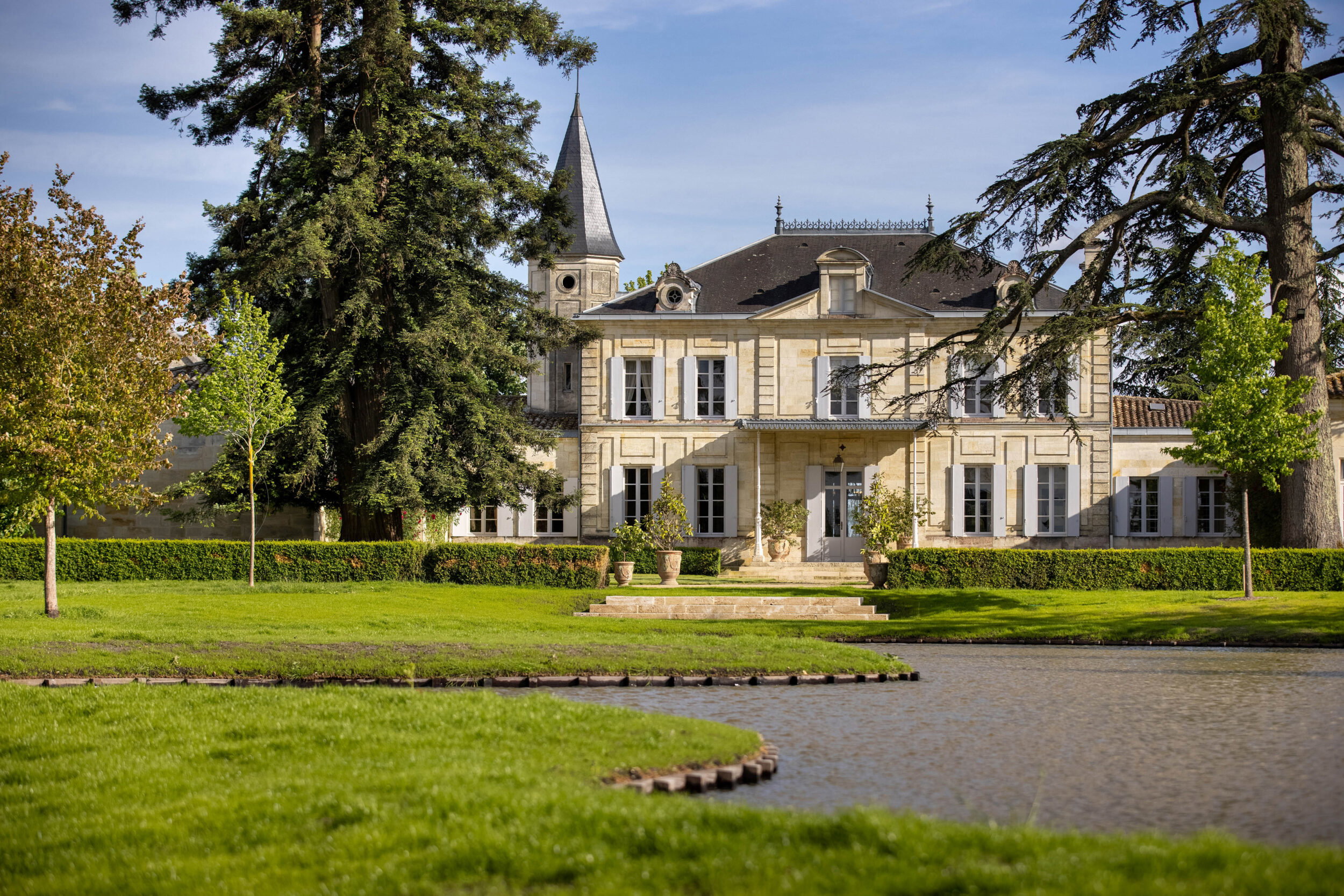
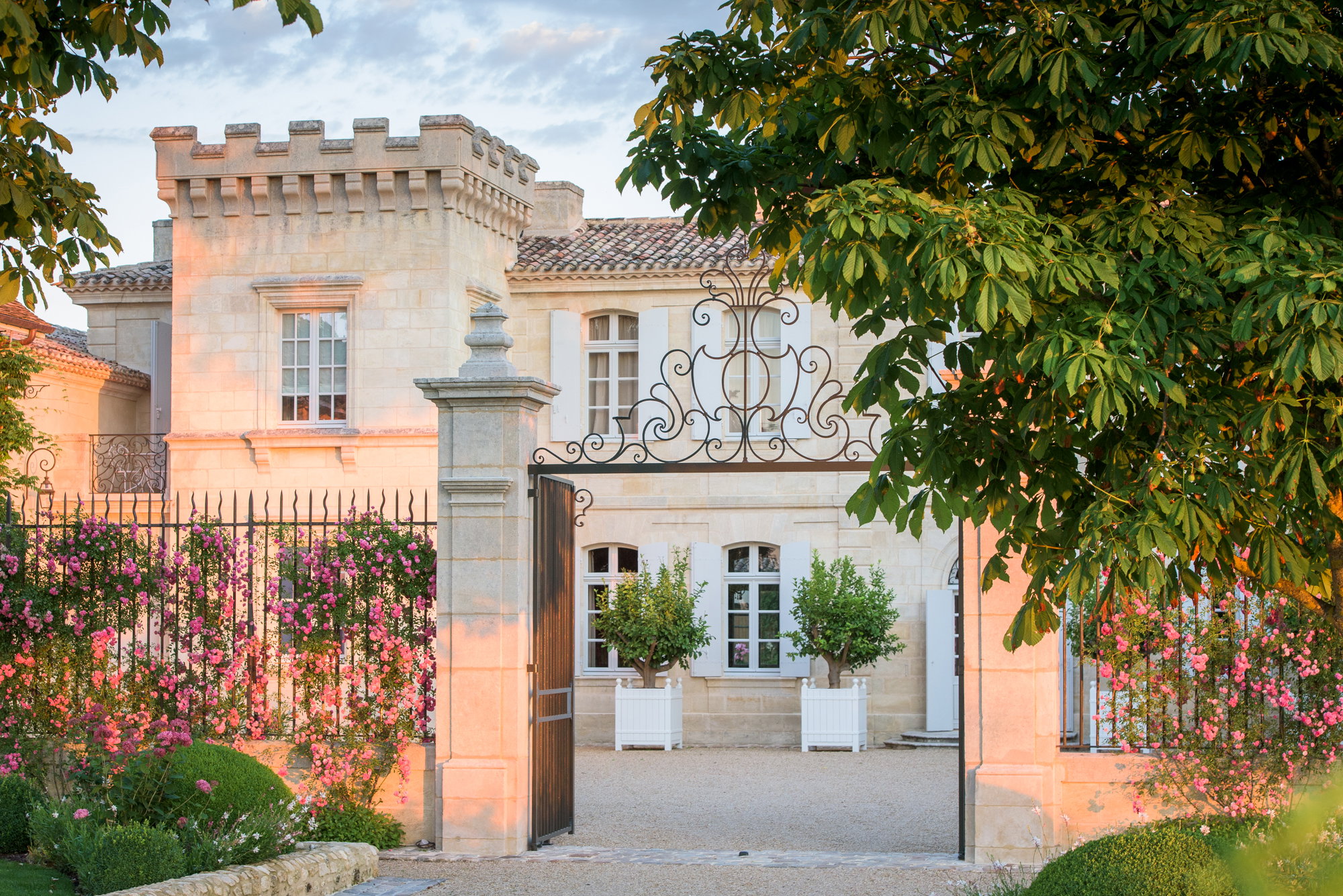
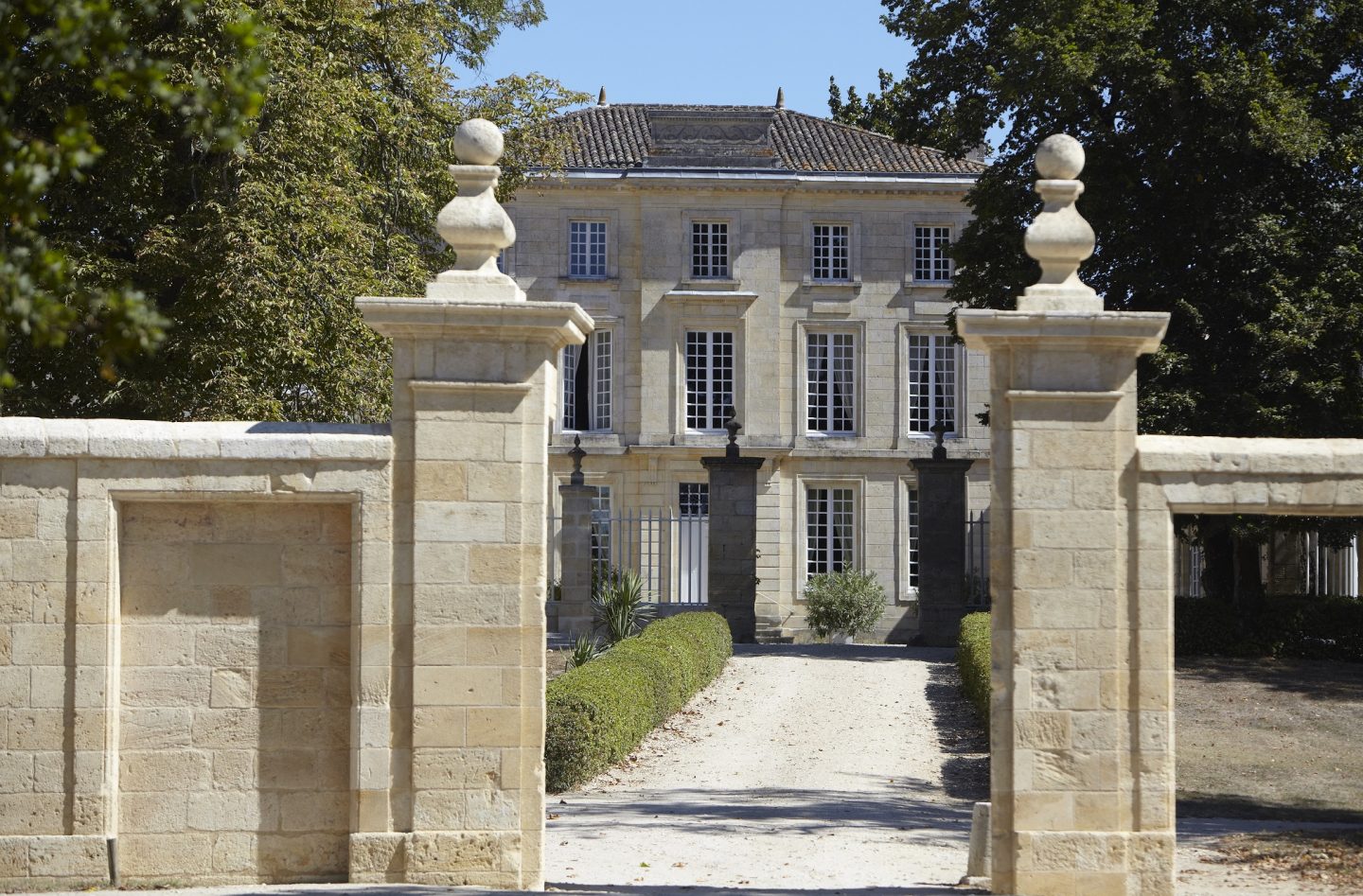
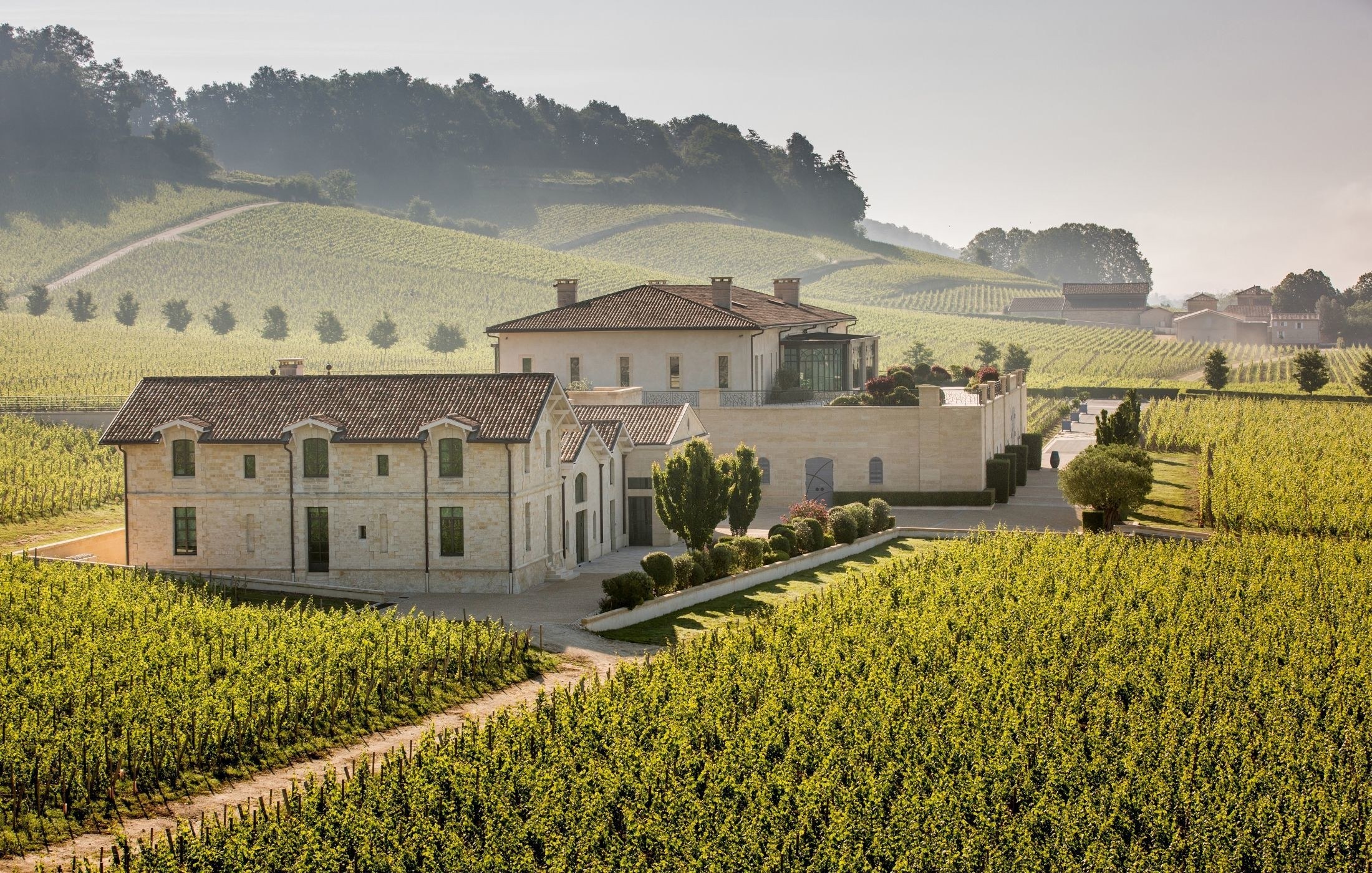
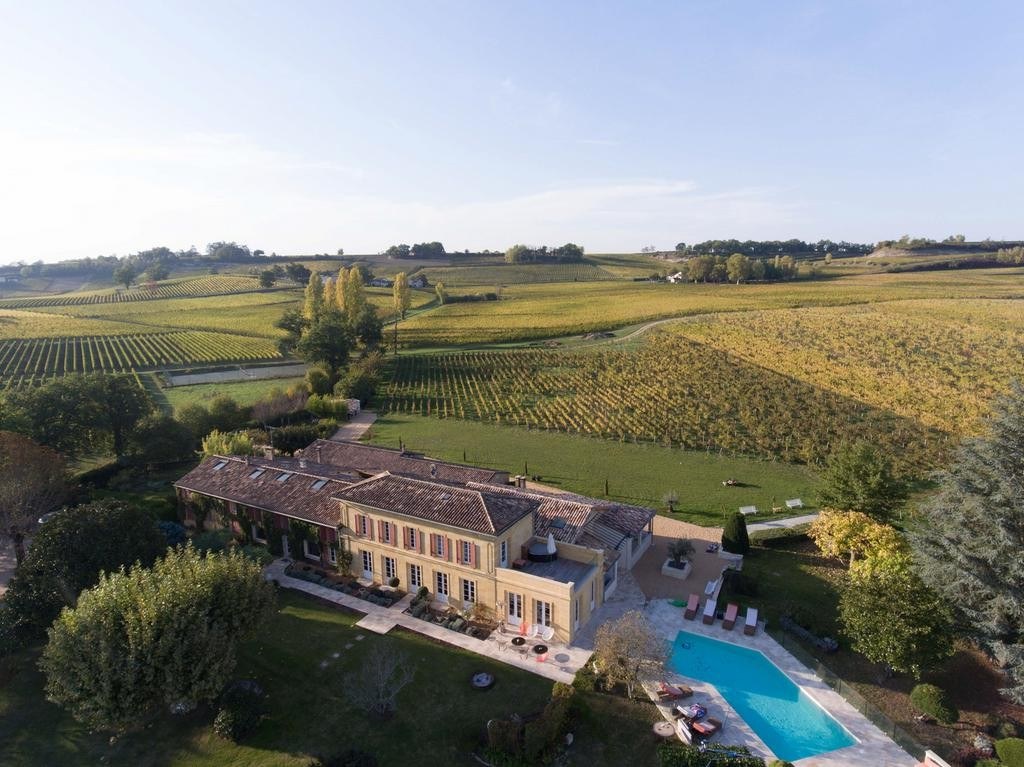
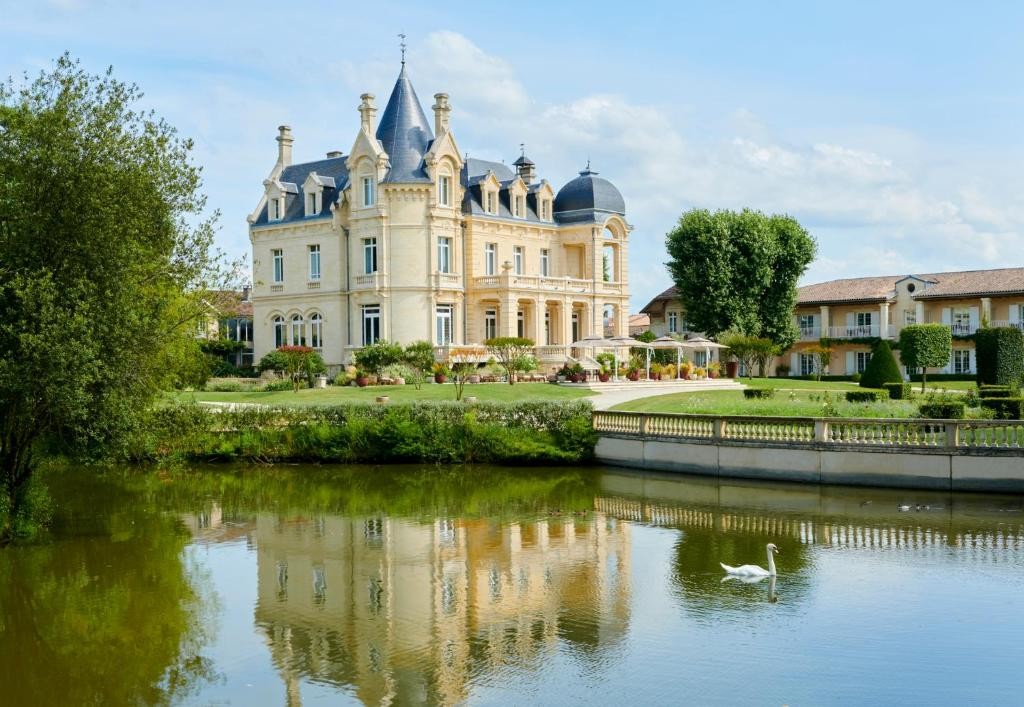
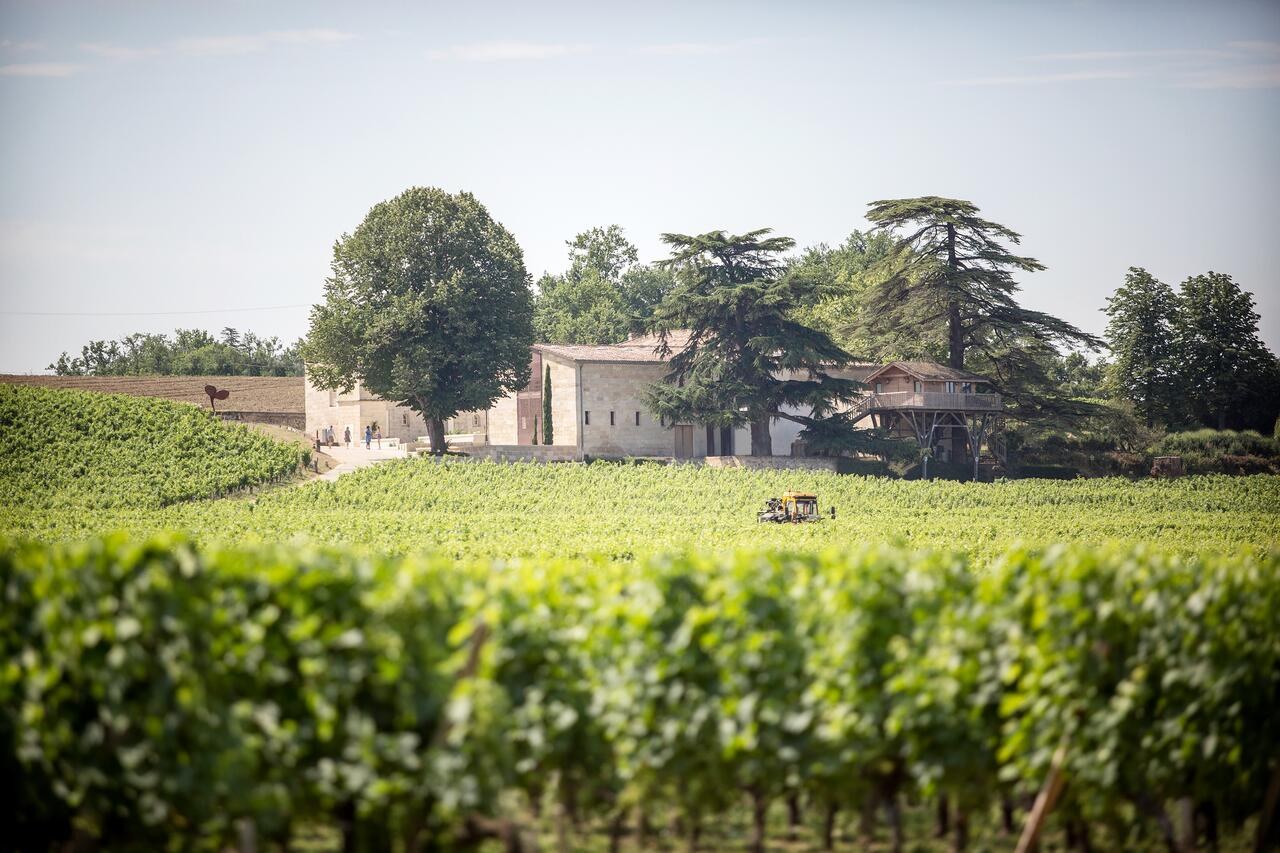
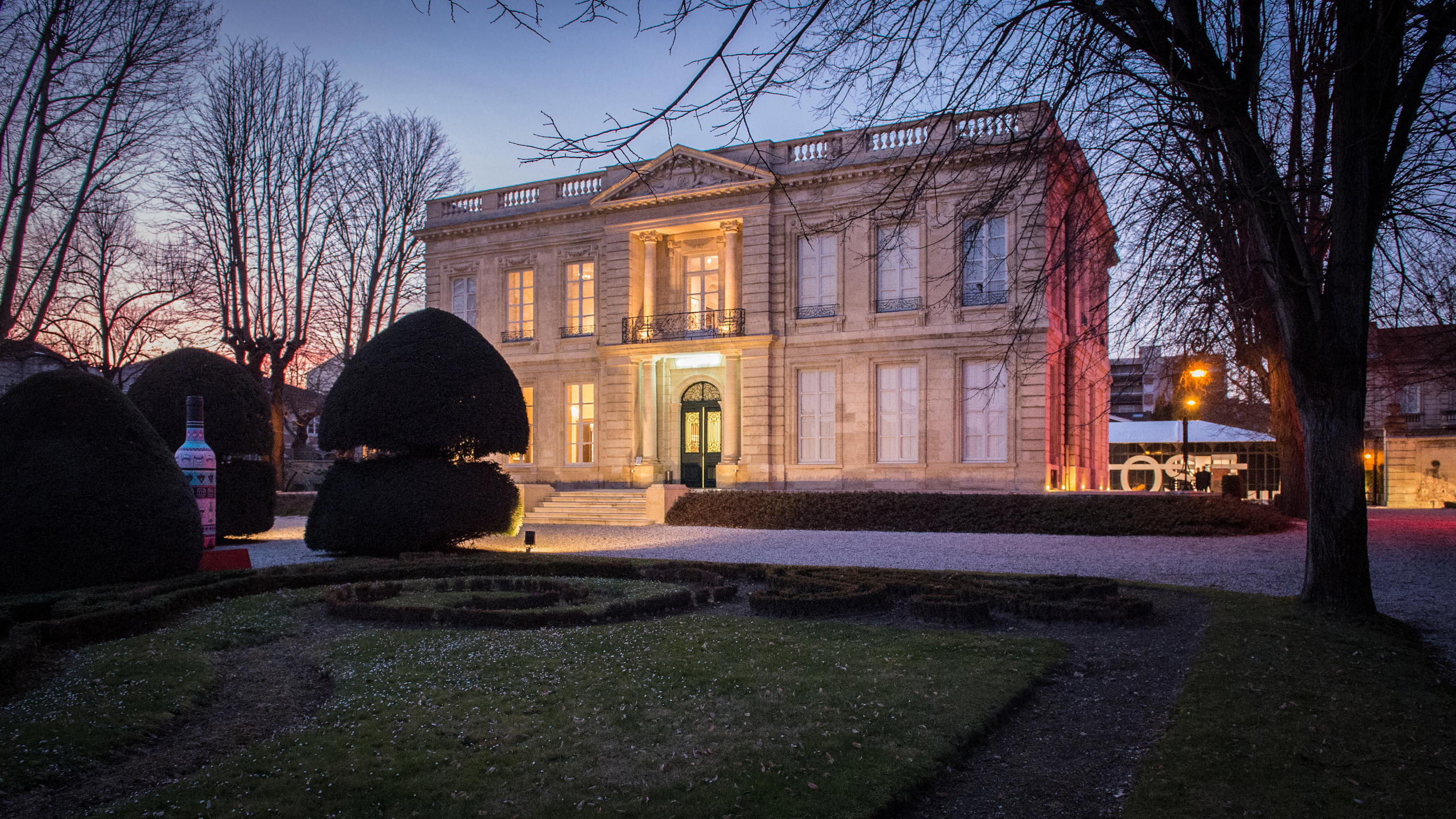
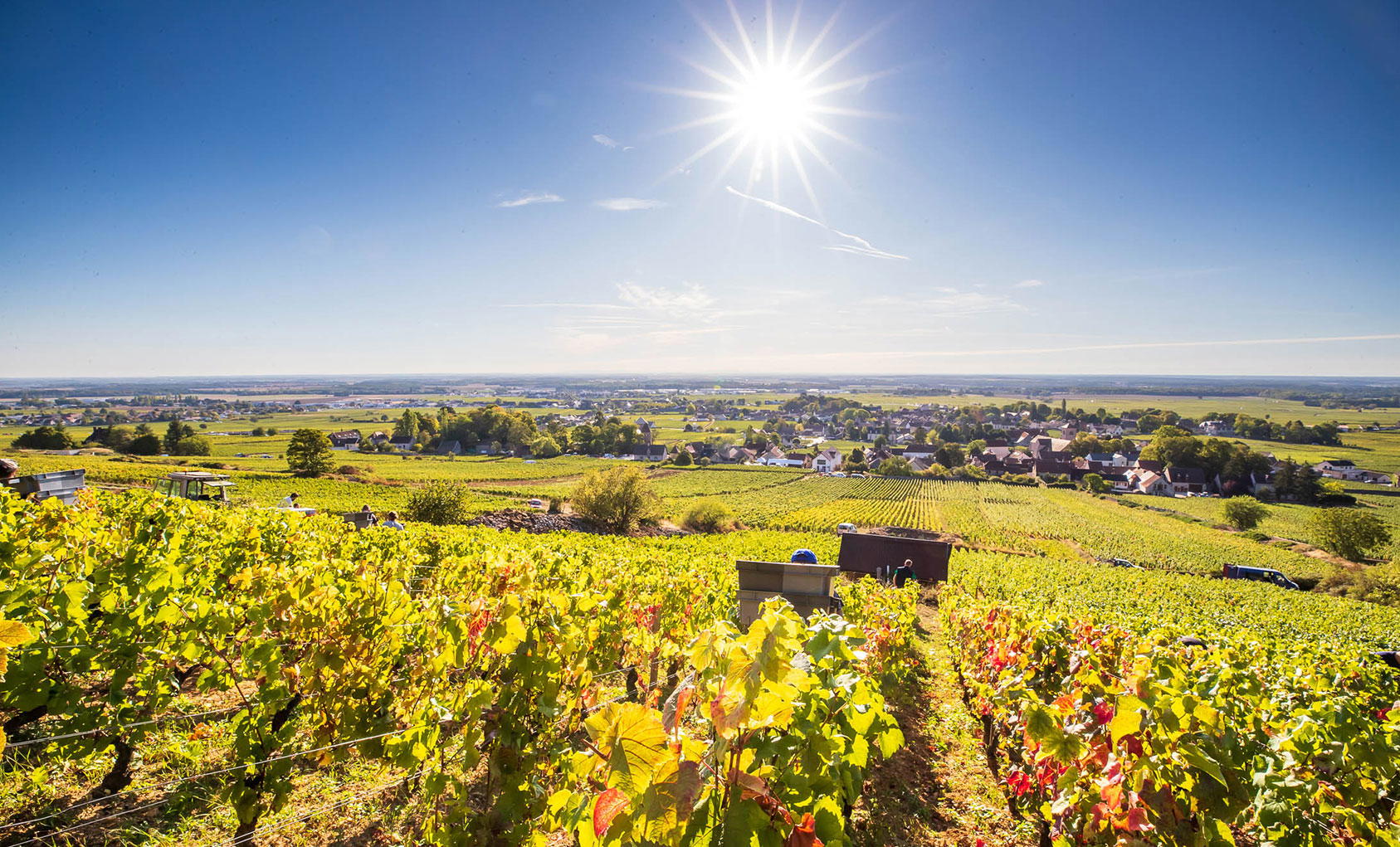
Château La Conseillante projects the discreet side of Pomerol: understated architecture on a flat, clay-rich plateau and an emphasis on terroir over showmanship. The estate sits near the Saint-Émilion border, which subtly complicates and enriches the experience for visitors attuned to Right Bank context. Expect an unflashy, meditative setting where patience and attention are part of the ritual; the narrative here is about the wine first and the building second. The overall mood is quiet and refined, rewarding guests who come ready to listen to what the bottles reveal rather than what the façade declares.
Best For
This is a destination for serious wine students, collectors, and travelers who prioritize tasting context and provenance. The text frames Pomerol as a market-driven appellation where reputation and allocation matter, so visitors who value deep comparisons between neighboring Right Bank estates will get the most out of a visit. Appointment-only access favors those who plan ahead and want focused, often small-group or private tasting interactions. It also suits people seeking memorable bottles for special occasions or cellaring, since prestige here is governed by reputation and scarcity.
Tasting Tips
Book well in advance and treat visits as appointments rather than walk-ins; the estate operates on an appointment-based protocol typical of Pomerol’s serious properties. Arrive prepared to taste and to place those tastings within the Right Bank context: the château’s position near Saint-Émilion matters to understanding its wines. Read the estate calendar before you go, allow time for a deliberate tasting rather than a quick stop, and expect that allocations and market-driven demand can affect availability—planning and patience are essential to getting the most from a visit.
Venue details
Ambiance
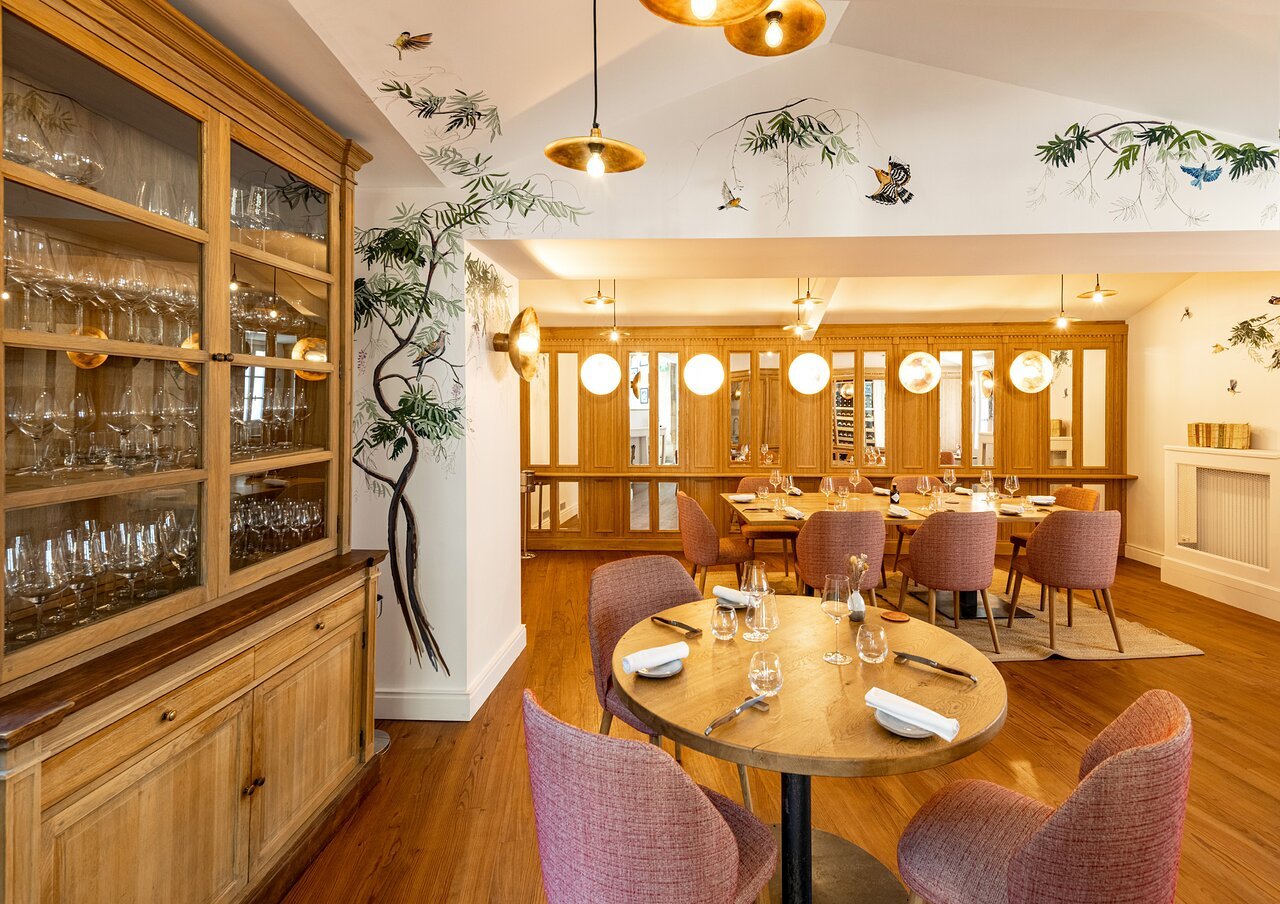
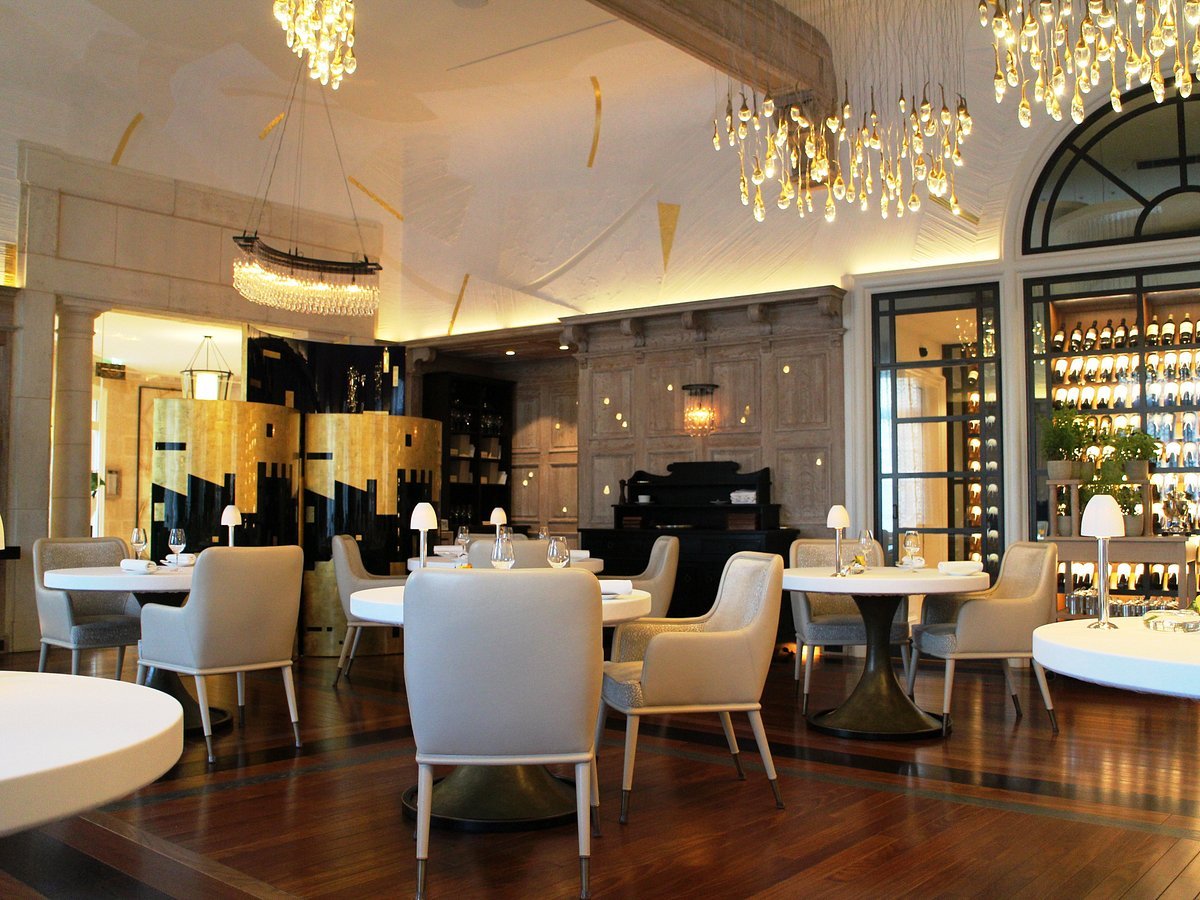
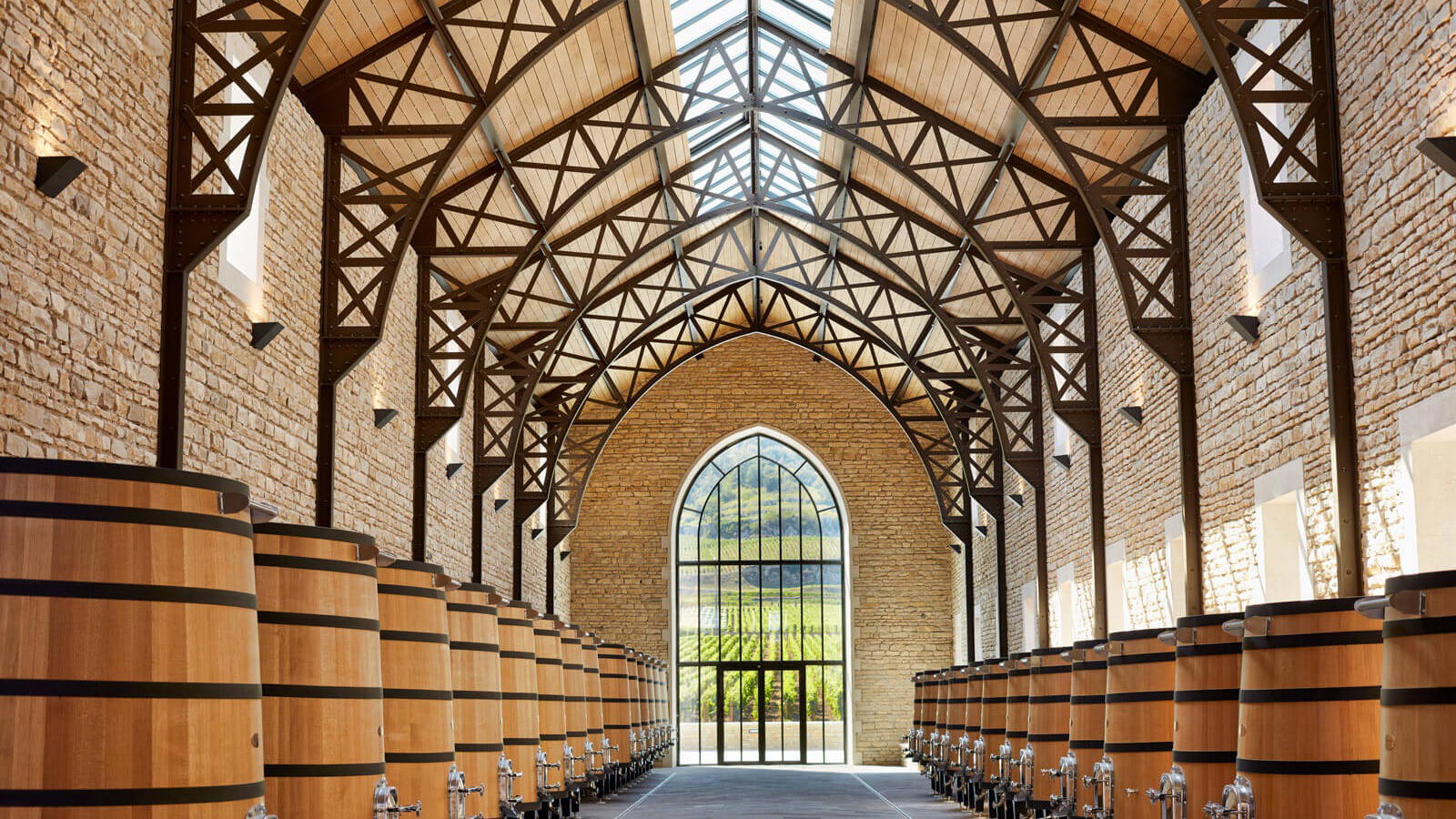
Refined and elegant with a focus on finesse, featuring modernized cellars and precise winemaking for an intimate, sophisticated atmosphere.
Tags
Vibe
Best For
Experience
Sourcing
View
At the Vineyard
- Appellation
- Pomerol AOC
- Varietals
- Merlot, Cabernet Franc
- Tour Duration
- 60-90 minutes
- Wine Club
- Available
Planning details
Location
SC des Héritiers NIcolas, 130 Rue de Catusseau, 33500 Pomerol · Directions
Recognition and awards
Also consider
Where to look if dates do not work
If access does not line up, try Chateau Beauregard first for a more practical Saint-Emilion-area option. For a like-for-like Pomerol itinerary, compare availability at Château L'Évangile or Vieux Château Certan.
Winery context
How It Compares
Choose Château La Conseillante when the priority is a quieter Pomerol prestige visit and the group can handle difficult access. Château L'Évangile and Vieux Château Certan sit in the same serious right-bank conversation, so they make sense for collectors building a Pomerol-led day rather than a general Saint-Emilion sightseeing route.
Chateau Beauregard is the more practical backup for readers who need a Saint-Emilion-area plan with less pressure around access. For higher-stakes name recognition, Château La Fleur Petrus and Chateau Petrus are natural cross-shops, but they are not the right fallback if the goal is simply to secure an easier visit.
For a celebration, La Conseillante is the stronger fit than a broader, more casual winery stop because the appeal is focus and quiet. For larger groups or flexible same-day planning, start with Beauregard and keep the Pomerol names for a more controlled itinerary.
Explore Saint-Émilion
Around this place
Discover more on Pearl
Unlock the full Château La Conseillante guide in Pearl, including awards, comparisons, FAQs, planning details, and nearby places.
Compare Château La Conseillante
| Venue | Location | Awards |
|---|---|---|
| Château La Conseillante | Saint-Emilion | 2025 Pearl 4 Star Prestige |
| Château L'Évangile | Pomerol | No published awards |
| Vieux Château Certan | Pomerol | 2025 Pearl 4 Star Prestige |
| Chateau Beauregard | Saint-Emilion | No published awards |
| Château La Fleur Petrus | Pomerol | No published awards |
| Chateau Petrus | Pomerol | 2025 Pearl 5 Star Prestige |
How Château La Conseillante Saint-Emilion compares with similar nearby venues.
FAQ
Frequently Asked Questions
When is the best time to visit Château La Conseillante?
Plan around Saint-Emilion logistics, confirm current arrangements directly with the venue, note that Château La Conseillante has Pearl 4 Star Prestige recognition for 2025.
What other venues should I compare with Château La Conseillante?
The comparison set here is Château L'Évangile, Vieux Château Certan, Chateau Beauregard, Château La Fleur Petrus, Chateau Petrus. If your day is limited, compare availability and logistics before trying to fit in too many stops.
Does Château La Conseillante serve food?
For food service, contact Château La Conseillante directly, then plan meals separately through other Saint-Emilion dining options if needed.
Does Château La Conseillante offer membership or purchasing options?
For membership and purchasing options, ask the venue directly and compare the answer with your broader Saint-Emilion plans.