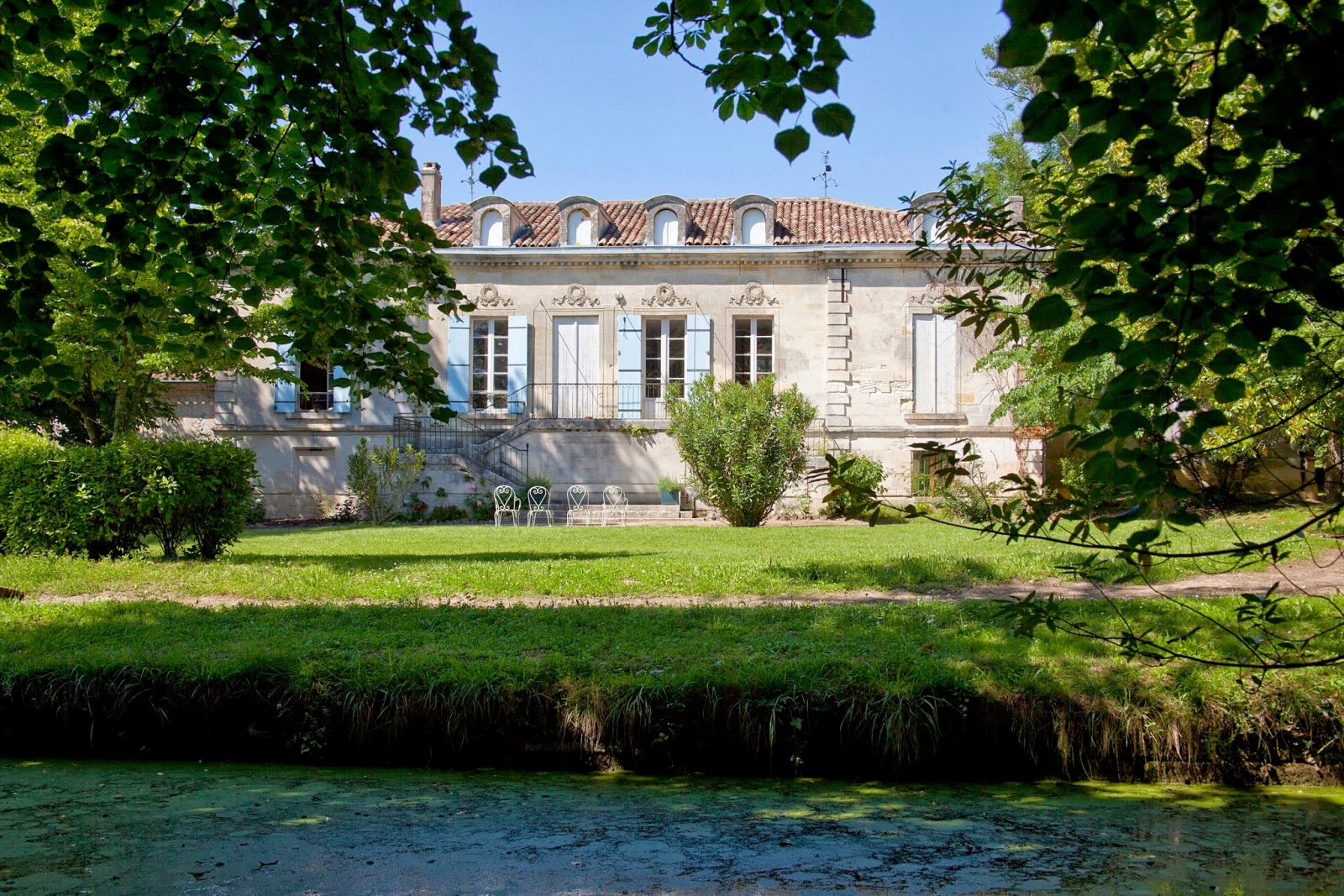

Château Coutet
Saint-Emilion, Saint-Émilion
Winery in Saint-Émilion, France
 Book with Pearl
The Read
Plateau Terroir Precision
Why go
Operating since 1779, Château Coutet is one of Saint-Émilion's oldest wine estates, guided today by winemaker Aline Baly and recognised with a Pearl 3 Star Prestige award in 2025. The property sits within a appellation where limestone and clay soils have shaped Merlot-dominant blends for over two centuries, offering visitors a direct encounter with the long arc of right-bank Bordeaux winemaking.
About Château Coutet
Saint-Emilion rewards planning, especially when the goal is a premium venue rather than a casual stop. Before building a day around it, confirm the current visit format, availability, and logistics directly.
The reason to prioritize Château Coutet is its specific Saint-Emilion identity, rather than assuming a particular format, menu, or hospitality program. If the trip is mainly about comparing notable venues, Château Angelus and Château Canon may be natural reference points. If the goal is a more specific Saint-Emilion plan, Château Coutet remains a venue to consider carefully once current details are confirmed.
Why this deserves careful Saint-Emilion planning
Treat Château Coutet as a venue that deserves advance confirmation.
For itinerary planning, keep the day focused and realistic. Pair Château Coutet with Château Beau-Séjour (héritiers Duffau-Lagarrosse) only if the logistics line up cleanly; overloading the day can turn a serious Saint-Emilion itinerary into a rushed loop.
Who should prioritize it, and who should cross-shop
This is a stronger fit for travelers who are comfortable confirming details before they commit, not for groups that need firm information on retail access, food, shipping, or a specific hospitality setup in advance. If the trip needs comparison points, consider Château Angelus or Le Dome. For a broader Saint-Emilion plan, use Our full Saint-Emilion wineries guide, then build meals and overnights around Our full Saint-Emilion restaurants guide and Our full Saint-Emilion hotels guide.
Planning details
- Location
- 1514 Rte du Milieu, 33330 Saint-Émilion
- Website
- chateau-coutet.com
- Phone
- +33 5 57 74 43 21
The take
The Take
The Vibe
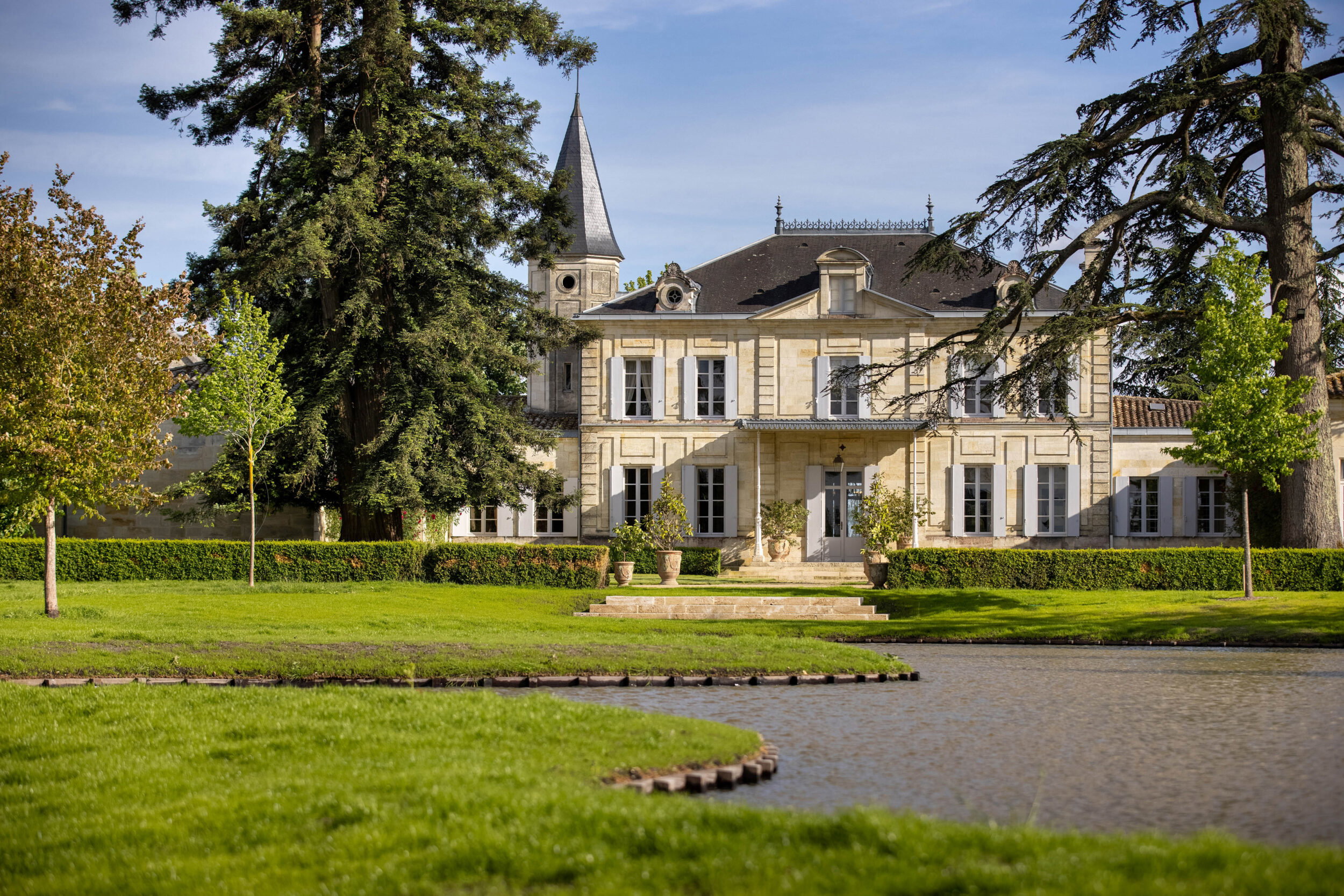
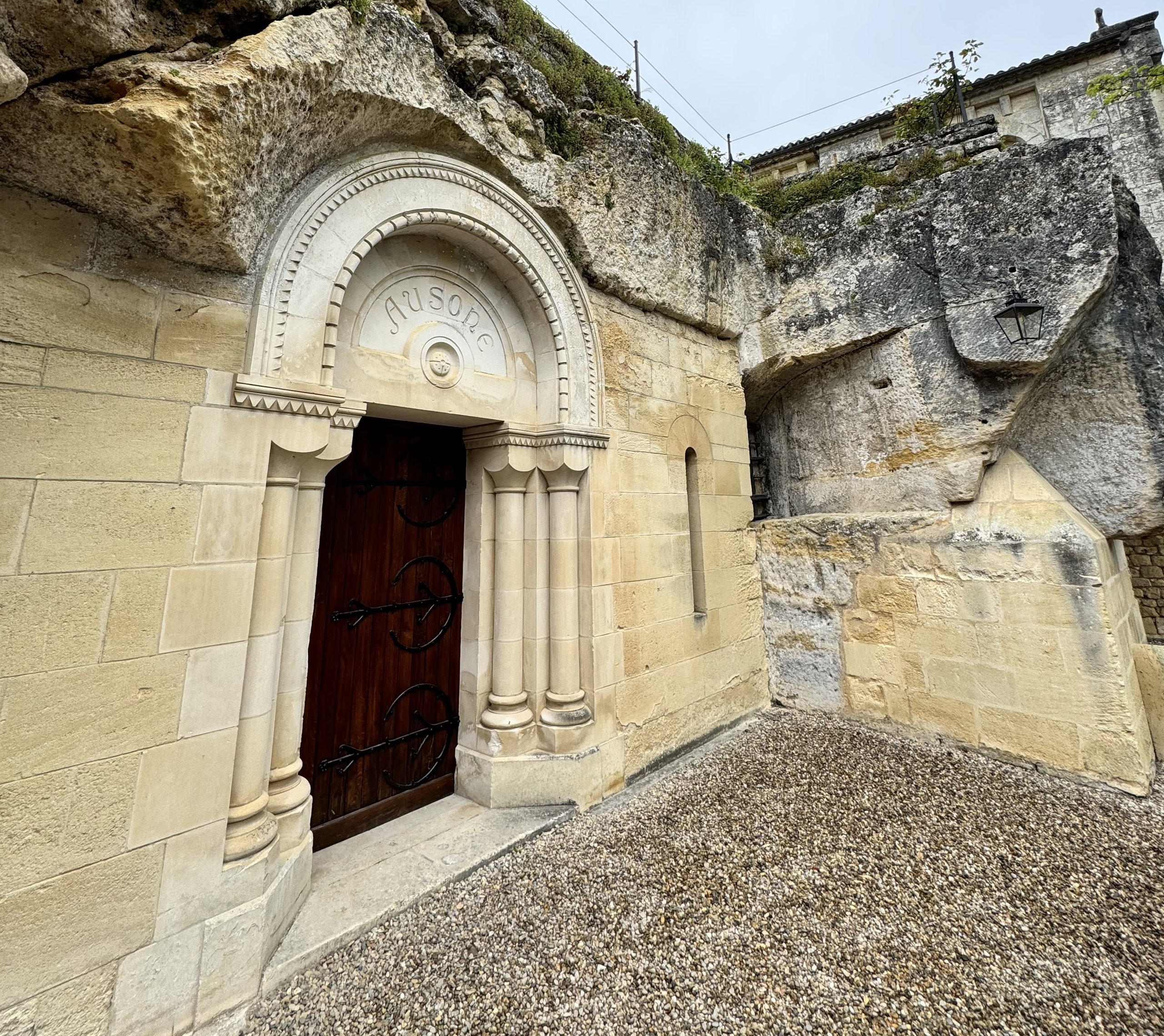
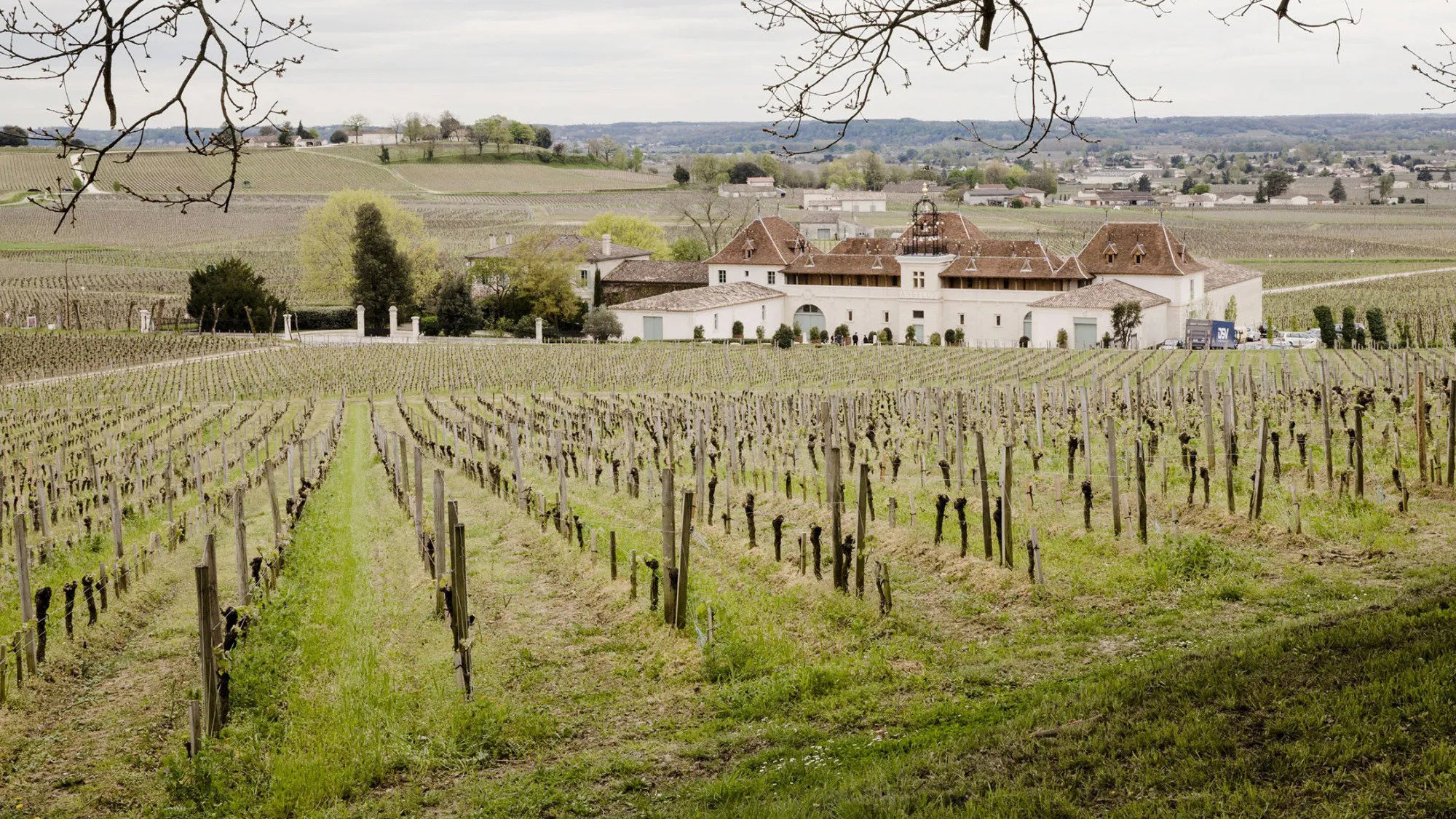
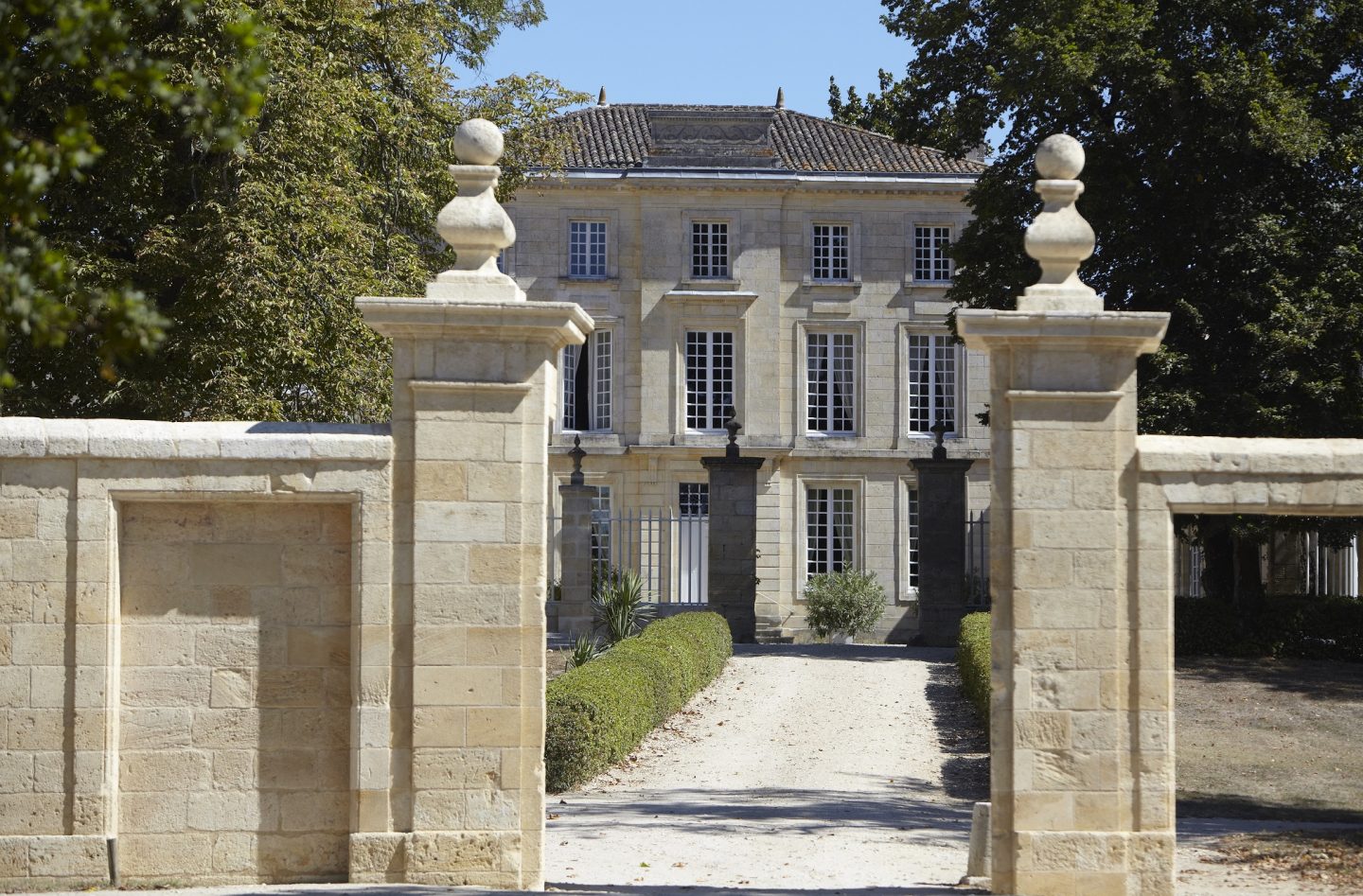
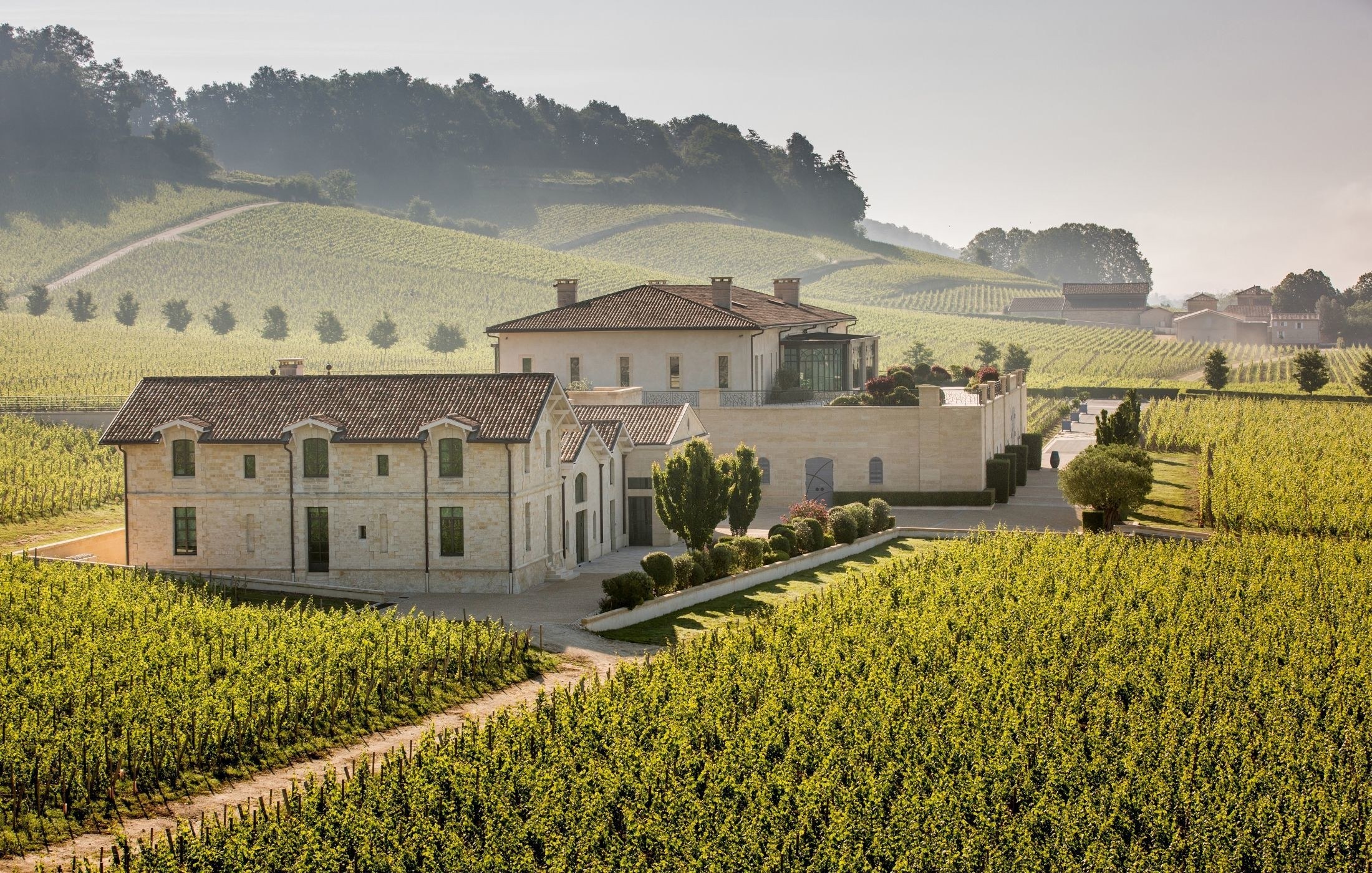
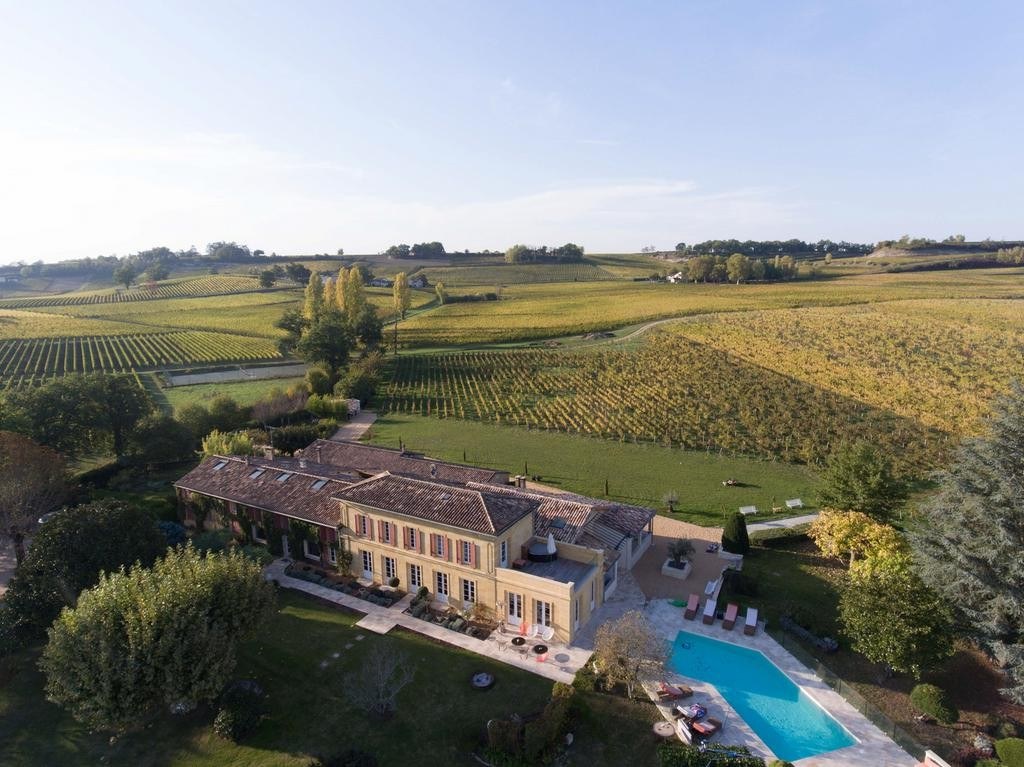
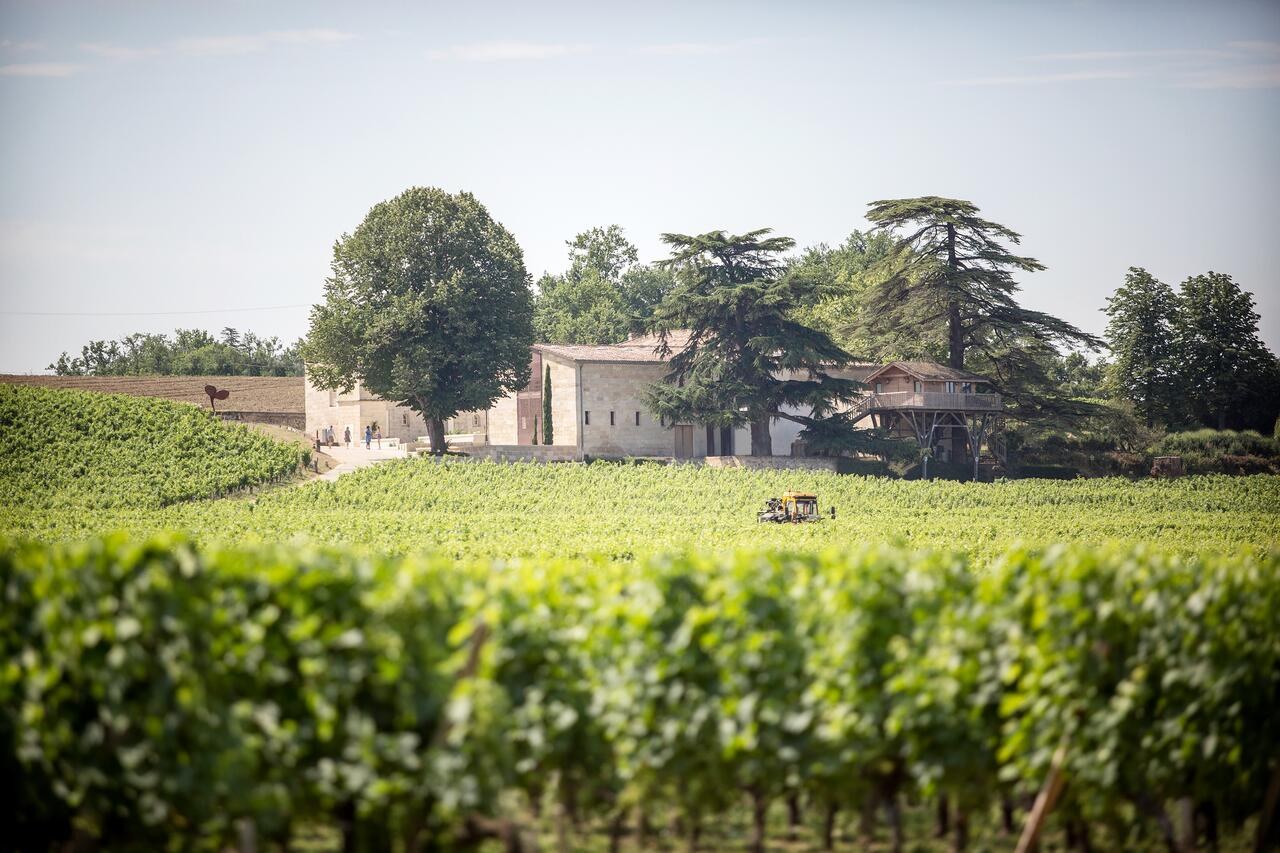
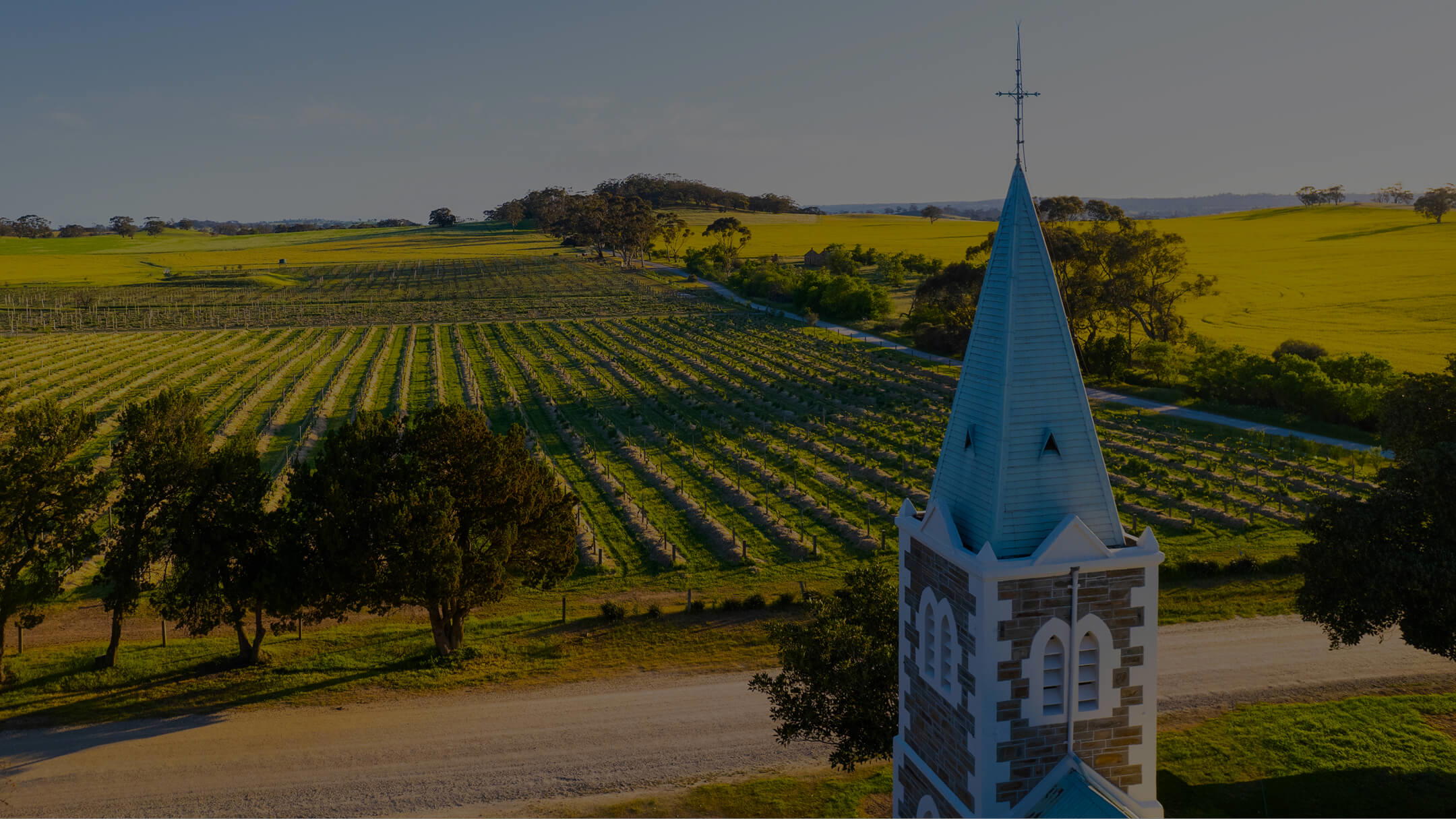
Château Coutet reads like a quietly authoritative chapter of Saint-Émilion. Approaching the estate along the Route du Milieu, visitors encounter limestone outcroppings, old stone walls and rows of vines that frame a particular quality of stillness. The property’s long production history — first vintage in 1779 — and its siting on the limestone plateau give the place a refined, contemplative spirit: scholarly about terroir without ever feeling academic. The overall tone is calm and sophisticated, the kind of landscape that rewards slow attention and a measured pace rather than flash or spectacle.
Best For
Coutet is best for people who want to study place as much as taste wine. The estate’s emphasis on soil types, drainage and Merlot expression makes it a natural stop for wine education and for visitors who appreciate historical continuity; the documented production history dating to the eighteenth century also suits special-occasion visits that benefit from gravitas. The prevailing stillness and the pattern of vineyards and stone walls make the property appealing for solo exploration and thoughtful, unhurried visits rather than boisterous group outings.
Tasting Tips
When engaging with wines from Coutet, orient your questions around terroir and Merlot expression: the estate sits where the limestone plateau meets lower, gravelly soils, and that contrast is central to how the wines articulate structure and approachability. Ask about the parcels that sit on the plateau versus lower côtes, and request background on the estate’s documented vintages to understand how site and age shape the bottles. Frame tasting around soil-driven differences rather than gimmicks; the place rewards attention to provenance and vineyard logic.
Venue details
Ambiance
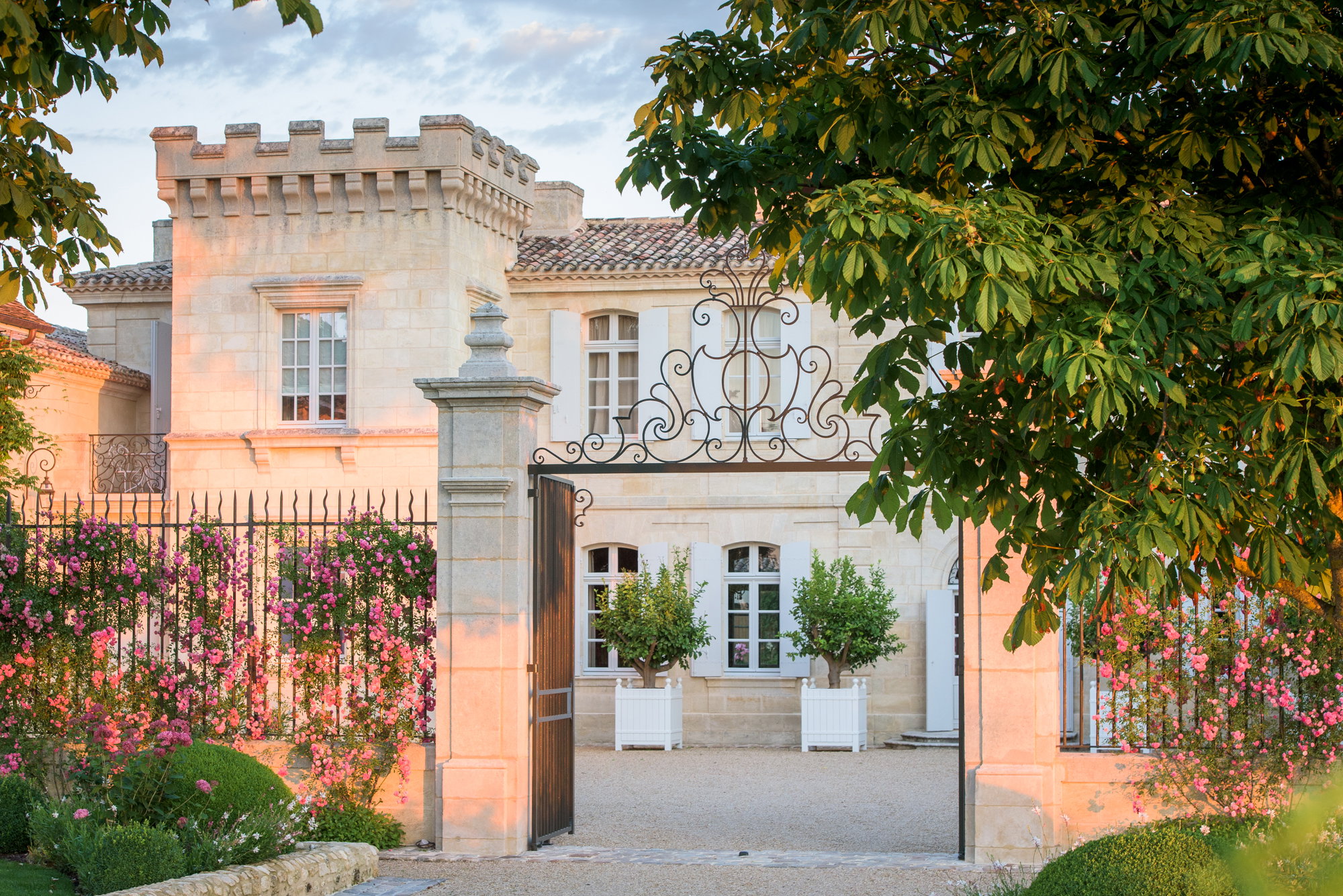
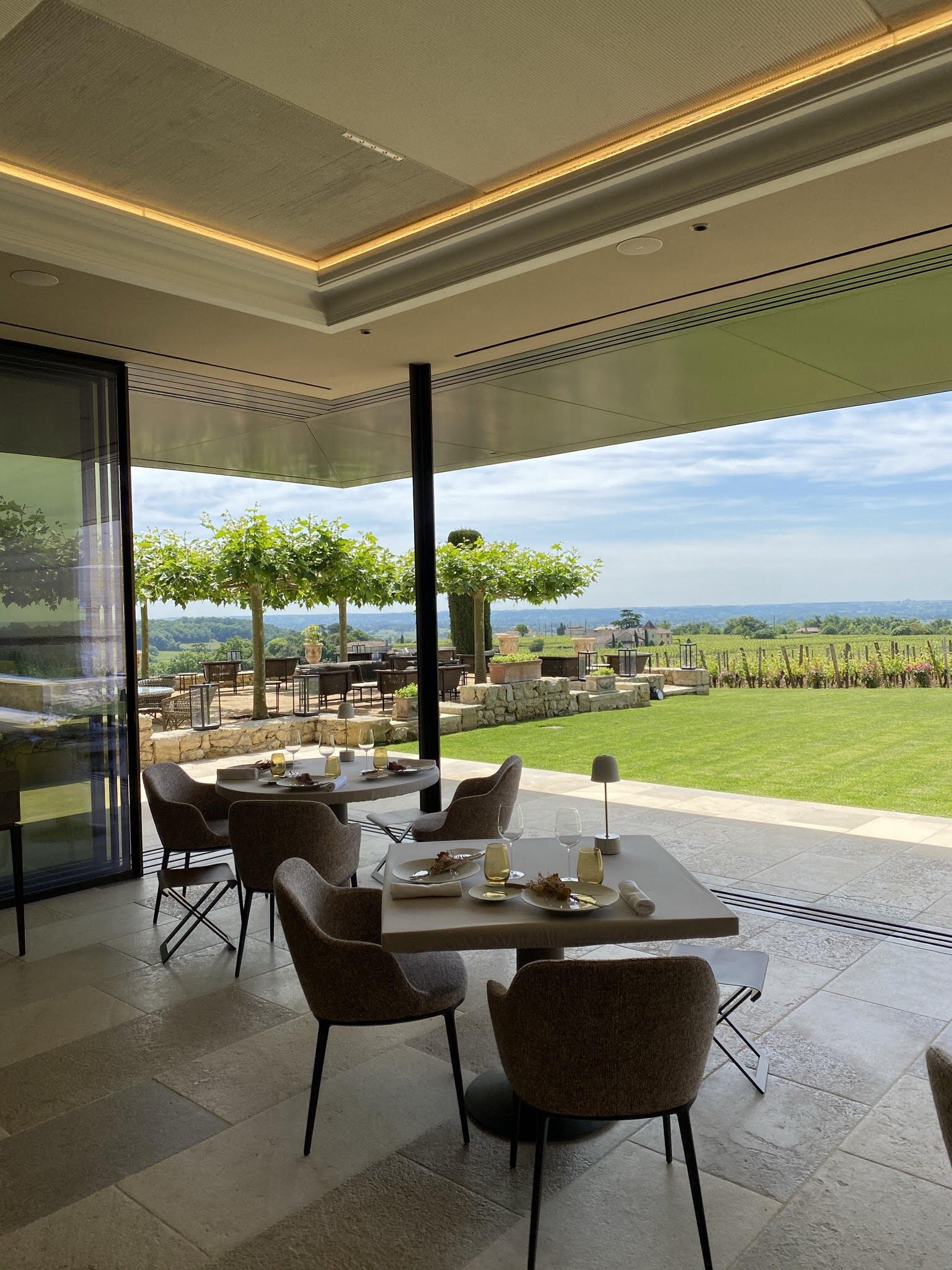
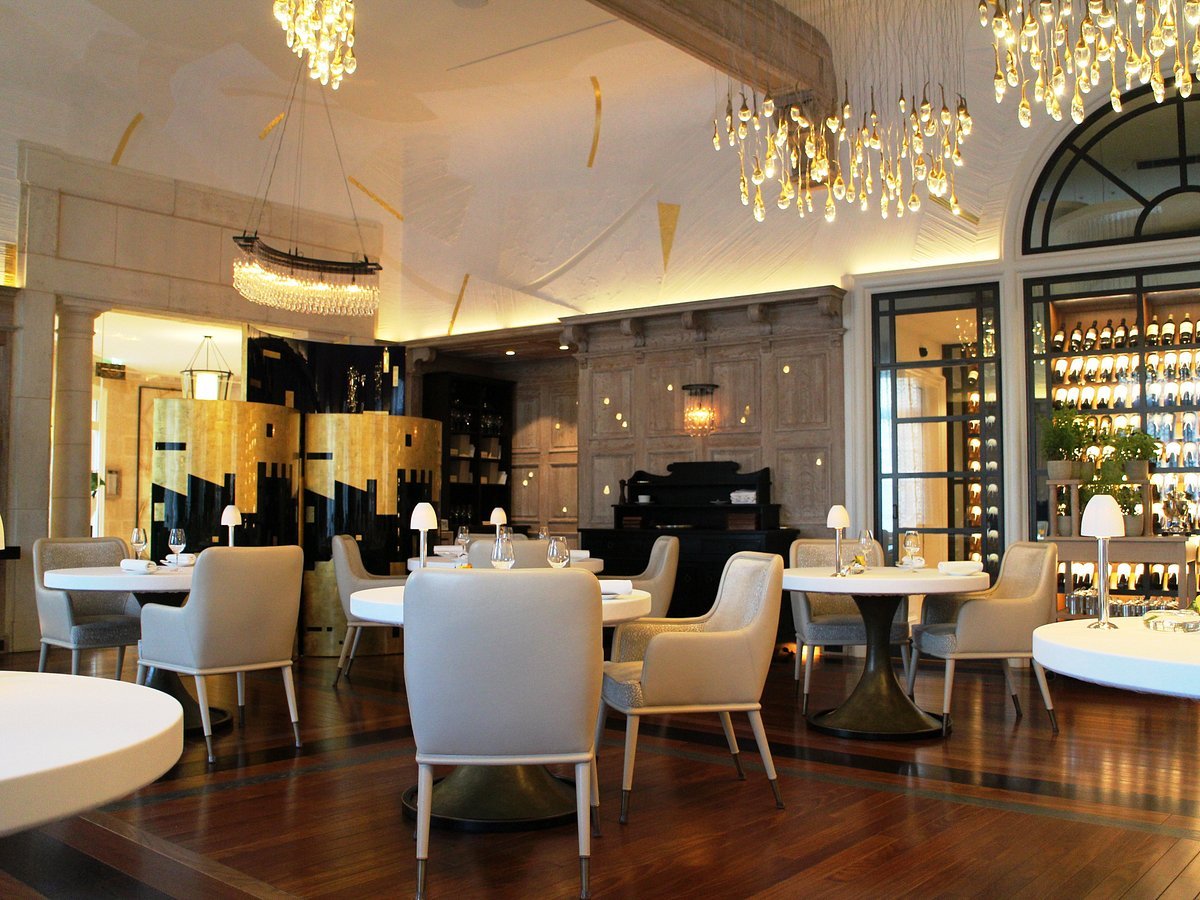
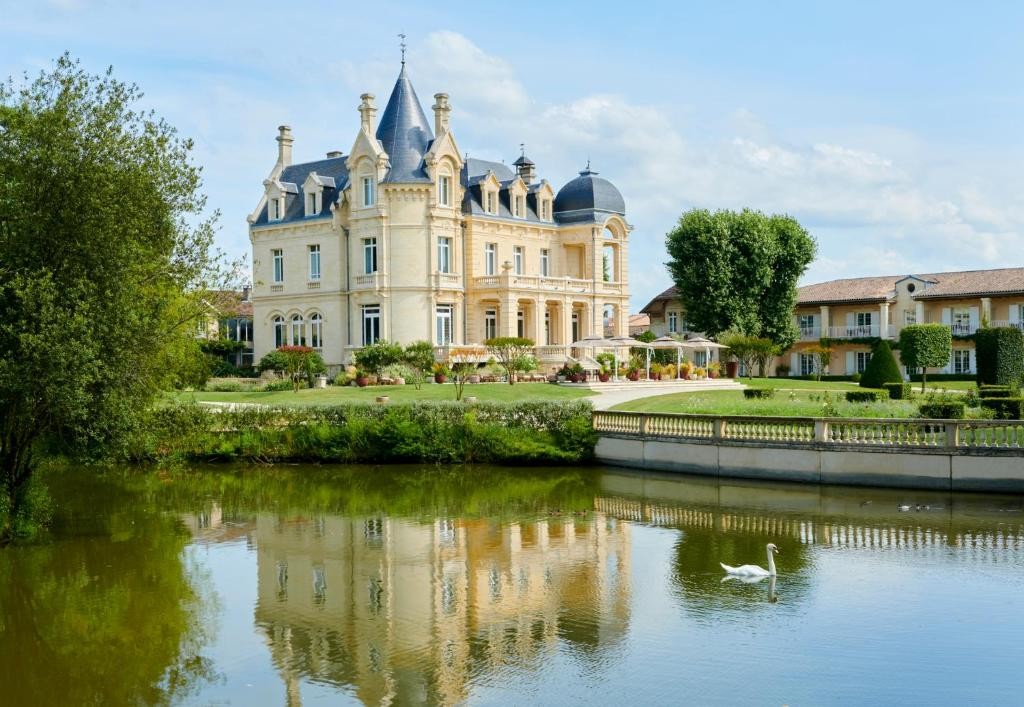
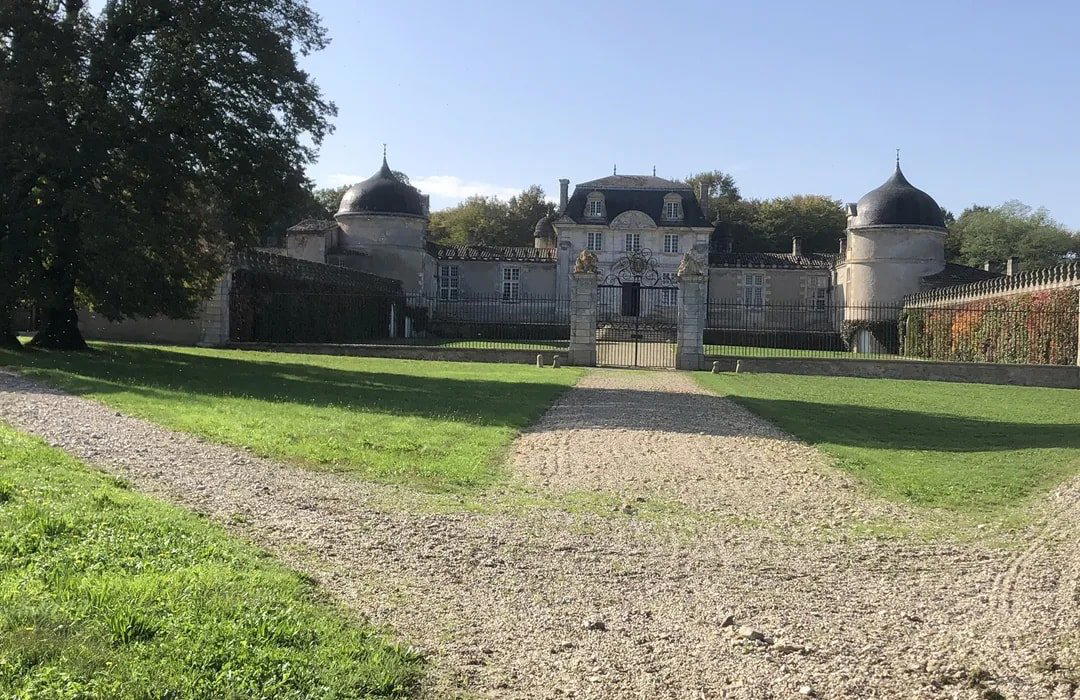
Historic and elegant atmosphere in a 15th-century chateau overlooking the Dordogne valley with picturesque vineyard sites.
Tags
Vibe
Best For
Experience
Sourcing
View
At the Vineyard
- Appellation
- Saint-Emilion Grand Cru
- Varietals
- Merlot, Cabernet Franc, Cabernet Sauvignon, Malbec, Semillon
- Tour Duration
- 60-90 minutes
- Tour Languages
- English, French
- Visits
- By appointment only
- Farming
- Organic
- Wine Styles
- Still Red, Still White, Dessert
- Wine Club
- Not available
Know before you go
Know Before You Go
- Getting there
- 1514 Rte du Milieu, 33330 Saint-Émilion
Planning details
Location
Recognition and awards
Also consider
Where to look if this does not fit
If access or timing does not work, cross-shop Château Angelus for a more name-led Saint-Emilion stop, or Château Canon for a classic. For a wider itinerary, add Our full Saint-Emilion experiences guide, Our full Saint-Emilion bars guide, and broader wine references such as A. Margaine in Villers-Marmery, Agrapart & Fils in Avize, Albert Boxler in Niedermorschwihr, 00 Wines in Carlton, and 1310 Spirit of the Country Distillery in Sierning.
Winery context
How Château Coutet compares in Saint-Emilion
Choose Château Coutet if the priority is estate context and a long production timeline rather than a high-recognition label. Château Angelus and Château Canon are stronger choices for travelers who want a marquee Saint-Emilion name on the itinerary; Coutet is better for visitors who care more about understanding a property in place.
Le Dome is the better cross-shop for collectors focused on scarcity and modern prestige. Château Beau-Séjour (héritiers Duffau-Lagarrosse) and Château Clos Fourtet make sense for travelers building a broader Saint-Emilion route with more familiar peer names. Coutet is the pick when ambiance and historical continuity matter more than label power.
Booking difficulty is the key practical difference: none of these should be treated as casual walk-in options. If the schedule is tight, prioritize the estate that fits the day cleanly rather than chasing too many appointments. Coutet works best as a deliberate anchor, while Angelus, Canon, and Clos Fourtet are easier to justify for visitors who want a more recognizable Saint-Emilion reference point.
Explore Saint-Émilion
Around this place
Discover more on Pearl
Unlock the full Château Coutet guide in Pearl, including awards, comparisons, FAQs, planning details, and nearby places.
Compare Château Coutet
| Venue | Location | Awards |
|---|---|---|
| Château Coutet | Saint-Emilion | 2025 Pearl 3 Star Prestige |
| Château Angelus | Saint-Emilion | 2026 Michelin 2 Grapes - Bordeaux2026 Falstaff Winery Guide2025 Pearl 4 Star Prestige |
| Le Dome | Saint-Emilion | 2026 Falstaff Winery Guide2025 Pearl 4 Star Prestige |
| Château Beau-Séjour (héritiers Duffau-Lagarrosse) | Saint-Emilion | No published awards |
| Château Canon | Saint-Emilion | 2026 Michelin 2 Grapes - Bordeaux2025 Pearl 4 Star Prestige |
| Château Clos Fourtet | Saint-Emilion | 2026 Michelin Grape Main Selection - Bordeaux2025 Pearl 3 Star Prestige |



How Château Coutet Saint-Emilion compares with similar nearby venues.
FAQ
Frequently Asked Questions
How long should I plan for a visit to Château Coutet?
When is the best time to visit Château Coutet?
Choose a time that fits your Saint-Emilion plans and confirm availability directly with the venue. For a tighter comparison set, Château Canon and Château Clos Fourtet are useful references when planning multiple estate visits.
Is there wine-club information for Château Coutet?
Can Château Coutet handle large groups?
If you are planning for a larger party, confirm directly with Château Coutet and compare logistics with Château Beau-Séjour (héritiers Duffau-Lagarrosse) and Château Canon before committing.