Chateau Beauregard
Pomerol, Saint-Émilion
Winery in Saint-Émilion, France
 Book with Pearl
Why go
Chateau Beauregard works for a calmer Right Bank estate visit near Saint-Emilion, especially if the trip is about context rather than trophy-label collecting. It fits better as a balanced stop alongside bigger names than as the single prestige appointment of the day.
About Chateau Beauregard
Use this Chateau Beauregard guide as a concise Saint-Emilion snapshot. The venue is Chateau Beauregard in Saint-Emilion, the dress code is smart casual. For specific details about visits, menus, beverages, pricing, hours, reservations, services, or facilities, confirm directly before making plans.
A Saint-Emilion venue with limited public detail
Chateau Beauregard belongs on a Saint-Emilion shortlist when you want a concise planning note, but this page should not overstate what is known. The practical takeaway is simple: dress smart casual, verify any visit-specific details before you go.
For context, travelers may compare Chateau Beauregard with Château Cheval Blanc, Château L'Évangile, Château La Conseillante, Château Nénin, Vieux Château Certan. Those names are useful reference points for planning, but Chateau Beauregard should be judged on current information rather than assumptions about format, access, or recognition.
Practical read: keep Chateau Beauregard in mind as a Saint-Emilion venue, dress smart casual, confirm all operational details directly. The safest verdict is to treat it as a potential stop that needs direct confirmation rather than a fully documented recommendation.
Planning details
- Location
- 73 Rue de Catusseau, 33500 Pomerol, France
- Website
- chateau-beauregard.com
- Phone
- +33 5 57 51 13 36
The take
The Take
The Vibe
Chateau Beauregard reads as a terroir-first estate where geology and quiet authority define the visitor experience. The copy stays rooted in the Pomerol plateau — its iron-rich clay, well-drained subsoils and Merlot-dominant expression — and that focus creates a sophisticated, study-like atmosphere rather than a gimmicky tasting-room energy. You feel the sense of place in every paragraph: the earth between the vines, the flat, deep soils and the Atlantic influence all get equal billing, which positions the property as a refined, contemplative stop for serious wine drinkers and collectors.
Best For
Beauregard is best for guests who come wanting to learn about place and provenance. The description foregrounds terroir and the nuanced interaction of clay, iron and maritime climate, so it naturally suits wine-education visits and thoughtful tastings tied to the estate’s reputation. It also reads as a property appropriate for special occasions where the provenance of the bottle matters as much as the bottle itself — visitors who prize lineage, consistency and a strong sense of terroir will find Beauregard rewarding.
Tasting Tips
When visiting or tasting on release notes, prioritize expressions that showcase Pomerol’s Merlot-driven character and ask about the influence of the iron-rich clay described in the profile. The copy makes the estate’s terroir the central argument, so request bottles or flights that illustrate soil-driven structure and density rather than overtly fruity or oaky profiles. If staff offer commentary on vintage variation, listen for references to drainage, harvest conditions and Atlantic influence — those details will clarify how the plateau shapes the wines you taste.
Venue details
Ambiance
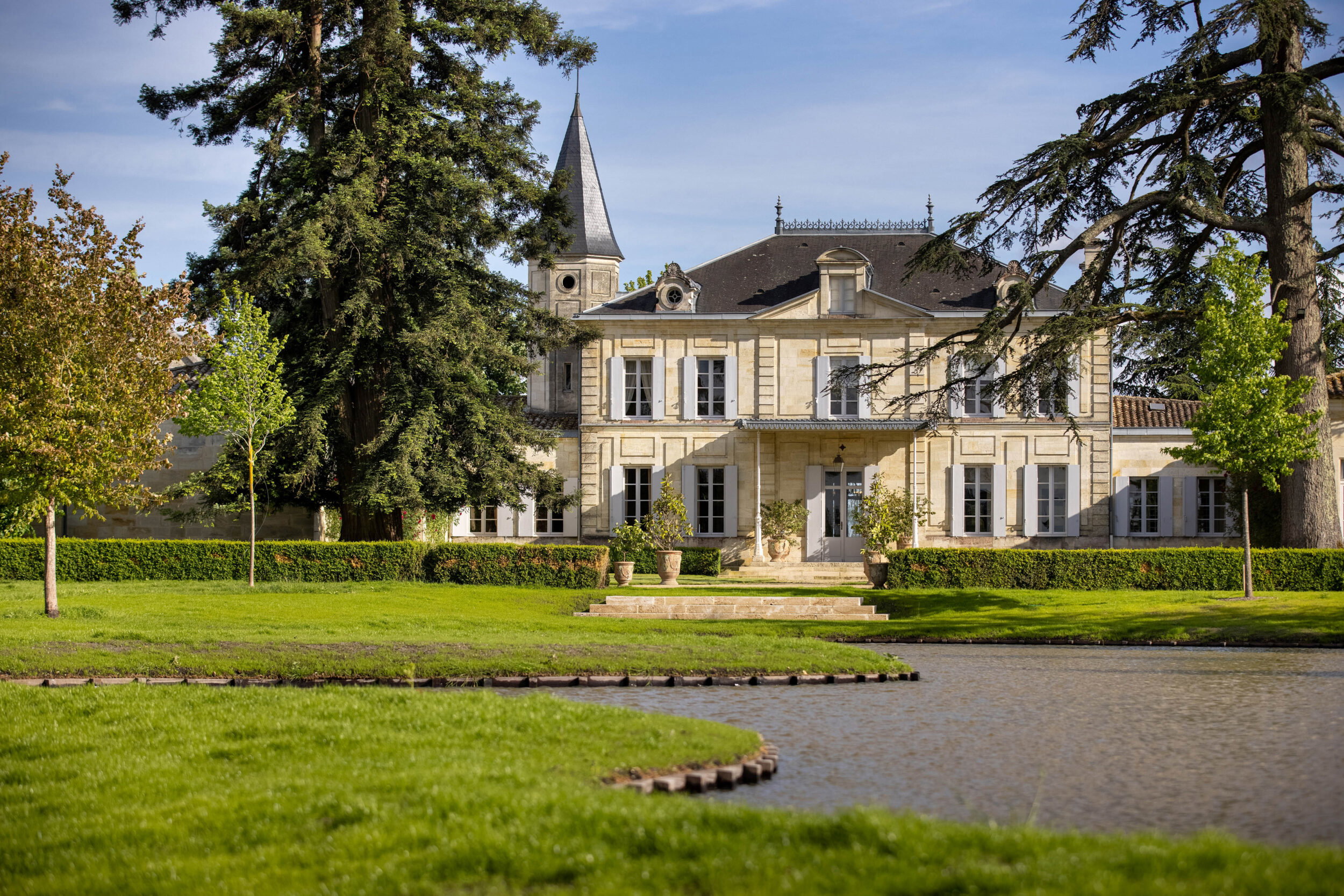
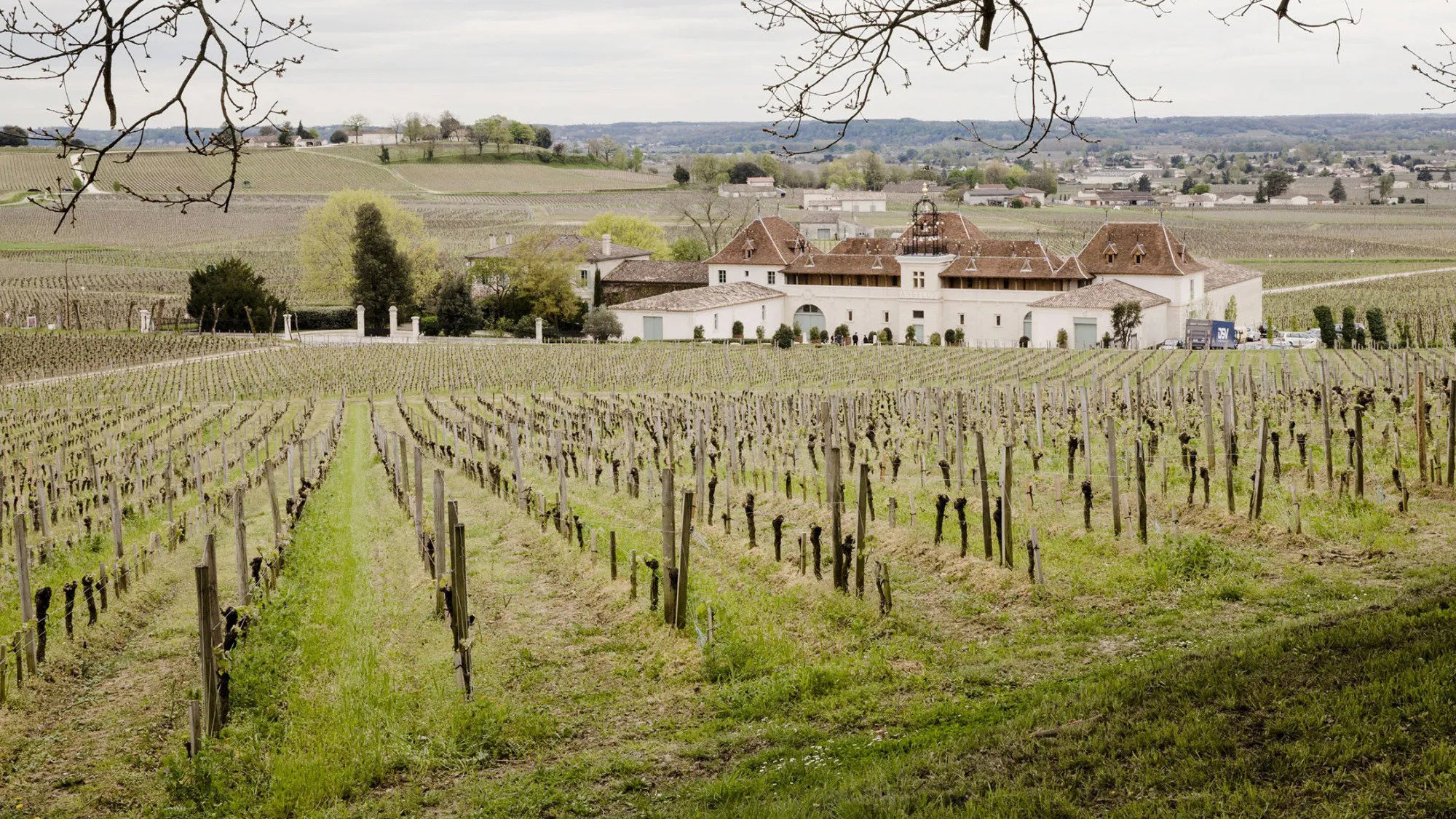
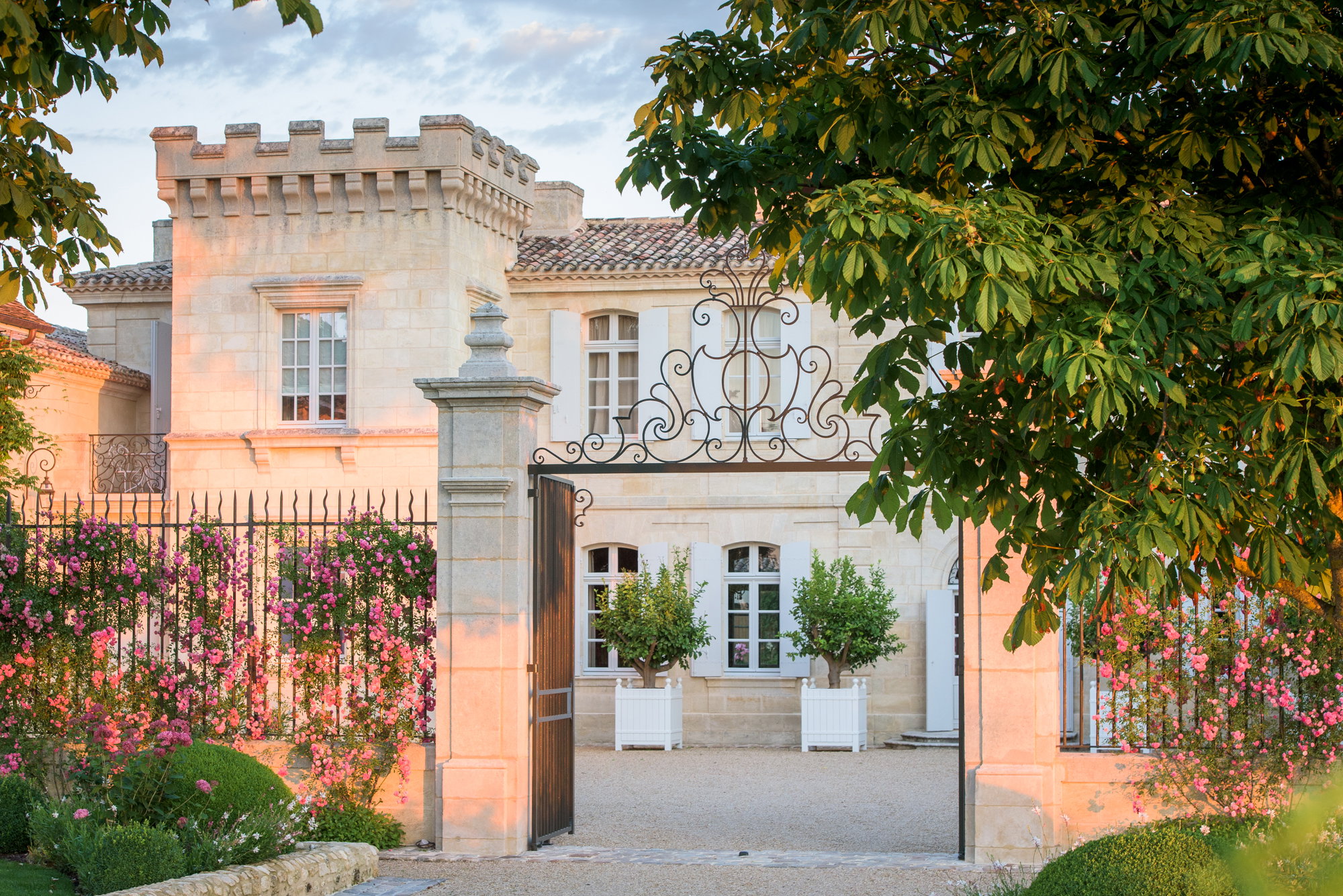
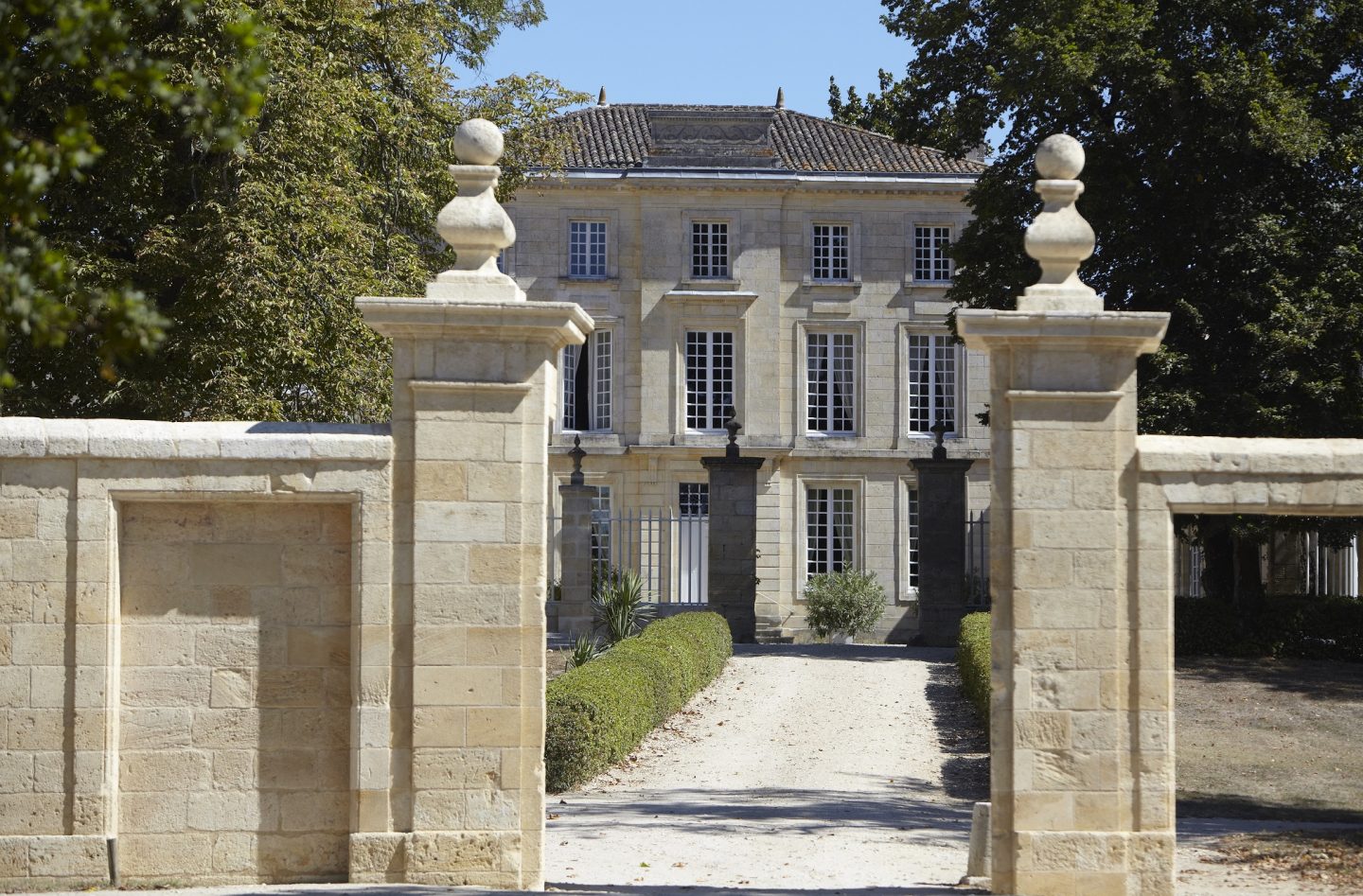
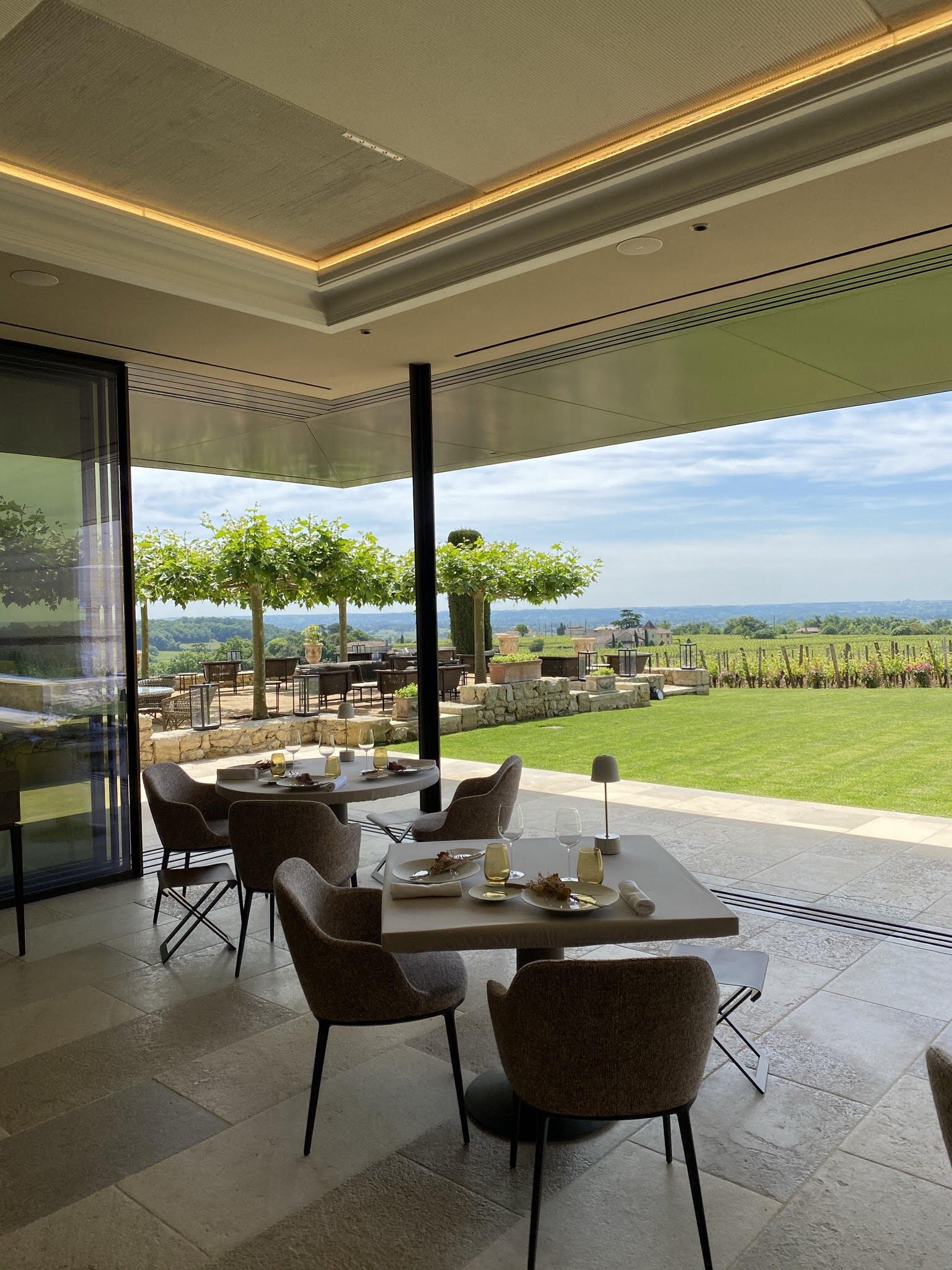
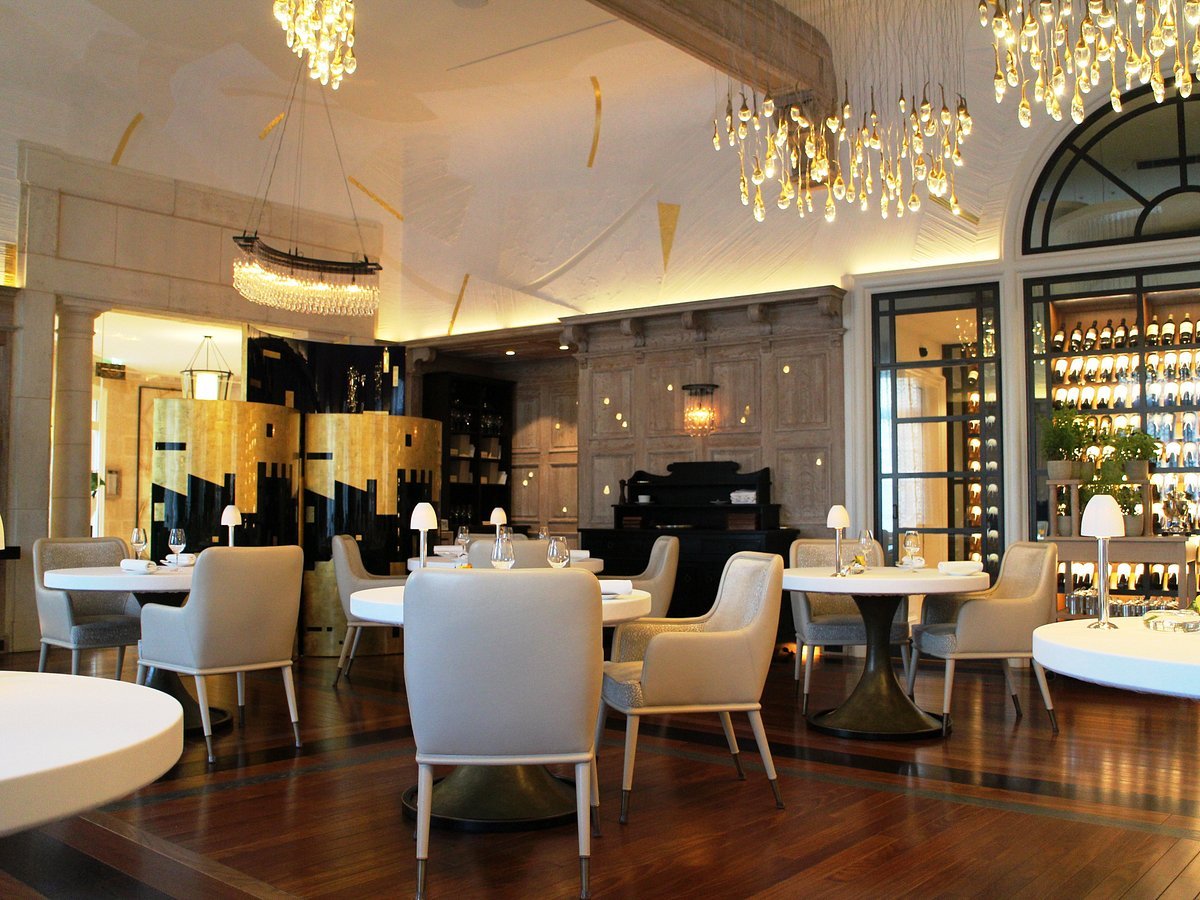
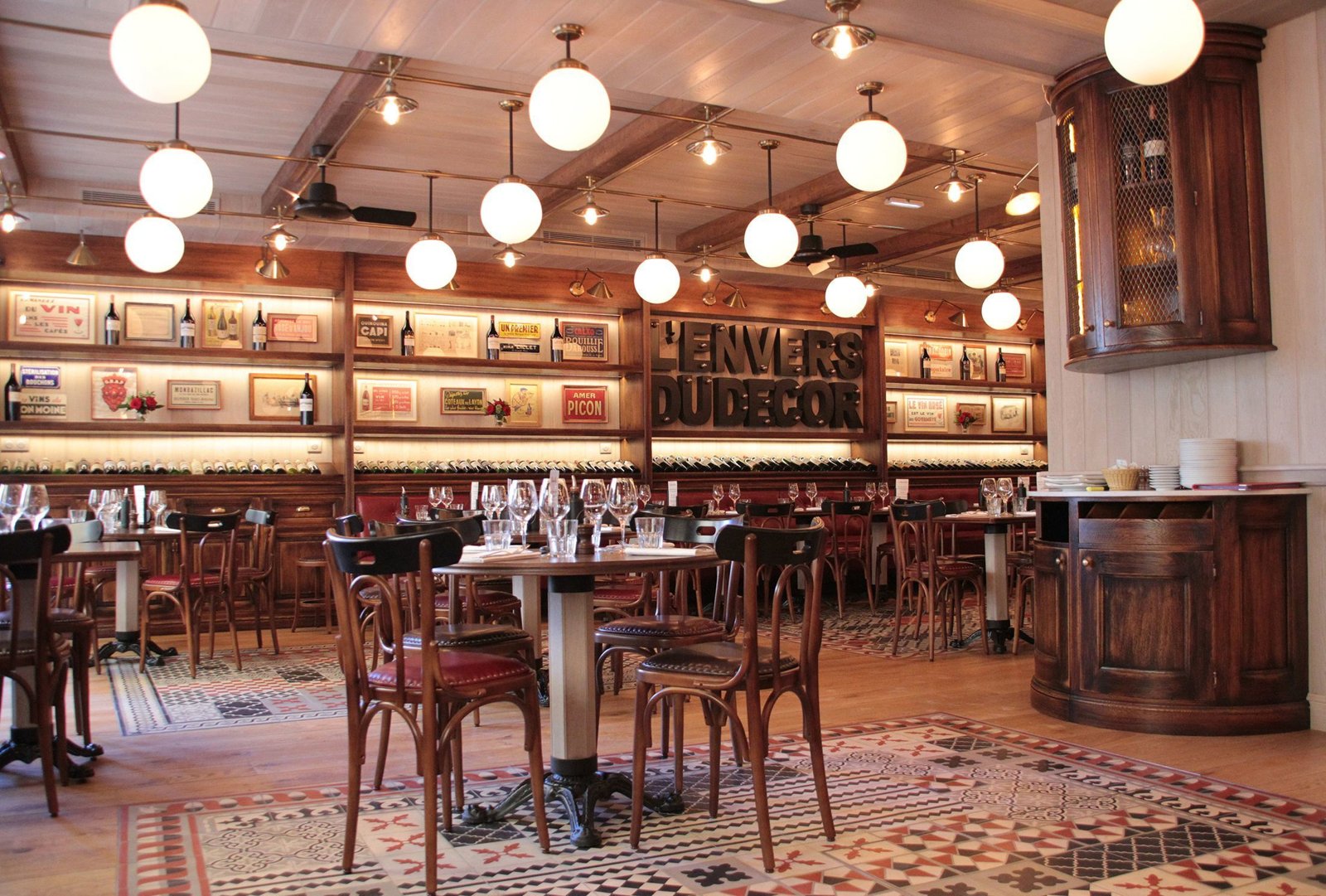
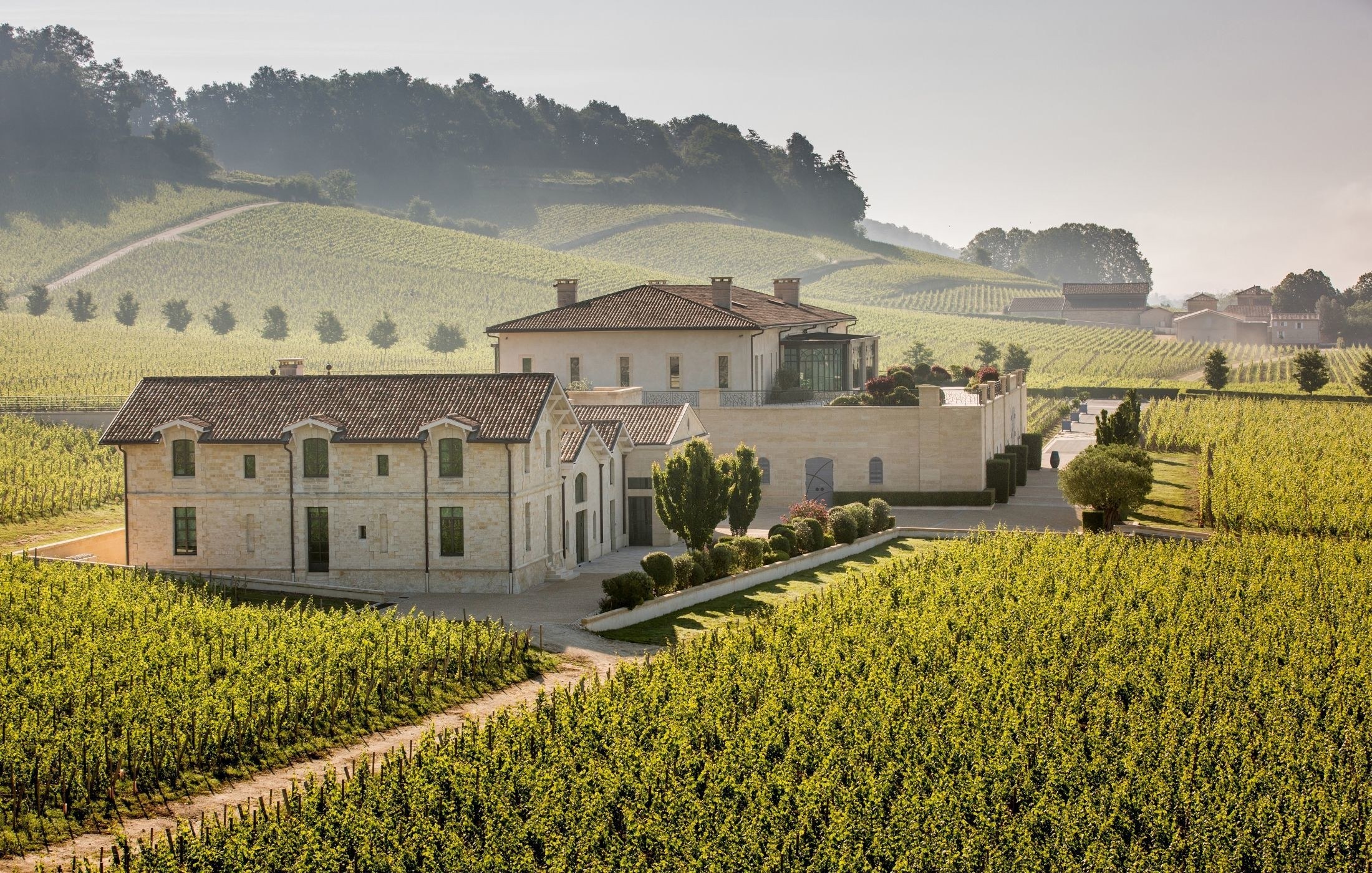
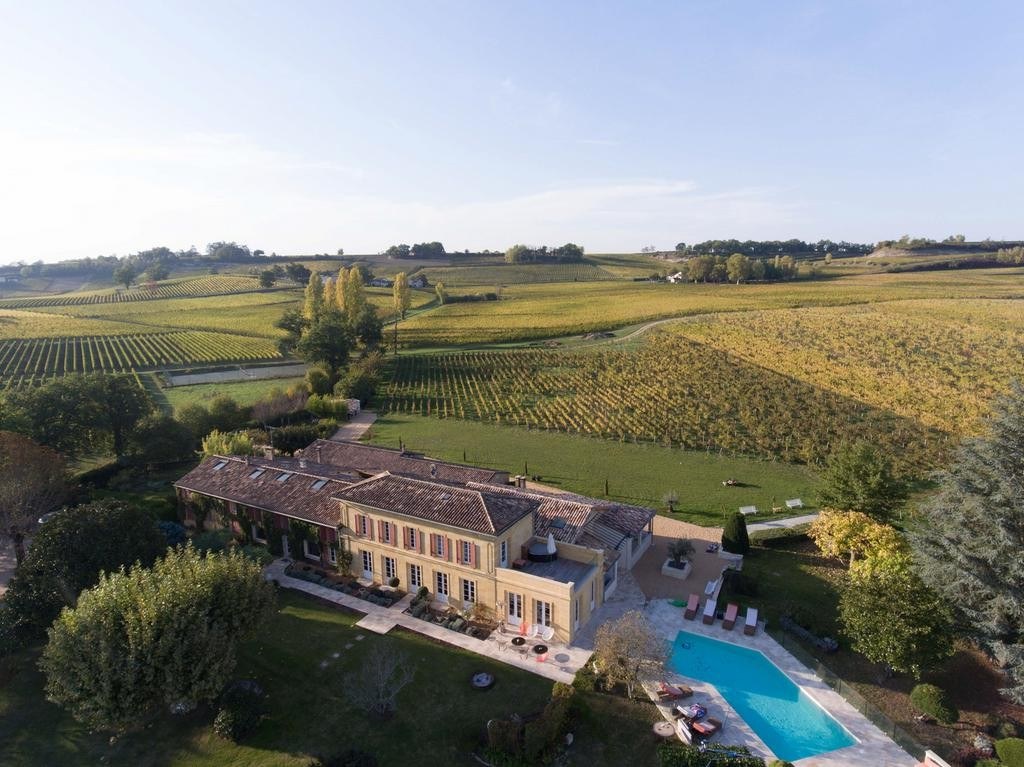
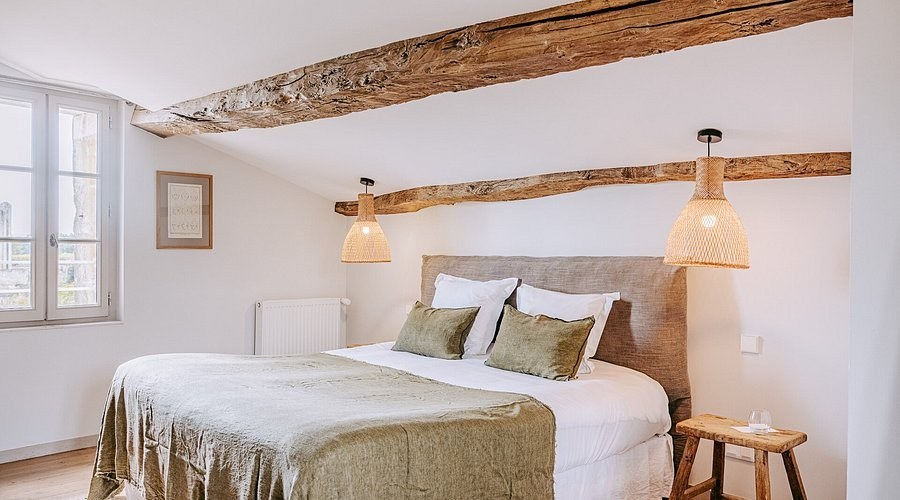
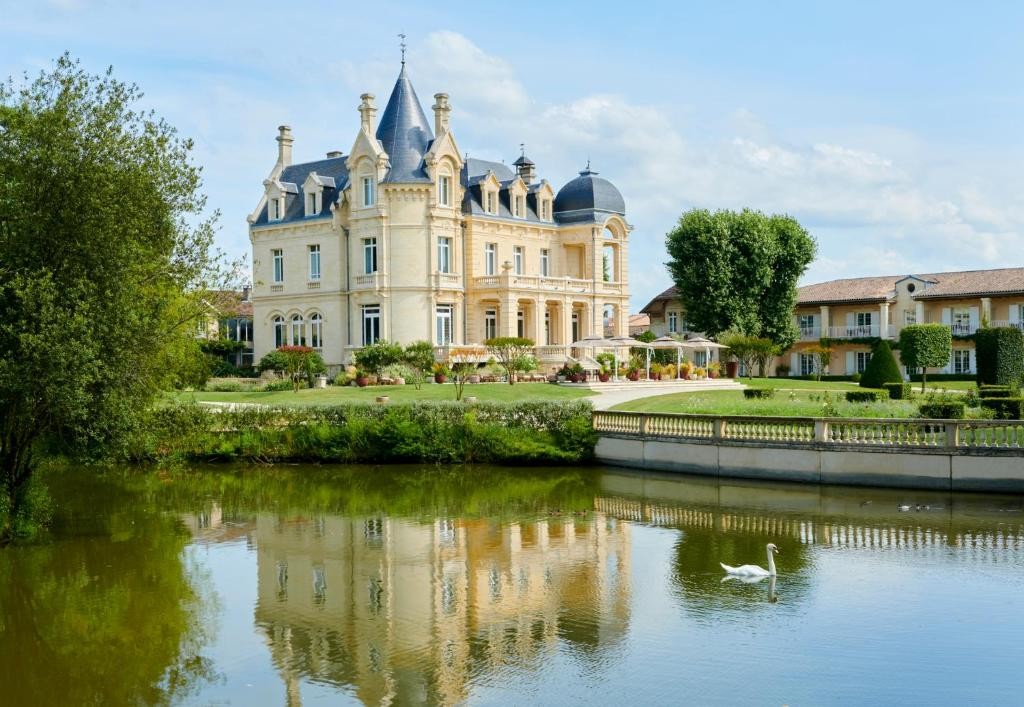
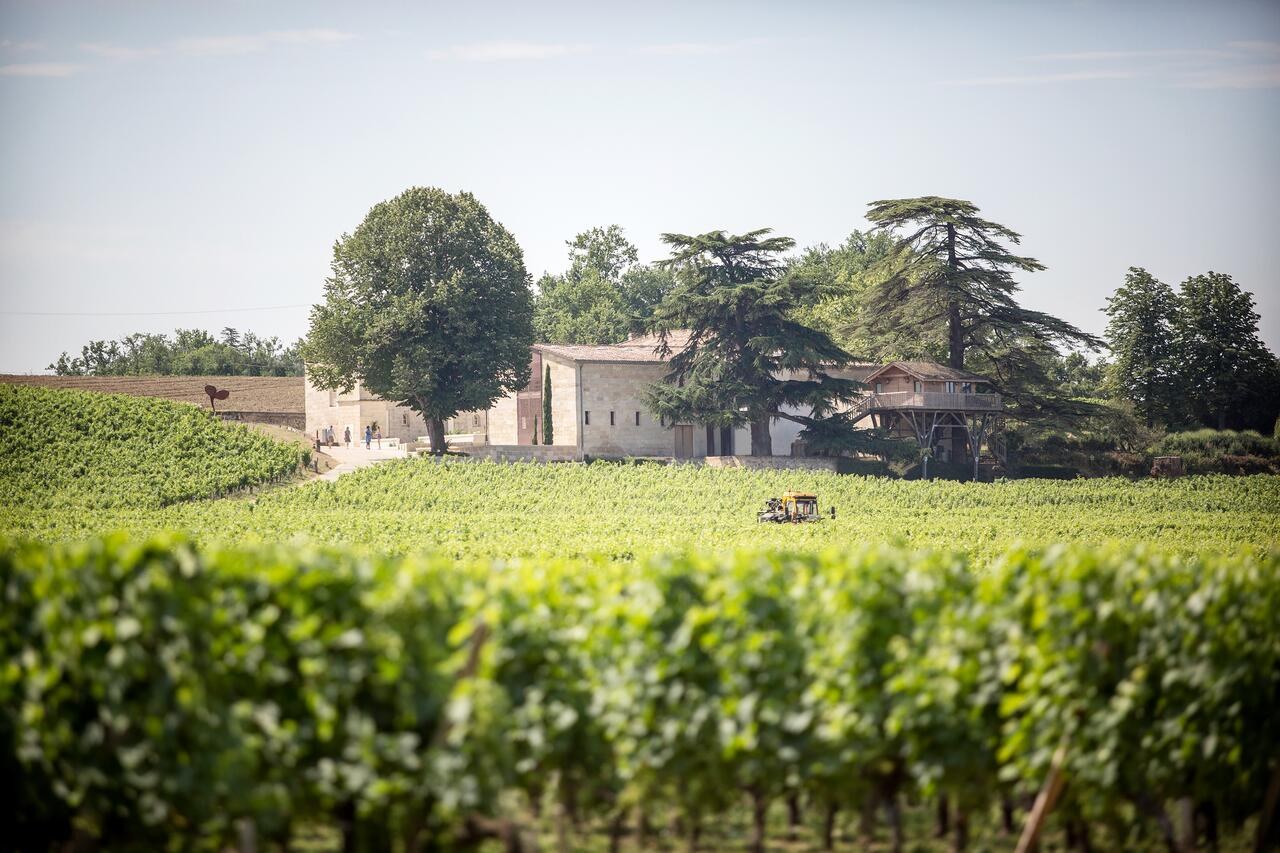
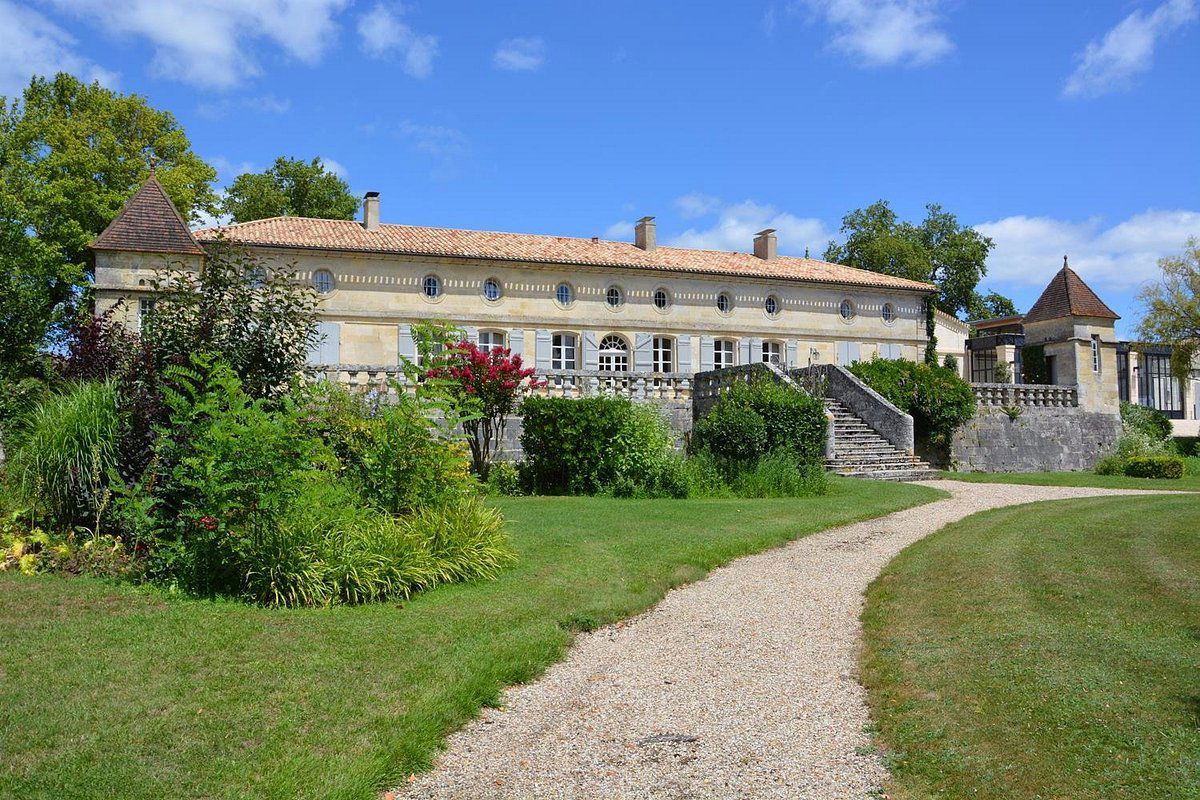
Elegant and refined with a classic, historic charm from its glamorous château structure amid rolling vineyards.
Tags
Vibe
Best For
Experience
Sourcing
View
At the Vineyard
- Appellation
- Pomerol AOC
- Varietals
- Merlot, Cabernet Franc, Cabernet Sauvignon
- Tour Duration
- 60-90 minutes
- Wine Club
- Not available
Planning details
Location
Also consider
Also Consider
- Vieux Château Certan, Notable alternative
- Château La Conseillante, Notable alternative
- Château Nénin, Notable alternative
- Château Cheval Blanc, Notable alternative
- Château L'Évangile, Notable alternative
Winery context
How it compares in Saint-Emilion and Pomerol
Chateau Beauregard is the softer, easier-feeling choice in this set: better for travelers who want an estate setting near Saint-Emilion without making the day revolve around a marquee label. Château Cheval Blanc is the splurge target for prestige and collector appeal, while Château La Conseillante is the cleaner pick for visitors prioritizing a polished Pomerol name.
Vieux Château Certan and Château L'Évangile make more sense for serious Pomerol comparison tasting if access lines up. Château Nénin is the better cross-shop when the brief is a composed Pomerol estate visit rather than a Saint-Emilion-centered day.
Choose Chateau Beauregard when ambiance and itinerary balance matter more than label hierarchy. Choose Cheval Blanc or La Conseillante when the booking needs to carry the weight of the whole trip.
Explore Saint-Émilion
Around this place
Discover more on Pearl
Unlock the full Chateau Beauregard guide in Pearl, including awards, comparisons, FAQs, planning details, and nearby places.
Compare Chateau Beauregard
| Venue | Location | Awards |
|---|---|---|
| Chateau Beauregard | Saint-Emilion | No published awards |
| Vieux Château Certan | Pomerol | 2025 Pearl 4 Star Prestige |
| Château La Conseillante | Saint-Emilion | 2025 Pearl 4 Star Prestige |
| Château Nénin | Libourne | 2025 Pearl 4 Star Prestige |
| Château Cheval Blanc | Saint-Emilion | 2025 Pearl 5 Star Prestige |
| Château L'Évangile | Pomerol | No published awards |

How Chateau Beauregard Saint-Emilion Guide compares with similar nearby venues.
FAQ
Frequently Asked Questions
Are delivery or shipping services available for Chateau Beauregard?
When is the best time to visit Chateau Beauregard?
Do I need a reservation at Chateau Beauregard?
Contact Chateau Beauregard directly before visiting rather than assuming walk-in access is available.
Are membership or club details available for Chateau Beauregard?
Review any current terms directly with Chateau Beauregard before deciding.
What other venues can I compare with Chateau Beauregard?
For comparison, consider Château Cheval Blanc, Château L'Évangile, Château La Conseillante, Château Nénin, Vieux Château Certan, along with other Saint-Emilion options generically when planning your route.
How long should I plan for a visit to Chateau Beauregard?
Can Chateau Beauregard handle large groups?
Ask Chateau Beauregard directly before planning a group visit.