
Château de Brégançon
Saint-Cyr-sur-Mer
Winery in Saint-Cyr-sur-Mer, France
 Book with Pearl
The Read
Mistral-Forged Provençal Rosé
Why go
Château de Brégançon is worth prioritising if you want a serious Provence estate visit with more depth than a casual tasting stop. The value comes from its 1970 first vintage, named winemaking team, and Pearl 2 Star Prestige recognition, but access is hard enough that it works better as a planned anchor than a same-day idea.
About Château de Brégançon
Is Château de Brégançon worth considering in Saint-Cyr-sur-Mer? Its listing includes Guillaume Lobre and Matthieu Lobre as chef/owner, a smart casual dress code, and Pearl 2 Star Prestige recognition for 2025.
Château de Brégançon's primary draw is its recognition and named ownership. Check the venue directly for current practical details like price, hours, service format, menu, tastings, or specific visit logistics before making plans.
Book for recognition, confirm other details
The strongest reason to consider Château de Brégançon is its Pearl 2 Star Prestige recognition in 2025. Specific operational details should be confirmed directly with the venue; planning should stay flexible until you confirm availability, timing, and any current visitor requirements.
For a Saint-Cyr-sur-Mer trip, keep the venue as one possible anchor and plan the rest of the day with current information. Broader local guides can help fill the day, including Saint-Cyr-sur-Mer restaurants and other local options.
Who should choose it
Choose Château de Brégançon if Pearl 2 Star Prestige recognition, a smart casual setting, and the association with Guillaume Lobre and Matthieu Lobre are enough to justify further inquiry. If you need prices, hours, menus, tasting formats, or other detailed logistics before deciding, check those directly before committing.
Quick reference: Pearl 2 Star Prestige 2025; Guillaume Lobre and Matthieu Lobre; smart casual dress code; confirm practical details directly.
Planning details
- Location
- 639 Rte de Léoube, 83230 Bormes-les-Mimosas
- Website
- chateau-de-bregancon.fr
- Phone
- +33 4 94 64 80 73
The take
The Take
The Vibe
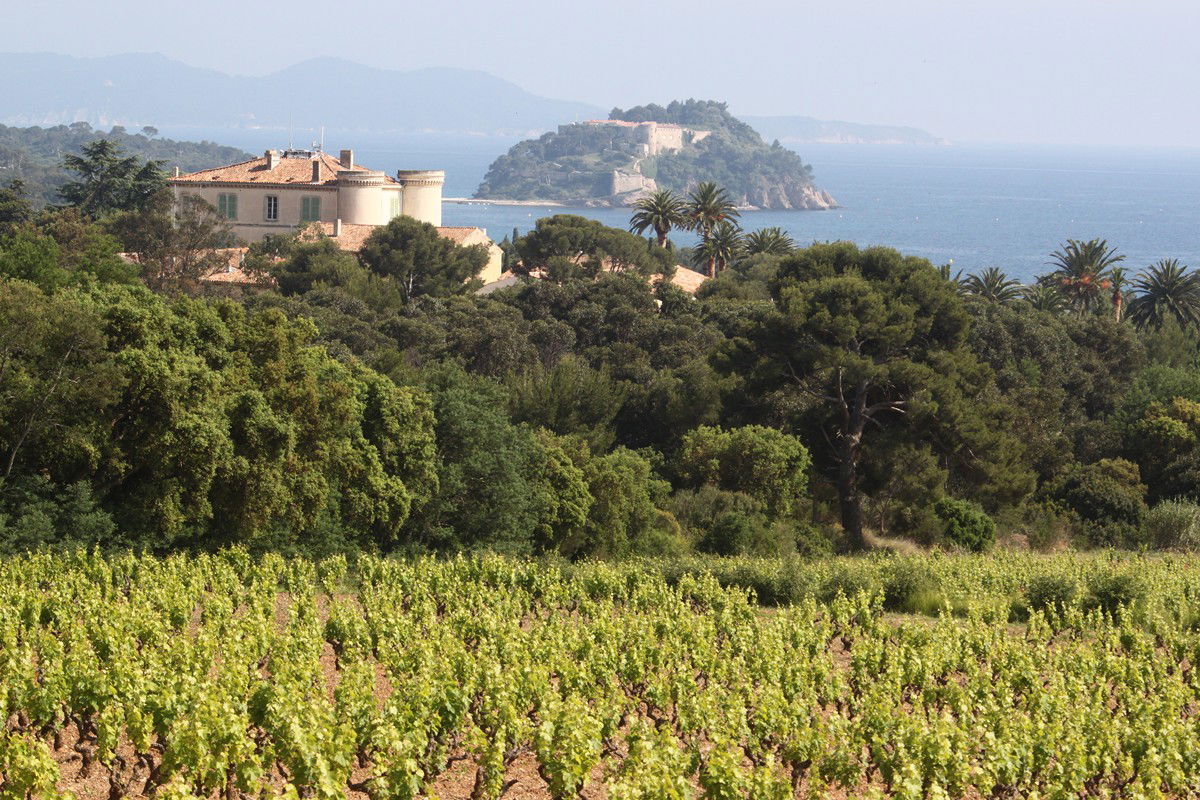
Château de Brégançon presents a restrained, coastal Provençal presence that privileges geology and climate over fashion. The estate sits on schist and clay slopes where the mistral scours vines and maritime air tempers heat, producing wines with mineral tension rather than overt fruitiness. The writing emphasizes a quiet, measured confidence—the work of an estate founded before the rosé boom and guided by winemakers who treat site characteristics as the primary authors of their wines. The overall effect is a serene, refined place where landscape and craft take center stage rather than showy presentation.
Best For
This is a property best experienced by visitors interested in terroir-forward tasting and focused wine study. The winery’s history, parcel variation and geological emphasis make it well suited to wine-education-minded visits and intimate special occasions that center around serious tasting rather than casual drinking. Its coastal hillside setting also complements romantic getaways for couples who appreciate measured, site-driven wines and a contemplative setting; the estate’s provenance and winemaking philosophy reward time spent with a flight of current-release wines and detailed conversation.
Tasting Tips
When tasting at Château de Brégançon, prioritize wines that showcase the site—seek bottles and tastings that reference specific parcels, schist or limestone influence and altitude differences. The description frames the Lobre approach as a "geological argument," so ask the team about minimal-intervention choices and how maritime air and mistral influence individual cuvées. Expect mineral tension and structural precision rather than overt fruit; plan to compare parcels or vintages to understand how the peninsula terrain and seaside moderation shape the wines.
Venue details
Ambiance
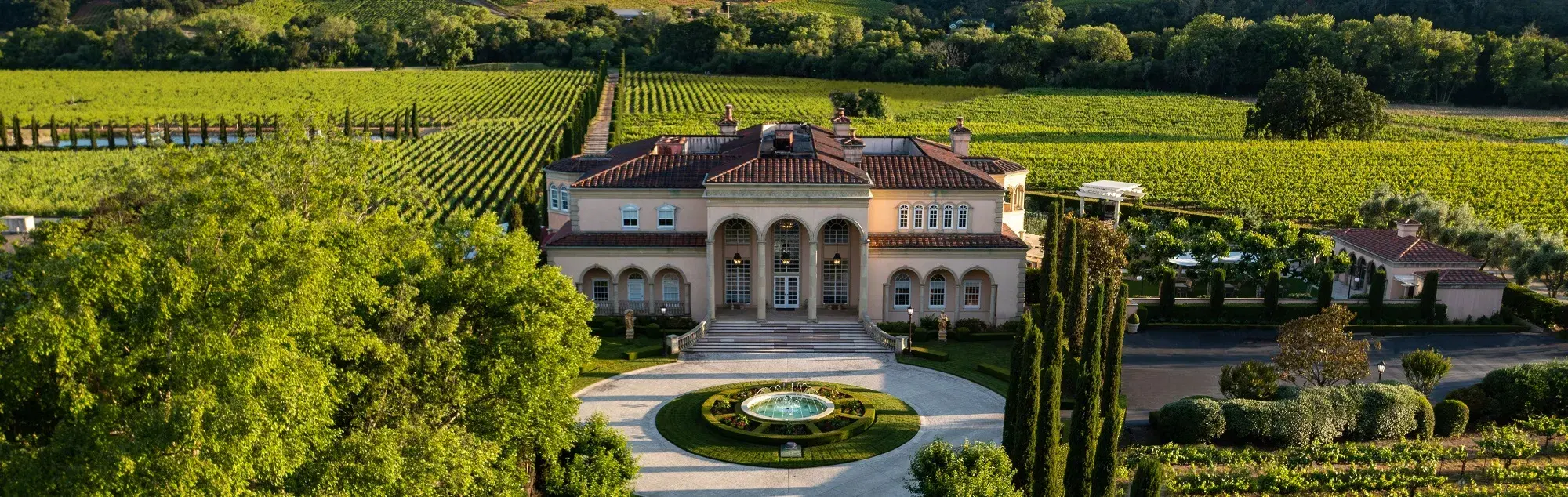
Refined and elegant atmosphere with maritime influences, evoking subtle sophistication in a historic château setting.
Tags
Vibe
Best For
Experience
Sourcing
View
At the Vineyard
- Appellation
- Côtes de Provence
- Varietals
- Grenache, Cinsault, Syrah, Mourvèdre, Rolle
- Tour Duration
- 60-90 minutes
- Tour Languages
- French, English
- Visits
- By appointment only
- Farming
- Organic
- Wine Styles
- Still Rose, Still Red, Still White
- Wine Club
- Not available
Know before you go
Know Before You Go
- Getting there
- 639 Rte de Léoube, 83230 Bormes-les-Mimosas
Planning details
Location
Recognition and awards
Also consider
Where to look if you cannot get in
If Château de Brégançon is not workable for your dates, try Domaine de la Sanglière for a nearby Provence alternative, or Château Saint-Maur if the group wants another established estate option. For a broader French wine trip rather than a local coastal day, Château de Rayne-Vigneau is the more natural cross-shop.
Winery context
How It Compares
Choose Château de Brégançon if recognition and estate depth matter more than ease. Against Domaine de la Sanglière and Château Saint-Maur, it is the more selective pick for a wine-focused itinerary, but not the safest choice if the schedule is tight or the group needs simple logistics.
Château de Saint-Martin and Château de Roquefort make more sense as backups when availability is the deciding factor. Château de Brégançon is the stronger call when the visit itself is the point of the day, rather than one stop in a packed route.
Château de Rayne-Vigneau belongs in a different comparison mindset: consider it when the trip is built around broader French wine depth rather than a Provence coastal itinerary. For Saint-Cyr-sur-Mer planning, Château de Brégançon is the splurge-of-effort choice; the others are easier cross-shops when flexibility wins.
Explore Saint-Cyr-sur-Mer
Around this place
Discover more on Pearl
Unlock the full Château de Brégançon guide in Pearl, including awards, comparisons, FAQs, planning details, and nearby places.
Compare Château de Brégançon
| Venue | Location | Awards |
|---|---|---|
| Château de Brégançon | Saint-Cyr-sur-Mer | 2025 Pearl 2 Star Prestige |
| Domaine de la Sanglière | Bormes-les-Mimosas | 2025 Pearl 3 Star Prestige |
| Château Saint-Maur | Cogolin | 2025 Pearl 4 Star Prestige |
| Château de Saint-Martin | La Motte | 2025 Pearl 2 Star Prestige |
| Château de Rayne-Vigneau | Taradeau | 2025 Pearl 4 Star Prestige |
| Château de Roquefort | Taradeau | 2025 Pearl 2 Star Prestige |
How Château de Brégançon compares with similar nearby venues.
FAQ
Frequently Asked Questions
What other venues can I compare with Château de Brégançon?
Comparison names to consider include Domaine de la Sanglière, Château Saint-Maur, Château de Saint-Martin, Château de Rayne-Vigneau, and Château de Roquefort. Château de Brégançon is located in Saint-Cyr-sur-Mer.
Are there membership details for Château de Brégançon?
Membership details are not available. Base any decision on current information from Château de Brégançon rather than assuming benefits, pricing, or access terms.
When is the best time to visit Château de Brégançon?
How long should I plan for a visit to Château de Brégançon?
A recommended visit length is not available. Plan only after confirming current timing, format, and availability directly with Château de Brégançon.
Do I need a reservation at Château de Brégançon?
Reservation requirements are not listed. Contact Château de Brégançon directly before making plans, especially if your Saint-Cyr-sur-Mer schedule depends on a specific time.
What is Château de Brégançon known for?
Information includes Pearl 2 Star Prestige 2025 recognition, Guillaume Lobre and Matthieu Lobre, and a smart casual dress code. Confirm any current offerings directly with the venue.