

Cointreau
Saint-Barthélemy-d'Anjou
Winery in Saint-Barthélemy-d'Anjou, France
 Book with Pearl
The Read
Loire Orange Distillation
Why go
Cointreau is worth planning as a spirits-led anchor near Angers, especially for a celebration itinerary that needs more structure than another casual tasting. Skip it if the group wants vineyard views or a purely wine-focused day; choose it when brand heritage and a polished visit matter more than cellar atmosphere.
About Cointreau
Cointreau is listed in Saint-Barthélemy-d'Anjou with a smart casual dress code and Pearl 3 Star Prestige recognition for 2025. These are key points for planning. Specific details such as visit format, menu, pricing, hours, capacity, or booking requirements are not available. For that reason, it is best to check directly with the venue before making firm plans, especially if the visit needs to fit into a tightly scheduled day or a more structured occasion.
For planning purposes, keep expectations narrow and grounded: the location is Saint-Barthélemy-d'Anjou, and the recognition is Pearl 3 Star Prestige (2025). The smart casual dress code also gives a helpful cue about attire. If the occasion depends on a particular service, experience, or schedule, verify those details with the venue directly. That distinction matters, because recognition and location can make a venue relevant, but they do not by themselves confirm how a visitor experience is organized on a given day.
Cointreau may be considered as a named stop in Saint-Barthélemy-d'Anjou, especially for travelers who value a recognized venue and want to plan around its distinction. It can anchor part of an itinerary when the priority is including a place with 2025 recognition, while leaving the practical shape of the visit open until details are confirmed. Use the Saint-Barthélemy-d'Anjou guide and bars guide to organize the rest of the day, while checking any practical details directly before visiting. That approach keeps the wider plan flexible, allowing other stops to be arranged around definite information rather than assumptions.
If you are comparing Cointreau with other named venues, keep the comparison broad rather than assuming the same format or offering. Domaine Huet, Domaine du Vieux Donjon, Domaine Dureuil-Janthial, Roger Groult, and Augier may be useful reference points for a wider itinerary, but equivalent services, tastings, hours, or visitor experiences across them are not established. In practical terms, they can help frame the kind of recognized names a traveler might be researching, while Cointreau should still be evaluated on its own details. Avoid treating the presence of those names as evidence that all operate in the same way, welcome visitors in the same format, or require the same level of advance planning.
Who should prioritize it
Prioritize Cointreau if a Saint-Barthélemy-d'Anjou venue with Pearl 3 Star Prestige (2025) fits the tone of the trip and a smart casual dress code suits the occasion. It can be treated as a recognition-backed stop, but is not proof of any specific tour, tasting, dining, retail, or group format. It is therefore best suited to travelers who are comfortable building an itinerary around its name and distinction, then taking the additional step of confirming the operational details that matter to them.
The practical verdict: Cointreau is worth considering for travelers building time in Saint-Barthélemy-d'Anjou around a recognized venue. It has enough information to make it relevant in a shortlist, particularly when recognition, place, and dress code are the key decision points. For anything more specific than location, dress code, and recognition, confirm directly before committing the itinerary. That final check is the safest way to align expectations with what is actually available, and to avoid turning a promising listing into a plan built on details that are not available.
Planning details
- Location
- 2 Bd des Bretonnières, 49124 Saint-Barthélemy-d'Anjou
- Website
- cointreau.com/fr/fr/distillerie-cointreau
- Phone
- +33 2 41 31 50 50
The take
The Take
The Vibe
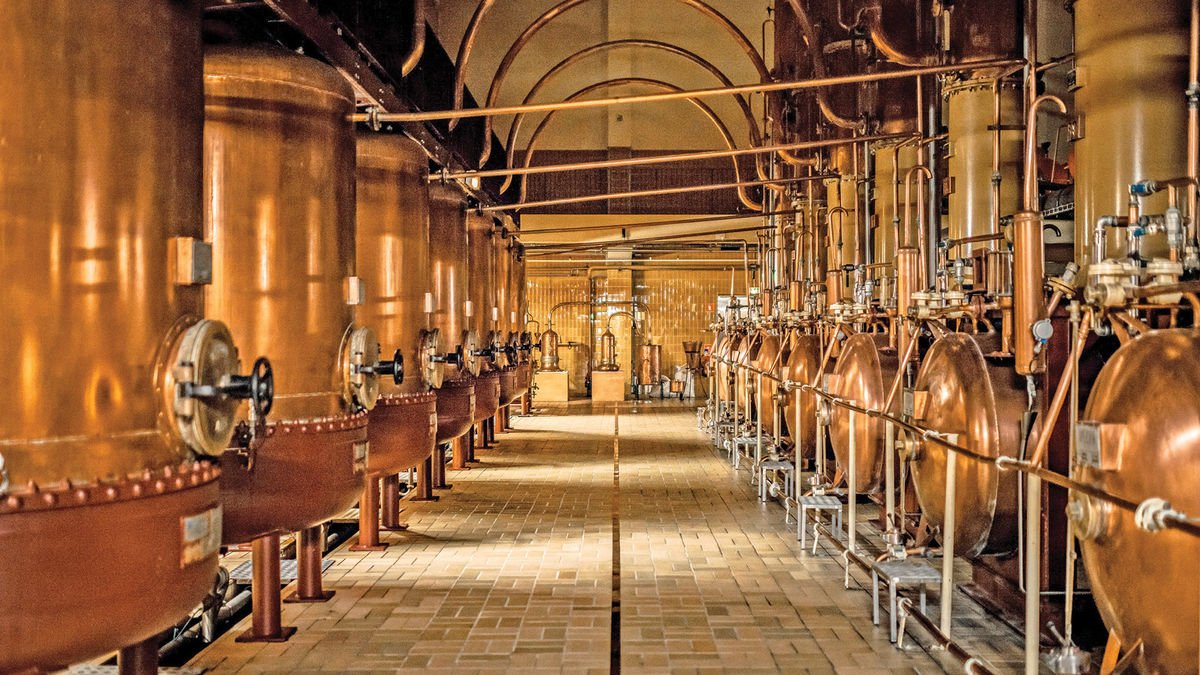
Cointreau reads like an industrial atelier rather than a bucolic Loire estate. The writing leans into the factory setting — a production facility sited within an agricultural-industrial neighbourhood — and frames the house around precision manufacturing and technical know-how. That pragmatic, machine-lit sensibility sits alongside a quieter historic thread: the region’s nineteenth-century citrus-processing heritage and generations of distillation practice. Visitors should expect a tone of exactitude and craft rather than vineyard romance; the experience is about distilled technique and institutional memory as much as any romanticized terroir story.
Best For
This site is best for visitors who come to learn about spirits production and industrial craft rather than to admire vineyard landscapes. The narrative foregrounds technical skills, sourcing decisions and distillation history, so it suits professionals, students, or curious travelers focused on production-method education and the broader Loire context for spirits. Group visits oriented to learning—lectures, demonstrations or industry-focused outings—are a natural fit, as are anyone interested in how a classic French liqueur is made within an agricultural-manufacturing setting.
Tasting Tips
When engaging with Cointreau in this context, center questions on process and provenance rather than tasting-room theatrics. The text highlights the role of sweet and bitter orange peel, international sourcing and distillation chemistry, so a useful approach is to sample with an ear toward balance and extraction: probe how peel selection, maceration and distillation shape sweetness and bitterness. Ask about the house’s technical choices and historical practices to get the most out of a visit—this is a place where production details illuminate the spirit more than scenic presentation.
Venue details
Ambiance
Intimate and feutrée bar atmosphere with perfumed aromas of orange zest and modern distillery spaces highlighting industrial heritage.
Tags
Vibe
Best For
Experience
At the Vineyard
- Appellation
- Anjou
- Tour Duration
- 60-90 minutes
- Tour Languages
- French, English
- Visits
- By reservation
- Wine Club
- Not available
Know before you go
Know Before You Go
- Getting there
- 2 Bd des Bretonnières, 49124 Saint-Barthélemy-d'Anjou
Planning details
Location
2 Bd des Bretonnières, 49124 Saint-Barthélemy-d'Anjou · Directions
Also consider
Also Consider
- Domaine Huet, Notable alternative
- Domaine Dureuil-Janthial, Notable alternative
- Augier, Notable alternative
- Roger Groult, Notable alternative
- Domaine du Vieux Donjon, Notable alternative
Winery context
How it compares with nearby producer visits
Choose Cointreau when the brief is a polished spirits-house stop near Angers rather than a vineyard-first visit. Domaine Huet and Domaine Dureuil-Janthial make more sense for travelers who want wine as the main event, while Cointreau is the stronger fit for mixed groups that may not want another bottle-focused appointment.
Augier is the closest peer in spirit, so cross-shop it if the goal is French spirits context rather than Loire wine. Roger Groult is better for a Calvados-led route, while Cointreau is easier to slot into an Angers-based plan because the address is in Saint-Barthélemy-d'Anjou.
For ambiance, Domaine du Vieux Donjon is the better pick if the group wants classic wine-country energy. Cointreau is the practical choice when the occasion calls for a recognizable name, a tighter city-adjacent plan, and a visit that does not depend on vineyard scenery to feel worthwhile.
Explore Saint-Barthélemy-d'Anjou
Around this place
Discover more on Pearl
Unlock the full Cointreau guide in Pearl, including awards, comparisons, FAQs, planning details, and nearby places.
Compare Cointreau
| Venue | Location | Awards |
|---|---|---|
| Cointreau | Saint-Barthélemy-d'Anjou | No published awards |
| Domaine Huet | Vouvray | 2026 Falstaff Winery Guide |
| Domaine Dureuil-Janthial | Rully | 2026 Michelin 2 Grapes - Burgundy |
| Augier | Aigre | No published awards |
| Roger Groult | Saint-Cyr du Ronceray | No published awards |
| Domaine du Vieux Donjon | Litteau | 2026 Falstaff Winery Guide2025 Pearl 4 Star Prestige |



How Cointreau Saint-Barthélemy-d'Anjou compares with similar nearby venues.
FAQ
Frequently Asked Questions
How long should I plan for a visit to Cointreau?
No visit duration is available. Cointreau is in Saint-Barthélemy-d'Anjou, so plan only after confirming current visitor details directly with the venue.
What is confirmed about Cointreau?
Information available includes its Saint-Barthélemy-d'Anjou location, smart casual dress code, and Pearl 3 Star Prestige recognition for 2025. Specific offerings, schedules, prices, and visit formats are not detailed.
Are specific services or visitor experiences for Cointreau?
No specific service, visitor experience, or format is described for Cointreau. If those details matter, check directly with Cointreau and compare information when considering other named venues such as Domaine Dureuil-Janthial or Roger Groult.
Can Cointreau handle large groups?
No group-capacity information is available. Larger parties should confirm arrangements directly with Cointreau in Saint-Barthélemy-d'Anjou before planning around it; Augier may be another name to compare for a broader itinerary.
Do I need a reservation at Cointreau?
No reservation requirement is available. Because Cointreau has Pearl 3 Star Prestige recognition for 2025, it is sensible to check current booking expectations directly before making plans.