
Quinta do Infantado
Covas do Douro, Sabrosa
Winery in Sabrosa, Portugal
 Book with Pearl
The Read
Pioneer Organic Viticulture
Why go
Quinta do Infantado is worth prioritizing if the trip is about serious Douro wine rather than easy drop-in tourism. Its World's 50 Best Vineyards recognition gives it real credibility, but availability should be treated as difficult, so have a Sabrosa backup if timing is tight.
About Quinta do Infantado
Is Quinta do Infantado worth considering in Sabrosa? Yes. Quinta do Infantado is in Sabrosa, has a casual dress code, and carries recognition including World's 50 Best Vineyards #28 (2022).
Hours, visit format, pricing, booking rules, food service, shipping, or group policies are not available, so plan cautiously and confirm the practical details directly before building an itinerary around it. Quinta do Infantado has meaningful recognition, but the specifics of how to visit should be confirmed directly.
Choose it for its recognition, but confirm details directly
The strongest reason to put Quinta do Infantado on a Sabrosa itinerary is its award profile. It has Pearl 2 Star Prestige for 2025, and it was ranked #28 on World's 50 Best Vineyards in 2022. Those are useful credibility markers, especially for travelers comparing recognized venue names, but they don't specify a particular tour style, tasting format, menu, price point, or booking policy.
Dress is casual, so there is no need to treat it as a formal stop. Beyond that, avoid assuming walk-in access, large-group suitability, lunch service, delivery, take-out, dietary accommodations, or shipping. Confirm directly with the venue before you make firm plans.
Where it fits in a Sabrosa itinerary
For comparisons, Quinta do Crasto, Quinta Nova de Nossa Senhora do Carmo, Quinta do Noval, Quinta das Carvalhas, and Quinta do Seixo (Sandeman), Douro Valley are useful names to consider alongside Quinta do Infantado. Treat each as a separate planning decision rather than assuming the same location, availability, visit format, or hospitality setup.
If you are planning the non-venue parts of a Sabrosa trip, keep our full Sabrosa hotels guide handy and compare other Sabrosa dining or travel options generically as needed. The practical bottom line is simple: Quinta do Infantado is a recognized Sabrosa venue with awards, but the visit details should be checked directly before you commit your day around it.
Planning details
- Location
- Cemitério de Covas do Douro, 5085-205 Pinhão
- Website
- quintadoinfantado.pt
The take
The Take
The Vibe
Quinta do Infantado reads as a quietly confident Douro estate defined by an early commitment to organic viticulture. The tone is low-key rather than flashy: the narrative centers on farming choices—schist soils, Touriga Nacional and a harvest approach that predates broader regional shifts. Visits feel centered on the land and the vintage, not on polished tasting-room theatre. That focus produces an intimate, grounded atmosphere where the estate’s agricultural philosophy is the main attraction, and where the pleasures come from participating in or witnessing hands-on work among vines rather than from ostentation.
Best For
This quinta is best for visitors whose main interest is viticulture and the harvest season: people seeking first-hand insights into organic farming in the Douro, curious wine students, and travelers who prefer understated producers to high-profile estates. It suits those who want a tactile, educational experience—harvest participation is presented as the primary offer—so it’s a strong pick for small groups or individuals focused on learning about vineyard practices and the vintage rather than looking for a conventional tasting-room visit.
Tasting Tips
Plan visits around the vintage: the estate explicitly positions harvest participation as its main experiential draw, so timing a trip for vintage season is the way to access the hands-on elements the quinta emphasizes. Expect the visit to revolve around vineyard work and farming stories rather than a standard tasting-room lineup; treat the trip as an agricultural experience. Because the editorial focus is on the harvest visit rather than passive tasting, inquire ahead about availability during the season and what level of participation is offered so your visit matches expectations.
Venue details
Ambiance
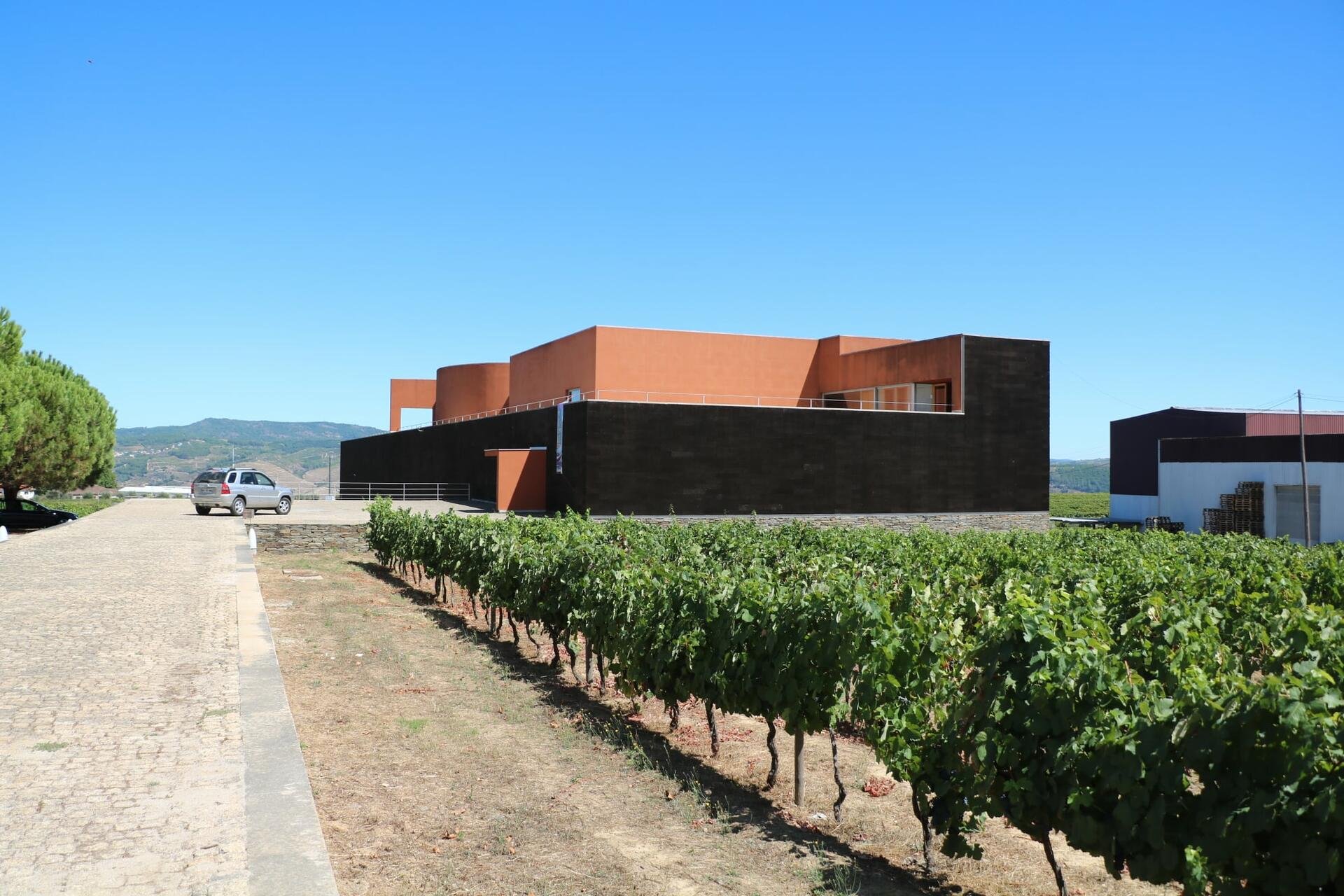
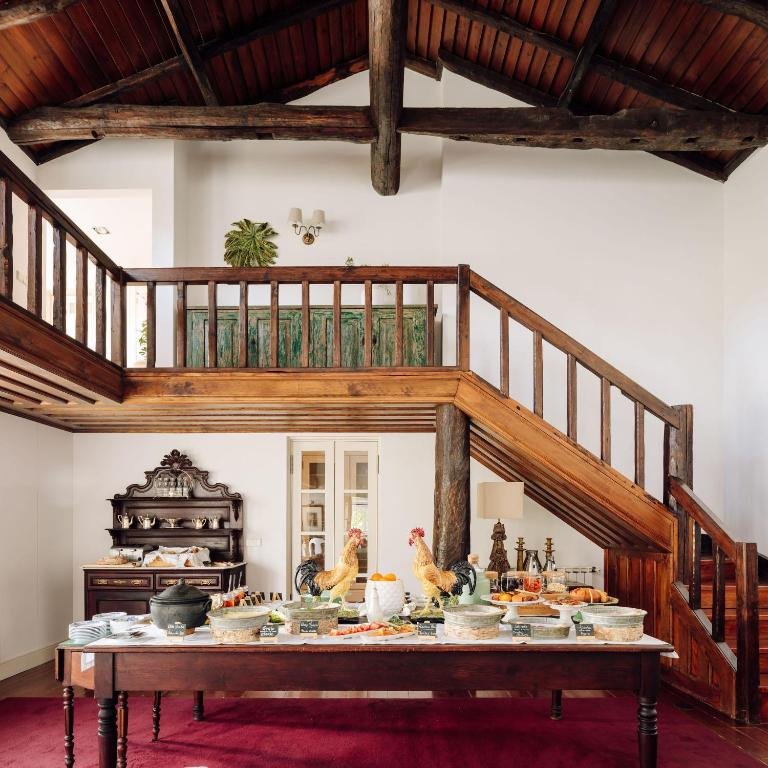
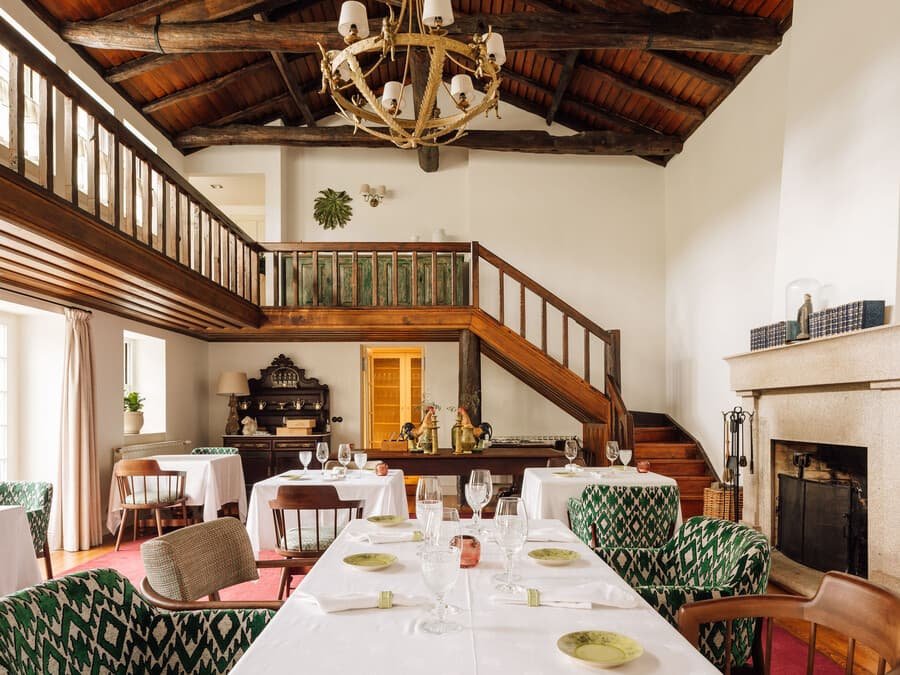
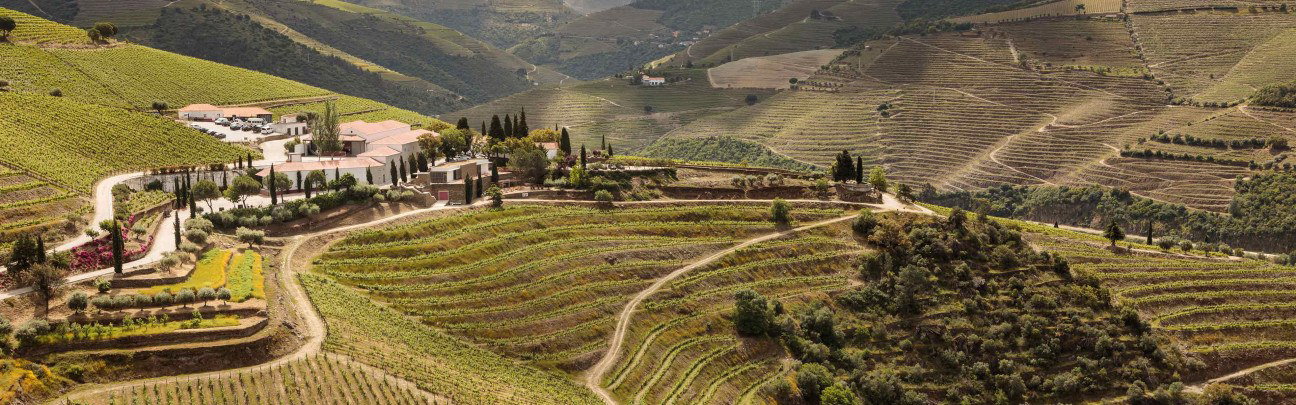
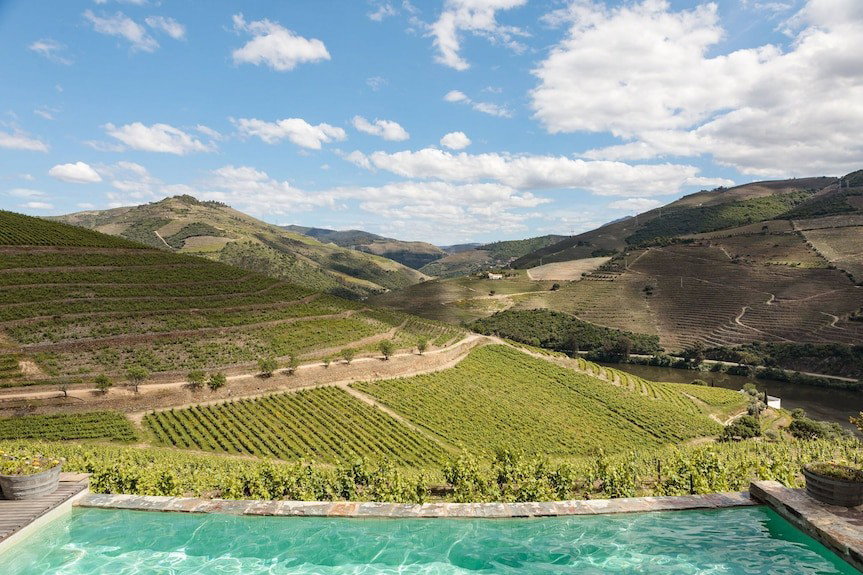
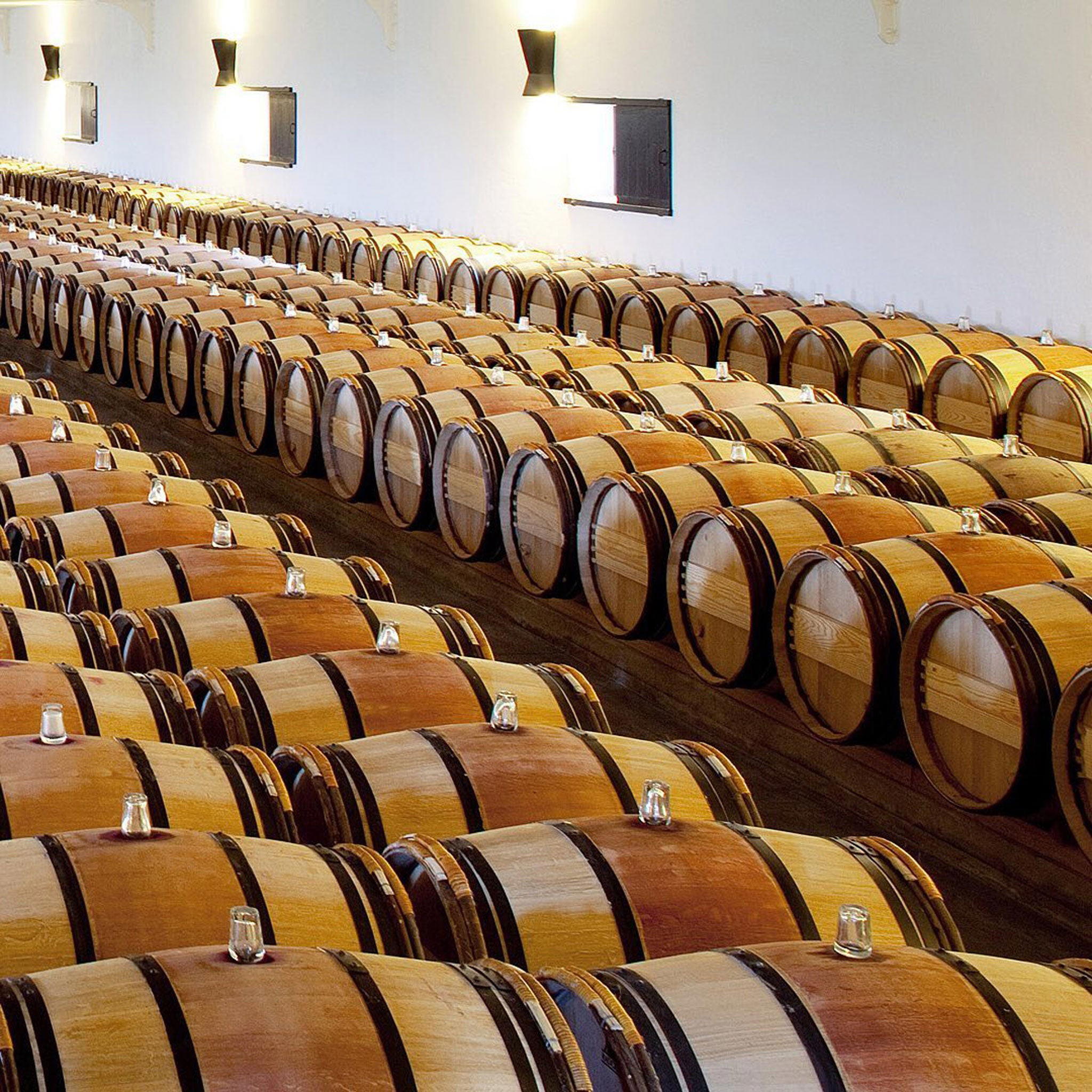
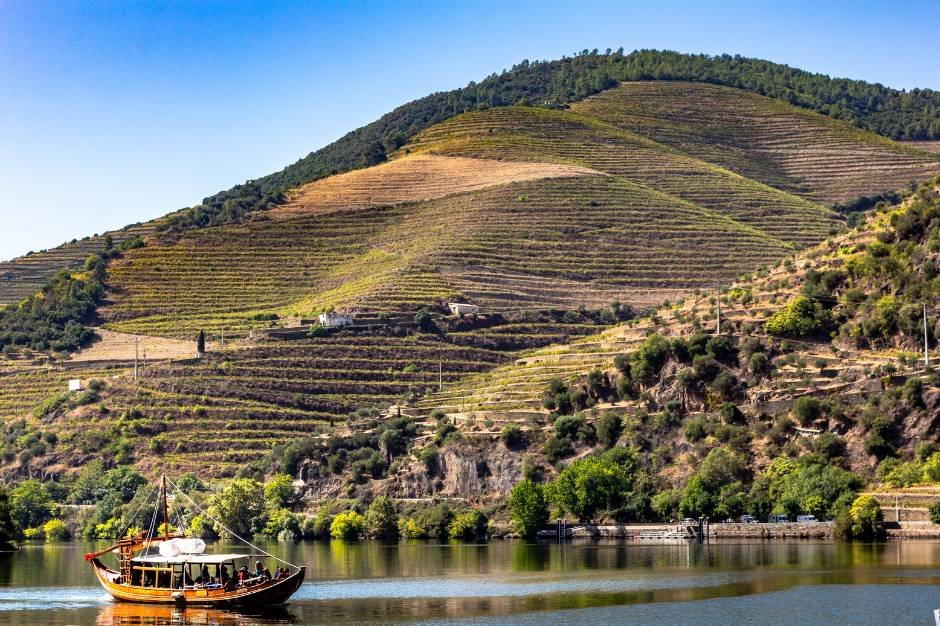
Traditional rustic setting amid terraced schist vineyards with historic adega featuring wooden barrels and stone lagares, offering a serene, authentic Douro atmosphere.
Tags
Vibe
Best For
Experience
Sourcing
View
At the Vineyard
- Appellation
- Douro DOC
- Varietals
- Touriga Nacional, Touriga Franca, Tinta Roriz, Gouveio, Rabigato
- Tour Duration
- 60-90 minutes
- Tour Languages
- Portuguese, English
- Visits
- By appointment only
- Farming
- Sustainable
- Wine Styles
- Still Red, Still White, Fortified, Still Rose
- Wine Club
- Not available
Know before you go
Know Before You Go
- Getting there
- Cemitério de Covas do Douro, 5085-205 Pinhão
Planning details
Location
Cemitério de Covas do Douro, 5085-205 Pinhão · Directions
Recognition and awards

Also consider
Where to go if this is full
If Quinta do Infantado is unavailable, try Quinta do Crasto first for a Sabrosa-based alternative with broader group appeal. For a more established Douro name outside Sabrosa, Quinta do Noval is the cleaner backup.
Winery context
How it compares in the Douro
Choose Quinta do Infantado when the priority is a focused wine stop with strong credibility and less emphasis on a broad visitor circuit. Quinta Nova de Nossa Senhora do Carmo is the better fit for travelers who want a more complete hospitality-led estate experience, while Infantado is the sharper choice for people deciding what bottles are worth attention.
Quinta do Noval and Quinta do Seixo (Sandeman), Douro Valley make more sense for visitors who want famous-name recognition and a smoother first-time Douro itinerary. The tradeoff is that those options may feel more obvious. Infantado is better when the traveler wants depth over brand familiarity, assuming availability works.
For Sabrosa specifically, Quinta do Crasto is the safer cross-shop for groups that need wider appeal, while Quinta das Carvalhas is useful for a more classic Douro comparison outside Sabrosa. If only one difficult booking can be attempted, make it Infantado for wine seriousness; if the group includes casual tasters, Crasto is the easier recommendation.
Explore Sabrosa
Around this place
Discover more on Pearl
Unlock the full Quinta do Infantado guide in Pearl, including awards, comparisons, FAQs, planning details, and nearby places.
Compare Quinta do Infantado
| Venue | Location | Awards |
|---|---|---|
| Quinta do Infantado | Sabrosa | 2022 World's 50 Best Vineyards · #282021 World's 50 Best Vineyards · #50 |
| Quinta Nova de Nossa Senhora do Carmo | Covas do Douro | 2026 Falstaff Winery Guide2025 World's 50 Best Vineyards · #742022 World's 50 Best Vineyards · #42 |
| Quinta do Noval | Pinhão | 2026 Falstaff Winery Guide2025 World's 50 Best Vineyards · #732024 World's 50 Best Vineyards · #362023 World's 50 Best Vineyards · #162022 World's 50 Best Vineyards · #482021 World's 50 Best Vineyards · #292020 World's 50 Best Vineyards · #49 |
| Quinta do Seixo (Sandeman), Douro Valley | Tabuaço | 2025 World's 50 Best Vineyards · #622023 World's 50 Best Vineyards · #42 |
| Quinta do Crasto | Sabrosa | 2026 Falstaff Winery Guide2025 World's 50 Best Vineyards · #672024 World's 50 Best Vineyards · #152023 World's 50 Best Vineyards · #152022 World's 50 Best Vineyards · #82021 World's 50 Best Vineyards · #162020 World's 50 Best Vineyards · #82019 World's 50 Best Vineyards · #4 |
| Quinta das Carvalhas | Pinhão | No published awards |

How Quinta do Infantado Sabrosa compares with similar nearby venues.
FAQ
Frequently Asked Questions
How long should I plan for a visit to Quinta do Infantado?
Visit length, hours, or format are not available. Treat Quinta do Infantado as a Sabrosa stop that requires direct confirmation before you plan the timing of your day.
Can Quinta do Infantado handle large groups?
A group policy or capacity is not available. If you are planning for a larger party, confirm directly with the venue before assuming it can accommodate the group.
What other venues can I compare with Quinta do Infantado?
Useful comparisons include Quinta do Crasto, Quinta Nova de Nossa Senhora do Carmo, Quinta do Noval, Quinta das Carvalhas, and Quinta do Seixo (Sandeman), Douro Valley. Check each venue directly for current visit details.
Is the wine club at Quinta do Infantado worth joining?
A wine club program is not available. Key recognition includes Pearl 2 Star Prestige (2025) and World's 50 Best Vineyards #28 in 2022.
Does Quinta do Infantado ship wine?
When is the best time to visit Quinta do Infantado?
Hours, seasonality, or a recommended time of day are not available. Plan around confirmed availability from the venue rather than assuming a specific visit window.
Do I need a reservation at Quinta do Infantado?
A booking policy is not available. Since hours or visit-format details are not available, contact Quinta do Infantado directly before making it a fixed stop in Sabrosa.