
Winery in Rutherford, United States
Whitehall Lane
500ptsRutherford-Floor Cabernet
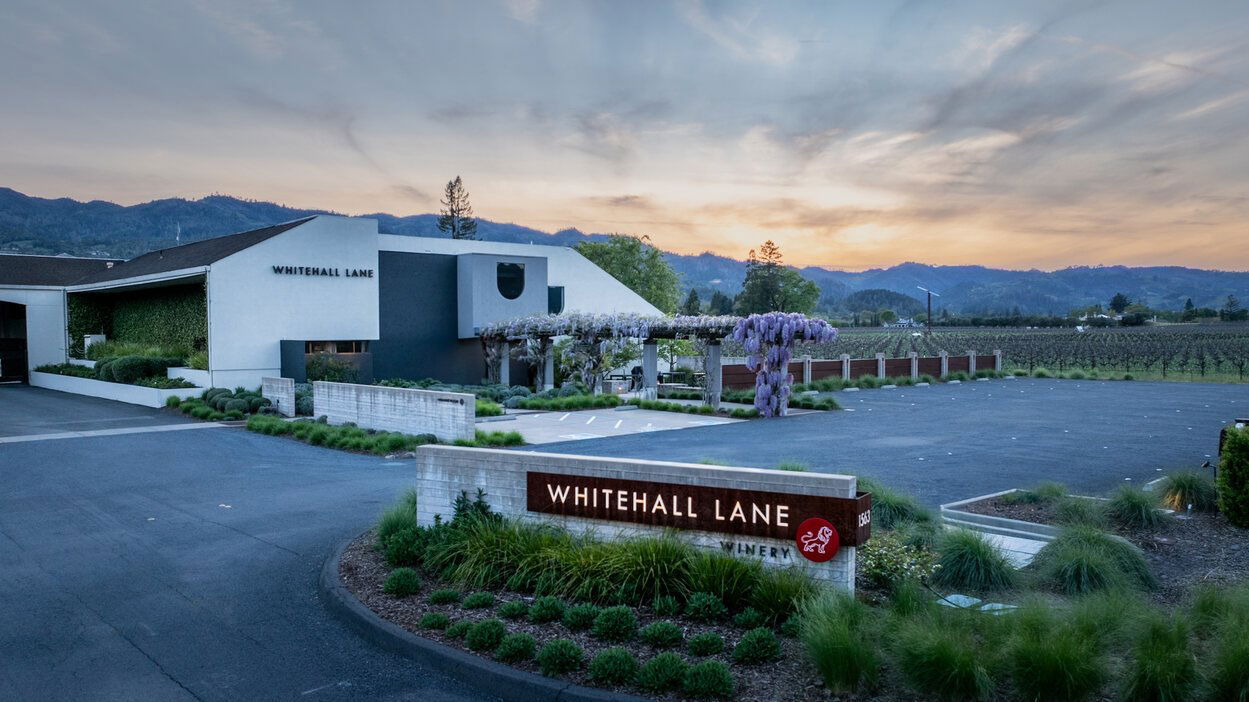
About Whitehall Lane
Whitehall Lane is a Rutherford winery earning a Pearl 2 Star Prestige award in 2025, placing it among a tier of producers where vineyard provenance and winemaking discipline carry as much weight as cellar reputation. Set along one of Napa's most storied stretches of the valley floor, it draws serious collectors and curious visitors to a region that has long defined California's relationship with structured red wine.
Rutherford's Valley Floor and the Producers Who Take It Seriously
South Whitehall Lane runs through one of the most closely watched corridors in American viticulture. The road itself is practically a coordinate in Napa's mental map for collectors: a narrow passage flanked by the kind of deep, well-drained alluvial soils that winemakers in Bordeaux spent centuries trying to replicate. Rutherford dust, the term local growers use for the chalky, mineral character that this stretch of valley floor imparts to Cabernet Sauvignon, is not myth. It is measurable, documented, and argued about with the kind of intensity that other California appellations reserve for vintage debates. Whitehall Lane sits on this ground, and the address alone signals a certain seriousness of purpose.
The 2025 Pearl 2 Star Prestige award places Whitehall Lane inside a tier of Napa producers where recognition is earned through sustained consistency rather than a single celebrated vintage. In a valley where marketing budgets often outpace the wine itself, a prestige-tier independent assessment carries more weight than a tasting room's self-description. For context, other Rutherford operations working at comparable levels of ambition include Alpha Omega Winery, Beaulieu Vineyard (BV), Cakebread Cellars, Cathiard, and Caymus Vineyards. Each of those names commands a different price tier, stylistic register, and collector following, but they share the same fundamental asset: access to Rutherford-appellation fruit at a moment when that fruit is among the most valuable agricultural output in the United States.
What Rutherford Demands From Its Winemakers
The editorial conversation around Napa Cabernet has shifted considerably over the past decade. The valley's dominant export to the world was, for a generation, a particular kind of opulence: extracted, dark-fruited, and high-alcohol wines built for scores rather than cellars. That style still sells, but a parallel current has been running through the better Rutherford producers, one that looks toward greater textural precision, longer aging curves, and site expression over stylistic formula.
Broader Napa region has also seen cross-pollination with Old World technique intensify. Producers returning from Burgundy and Bordeaux stages, or hiring winemakers with those credentials, have changed the vocabulary of how people talk about California Cabernet. The conversation has moved toward whole-cluster percentages, fermentation temperature curves, and the specific gravity of press fractions, language that would have seemed esoteric in a Napa tasting room fifteen years ago. This is the context in which wines from Whitehall Lane's address are evaluated, and it is a more demanding context than the one that shaped Napa's original prestige narrative.
For visitors looking to build a comparative tasting picture across the valley's different production philosophies, Whitehall Lane's Rutherford location offers easy access to a set of significant neighbors. Accendo Cellars in St. Helena represents one end of the small-production, allocation-driven spectrum. Further afield, Artesa Vineyards and Winery in Napa shows what a large-format operation with serious technical investment looks like at the southern end of the valley. Both represent different answers to the same question California winemakers have been asking for fifty years: how much of this wine's identity should come from technique, and how much should come from the ground?
Indigenous Product, Imported Method: The Central Tension
Rutherford's Cabernet Sauvignon is, in many respects, an indigenous product that has been shaped by imported ambition. The Bordeaux varieties that dominate Napa's upper tier were transplanted, but the specific expression they achieve on the valley floor is native to this place. The soils, the diurnal temperature swings, the afternoon wind that pushes through the Oakville Gap and cools the vines before evening: these are conditions that no winemaker engineered, and no technique can substitute for.
The intersection of that indigenous product with methods borrowed or adapted from European tradition is where the most interesting Napa wines tend to emerge. Producers who treat their Rutherford Cabernet as raw material to be corrected or amplified through technique tend to produce wines that taste like they could have come from anywhere with access to a good winemaking consultant. Those who treat the site as the primary author, and their own technical choices as editing rather than authoring, tend to produce wines with a geographic specificity that justifies the premium Rutherford fruit commands. The Pearl 2 Star Prestige recognition Whitehall Lane received in 2025 suggests the operation lands in the latter camp, though the precise technical approach would require direct tasting experience to characterize fully.
California produces compelling expressions of this local-ingredient, global-method dynamic well beyond Napa. Adelaida Vineyards in Paso Robles, Alban Vineyards in Arroyo Grande, and Andrew Murray Vineyards in Los Olivos all demonstrate versions of that negotiation with Rhone varieties in California's southern and central coastal regions. Adelsheim Vineyard in Newberg makes the same argument for Oregon Pinot Noir. And internationally, you can trace parallel conversations at Aberlour in Aberlour and Achaia Clauss in Patras, where tradition-rooted production intersects with modern quality standards in ways that mirror Napa's own evolution. Closer to Whitehall Lane's geography, Alexander Valley Vineyards in Geyserville offers a Sonoma counterpoint to the Napa Valley approach, with a warmer, more generous house style built on similarly old-vine Cabernet.
Planning a Visit to Rutherford
Rutherford sits at roughly the midpoint of the Napa Valley, which makes it a logical anchor for a day organized around multiple stops. The town itself is small, with the agricultural and winery infrastructure far outnumbering the hospitality amenities. Visitors who time a visit to Whitehall Lane should plan to arrive during tasting hours (confirming directly with the winery before departure, as hours and formats change seasonally), and should account for the fact that peak season traffic on Highway 29 between late spring and early autumn makes mid-morning or late-afternoon arrivals considerably more efficient than midday.
The address on South Whitehall Lane places the winery in a quieter lane environment away from the main highway, which changes the arrival experience relative to the roadside tasting rooms that cluster along Route 29's more commercial stretches. Booking in advance is advisable, particularly in harvest season, when production activity and winery events frequently compress the available tasting appointment windows across the entire valley.
For a fuller sense of the Rutherford appellation and how Whitehall Lane fits into the regional picture, see our full Rutherford restaurants and wineries guide, which covers the producers, dining options, and practical logistics for a day in this part of the valley.
Frequently Asked Questions
What is the main draw of Whitehall Lane?
The address is its own argument. Rutherford-appellation Cabernet Sauvignon commands premium prices and serious collector attention because the valley floor soils here produce a specific mineral character, often called Rutherford dust, that is difficult to replicate elsewhere in California. Whitehall Lane's 2025 Pearl 2 Star Prestige recognition places it in a peer group of Napa producers where terroir-driven quality is the primary differentiator, and that combination of address and independent recognition is the draw for the more serious end of the tasting visitor spectrum.
What wine should I focus on at Whitehall Lane?
Rutherford's dominant variety is Cabernet Sauvignon, and any winery operating at the prestige tier in this appellation will anchor its program around that grape. The valley floor site on South Whitehall Lane, combined with the 2025 Pearl 2 Star Prestige award, points toward the estate's Cabernet expression as the reference point for understanding what the producer is doing. For comparative context on how Rutherford Cabernet from different producers compares, Caymus Vineyards and Cakebread Cellars offer useful stylistic reference points within the same appellation.
Related editorial
- Best Fine Dining Restaurants in ParisFrom three-Michelin-star icons to the next generation of Parisian chefs pushing boundaries, these are the restaurants that define fine dining in the world's culinary capital.
- Best Luxury Hotels in RomeFrom rooftop terraces overlooking ancient ruins to Michelin-starred hotel dining, these are the luxury hotels that make Rome unforgettable.
- Best Cocktail Bars in KyotoFrom sleek lounges to hidden speakeasies, Kyoto's cocktail scene blends Japanese precision with global influence in ways you won't find anywhere else.
Save or rate Whitehall Lane on Pearl
Keep this venue in your Pearl passport, rate it after you visit, and track it alongside every other place you collect.