Domaine Dureuil-Janthial
Rully
Winery in Rully, France
 Book with Pearl
The Read
Côte Chalonnaise Terroir Precision
Why go
A serious Rully producer to prioritize for a Burgundy-led celebration or collector-focused stop, especially if a private tasting can be confirmed early. The 2025 Pearl 3 Star Prestige signal makes it worth pursuing, but the access challenge means this is not the right anchor for a casual, flexible tasting day.
About Domaine Dureuil-Janthial
Domaine Dureuil-Janthial is a venue in Rully with a smart casual dress code and Pearl 3 Star Prestige recognition for 2025. Details on services, visit format, menus, pricing, hours, or booking requirements are not available, so plan with care and confirm current arrangements directly before making it the fixed point of a day in Rully.
Treat Rully as the location, dress smart casual, and avoid assuming details such as tastings, food service, private appointments, purchases, or group policies unless the venue confirms them.
A Rully venue with recognition
Domaine Dureuil-Janthial holds Pearl 3 Star Prestige recognition in 2025. That makes it a notable Rully entry in Pearl's guide, but it does not by itself confirm a specific experience style, reservation system, hospitality format, or purchase option.
For planning, keep the rest of the day flexible until you have current details from the venue. If you are comparing options, refer to available information rather than assuming that Domaine Dureuil-Janthial operates like a restaurant, bar, hotel, tasting room, or retail shop.
Planning details
The venue is in Rully, the dress code is smart casual, and the recognition is Pearl 3 Star Prestige for 2025. Everything else should be checked directly with the venue before travel, especially if timing, access, food, purchases, or transport logistics matter.
For broader comparison, Pearl's named reference venues include Busnel Distillery, Christian Drouin, Château du Breuil, Domaine du Vieux Donjon, and Roger Groult, as well as Domaine Dureuil-Janthial itself. These should be treated as separate reference points, not as proof of any specific service or format at Domaine Dureuil-Janthial.
Planning details
- Location
- Rully, Côte Chalonnaise, France
- Website
- dureuil-janthial.fr/en
The take
The Take
The Vibe
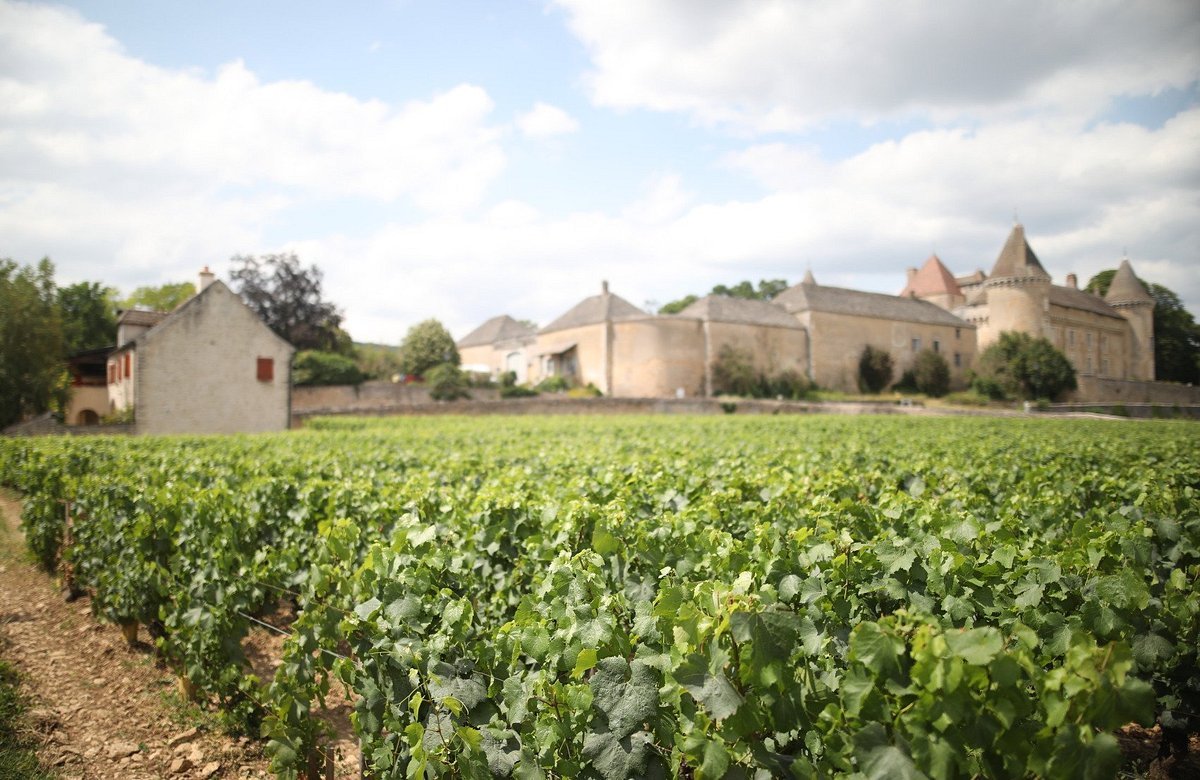
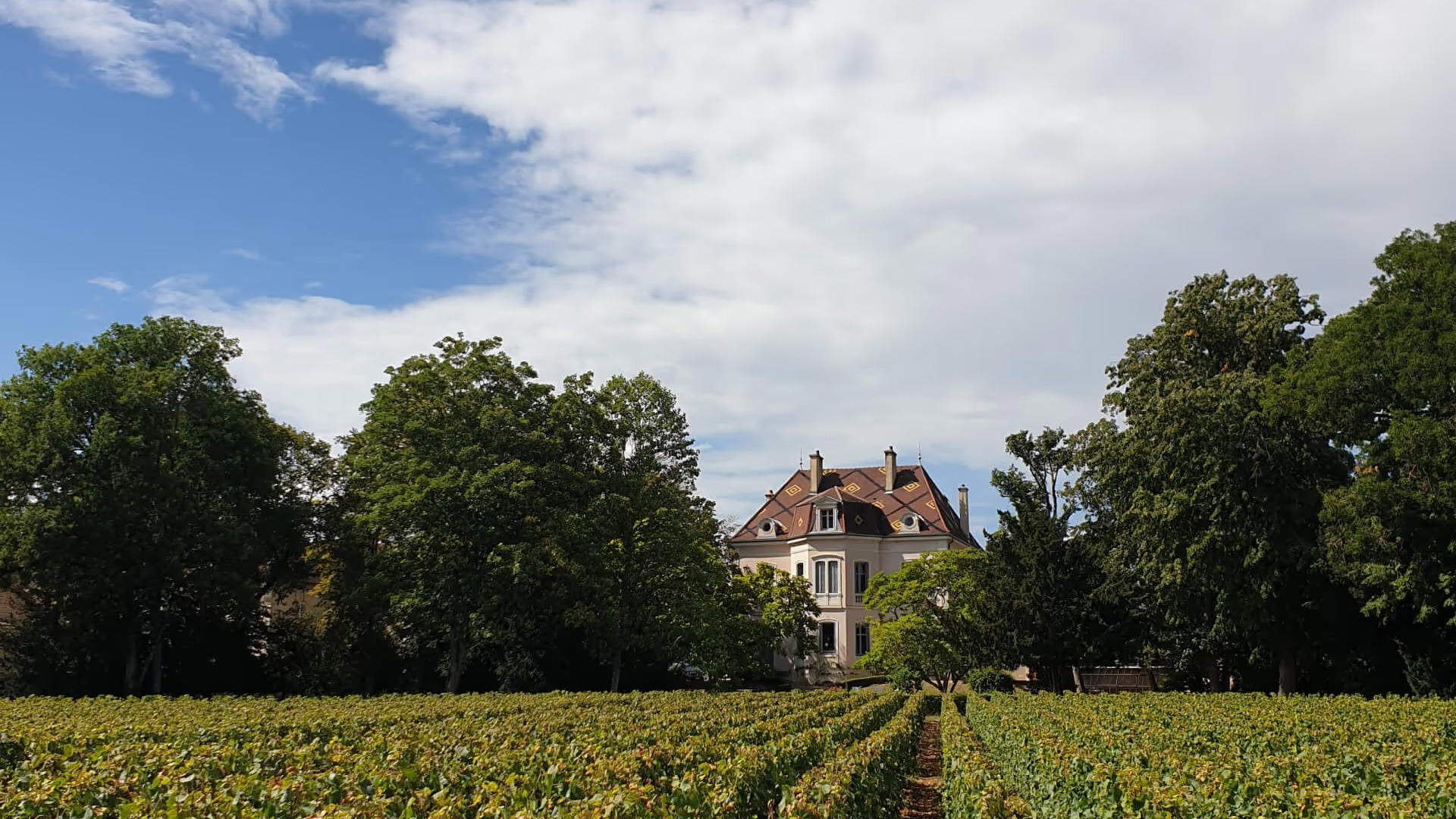
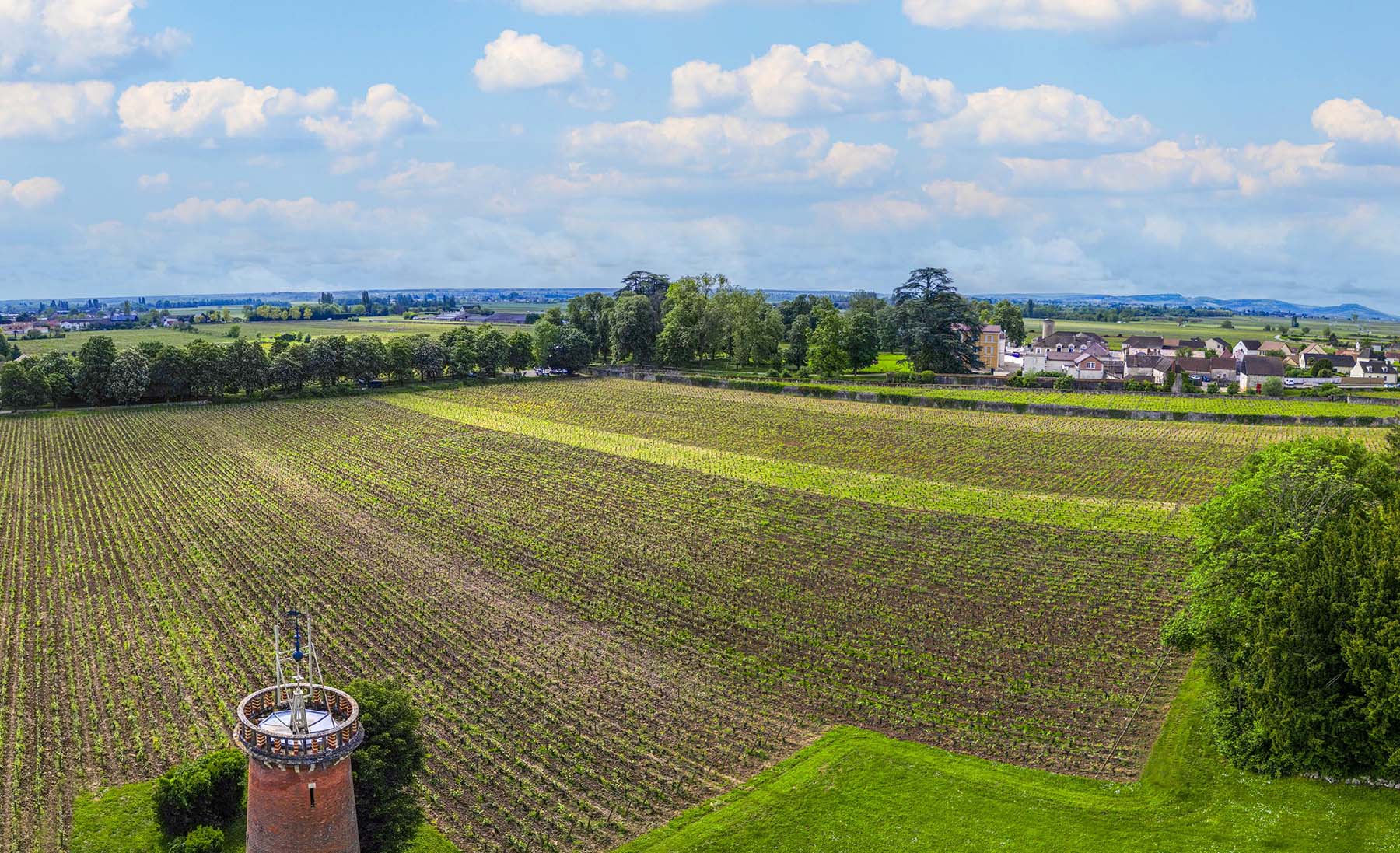
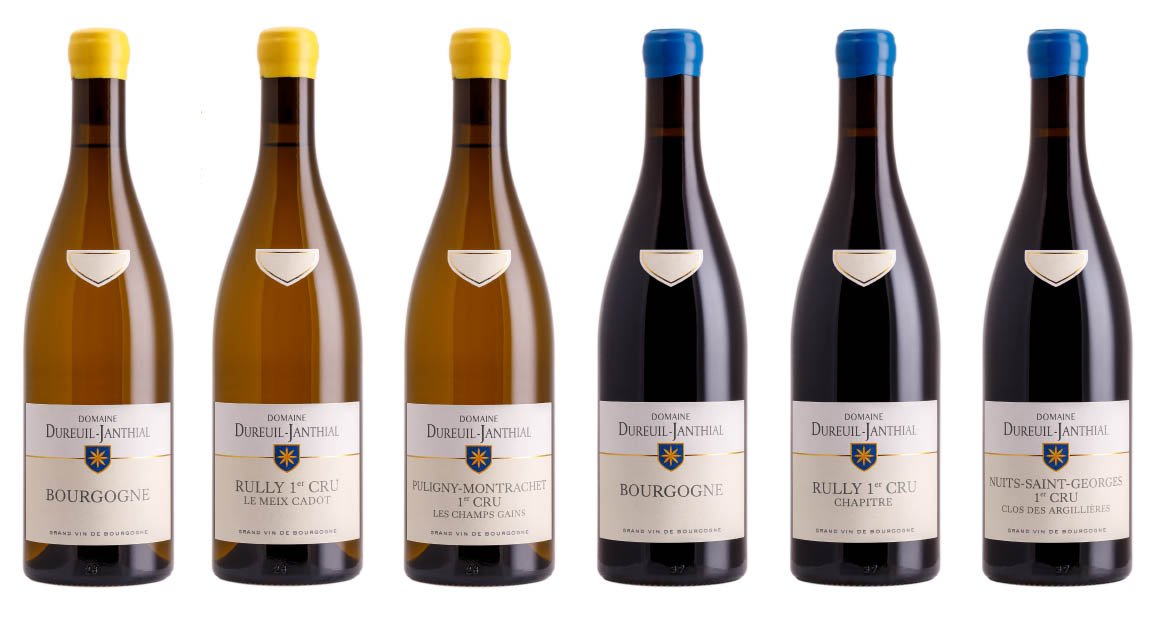
Domaine Dureuil-Janthial reads as a terroir-first Burgundian estate: the prose focuses on limestone, slope and elevation rather than flamboyant winemaking. The wines are described as leaner, mineral and structurally taut — characteristics that produce a restrained, contemplative presence in the glass. The domaine's inclusion at La Paulée and its status as a reference producer lend a quietly authoritative air: this is a place where collectors and serious tasters come to compare sites and parse nuance. Visits feel less about spectacle and more about close listening to vineyard expression and the subtleties that define Rully.
Best For
This domaine suits serious wine-focused visits and collectors seeking terroir clarity. The write-up highlights minerality, site specificity and a structural tension that rewards comparative tasting, so it’s an excellent stop for wine education, vertical tastings or research into Côte Chalonnaise expressions. Because the house occupies a prestige tier within Rully, it also fits special-occasion buying and cellar-oriented purchases. Travelers who prioritize reading site differences—rather than broad, immediate showiness—will get the most from a visit here.
Tasting Tips
When exploring Dureuil-Janthial, prioritize Chardonnay from the village’s premier cru holdings to taste the limestone-driven minerality the text emphasizes; these whites are described as leaning toward tension rather than weight. For reds, look for Pinot Noir offerings that showcase aromatic transparency and vineyard distinction rather than extraction. Given the domaine’s structural acidity and focus on site, consider wines for short- and long-term cellaring and compare multiple plots if possible to appreciate how elevation and exposure shape the flavors.
Venue details
Ambiance
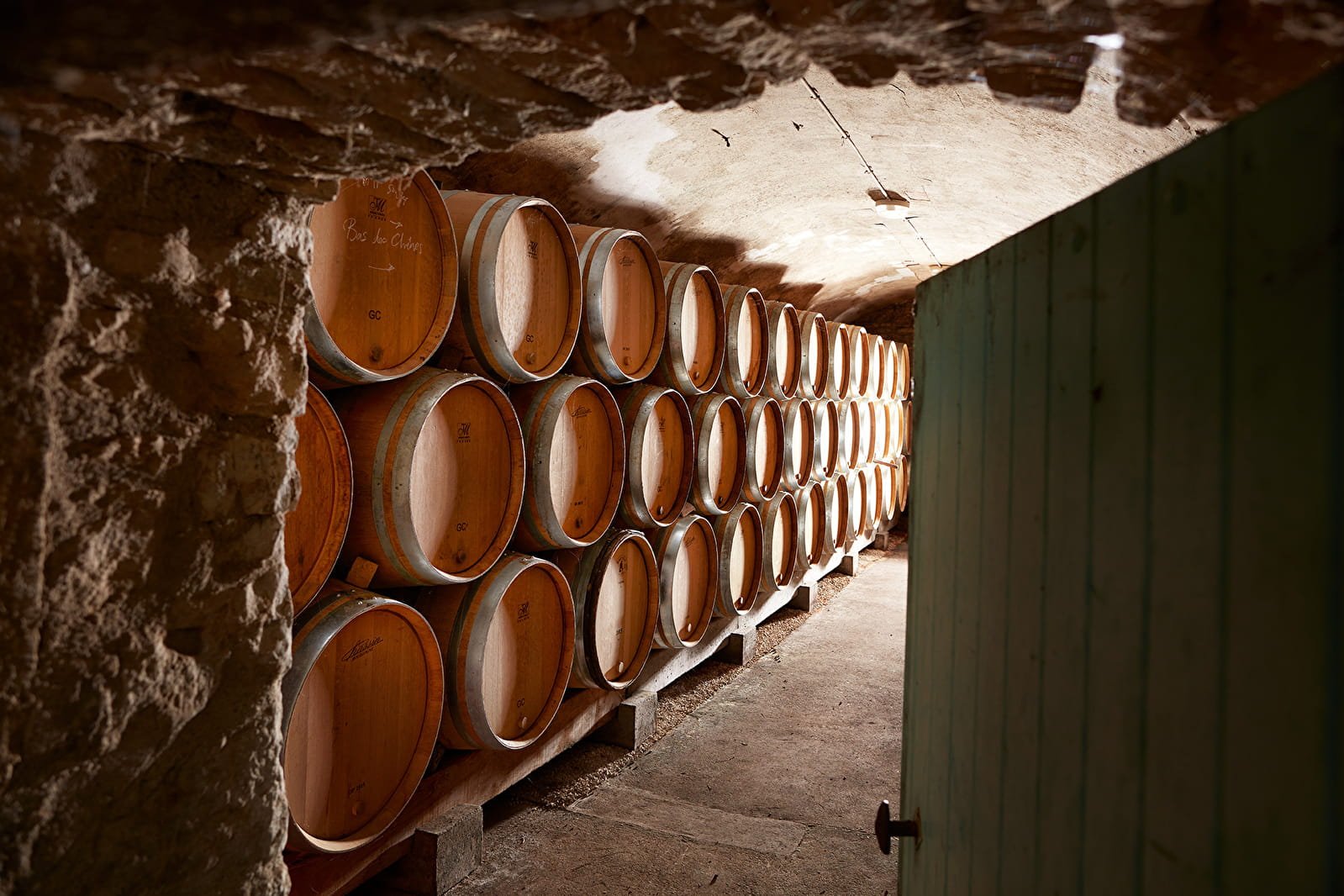
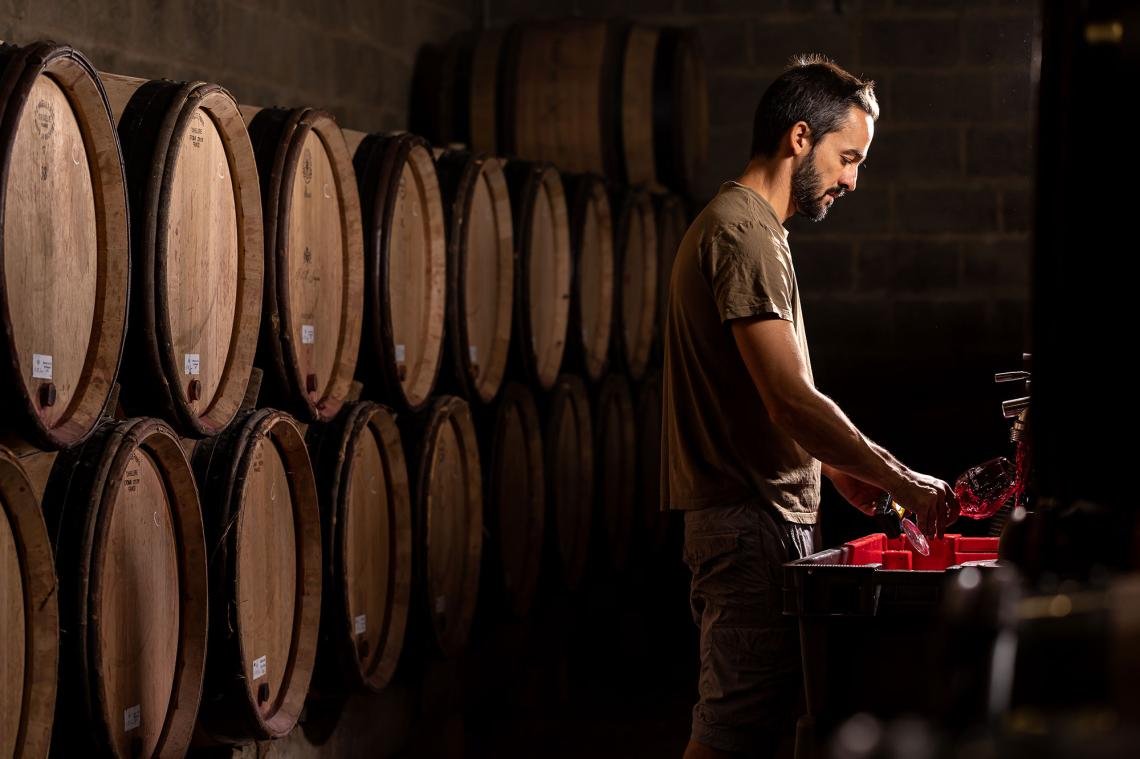
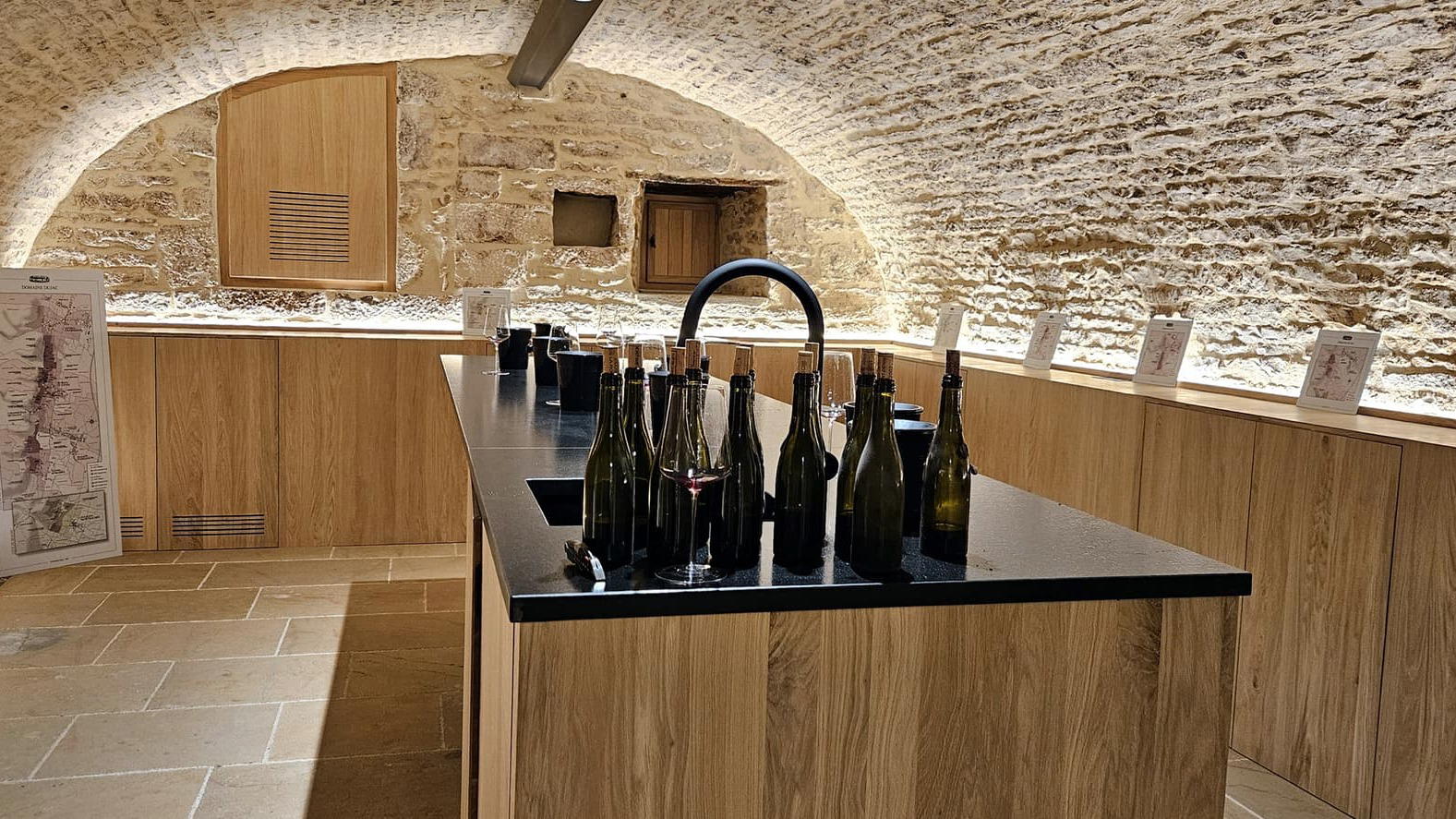
Classic, refined atmosphere with focus on terroir expression through barrel aging and lunar-guided practices.
Tags
Vibe
Best For
Experience
Sourcing
View
At the Vineyard
- Appellation
- Rully AOC
- Varietals
- Chardonnay, Pinot Noir, Aligoté, Gamay
- Visits
- By appointment only
- Farming
- Organic
- Production
- Small producer
- Wine Styles
- Still White, Still Red
- Wine Club
- Not available
Know before you go
Know Before You Go
- Getting there
- Rully, Côte Chalonnaise, France
Planning details
Location
Rully, Côte Chalonnaise, France · Directions
Recognition and awards
Also consider
Also Consider
- Domaine du Vieux Donjon, Notable alternative
- Roger Groult, Notable alternative
- Château du Breuil, Notable alternative
- Christian Drouin, Notable alternative
- Busnel Distillery, Notable alternative
Winery context
Against the listed alternatives, Domaine Dureuil-Janthial is the Burgundy-focused choice and the hardest one to treat casually. Domaine du Vieux Donjon is the more logical cross-shop if the priority is another serious wine producer rather than a spirits-led visit, though it sits outside the Rully plan and should be treated as a separate itinerary decision.
Roger Groult, Château du Breuil, Christian Drouin, and Busnel Distillery make more sense for travelers who want a Calvados or distillery-style experience rather than a Burgundy cellar visit. They are not direct substitutes for Rully, but they may be easier to frame for groups where spirits, broader ambiance, or a less technical tasting format matter more than producer specificity.
For value, the decision is less about ticket price and more about opportunity cost. Choose Domaine Dureuil-Janthial when the occasion justifies building the day around one difficult appointment. Choose one of the distillery peers when the group needs a more forgiving format, or Domaine du Vieux Donjon when the brief remains wine-first but the trip is not tied to Rully.
Explore Rully
Around this place
Discover more on Pearl
Unlock the full Domaine Dureuil-Janthial guide in Pearl, including awards, comparisons, FAQs, planning details, and nearby places.
Compare Domaine Dureuil-Janthial
| Venue | Location | Awards |
|---|---|---|
| Domaine Dureuil-Janthial | Rully | 2026 Michelin 2 Grapes - Burgundy |
| Domaine du Vieux Donjon | Litteau | 2026 Falstaff Winery Guide2025 Pearl 4 Star Prestige |
| Roger Groult | Saint-Cyr du Ronceray | No published awards |
| Château du Breuil | Le Breuil-en-Auge | No published awards |
| Christian Drouin | Coudray-Rabut | No published awards |
| Busnel Distillery | Cormeilles | No published awards |


How Domaine Dureuil-Janthial Rully compares with similar nearby venues.
FAQ
Frequently Asked Questions
Does Domaine Dureuil-Janthial serve food?
Food service details are not available for Domaine Dureuil-Janthial. If a meal is important to your plan, confirm directly with the venue and arrange dining in Rully separately.
Do I need a reservation at Domaine Dureuil-Janthial?
What other venues can I compare with Domaine Dureuil-Janthial?
Pearl's named reference venues include Busnel Distillery, Christian Drouin, Château du Breuil, Domaine du Vieux Donjon, and Roger Groult. Treat them as separate reference points rather than as evidence of any specific service, format, or nearby option in Rully.
Is there a membership program at Domaine Dureuil-Janthial?
Does Domaine Dureuil-Janthial offer delivery or shipping?
When is the best time to visit Domaine Dureuil-Janthial?
What is Domaine Dureuil-Janthial known for?
Domaine Dureuil-Janthial is in Rully, has a smart casual dress code, and holds Pearl 3 Star Prestige recognition for 2025. No specific menu, product, service, or visit format is available.