Árvay Winery
Rátka
Winery in Rátka, Hungary
 Book with Pearl
The Read
Volcanic Terroir Precision
Why go
Árvay Winery is worth targeting for a serious Rátka wine stop, especially if the trip is built around deeper Tokaj-area discovery rather than casual walk-in tasting. Access looks difficult, so treat it as an appointment-led visit and compare it with better-known regional peers before committing the day.
About Árvay Winery
Is Árvay Winery worth planning a Rátka stop around? It can be, if you are specifically interested in Árvay Winery and want a winery-focused stop in Rátka. Because practical details such as hours, tastings, bottles, and services can shape the experience, confirm directly before building a full day around the visit.
A focused Rátka winery for travelers prioritizing the essentials
Árvay Winery is listed in Rátka with a casual dress code and Pearl 2 Star Prestige recognition for 2025. Before going, check the visit format, opening hours, booking process, prices, specific wines, and visitor services. That makes it a better fit for travelers who are comfortable confirming practical details before they go.
Its clearest standout is recognition: Árvay Winery carries Pearl 2 Star Prestige (2025). For any specific bottle, tasting, purchase, or visit question, confirm directly with the winery rather than relying on assumptions.
How to use it in a Rátka itinerary
For an explorer-style trip, use Árvay Winery as a possible focused stop in Rátka, then keep the rest of the day flexible until the visit details are arranged. Readers building a wider plan can also use our full Rátka restaurants guide and other Rátka planning resources to avoid depending on one stop.
If the trip extends beyond Rátka, compare Árvay Winery with other winery names such as Barta Pince, Holdvölgy, Royal Tokaji, Szepsy, and Zsirai Winery. The practical answer is simple: choose Árvay Winery when a Rátka winery stop matters to the itinerary, and confirm the visit details before making it the anchor of the day.
Planning details
- Location
- Rátka, Széchenyi tér 13, 3908
- Website
- arvay.eu
- Phone
- +36 30 318 3380
The take
The Take
The Vibe
Árvay Winery sits quietly in the small commune of Rátka, where village life and winemaking coexist without tourist spectacle. The copy emphasizes an unhurried pace — Széchenyi tér and the house at number 13 convey a relaxed, low-key atmosphere rather than a bustling tasting-room scene. The region’s long history of winemaking, traced back to the twelfth century, lends a palpable sense of tradition and continuity. Visitors encounter a measured, historic vibe: thoughtful conversation, terroir-focused wines, and the sort of charming village setting that rewards slow exploration.
Best For
Árvay is well suited to visitors who want to study Tokaj’s terroir and winemaking traditions. The description foregrounds soils, botrytis and the Aszú style, making the cellar a natural stop for wine-education minded travelers and tasting-focused solo explorers. Because Rátka is quieter and less touristed than larger nearby centres, small groups who appreciate a more intimate, low-key experience also find it appealing. The setting works for measured, educational visits rather than high-energy wine-tourism itineraries.
Tasting Tips
When tasting here, prioritize the regional expressions that Tokaj is known for: concentrate on late-harvest and botrytised styles like Aszú and any local single-vineyard examples if they’re offered. Ask the host to explain the local soils (rhyolite, andesite, loess, and the so-called nyirok) and how they influence sugar concentration and botrytis development—those details are central to the copy and will deepen your tasting. Keep the visit unhurried and allow time to compare how the growers translate terroir into different bottlings.
Venue details
Ambiance
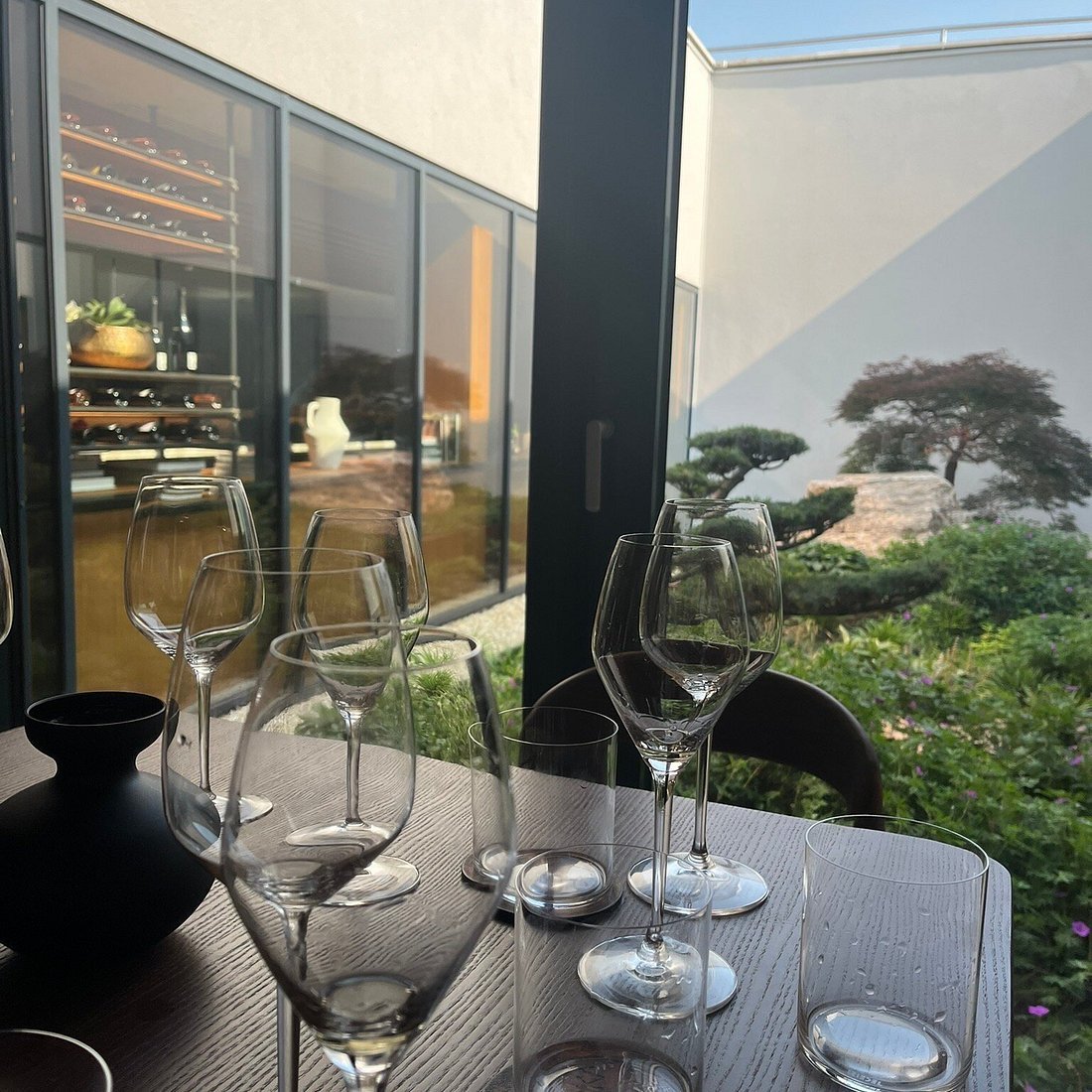
Cozy and authentic winery atmosphere in a traditional Hungarian village setting, focused on intimate wine tastings amid stunning volcanic landscapes.
Tags
Vibe
Best For
Experience
Sourcing
View
At the Vineyard
- Appellation
- Tokaj
- Varietals
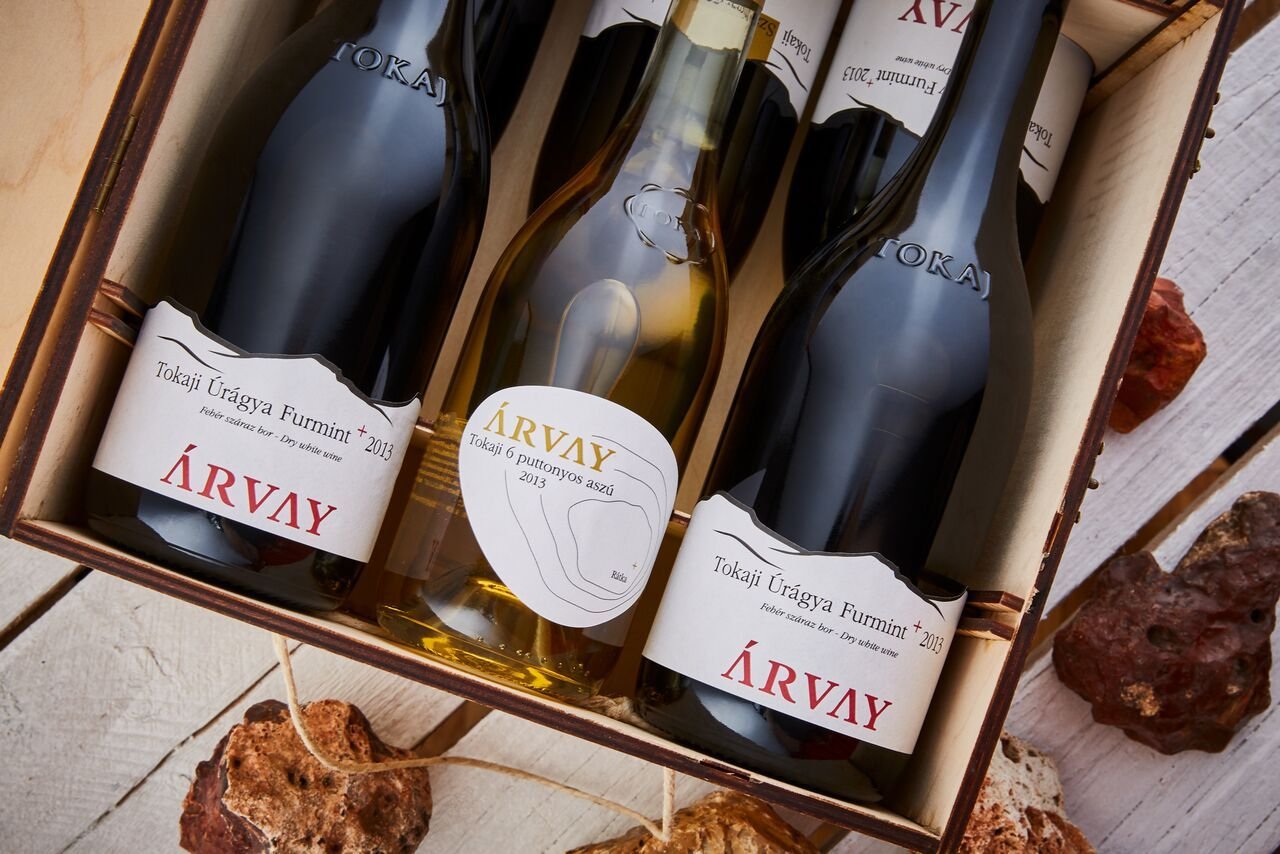
- Furmint, Hárslevelű, Sauvignon Blanc, Sárga Muskotály, Chardonnay
- Tour Duration
- 60-90 minutes
- Tour Languages
- Hungarian
- Visits
- By reservation
- Farming
- Organic
- Production
- Small producer
- Wine Styles
- Still White, Dessert
- Wine Club
- Not available
Know before you go
Know Before You Go
- Getting there
- Rátka, Széchenyi tér 13, 3908
Planning details
Location
Also consider
If you can't arrange Árvay
Try Royal Tokaji if the goal is a first Tokaj-region appointment with broader name recognition. Choose Holdvölgy if the experience itself needs to carry the day, not just the bottles.
Winery context
How Árvay compares with nearby Tokaj-region wineries
Choose Árvay Winery when the priority is a focused Rátka stop with a serious recognition signal. Barta Pince is the easier cross-shop for travelers already routing through Mád, while Royal Tokaji is the safer pick for visitors who want a more established name to anchor a first Tokaj trip.
Szepsy is the stronger comparison for collectors who care about benchmark bottles and are willing to plan hard around access. Holdvölgy is a better fit if the experience format matters as much as the wine, while Zsirai Winery is the softer alternative for travelers who want a regional producer without making Árvay the whole point of the day.
Value depends on what the visit replaces. If this is the only winery appointment in the area, Royal Tokaji or Holdvölgy may feel easier to justify for first-timers. If the trip is already Tokaj-focused and the reader wants another serious producer in the mix, Árvay earns the slot.
Explore Rátka
Around this place
Discover more on Pearl
Unlock the full Árvay Winery guide in Pearl, including awards, comparisons, FAQs, planning details, and nearby places.
Compare Árvay Winery
| Venue | Location | Awards |
|---|---|---|
| Árvay Winery | Rátka | No published awards |
| Barta Pince | Mád | 2026 Falstaff Winery Guide |
| Royal Tokaji | Mád | 2026 Falstaff Winery Guide |
| Szepsy | Mád | 2026 Falstaff Winery Guide2024 World's 50 Best Vineyards · #432023 World's 50 Best Vineyards · #35 |
| Holdvölgy | Mád | 2026 Falstaff Winery Guide |
| Zsirai Winery | Mád | No published awards |


How Árvay Winery Rátka compares with similar nearby venues.
FAQ
Frequently Asked Questions
Is Árvay Winery worth visiting?
Árvay Winery may be worth considering if you are planning a winery-focused stop in Rátka. The venue has Pearl 2 Star Prestige recognition for 2025 and a casual dress code.
What other wineries are useful comparisons for Árvay Winery?
For a broader winery comparison set, look at Barta Pince, Royal Tokaji, Szepsy, Holdvölgy, and Zsirai Winery. Use them as reference points when deciding how Árvay Winery fits into a wider trip.
Do I need a reservation at Árvay Winery?
How long should I plan for a visit to Árvay Winery?
What is the flagship wine at Árvay Winery?
Ask Árvay Winery directly about current flagship bottles before you go, especially if a specific wine matters to your visit.